KHOJAIPOK OTA SHRINE (Dehkanabad district)

Khojaipok village, Kurgantepa district, Kashkadarya region, bordering the Republic of Turkmenistan in the mountain region. Khoja Soat, Khoja Bulg'on, Khoja Tullik, Khoja Mahmud, Khoja Obigarm, Khojaikon, who came to spread Islam among the people after the Arab conquest in the 10th-11th centuries. He was one of the seven masters. There is a symbolic shrine linked with the name of Khojaipok Ota [1].
Khoja is a Persian word (“respectable person”, “owner”, “merchant”, “mentor”) - honorary title and form of address. In Central Asia until the beginning of the 20th century, Khojas are the honorary title of persons claiming to be the successors of the khalifas (Abu Bakr, Umar (mainly), Usman and Ali (descendants of Muhammad's daughter Fatimah). In other sources, Khojas they are considered to be the descendants of the generals who led the conquests of the Arabs. [2:551-552] Their privileges are still preserved in some Muslim countries.
In the mountainous regions of the Kashkadarya oasis located in the south of Uzbekistan, there are villages, natural areas, shrines named after Khojalar. According to R.Ya. Rassudova, the word "khoja" means "big chief" in Persian. However, the word "khoja" had other secondary meanings in different periods and regions. For example, in Kazakhs and Kyrgyz, "khoja" is used to refer to teachers who teach in religious schools [3:10-11]. Regardless of the period, region, and meaning of the word khoja, when the word khoja is said, it is mainly related to their ethnic origin with the Arabs that connecting population is understood.
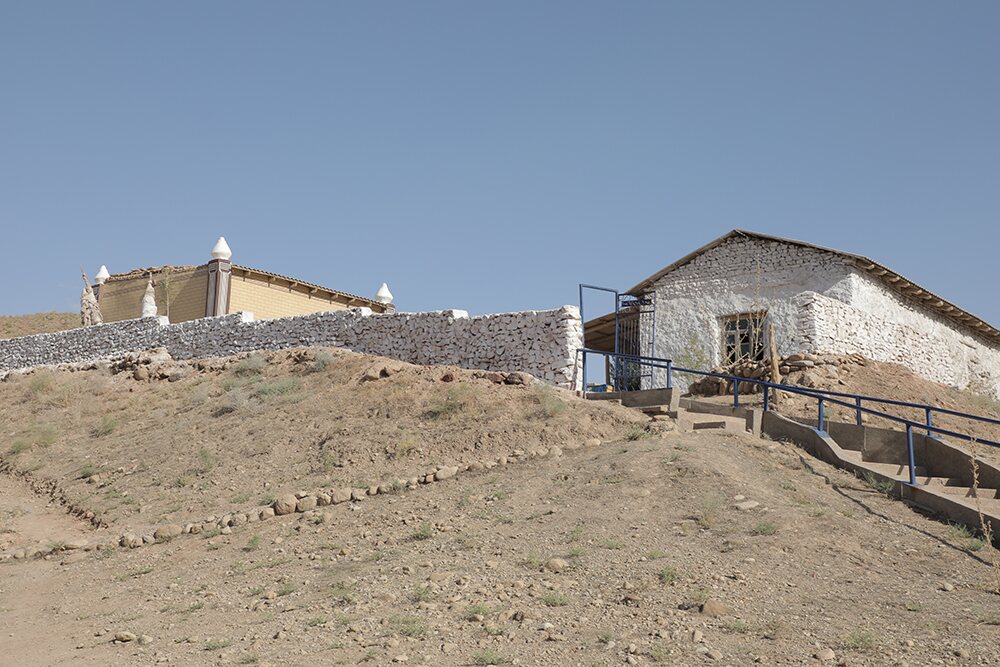
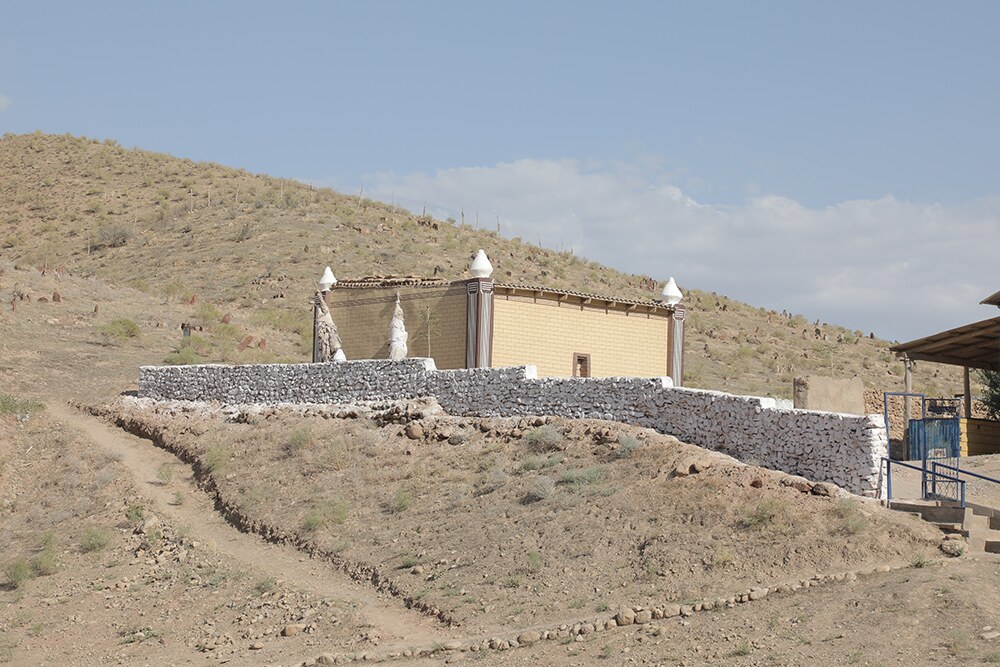
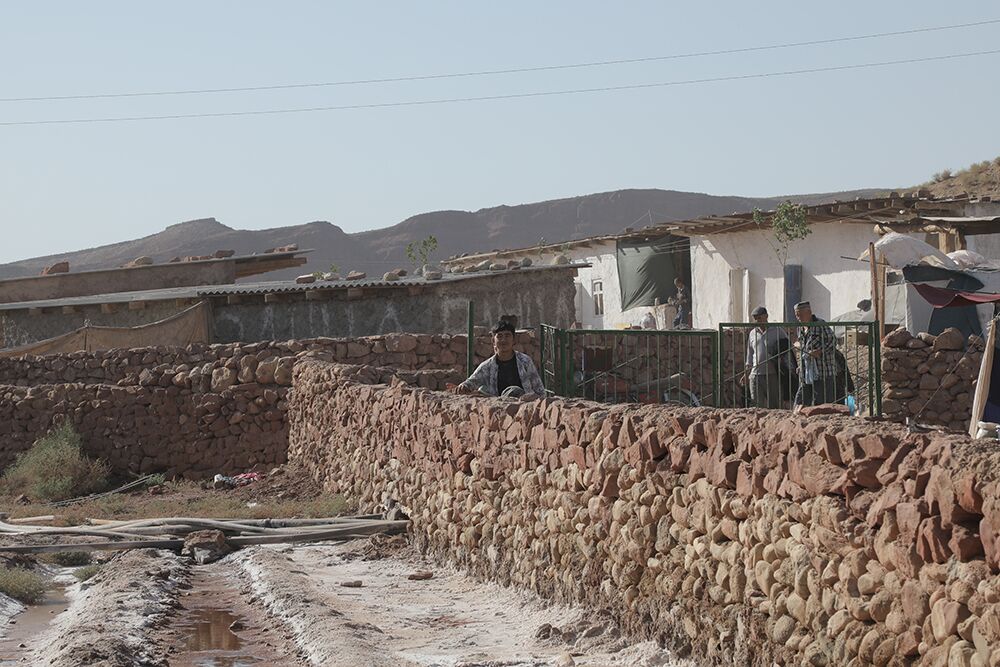
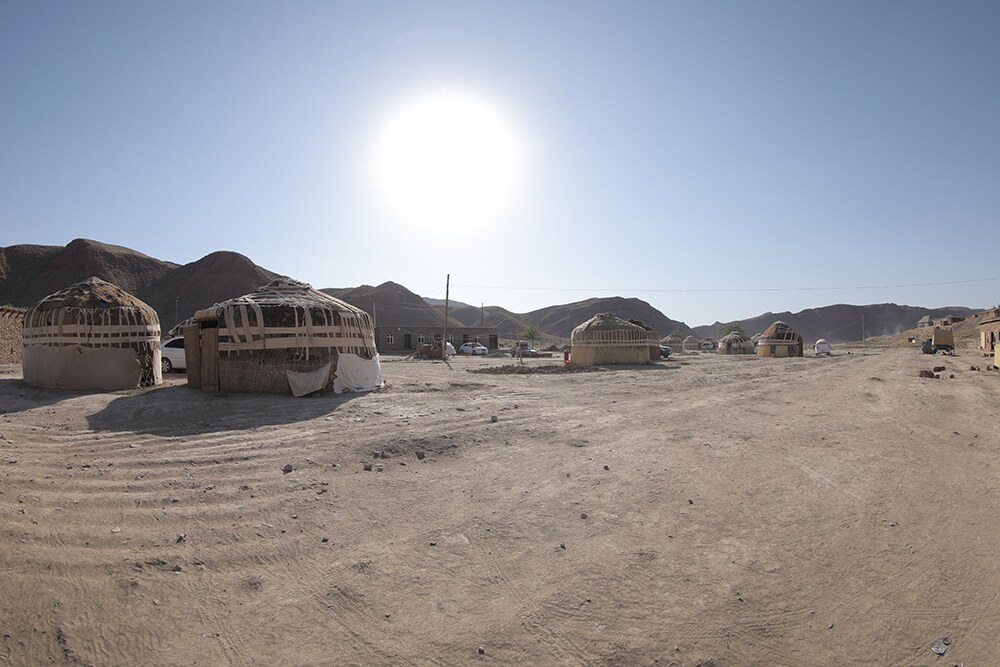
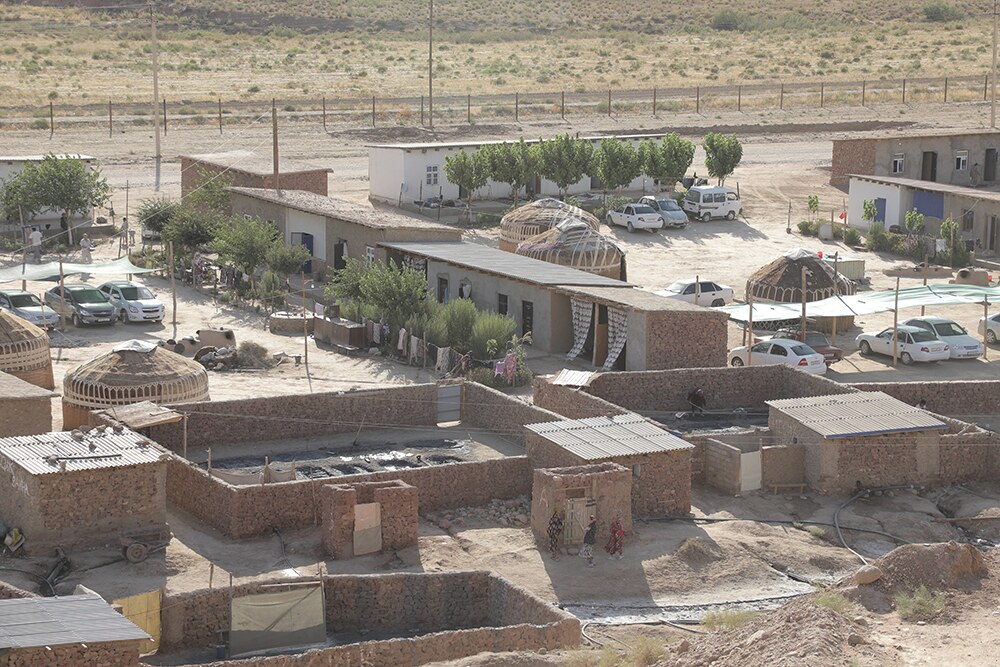
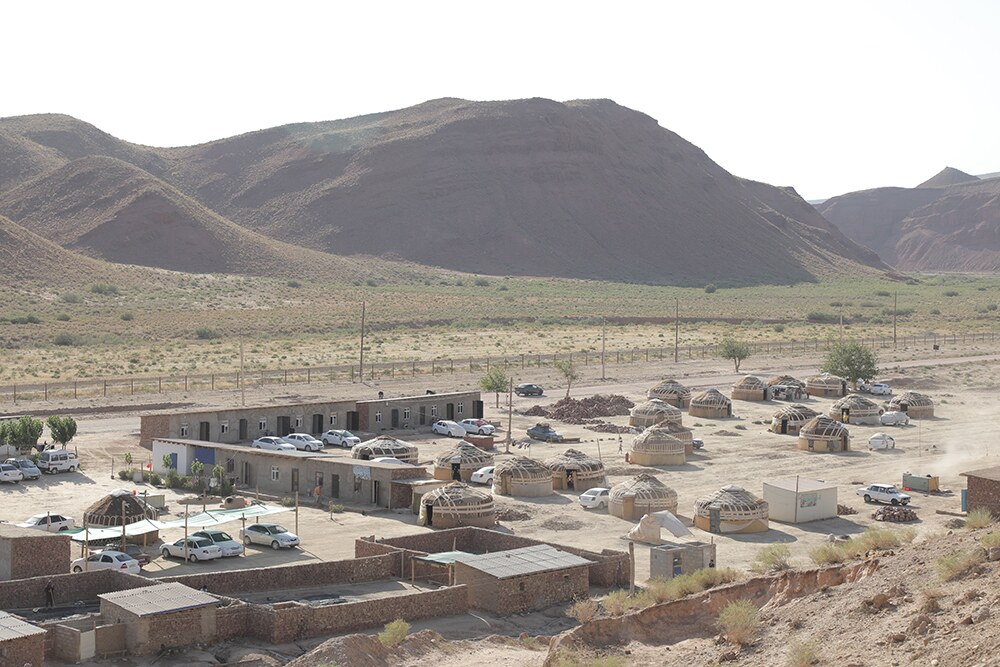
The shrine of Khojaipok Ota was located in an open place until 1990s, after we gained independence, a one-room mausoleum was built on the grave by the local residents with a fence, and the roof was made flat and covered with mud. According to a local source, after the occupation of Central Asia by the Arabs, the Arab generals served to spread the religion of Islam, and their graves became places of pilgrimage. This shrine also exists since ancient times [4]. Among the population, there are concepts of seven lords and seven pirs, they propagated the religion of Islam, and became the people of the country. There are different stories about Khojas among the population. We assume that the tomb here is symbolic. It is indefinite who lies in the grave. Because, during scientific research, there is no information about Khojaipok father was found.
Khoja Alambardar (10th century) was one of those who propagated and promoted Islam in Movarounnahr. According to sources, his supposed grave was behind the Kamalon gate of Tashkent [2:552]. This source is close to the truth. Only Khoja Alambardar in Tashkent can be a historical person in the territory of Uzbekistan. There have been many alambardars in history, they were in high regard of the people.
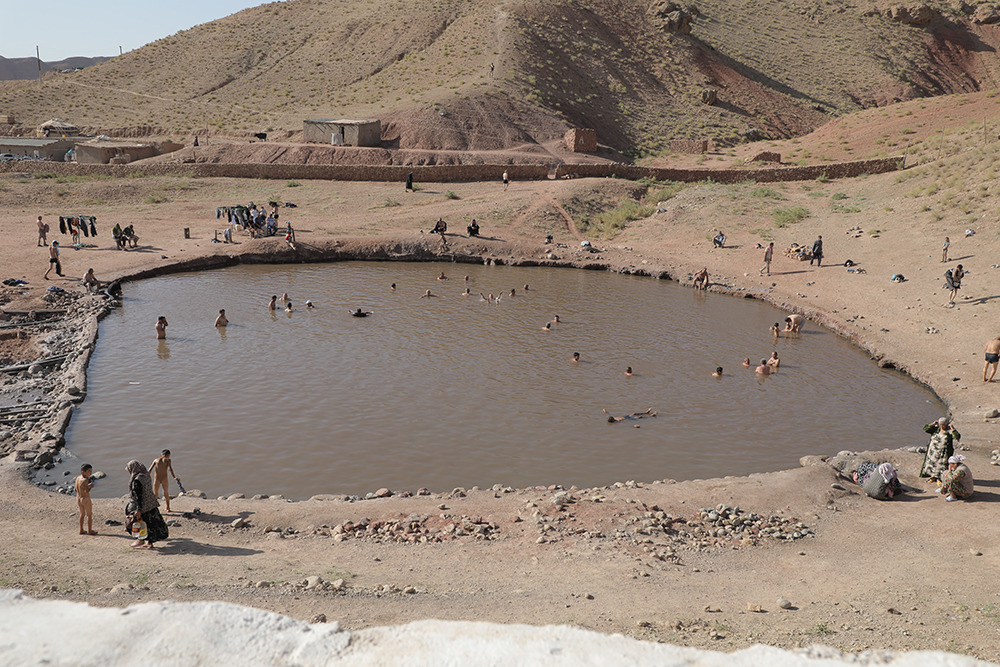
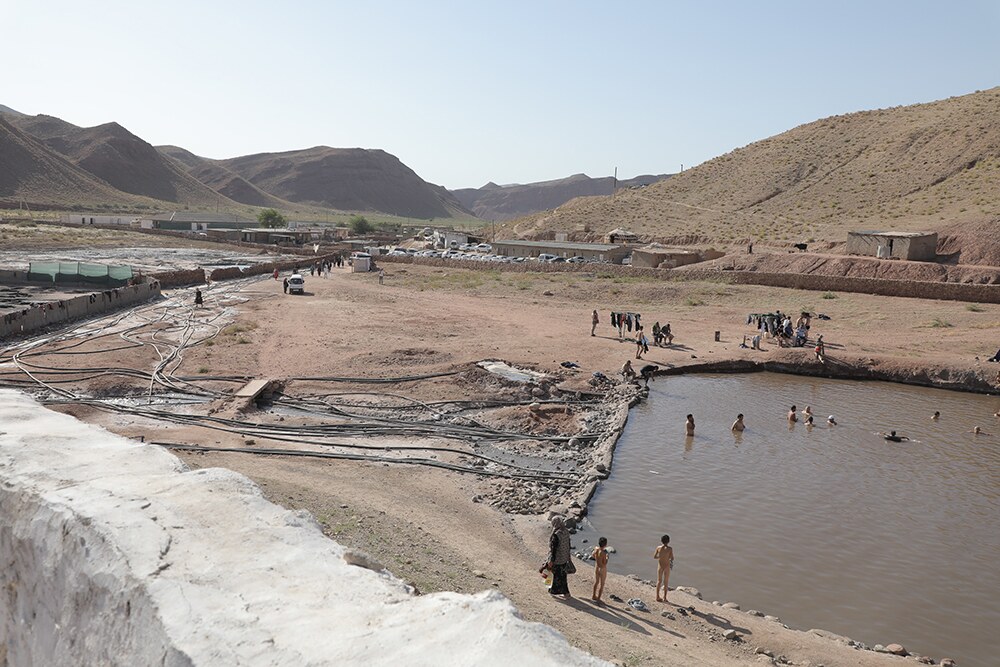
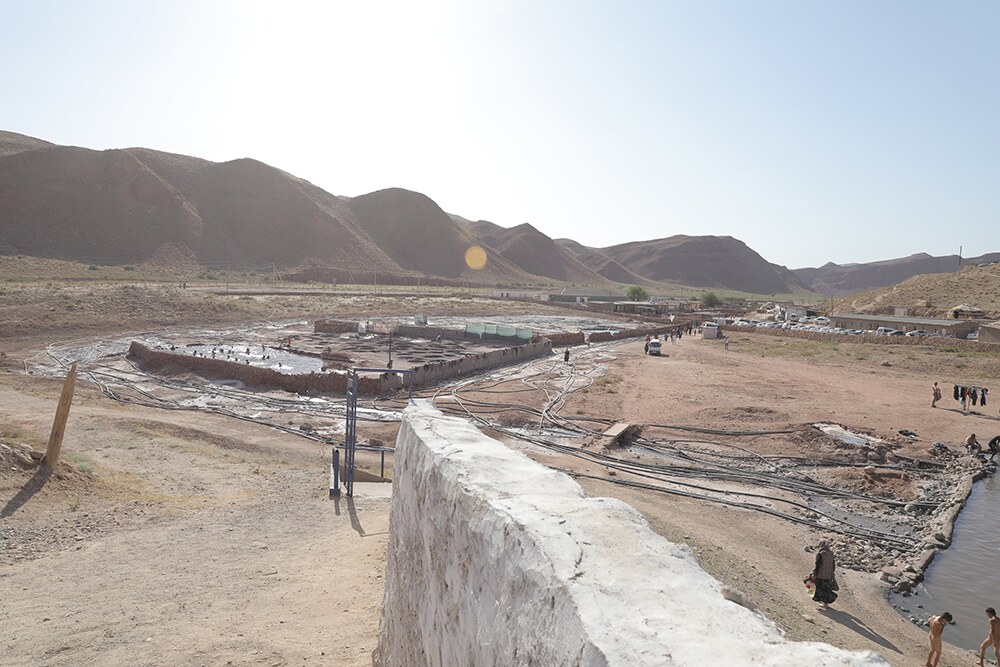
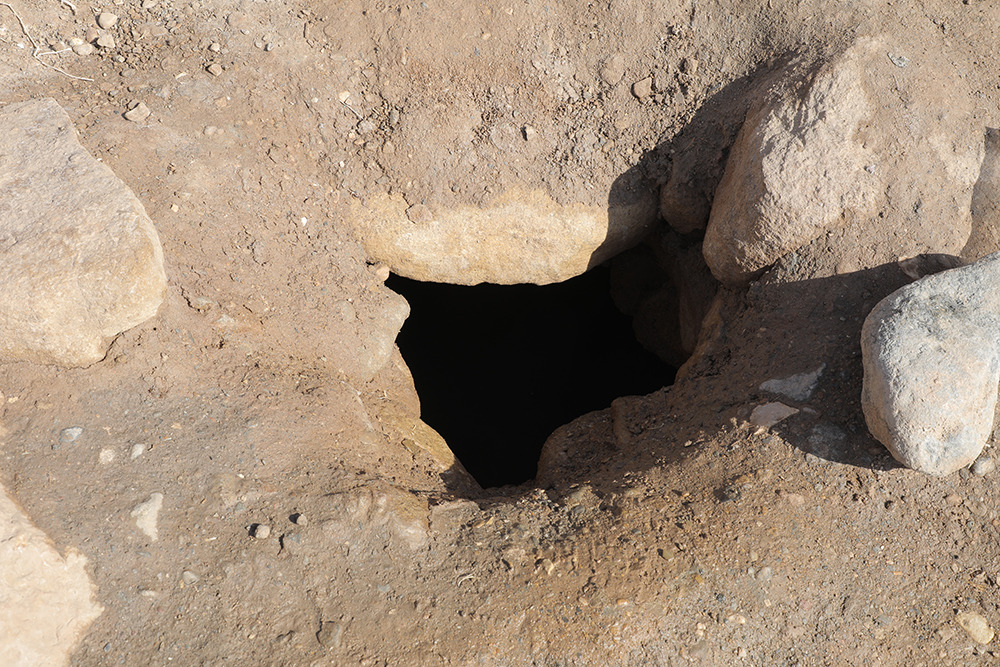
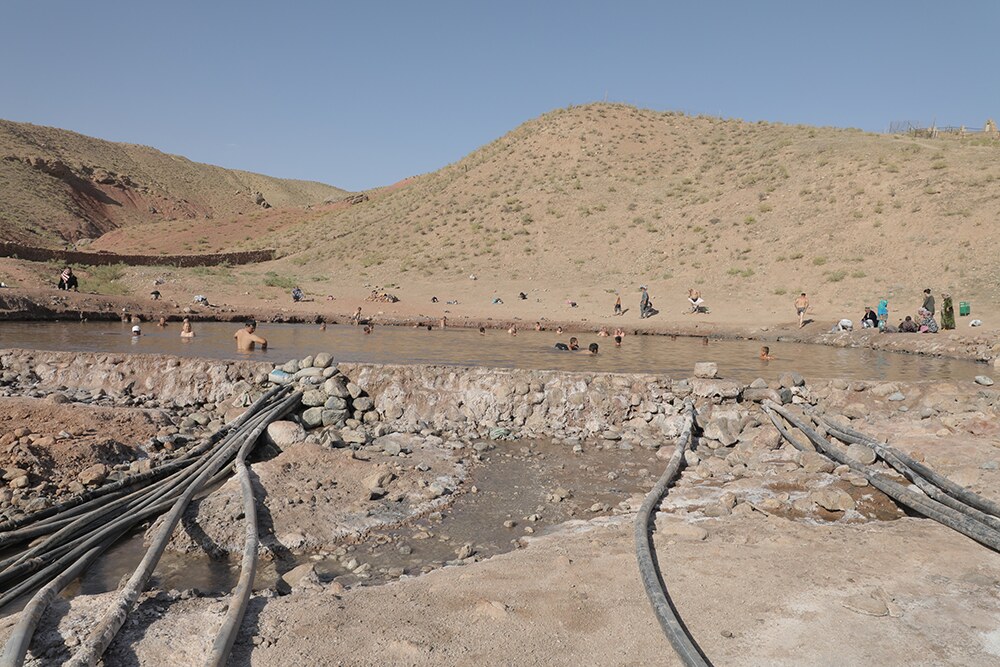
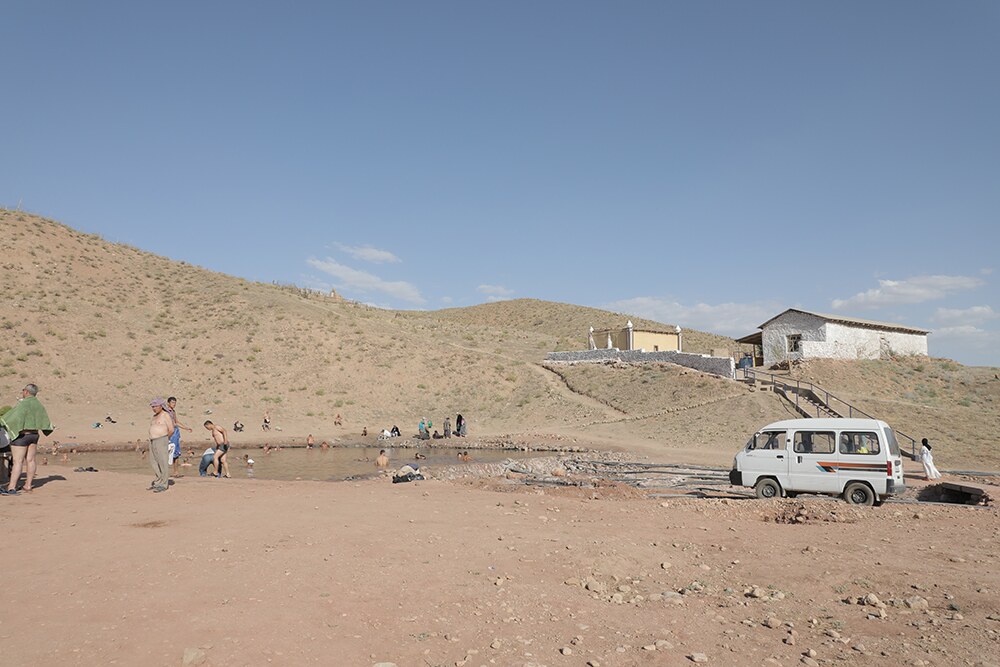
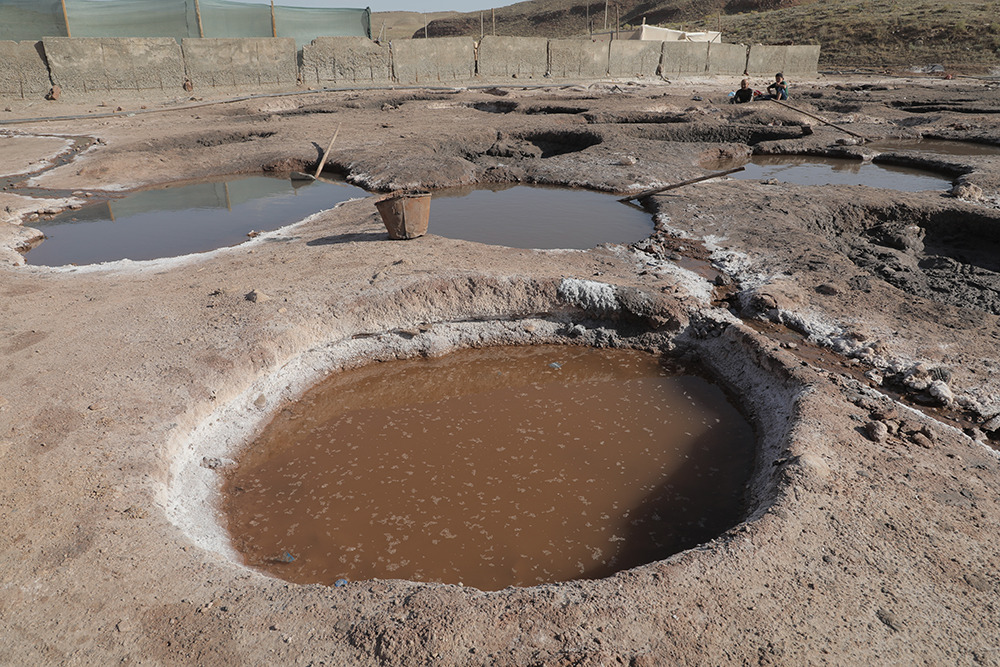
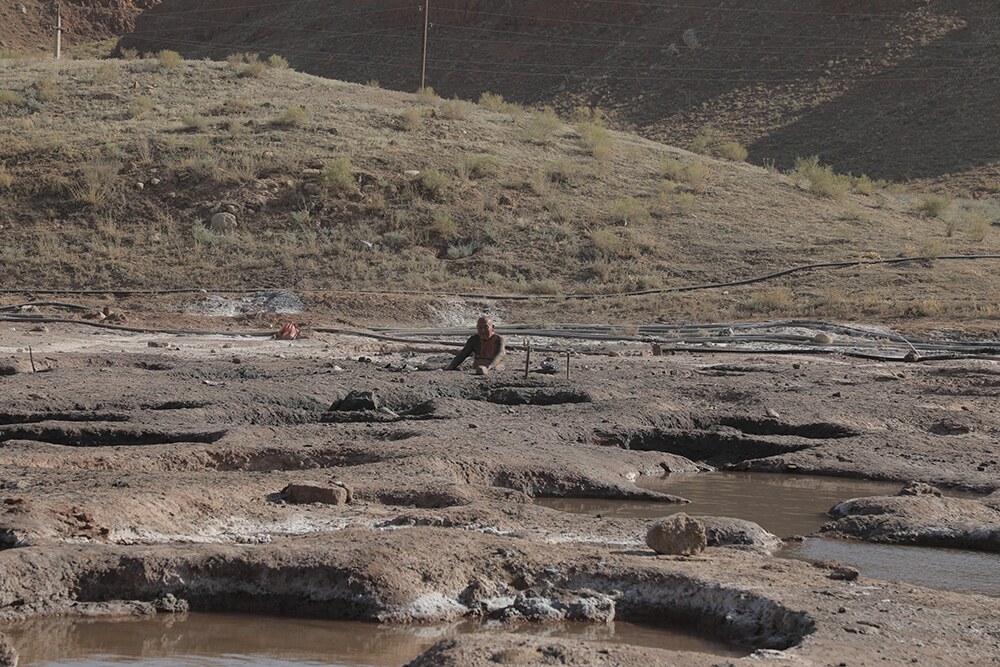
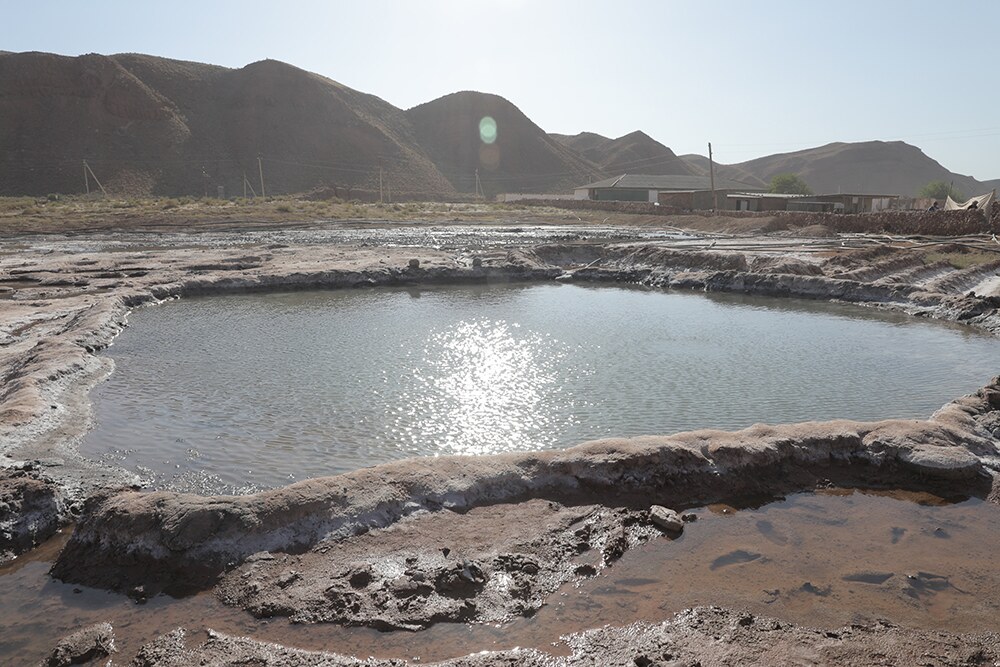
Despite the fact that the shrine is located far from the center of Dehkanabad, in the mountainous area, it is crowded with pilgrims from May in the spring to September in the autumn. Sulphurous water flows from the shrine of Khojaipok Ota and there is a lake and mud formed from it. In 1987, N. under the Ministry of Health of Uzbekistan. Specialists of the N.A.Semashko Republican Institute of Kurartology and Physiotherapy studied the composition of Khojaipok spring water, and D. Mendeleev determined the presence of mineral substances in the table and said to be healing for diseases [5:12].
Khojaipok water was considered a cure for diseases related to colds, rheumatoid (bod's disease), polyarthritis, various skin diseases, nervous system, spinal osteochondrosis, spinal gray, various neuropathies, chronic cholecystitis, enterocolitis prostate, adnexide, burscellosis, etc. [6 :23].
The water and hot mud in the shrine are heated by the sun's rays mainly in June and July and have the property of healing patients. According to the conducted surveys, the local population considers the healing water to be the blessing of Khojaipok Ota, and they have high hopes for healing when using it.
There is also a pilgrimage site named after Khojaipok in the village of Khojaipok, Altinsoy district, Surkhandarya region. Local residents believe that this kadamjo is one of the seven Khojas who came from Arabia to our homeland in the 9th-10th centuries to spread the religion of Islam. The shrine attracts many pilgrims in spring and summer due to its calm nature and healing water. It was found that the water contains phosphorus, sulfur, salt, chloride, sulfide, azone, iron and other substances. Water is mainly a claim for head, leg, back pain, chest tightness, various wounds, rashes, rashes, skin and nervous diseases [7]. According to field research, local residents consider the water coming out of the shrine area to be healing, and have found cures for many diseases.
The shrine of Khojaipok, located in the village of Khojaipok, Dehkanabad district, Kashkadarya region, and the shrine of Khojaipok in Altinsoy district, Surkhandarya region, have their own similarities. Both shrines are located in the mountain area. Both of them are connected with the name of Khojaipok, a symbolic grave, sulphurous water flows from the territory of both shrines, pilgrims visit there, get healing, and enjoy the natural scenery. These shrines can also be evaluated as ecotourism sites.
In conclusion, it can be said that although the Khojaipok shrine is symbolic, it is necessary to spread the history of the shrines associated with their name to the general public, make not only the region, but also the republic famous in terms of tourism, and study the lives of Islamic scholars. social and cultural changes caused the rise of science and culture in the region. Pilgrims named after scientists, saints, pirs, saids, khojas and historical figures located in the oasis have become a part of the people's lifestyle. During the visit, pilgrims can not only pay respect to the blessed ones, but also learn about the scientific services of the scholars who contributed to the Islamic culture, as well as be informed about their lives.
REFERENCES:
1. Дала тадқиқотлари. -Қашқадарё вилояти Деҳқонобод тумани, Қўрғонтепа маҳалласи Хўжаипок қишлоғи. 2024 йил 20 июль.
2. Ислом энциклопедияси.Тошкент: Ўзбекистон миллий энциклопедияси давлат илмий нашрёти, 2017.
3. Тошқулов К. Деҳқонобод тарихи ва тараққиёти. Учинчи китоб.Тошкент: Янги аср авлоди, 2017.
4. Қашқадарё вилояти Деҳқонобод тумани Каттақўрғон маҳалласи Хўжаипок қишлоғида яшовчи, 1975 йилда туғилган Аширов Келдиёр билан бўлган суҳбат. Зиёратгоҳ мутаваллиси. 2024 йил 20 июль.
5. Тошқулов К. Қадимий ва навқирон Деҳқонобод. Биринчи китоб. -Тошкент: Муҳаррир нашрёти, 2012.
6. Тошқулов К. Қадимий ва навқирон Деҳқонобод. Иккинчи китоб. -Тошкент: Turon zamin ziyo, 2015.
7. Пардаев М. Олтинсой зиёратгоҳлари. Она қишлоғим. -Т.: 2003.