THE MAUSOLEUM ASSOCIATED WITH THE NAME OF HAZRAT SULTAN (Kitab district)

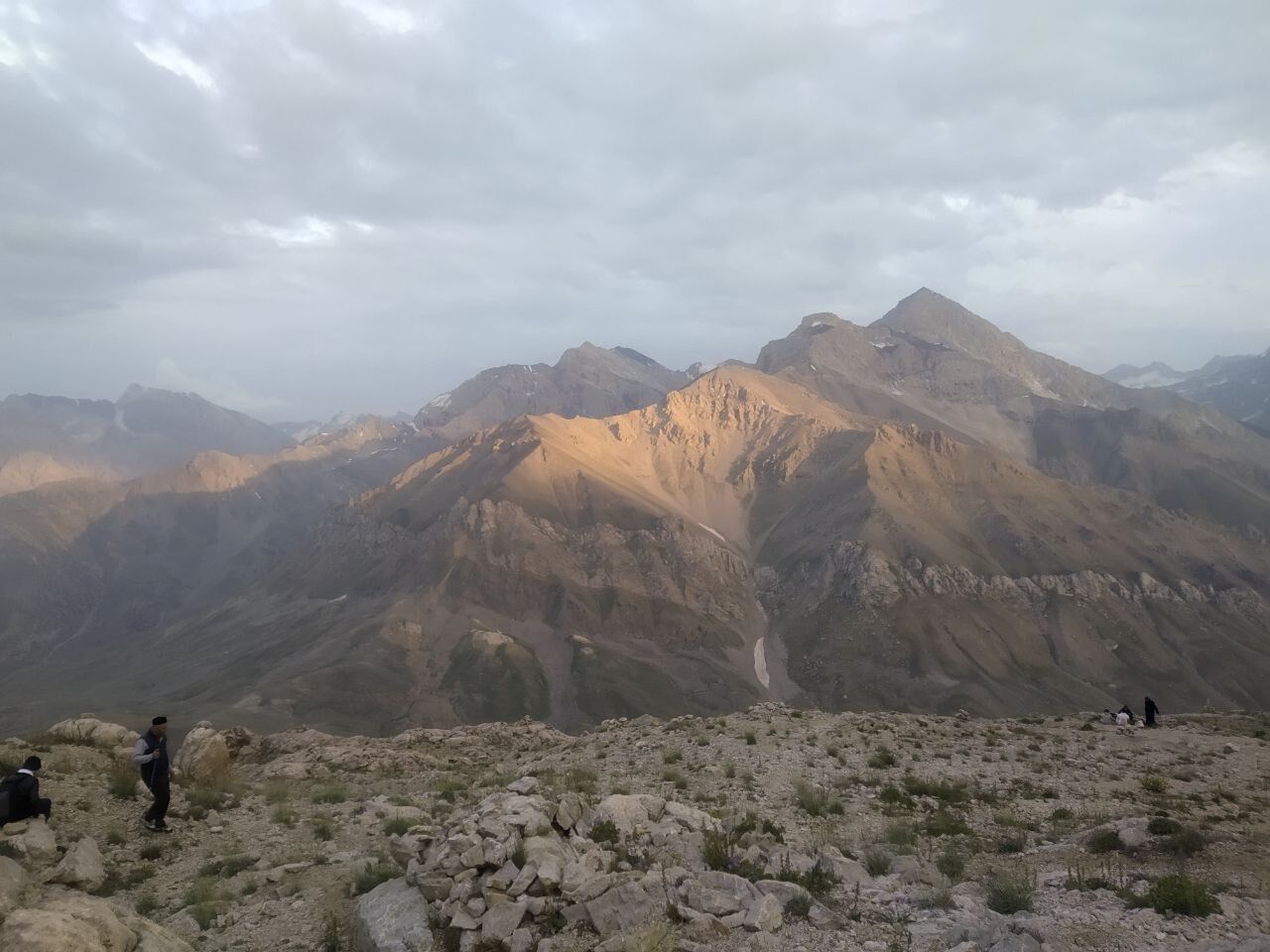
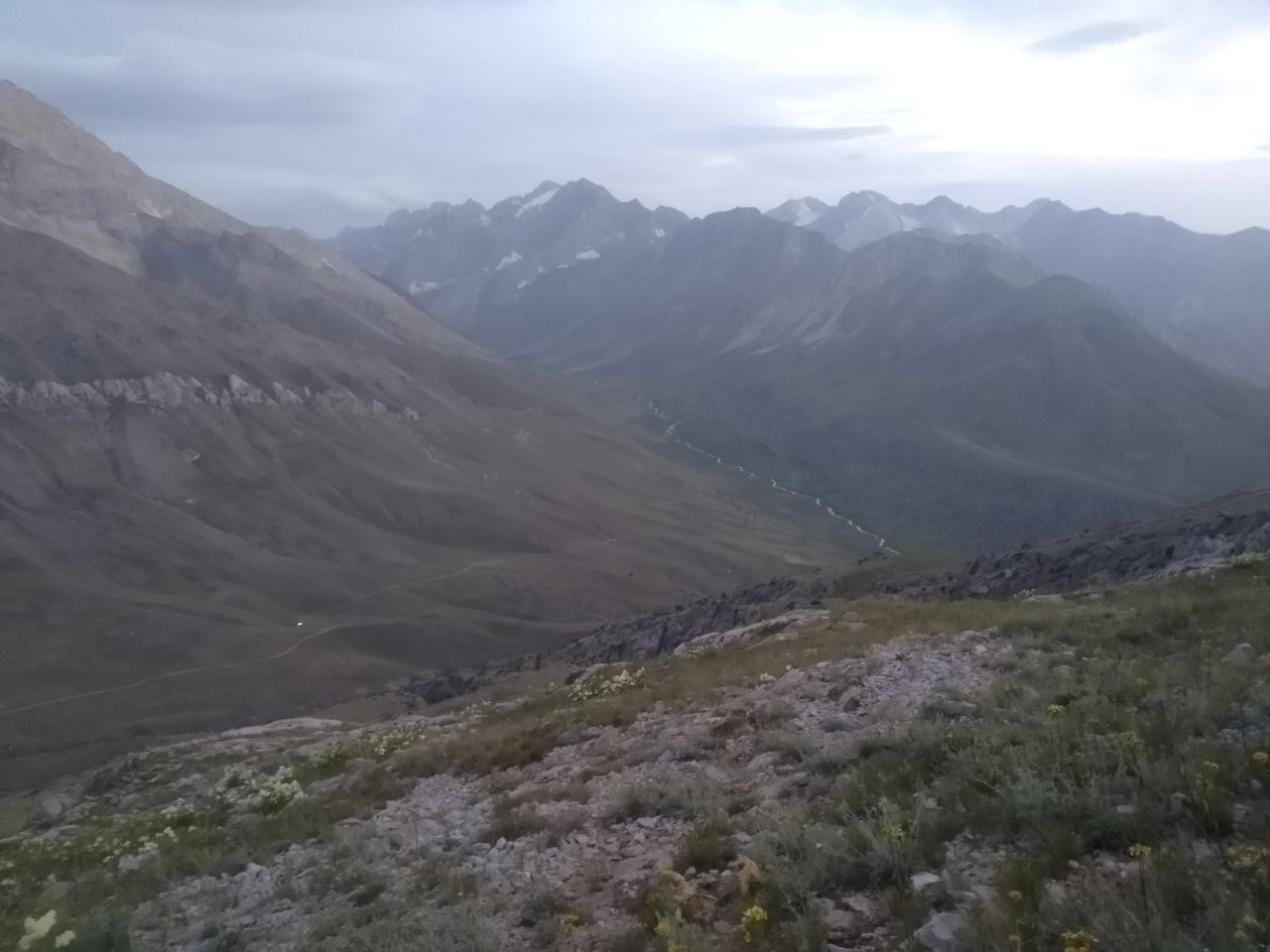
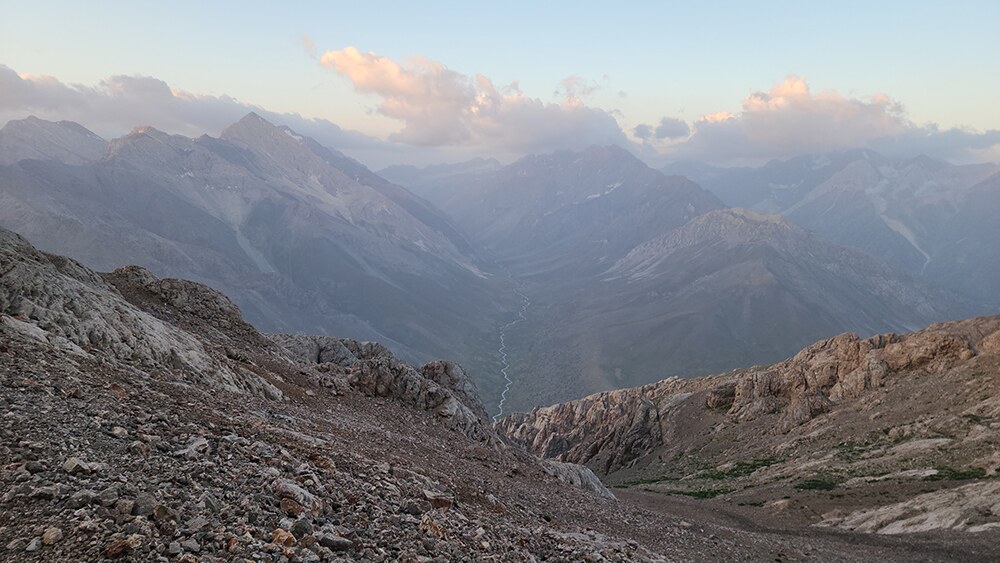
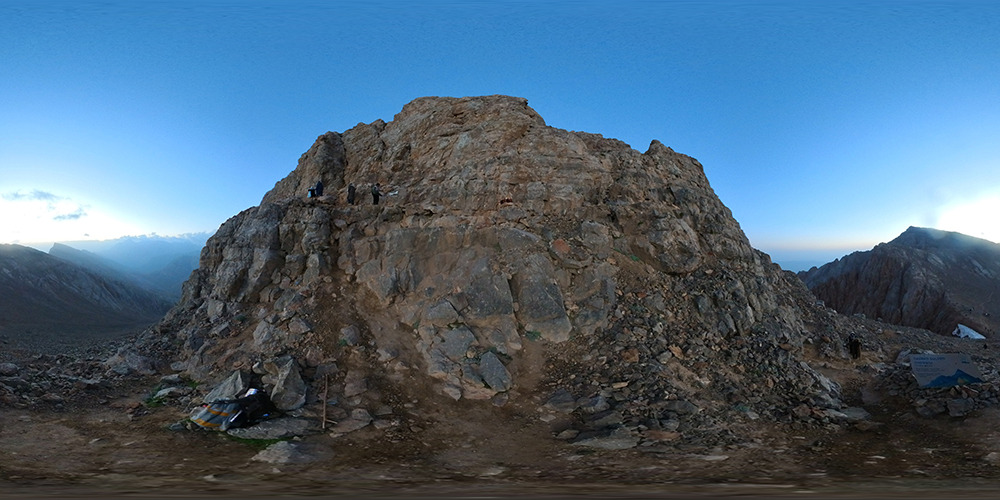
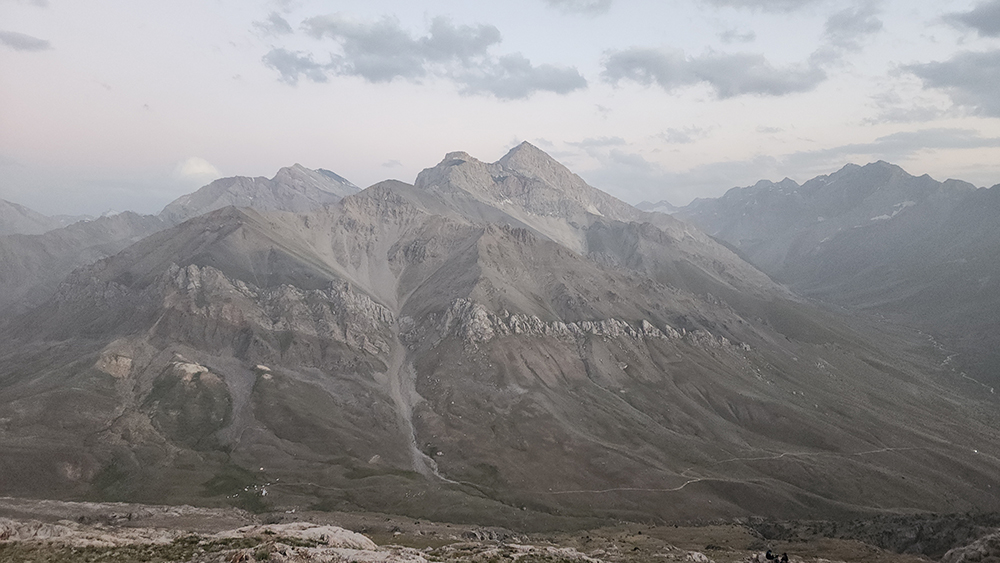
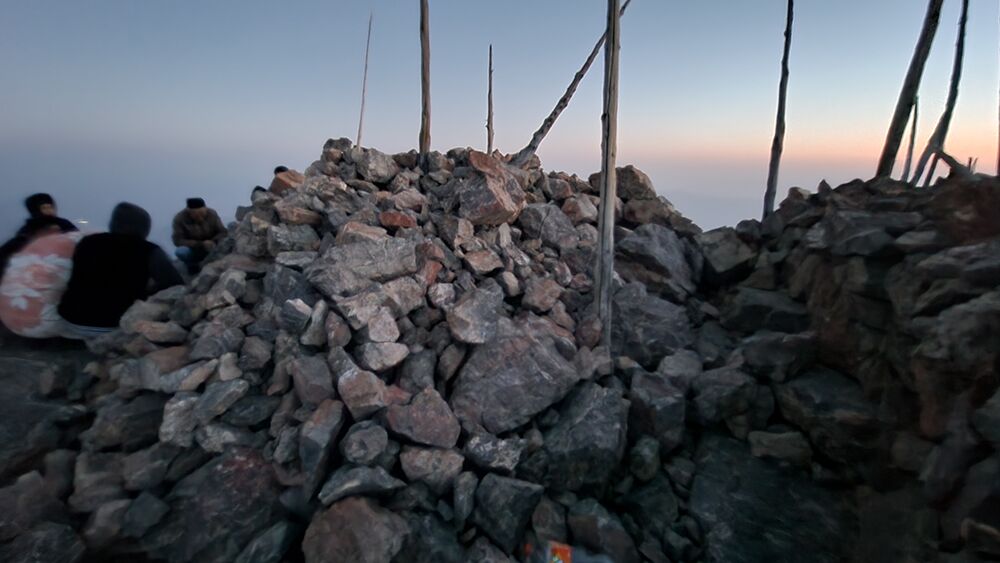
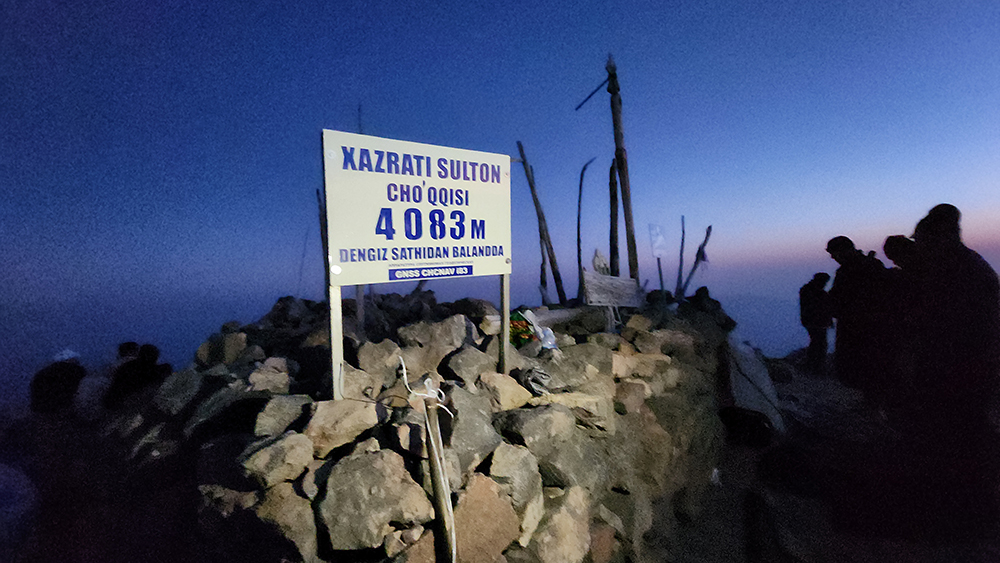
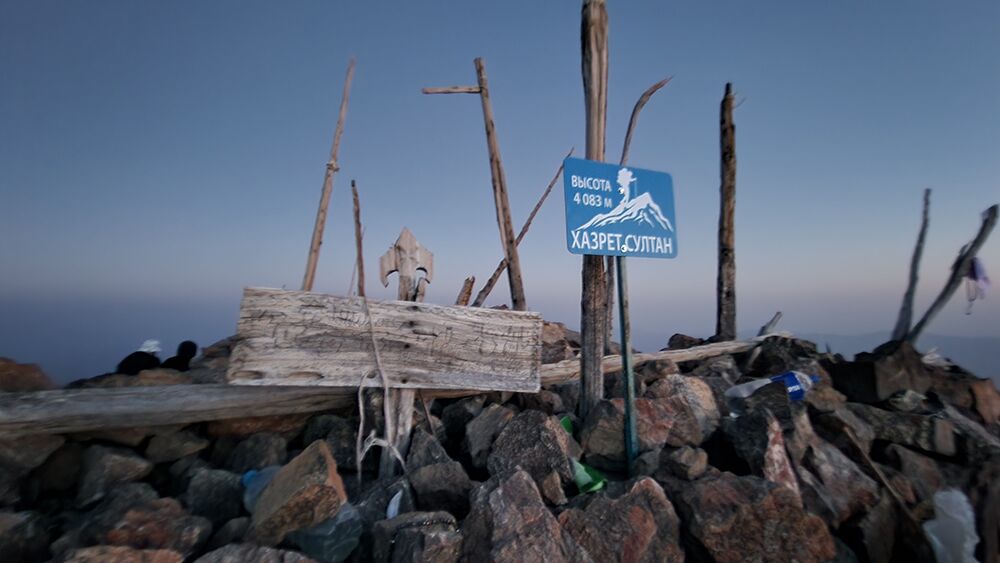
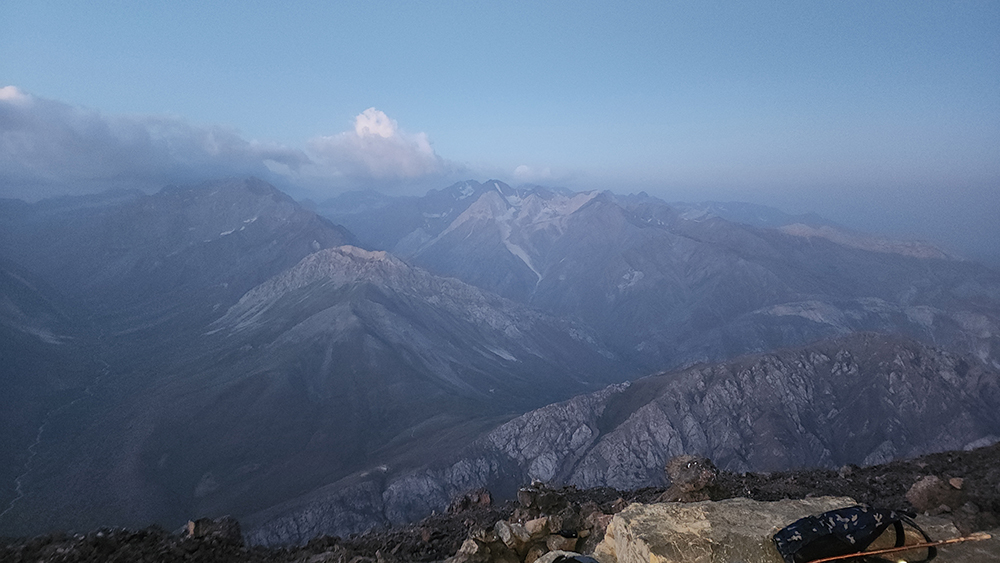
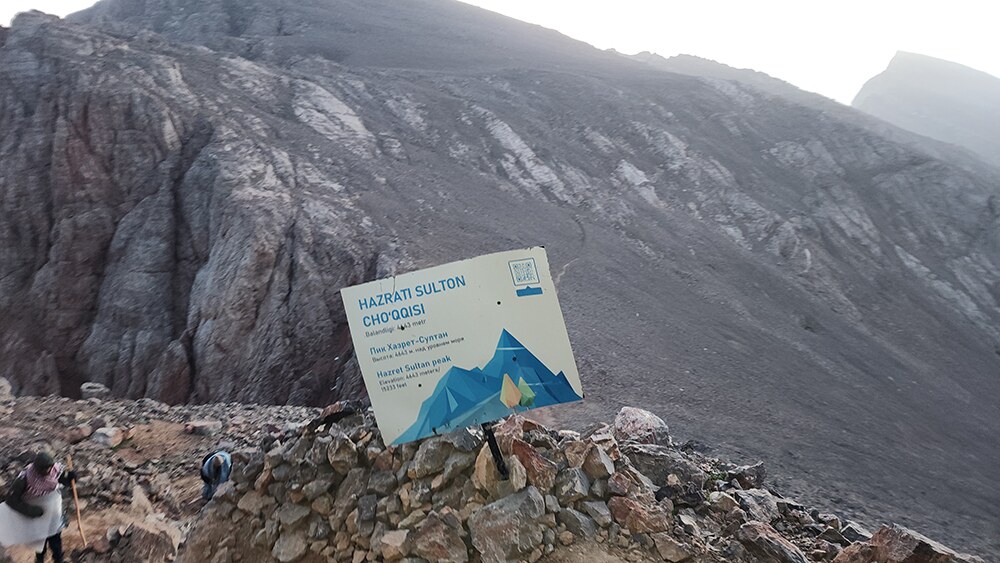
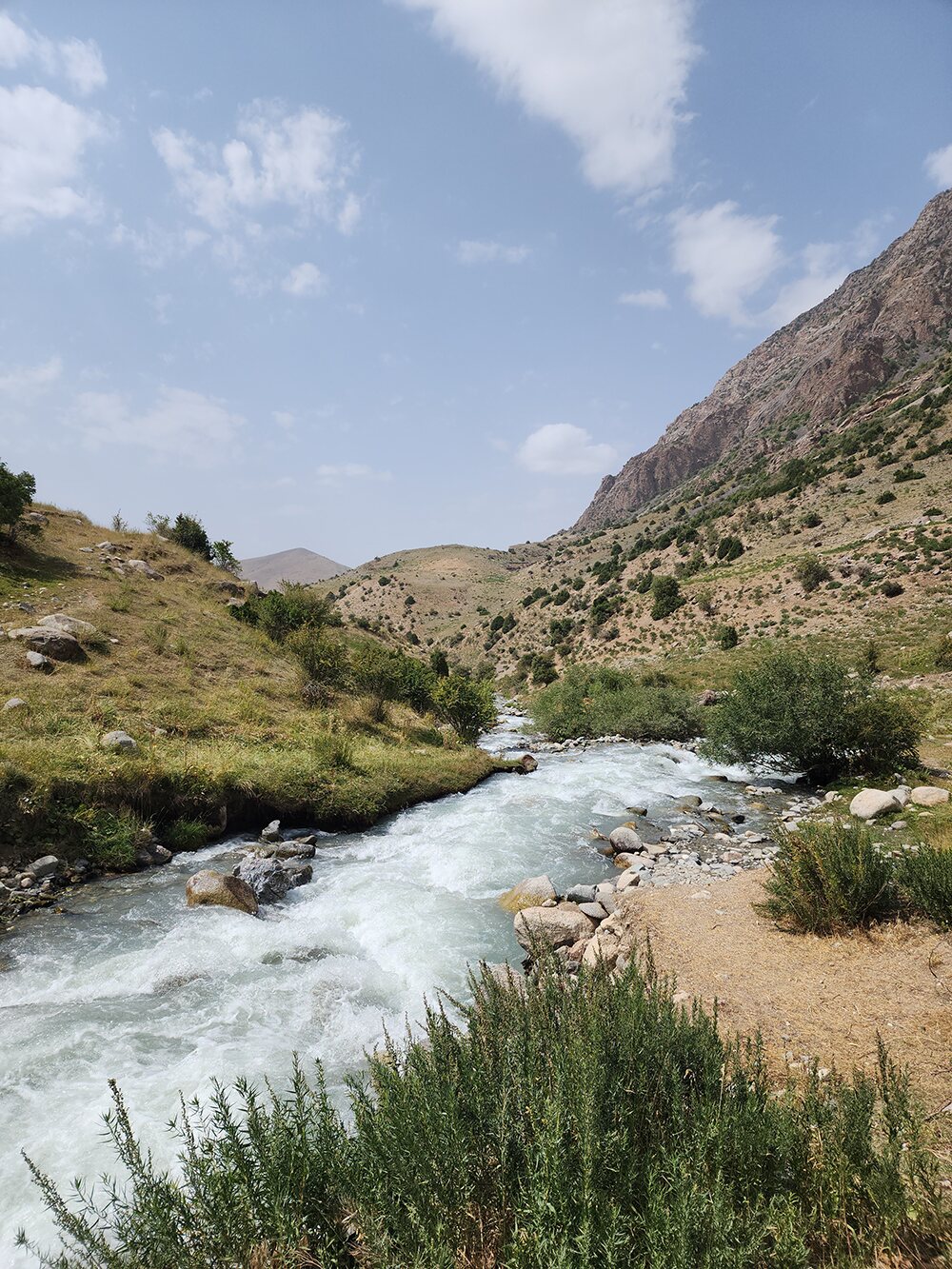
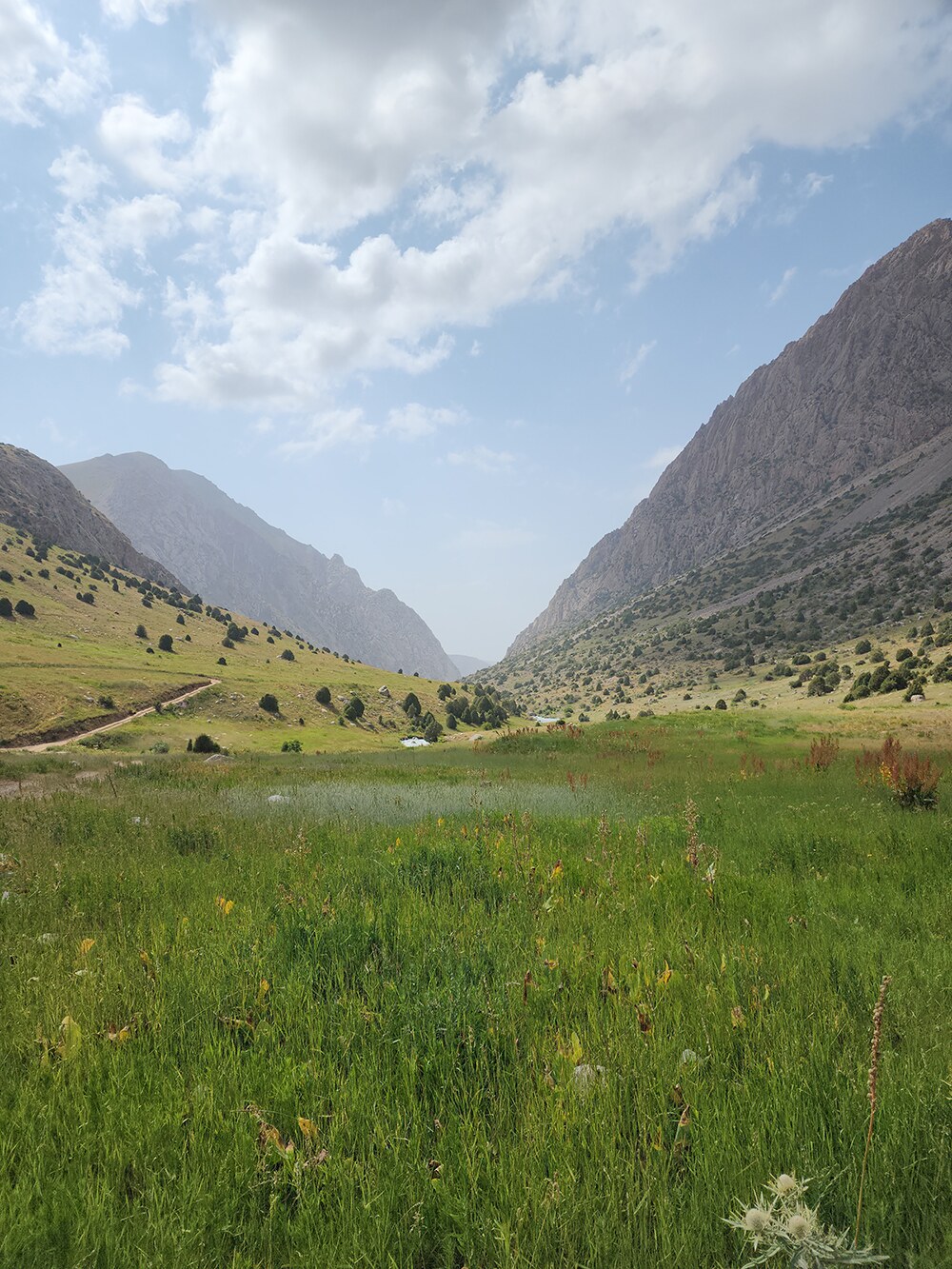
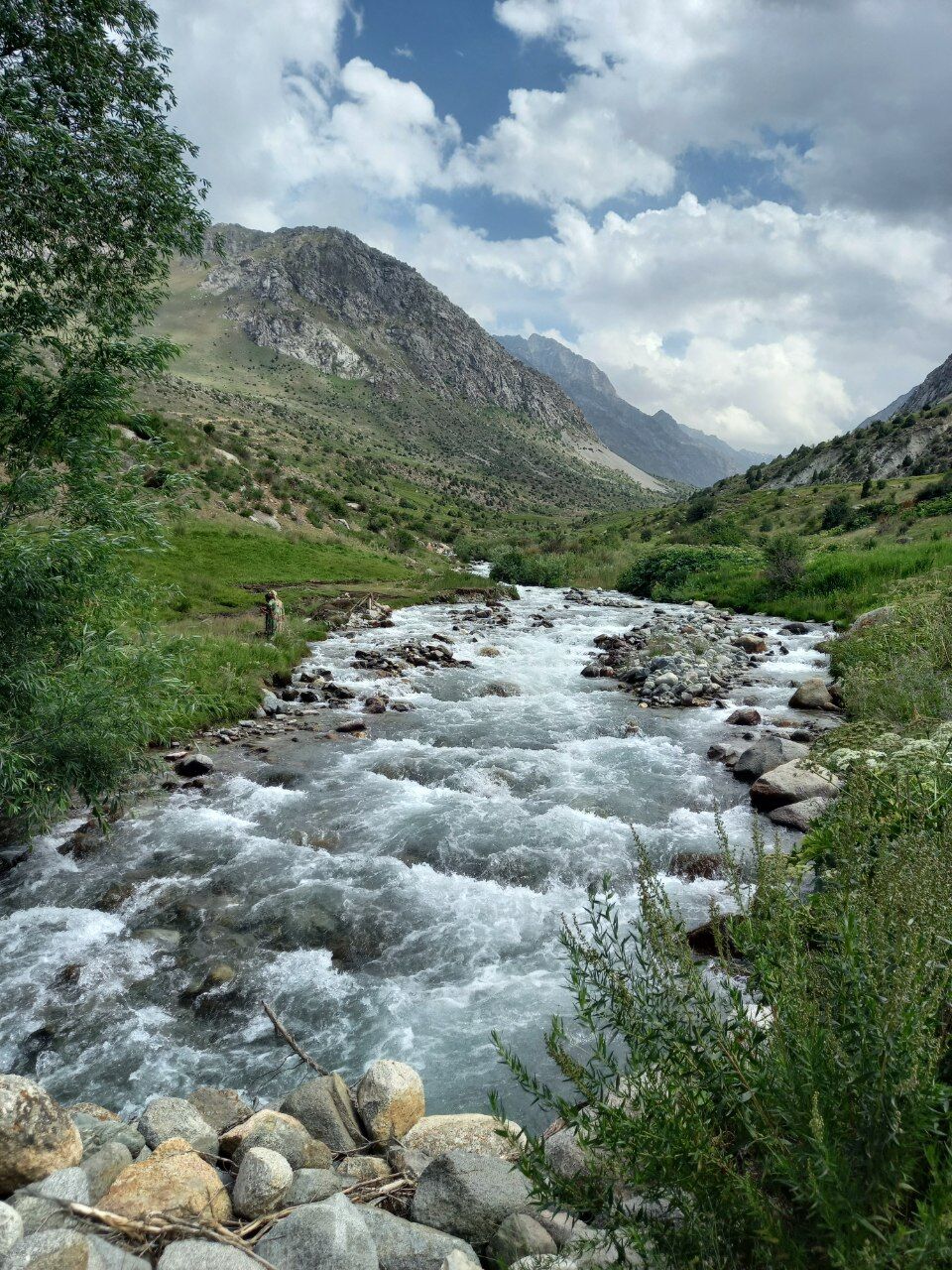
In the north-east of Kitab district there is Mount Hazrat Sultan, which is situated at an altitude of 4,135 meters above sea level and adjoins the top of Gova at the junction of the Zaravshan and Hisar mountain ranges [1]. This place is a shrine associated with the name of Hazrat Sultan, and the local people call it "Kohi tauba", "Avgayi Kiyamat" [2:37].
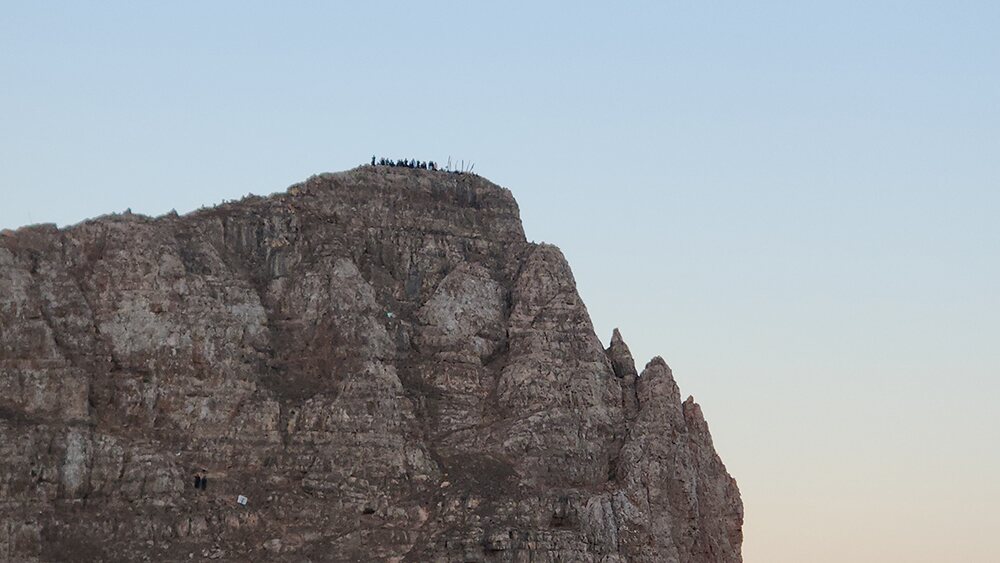
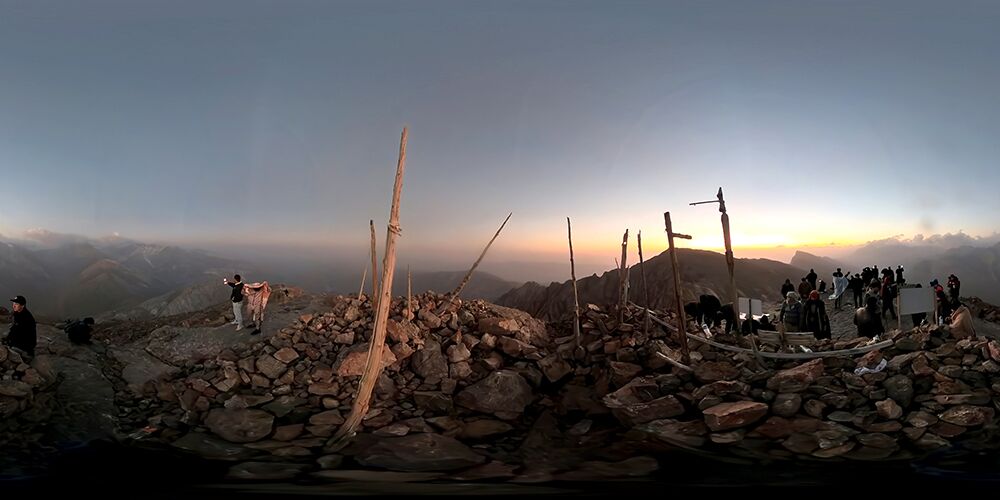
In the VII-VI centuries BC, or maybe earlier, local Sogdians (Zoroastrians) climbed Mount Hazrat Sultan and looked towards the sun. At that time, the name of this rock went down in history as the "Sogdian rock offering sacrifices." It is worth noting that to this day the sacrificial blood is still stored on the stone. During the time when the Sun rose and fell 2-3 times with some inexplicable tremor, a sacrifice was made during this period. At first, a small temple stood on this site, which was later demolished [3:132].
After the death of Caliph Muawiyah in 680, a movement against the Ummaites began in Iraq. The Shiites of Kufa invited Imam Hussein to Kufa as their imam and asked him to lead an uprising against Caliph Yazid. When Imam Hussein and his soldiers arrived from Mecca to Kufa, the seven thousandth army of the Caliphate met face to face on the plains of Karbala. On October 10, 680, Imam Hussein (RA) was killed by Sinan ibn Aus ibn Amir an-Nahai with a spear... Sinan himself dismounted from his horse and beheaded him. This unprecedented crime occurred on a Friday in the 61st year of the Hijri. This day coincided with Ashur [4:129]. Imam Hussein was buried in the Karbol steppe. This place is considered a Shiite shrine.
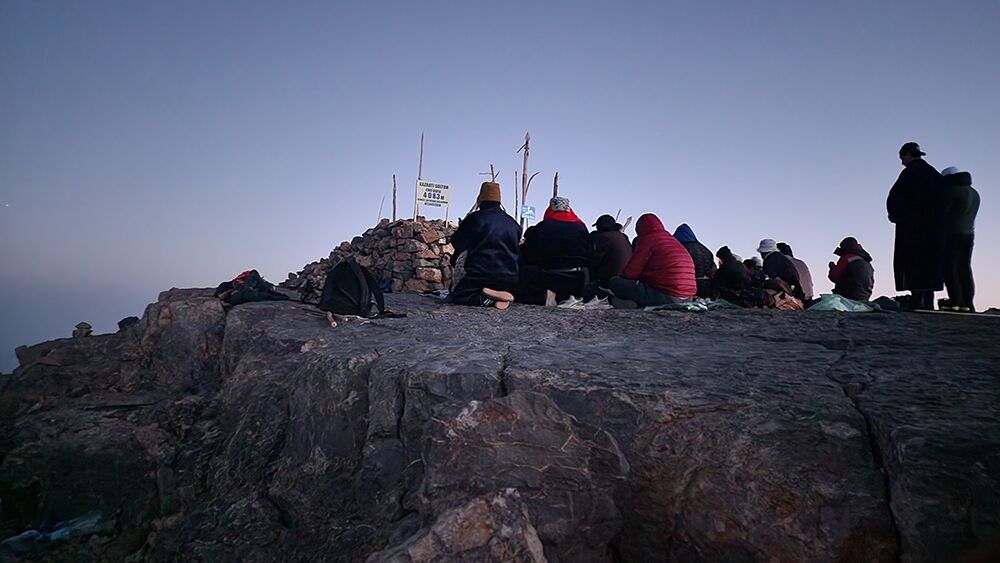
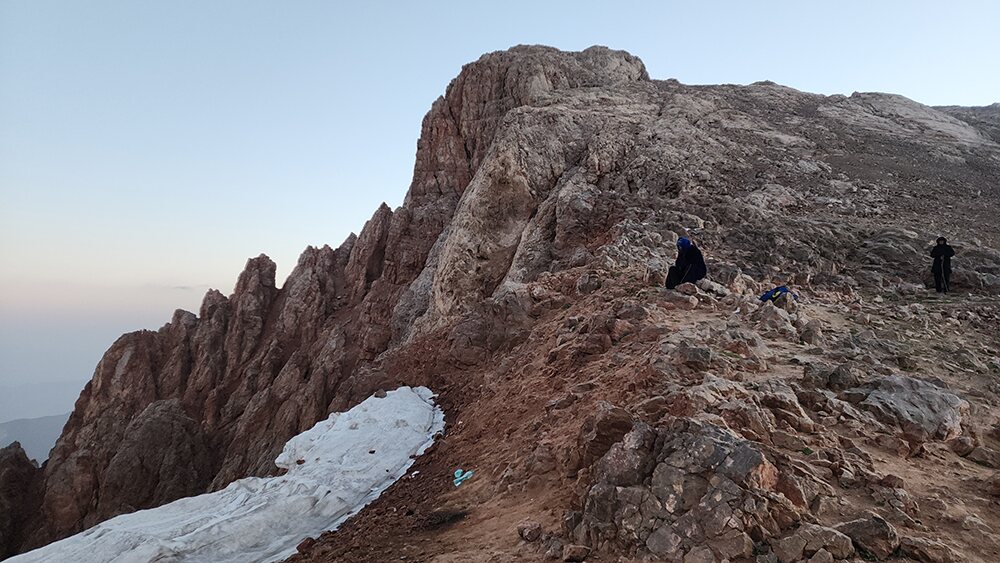
According to the stories, when Imam Hussein died in battle, his head was cut off from his body and brought to Yazid. The head of the army, Khoja Dawood, escaped with the head of his son Hussein instead of the head of Imam Hussein from Damascus. Gova leads to the top. He was supposed to be buried here. Having reached the top, his colleague Mubil ota also becomes a martyr [1]. The top of Mount Hazrat Sultan was smooth, as if the stone had been cleared for prayer by 70-80 people, and on the side of the platform from the qibla side there was a cave where the head of Imam Hussein was said to have been placed [5:34 ].
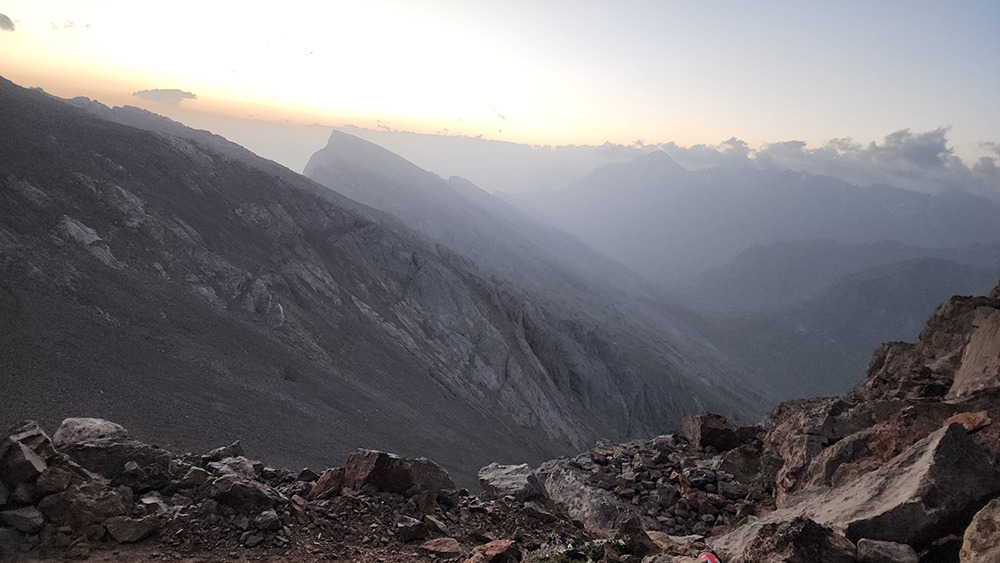
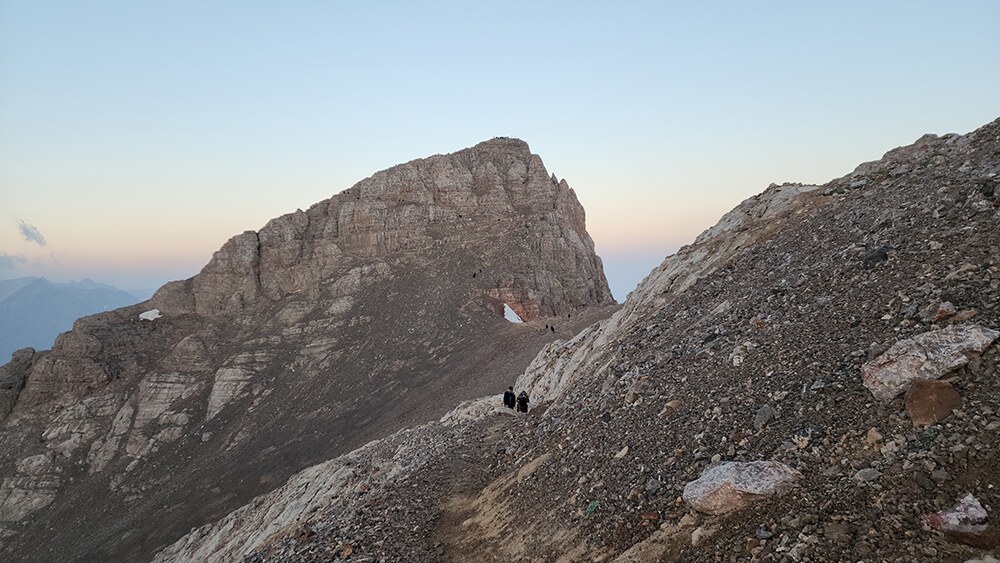
Mount Hazrat Sultan, which has a long history behind it, still retains its greatness and stands out from afar. Another phenomenon that enhances the greatness of the mountain is that the sun rises two or three times when looking at the horizon from the highest peak. Apparently, it seems that he is struggling. In fact, the reason for this is the oscillation of the Earth around its axis by 3-6°. At sunset, the mountain looks red, as if it is on fire. Another phenomenon that enhances the appearance of the mountain is the appearance of a stone in the shape of a human head when the sun goes down behind the mountain, as seen from the old place of Kabzakhana village there [2:38]. Hazrat Sultan Peak has attracted pilgrims since ancient times with its mystery and attractiveness.
According to the book Musibatnam, Imam Hussein's head was carried off by a Raven and a Mastura, and in the story of Hazrat Sulton, it was carried off by Khoja Dawud Damascus. One of the two Muhibi families fled to Karbala, and the other to Hisar.
In ancient history, the graves of the founders, well-known people and wrestlers were kept secret. Dafi's location is shown in several places. This was done so that the enemies would not steal the corpse and torture it. The "funeral" of the holy heads of Imam Hussein, traveling the world and creating stories related to them are not without the above thoughts. It is not surprising that the "bringing" of Imam Hussein's heads to other places was one of the events organized by the muhibs to distract Yazid's army. In Karbala, Imam Mohammadi Hanifa personally participated in bringing the heads of his brothers to their bodies, which can be understood as a real head to their bodies, that is, in Karbala. Another interesting aspect of the case is that the Mukanna uprising took place between 774-783, and Imam Hussein was martyred in the Karbala desert 94 years ago [3:141-142]. Therefore, we can say that the history of Hazrat Sultanton was written later and this place was turned into a shrine. Mount Hazrat Sultan is considered a place of pilgrims.
Also in the village of Hazrat Bashir in the mountainous area of Kitab district there is an archaeological monument (15th century) associated with the name of Hazrat Sultan Said Ahmad (1368-1464) associated with the location of Shohak", and this road leads to the shrine of Hazrat Bashir, and the other to Samarkand[6]. The mystery of Mount Hazrat Sultan still amazes mankind. The mountain is located in the northeast of Kitab district and is the 5th highest in the republic. It is located at an altitude of 4,135 meters above sea level and borders the Republic of Tajikistan 82 kilometers northeast of Kitab. It is adjacent to Gova Peak at the junction of the Zaravshan and Hisar mountain systems [6].
This place is visited by many pilgrims and locals from different regions of the republic. Since ancient times, the mountain has been considered a wonderful place, and the locals called it "Kuhi tavba", which means "a place of repentance for sinners." The coolness of the mountain air in the summer season is perfect for pilgrims to visit the shrine of Hazrat Sultan from July 20 to August 20.
LIST OF USED LITERATURE
- Полевые исследования. - Китабский район Кашкадарьинской области. 10 августа 2024 года.
- Пармонов О., Бердиев А. Китоб тумани ҳақида лавҳалар. – Тошкент: Фан, 1996.
- Бердиев А. Саёҳат ва зиёратнома. Сирли Ҳазрати Султон тоғи ҳақида. Тошкент: Тафаккур чаманзори, 2023.
- Шайх Муҳаммад Содиқ Муҳаммад Юсуф. Тасаввуф ҳақида тасаввур. − Tошкент: Hilol-nashr, 2016.
- Шайх Муҳаммад Содиқ Муҳаммад Юсуф. Ислом тарихи. Иккинчи жуз. – Tошкент: Hilol-nashr, 2018.
6. Информация Управления культурного наследия Кашкадарьинской области. − Город Карши. 8 августа 2024 г.