SIYPANTOSH MONUMENT (Chiroqchi district)

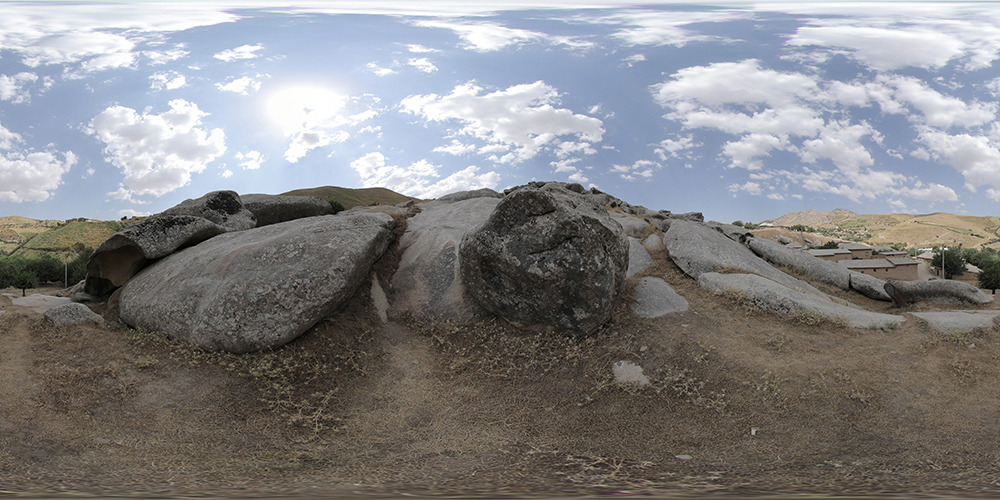
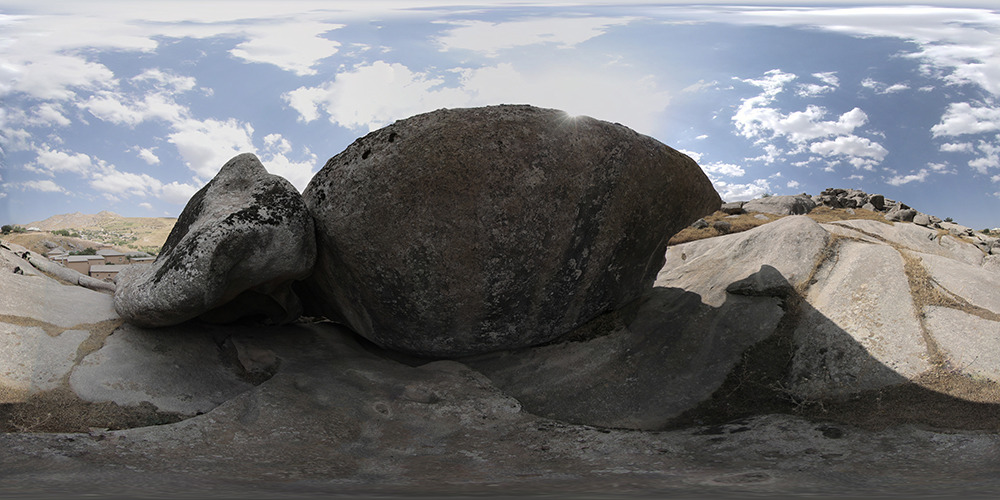
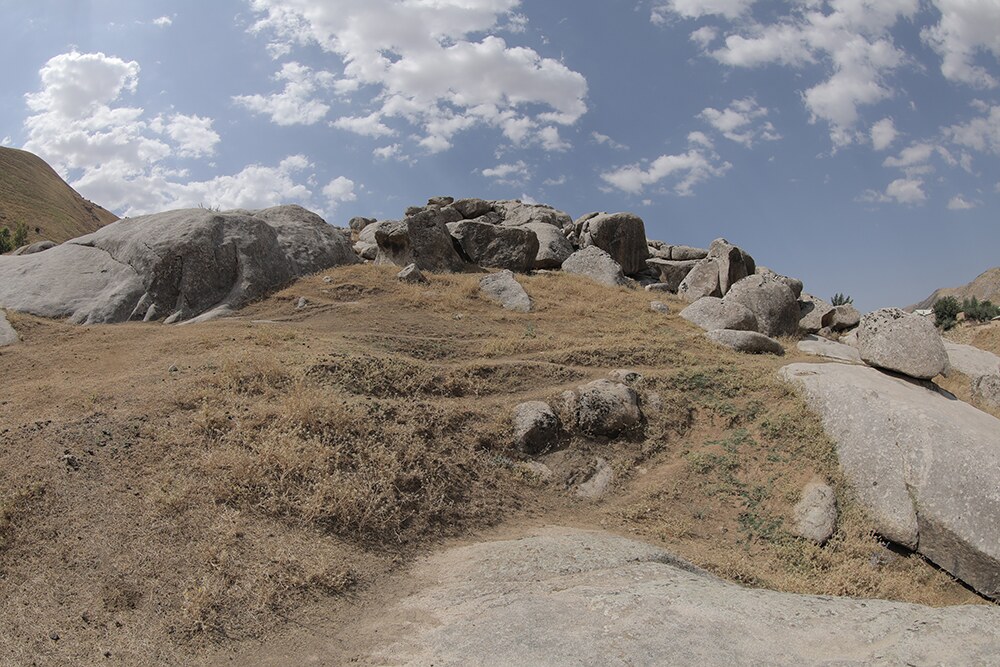
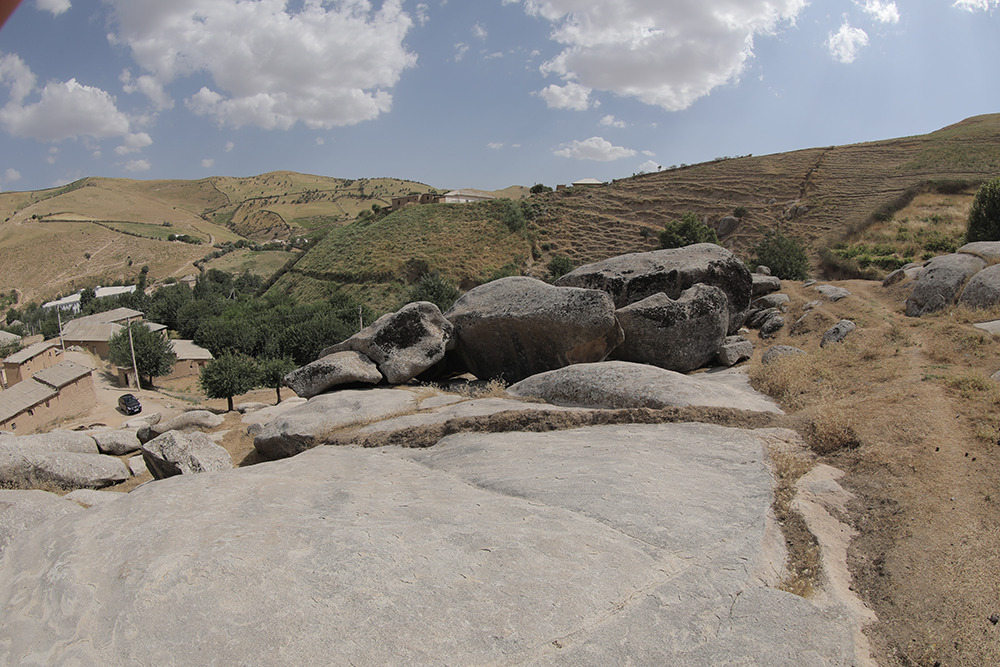
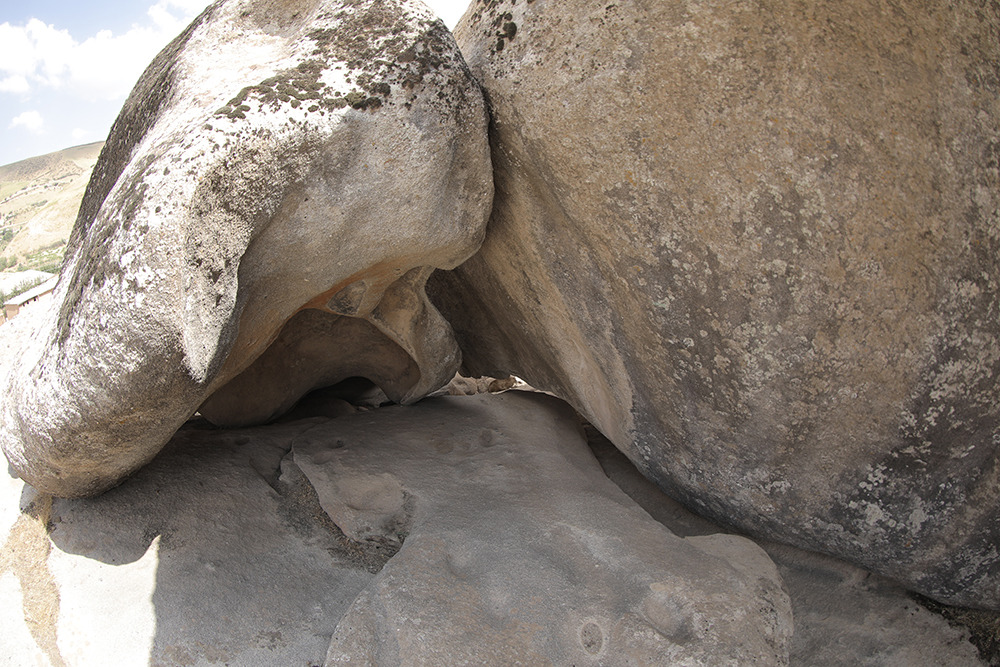
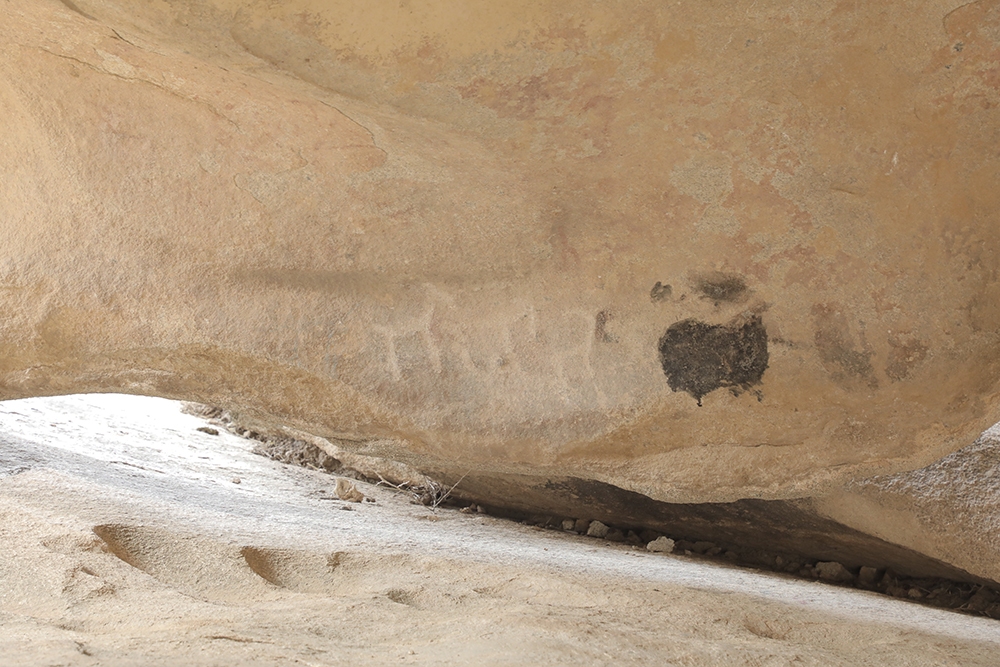
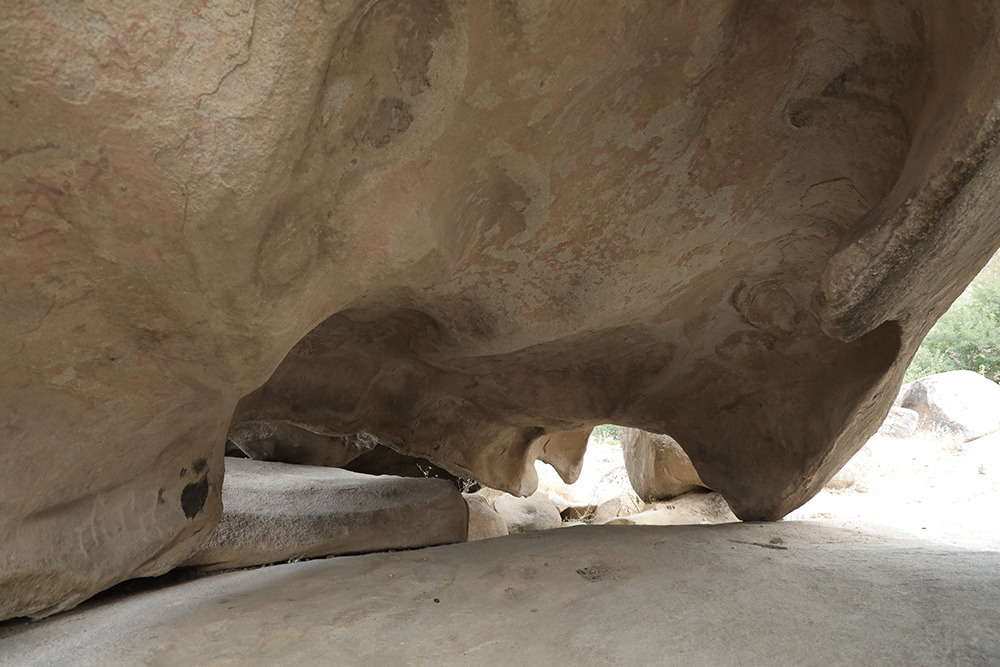
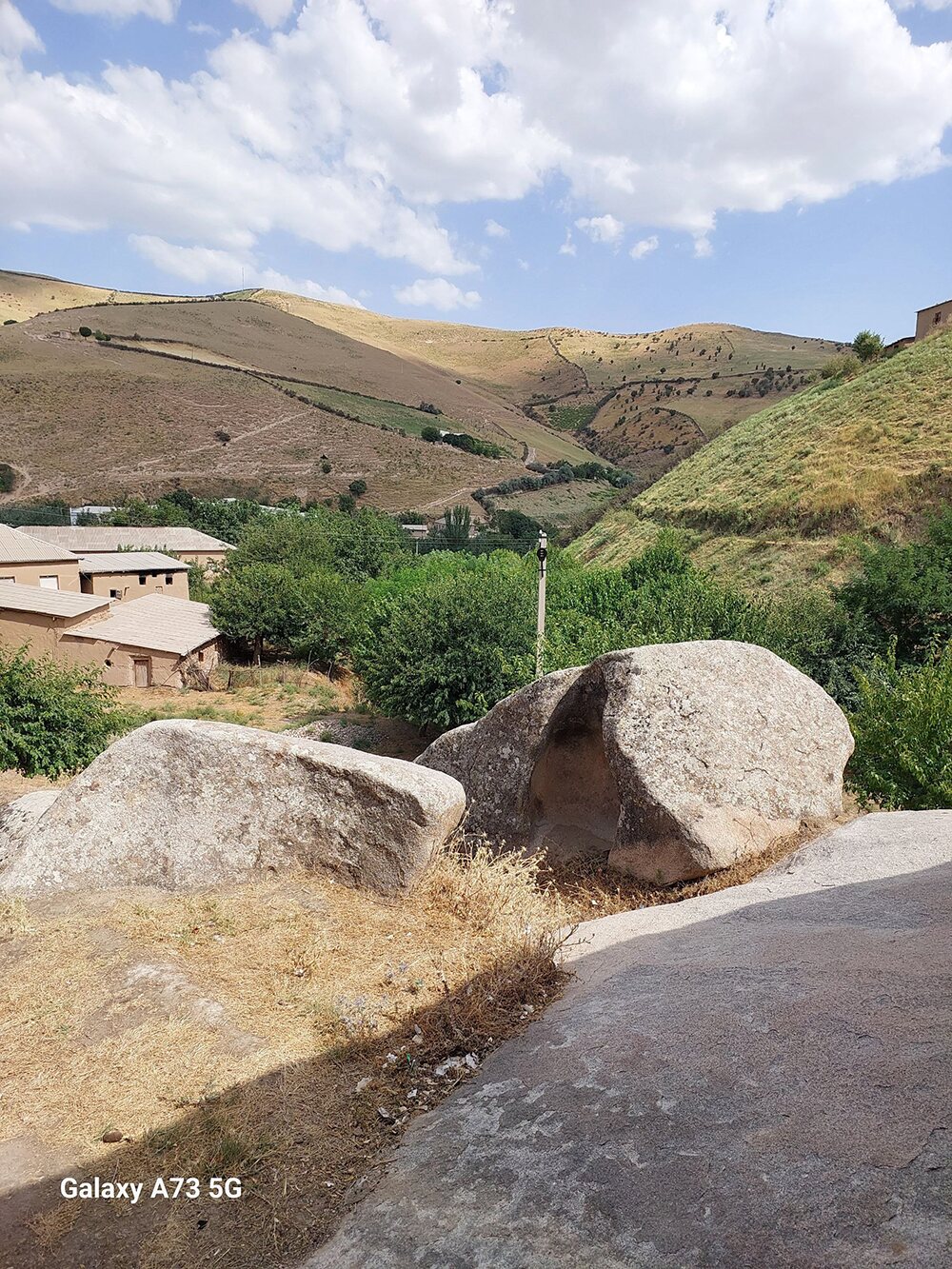
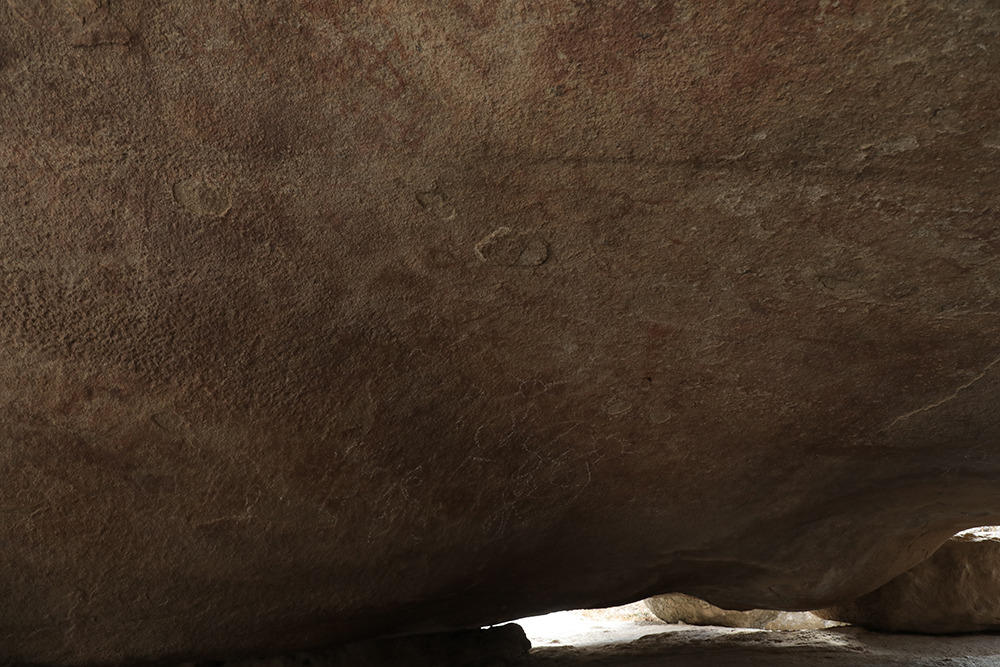
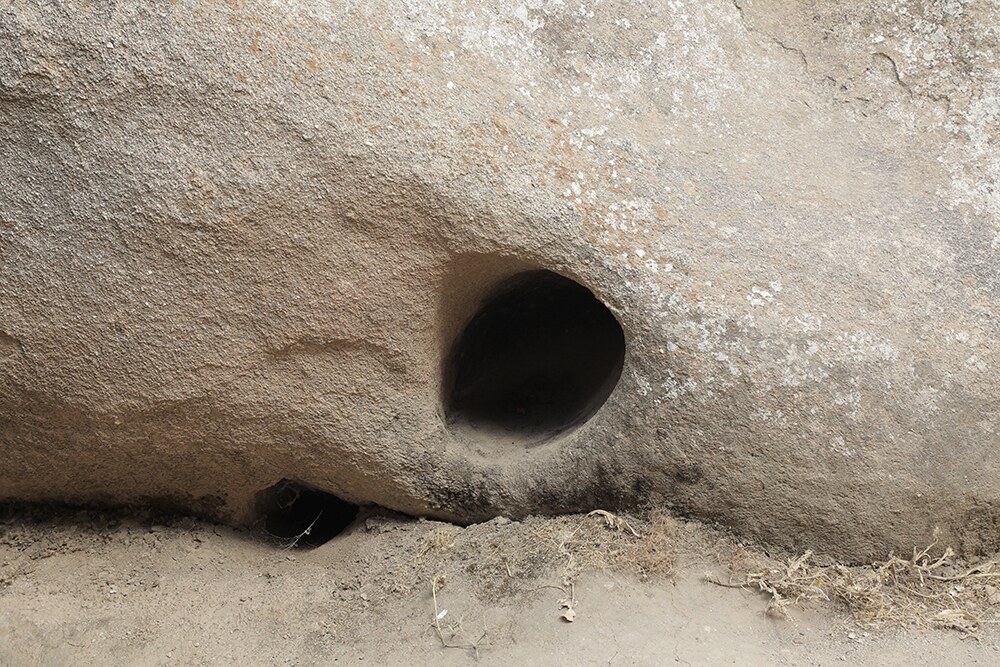
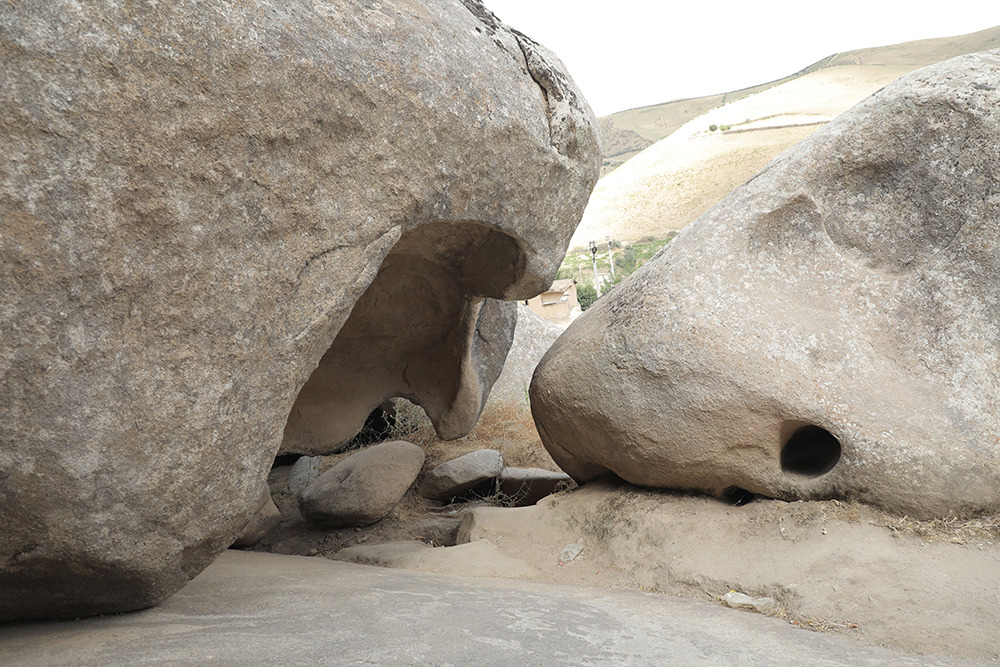
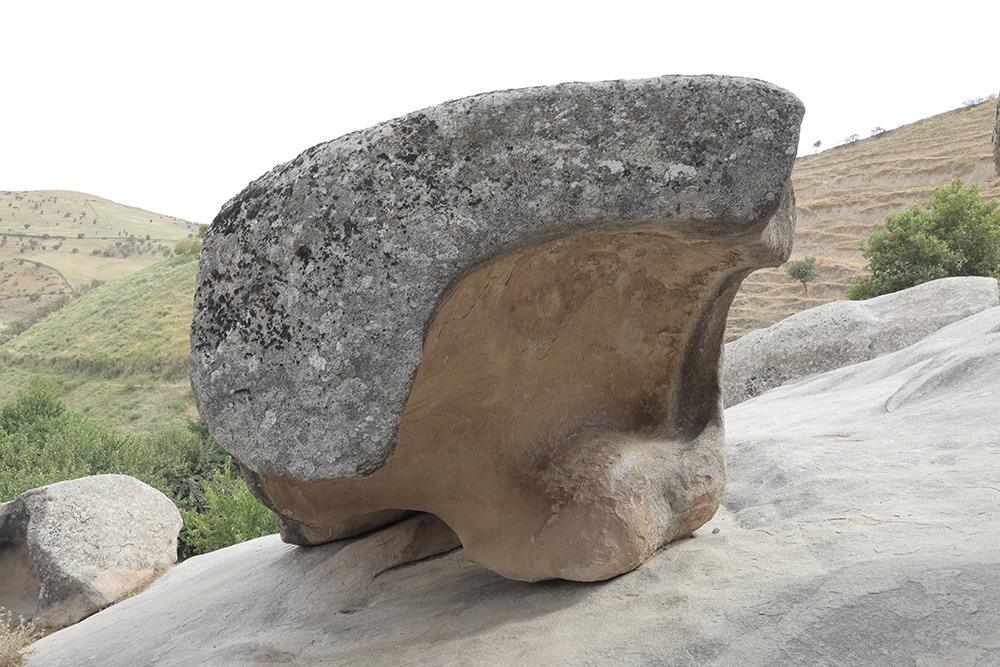
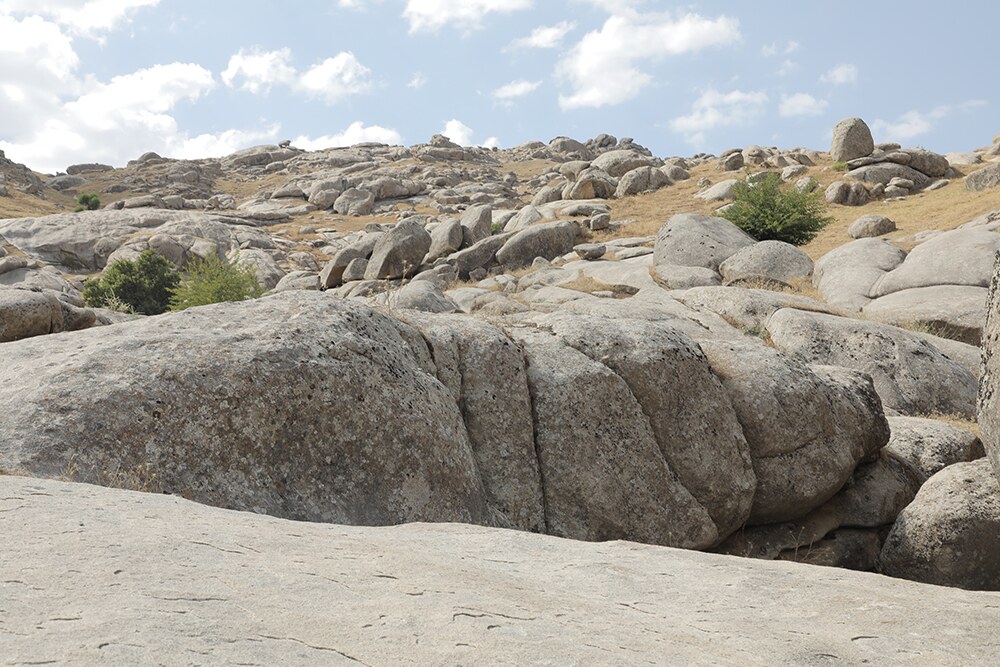
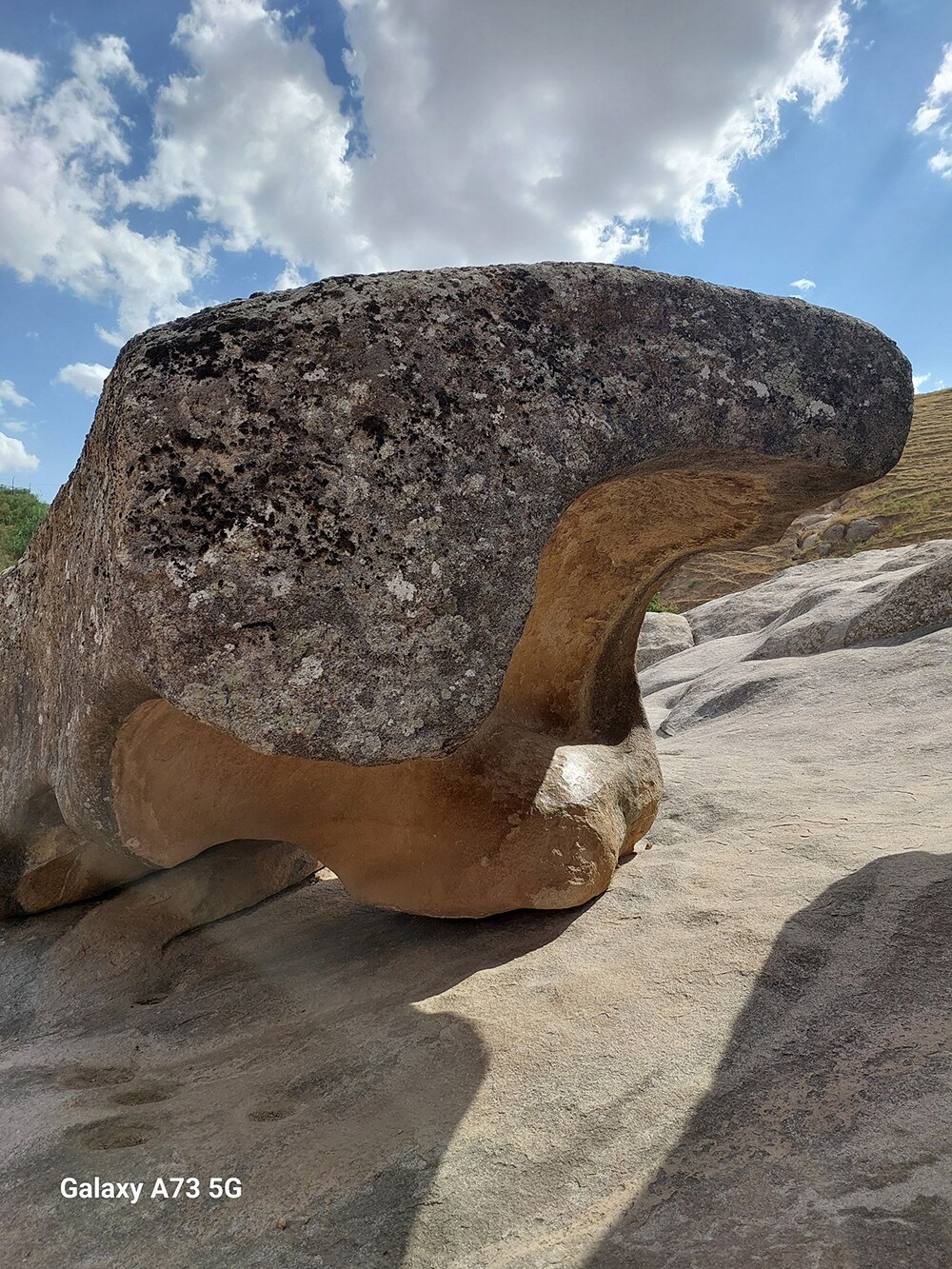
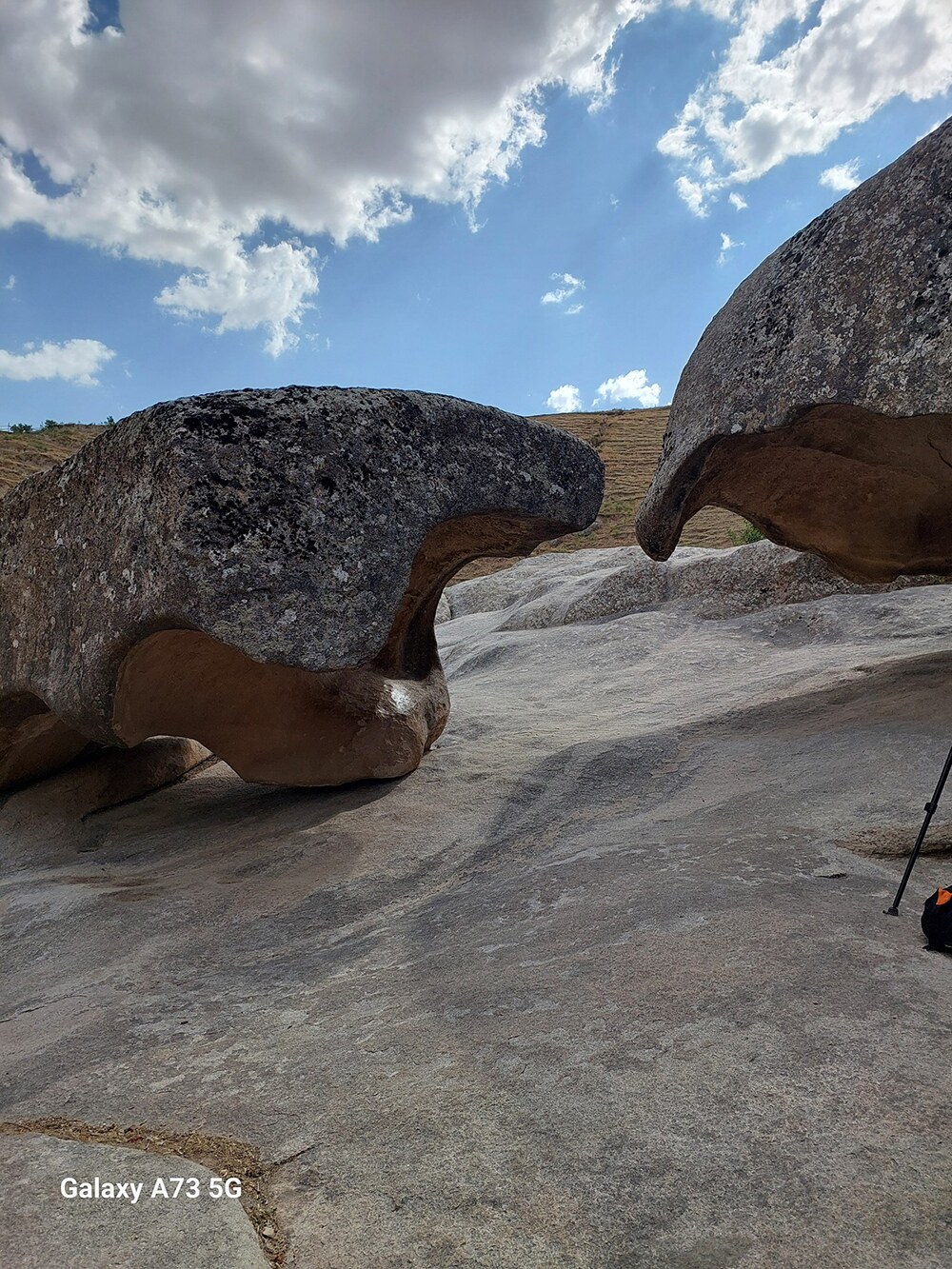
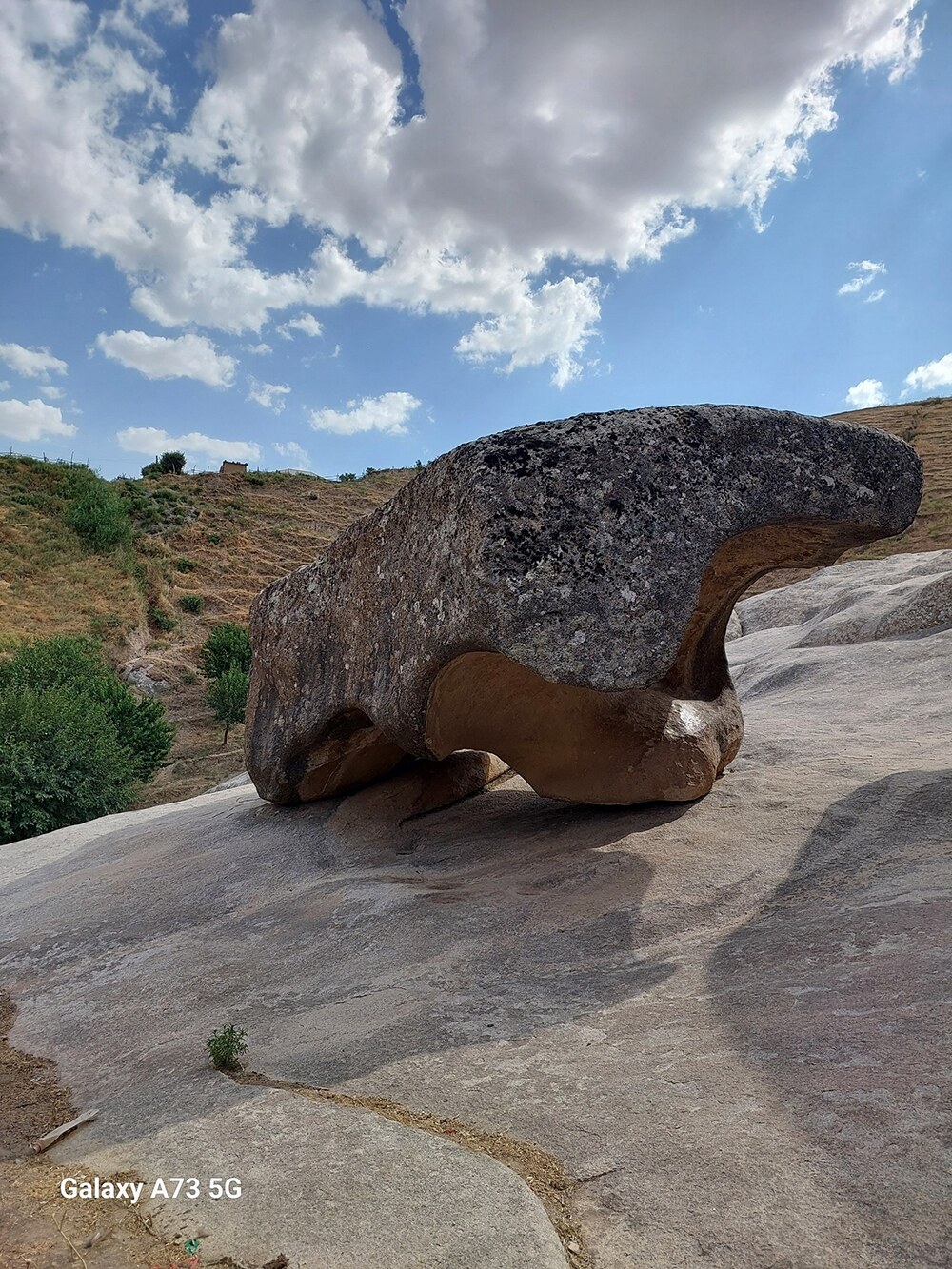
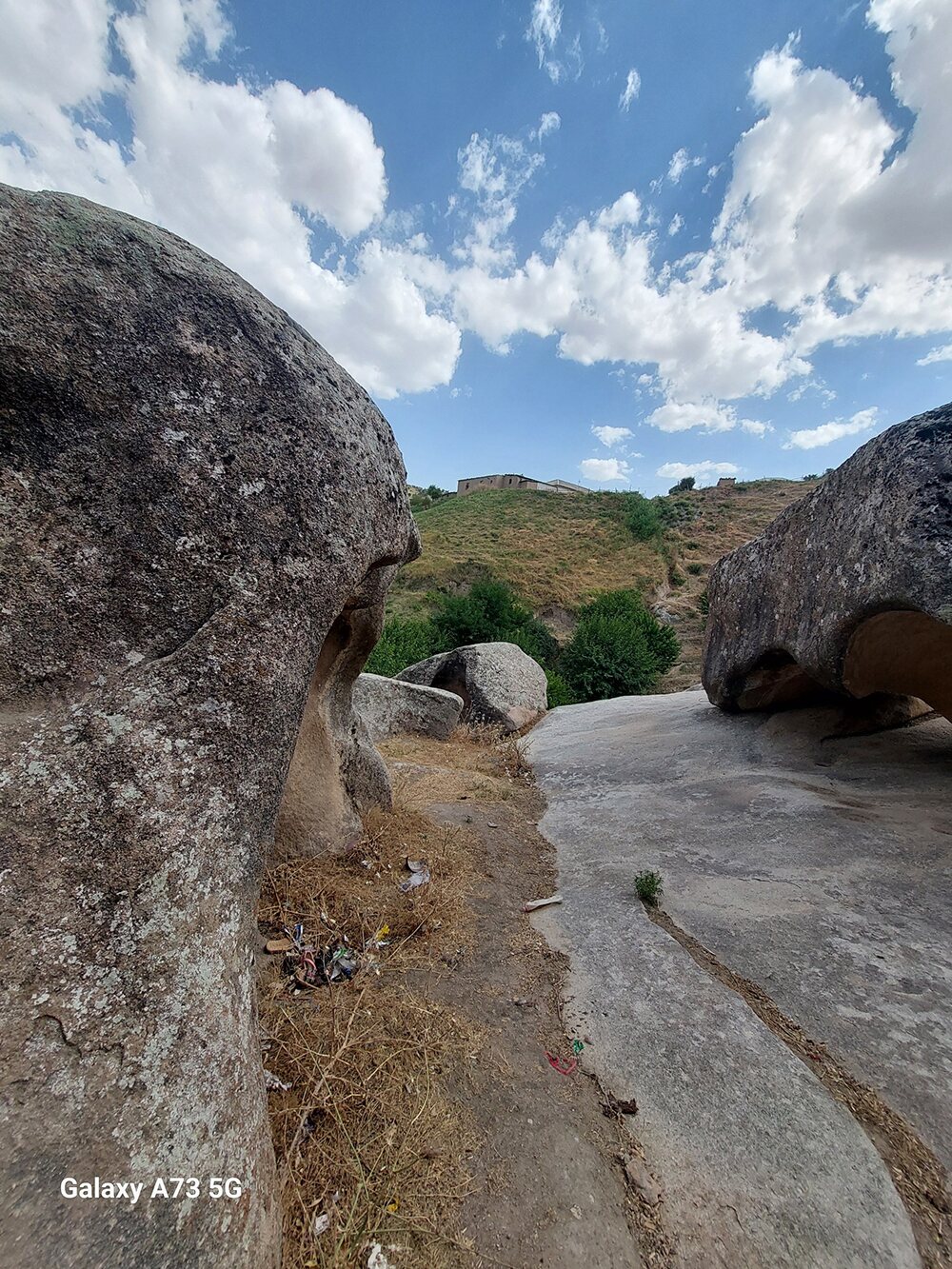
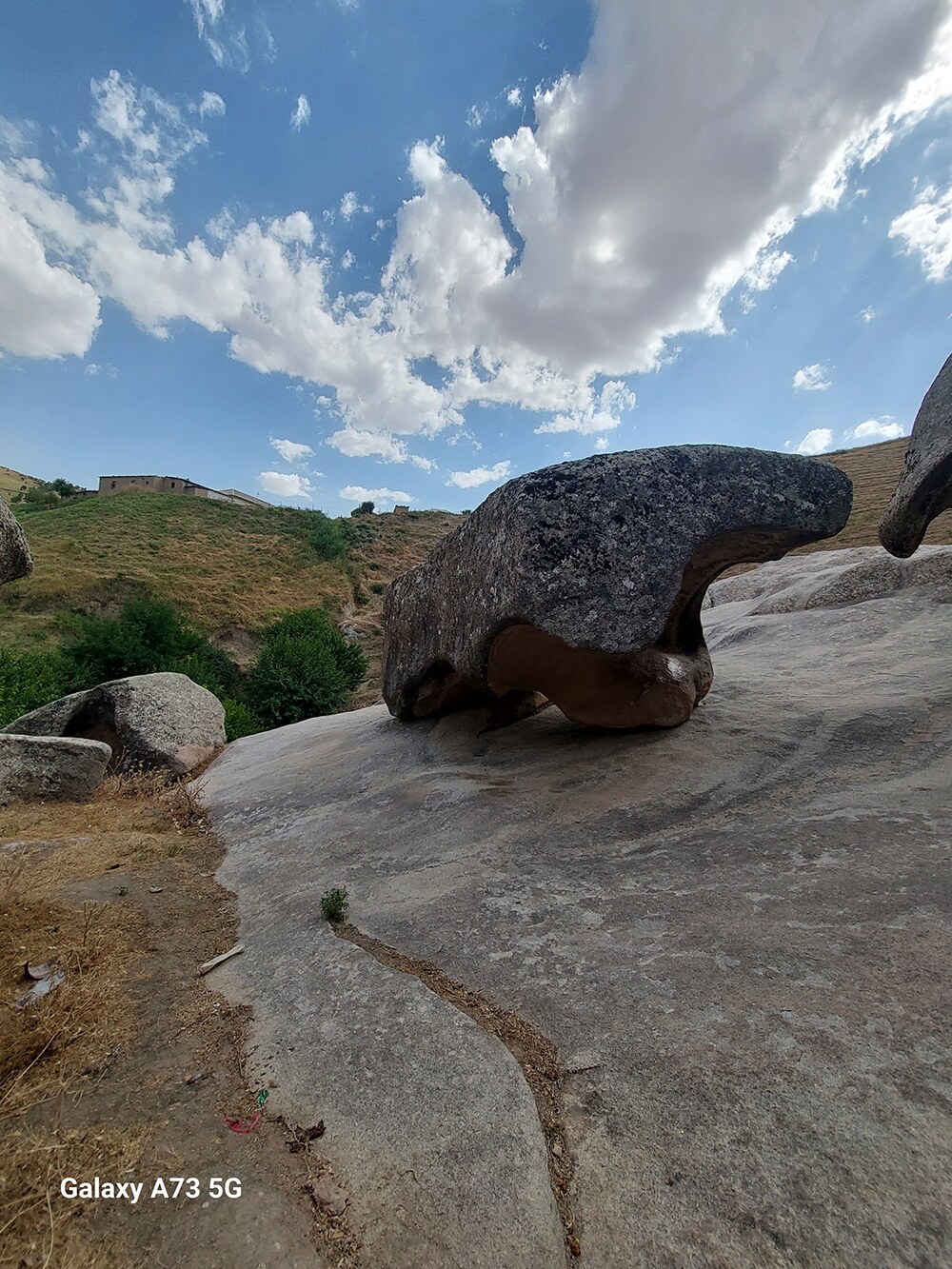
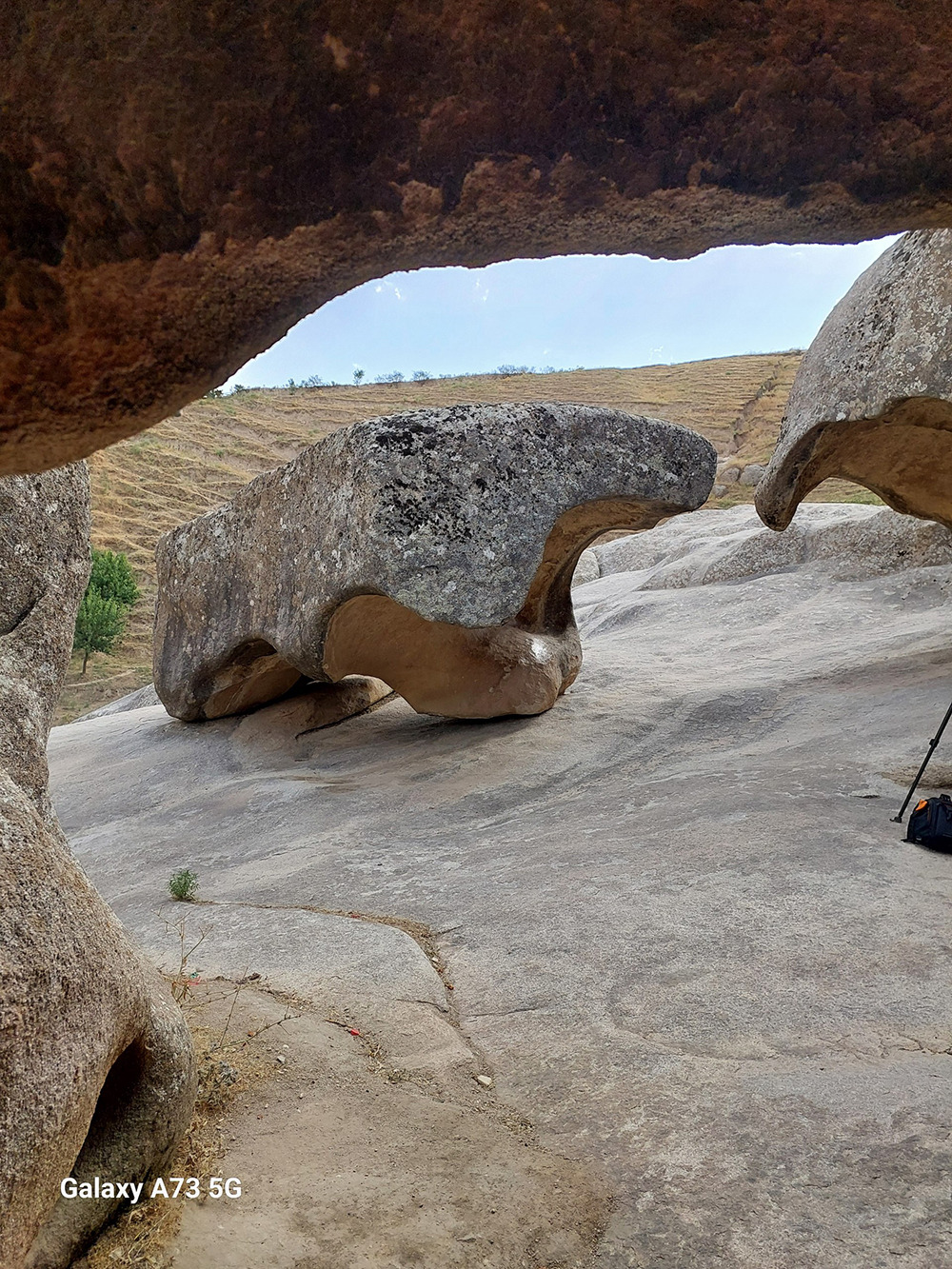
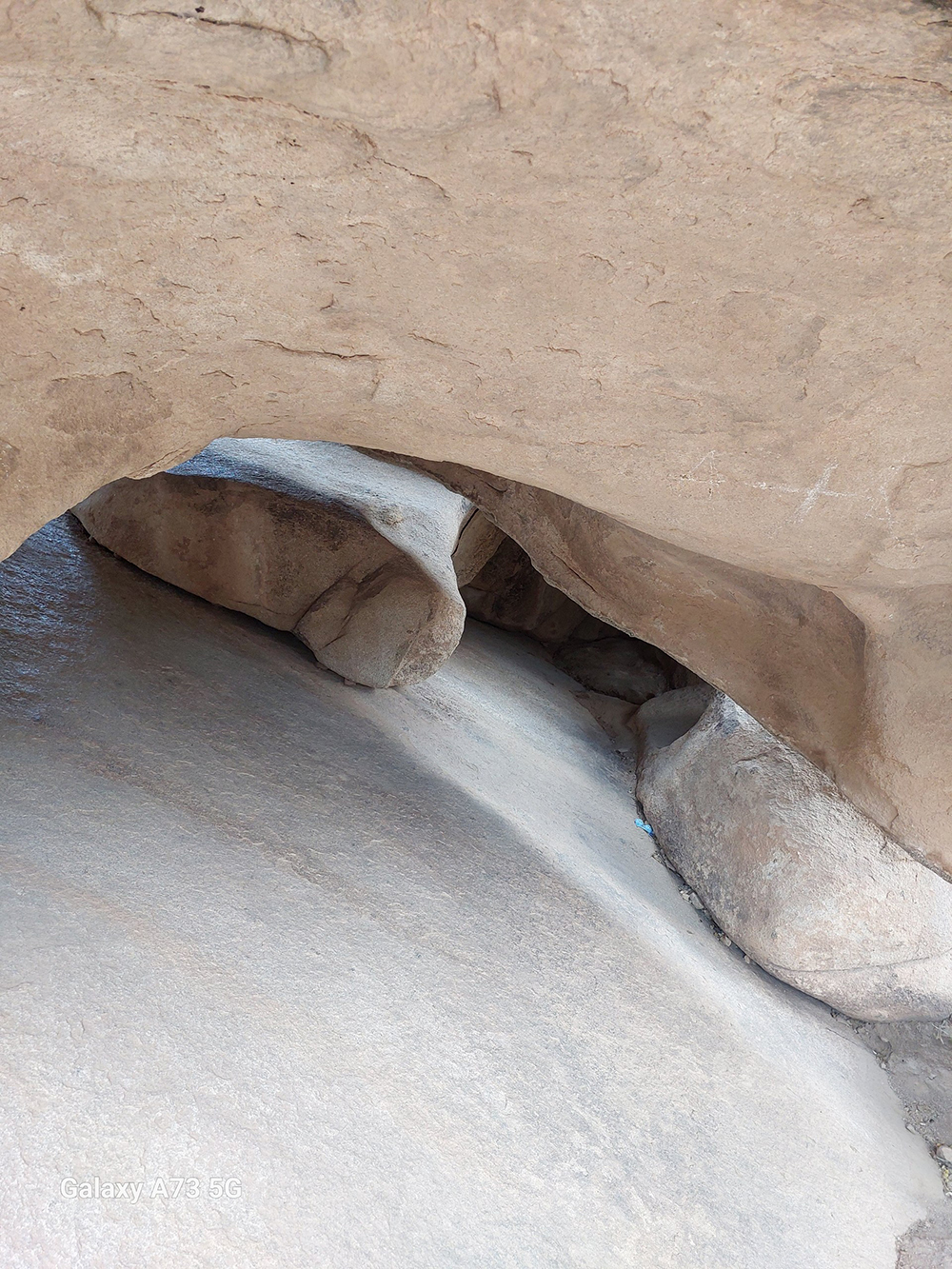
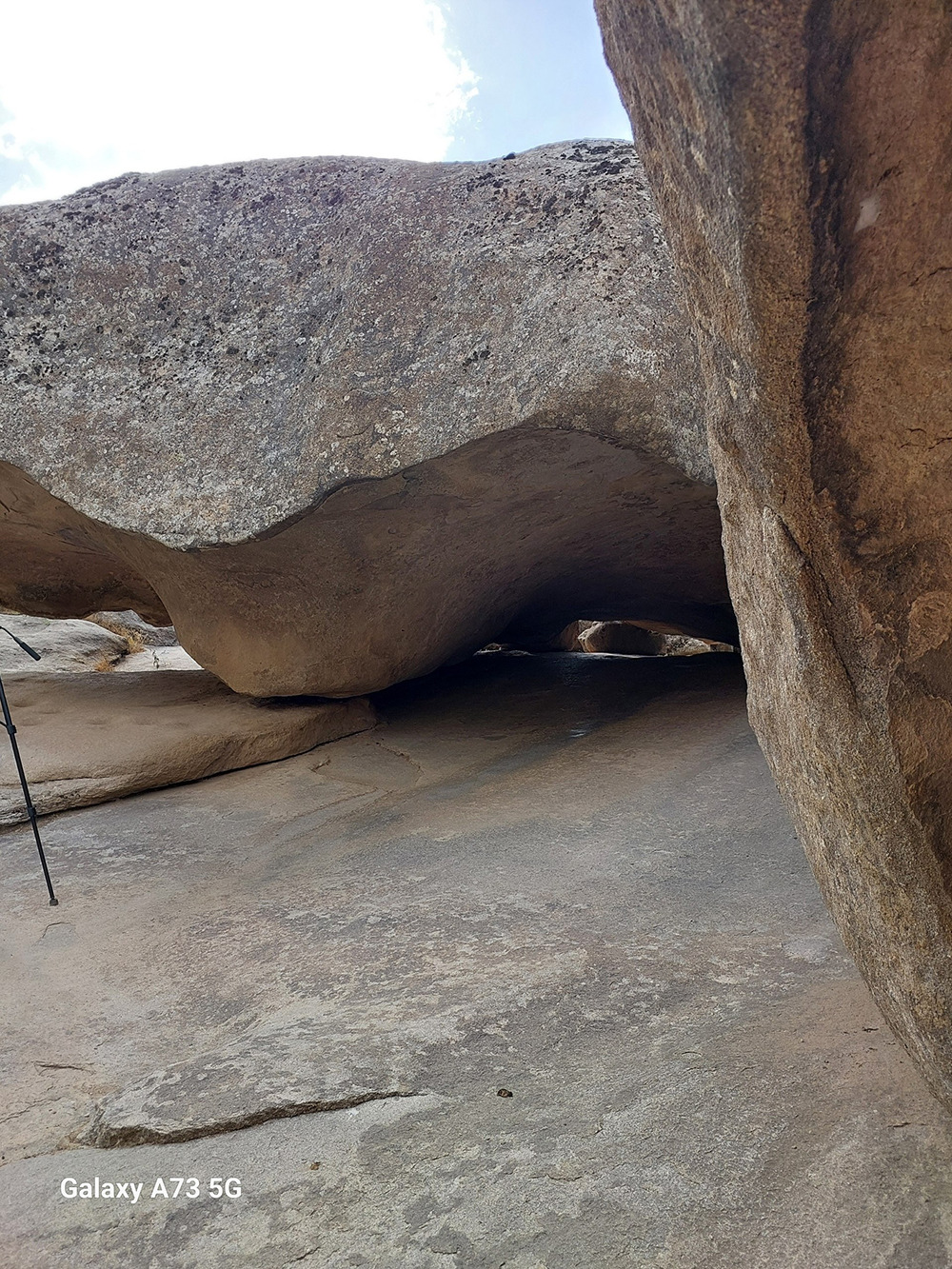
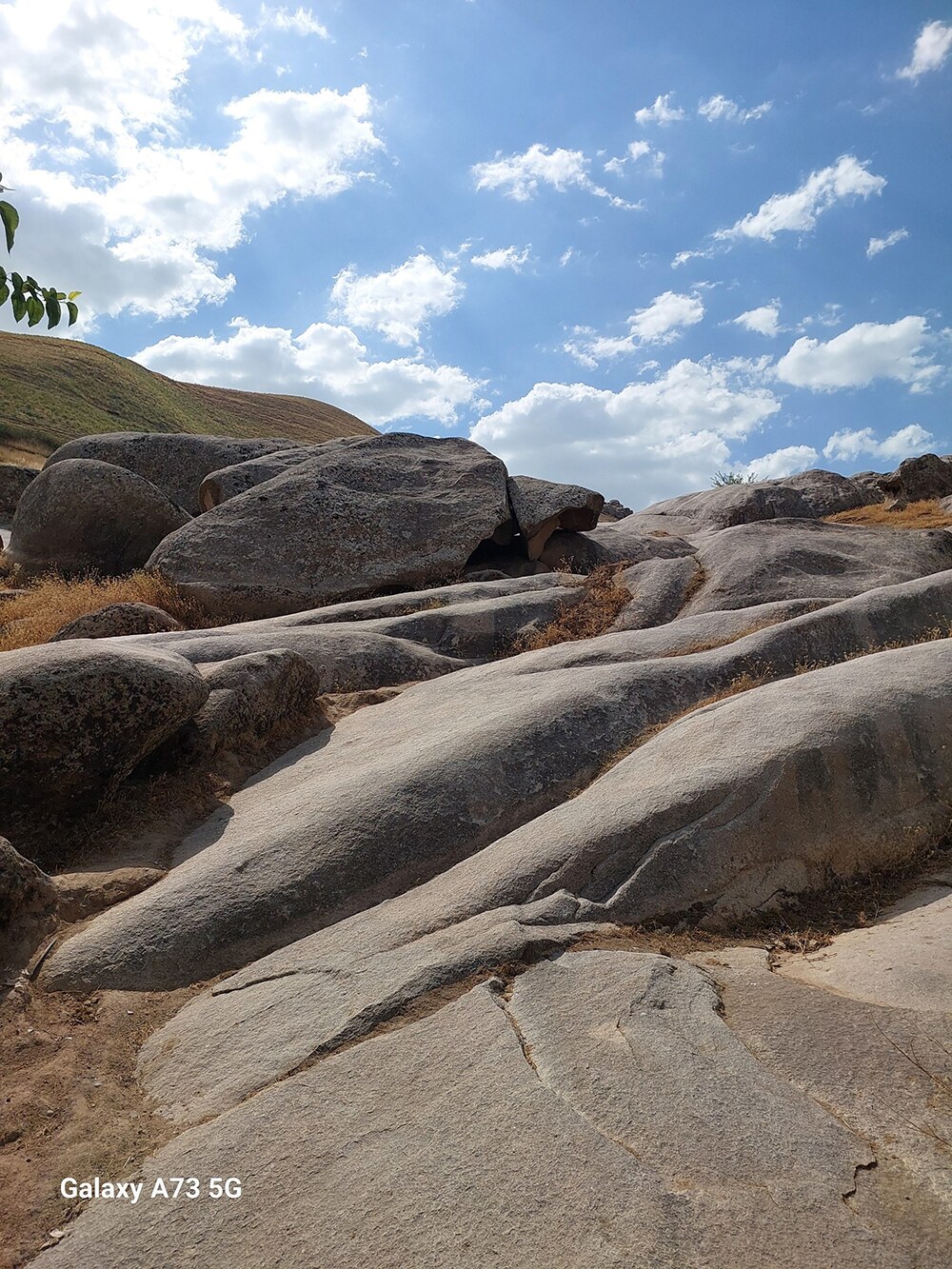
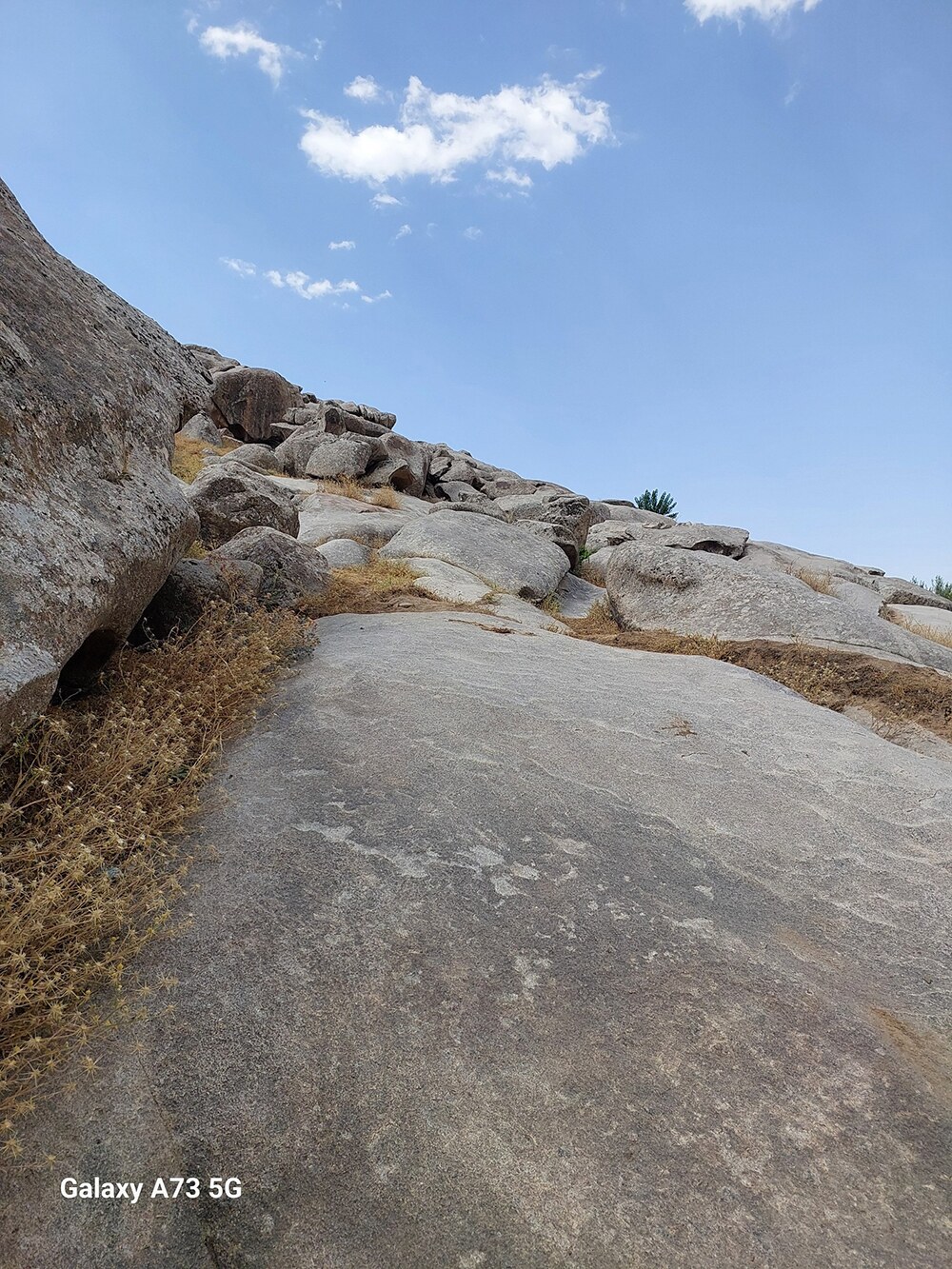
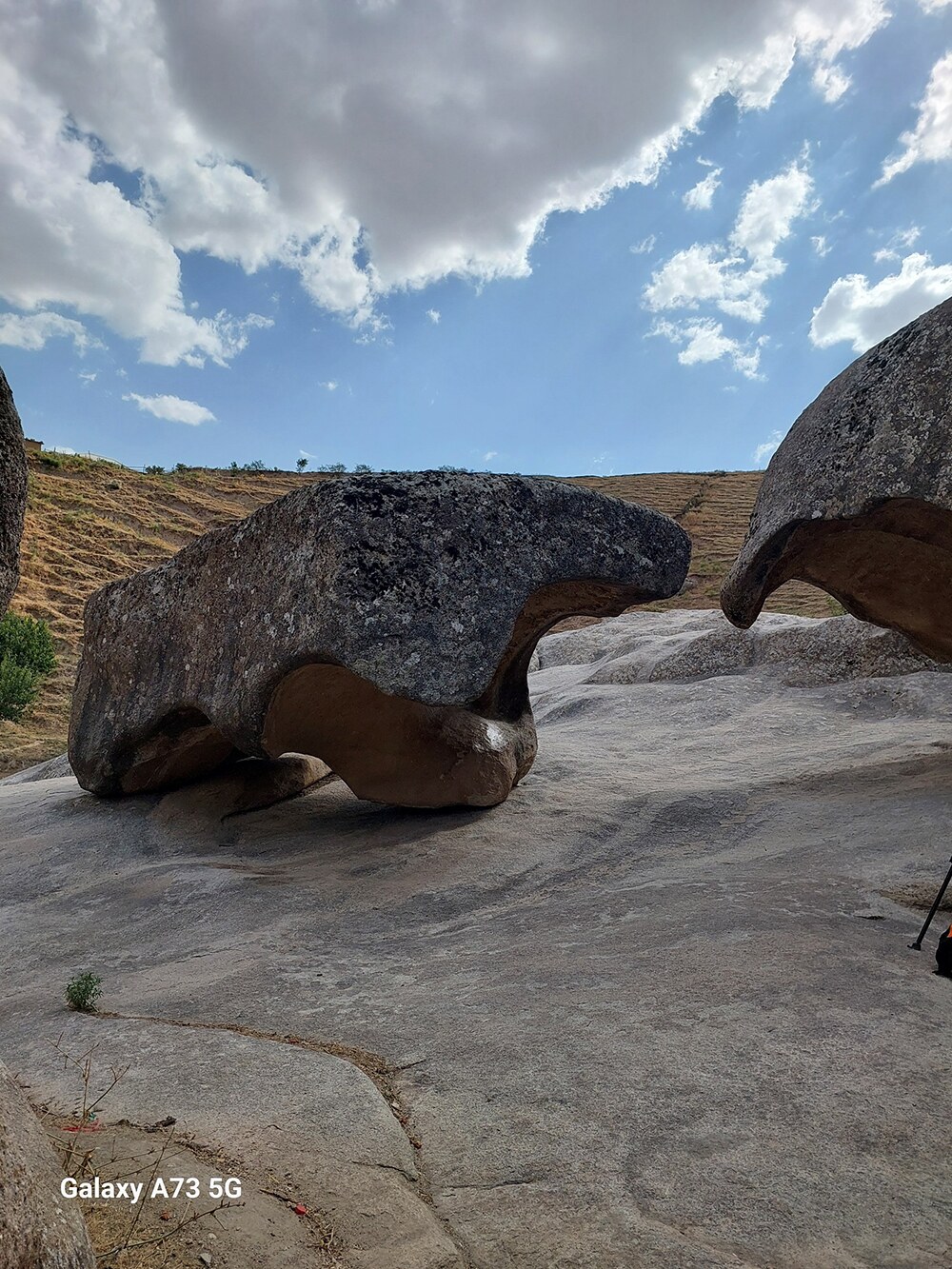
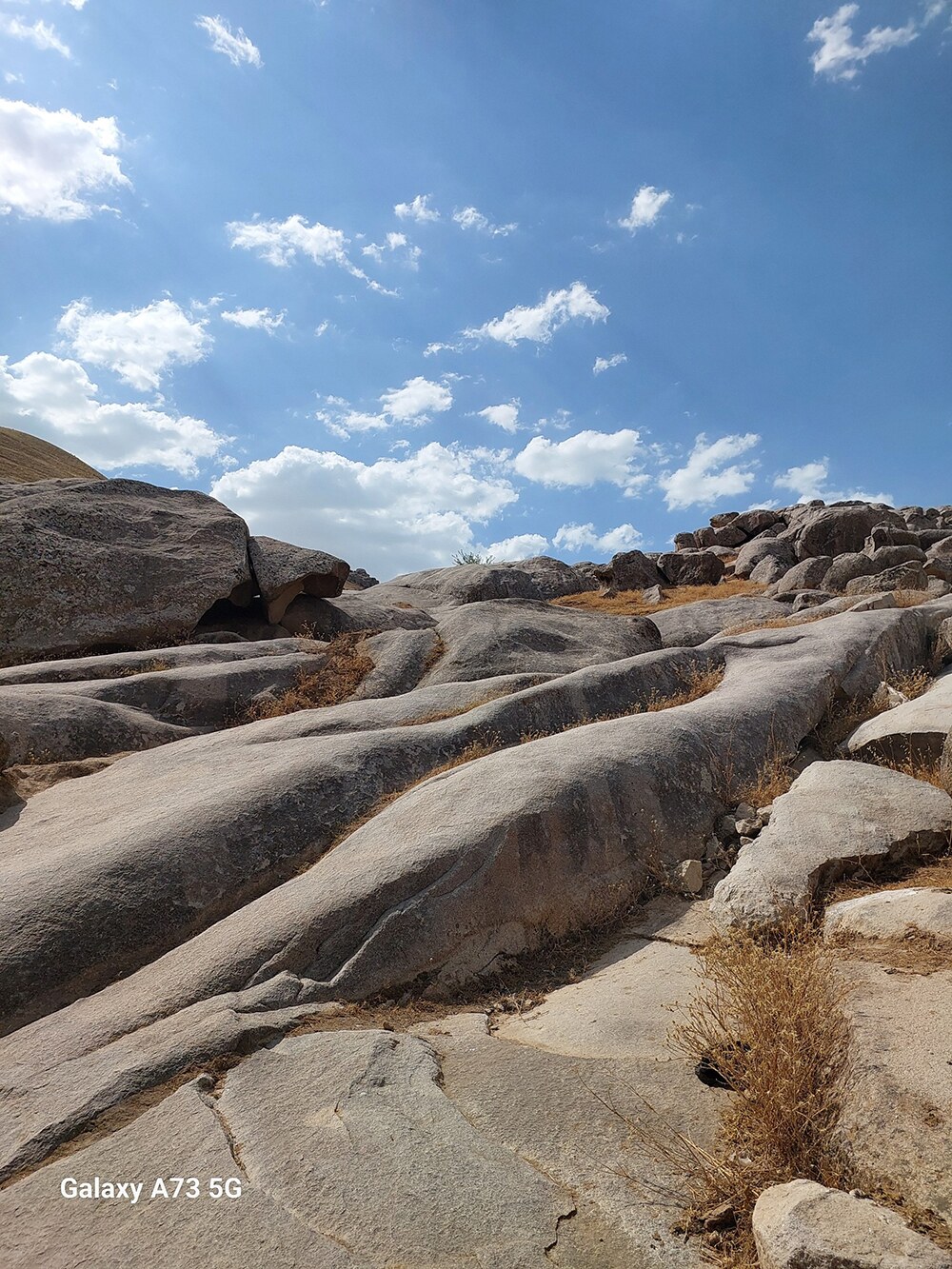
In the Chirakchi district of Kashkadarya region, on the right side of Kuruksai village, lies the ancient Siypantosh primitive art monument, which dates back to the Paleolithic, Mesolithic, and Bronze Ages. It features petroglyphs, inscriptions, and symbols drawn on porch-like stones [1]. The ancient rock paintings created by the peoples of Central Asia are unique works of art engraved on stone, and the Siypantosh rock paintings found in the southern territory of Uzbekistan are among the oldest of these. This stream originates from Mount Karatepa and flows from north to south. Its eastern side is a wide hilly area where the village's rain-fed lands are located. There are no large or small stones there. The right, western side of the stream consists of large canopy-like (grotto) stones densely situated along the slope above Kuruksai village. There are many large boulders here, mainly composed of sandstone. The distinctive feature of these canopies is that their interiors have been hollowed out, forming porches as a result of natural erosion by rain (water) and wind. Ancient artists skillfully painted images on the surface of these canopies [2:11]. In 2001, R.Kh.Sulaymanov studied the Siypantosh rock paintings and identified 6 stones with porches. The Siypantosh rock paintings have also been studied by M.Khuzhanazarov, A.Y.Rogozhinsky, N.O.Khushvaktov, Y.A.Gordeeva, and Kh.G.Oynazarov.
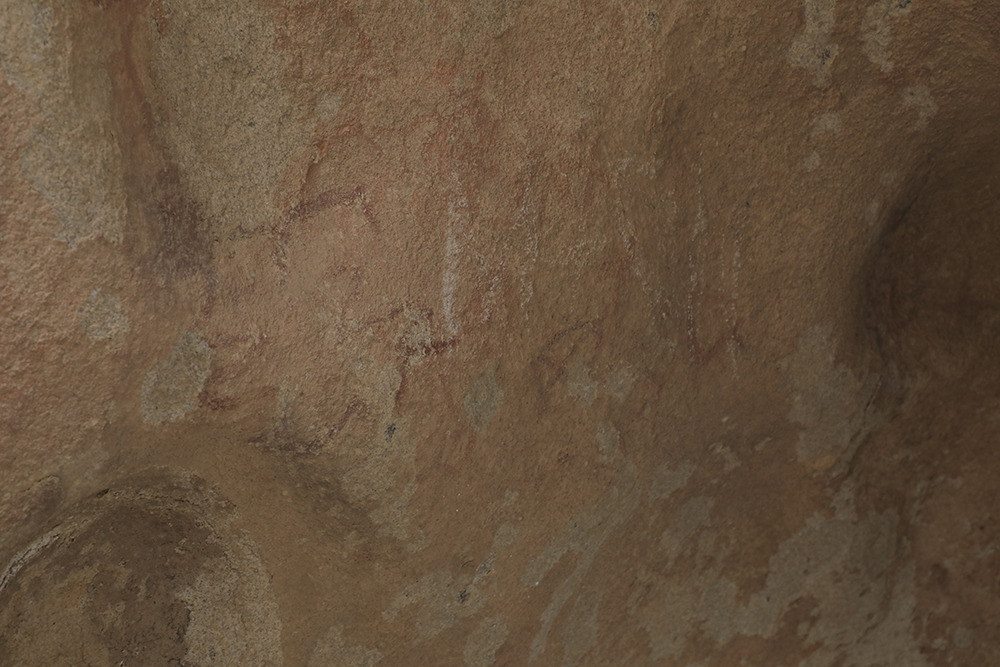
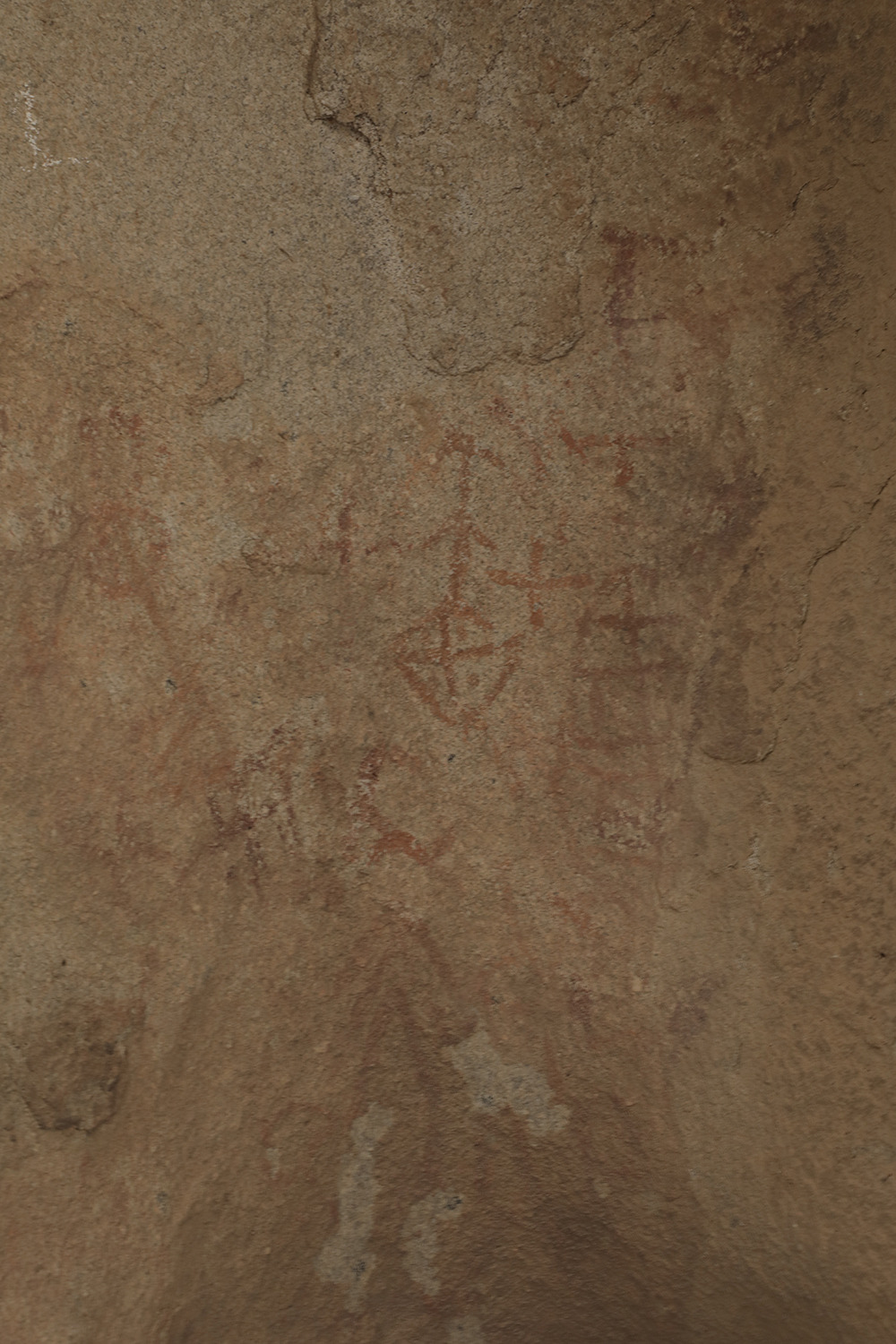
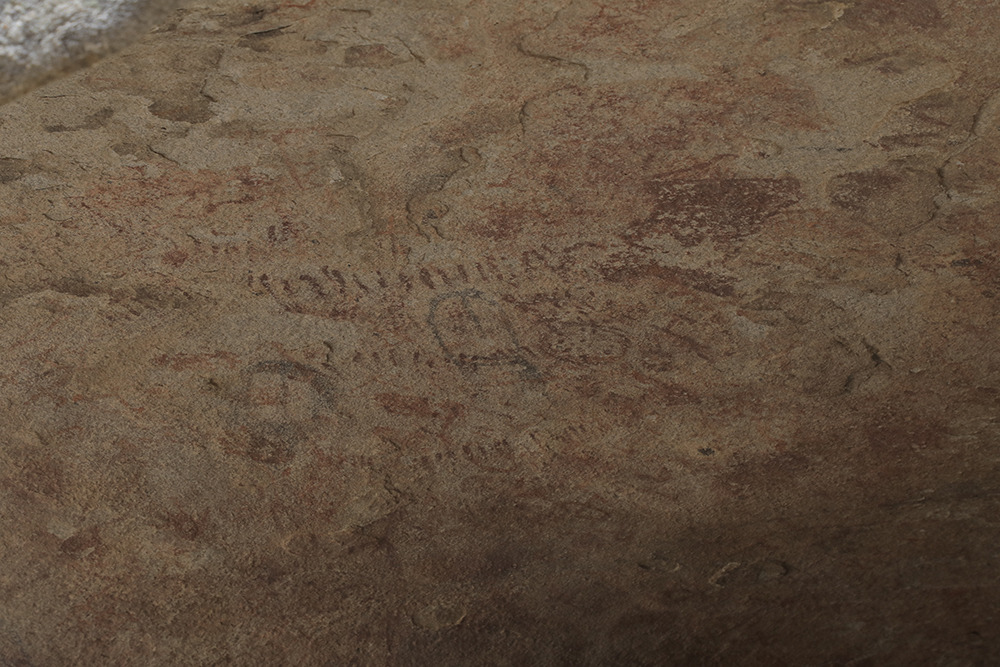
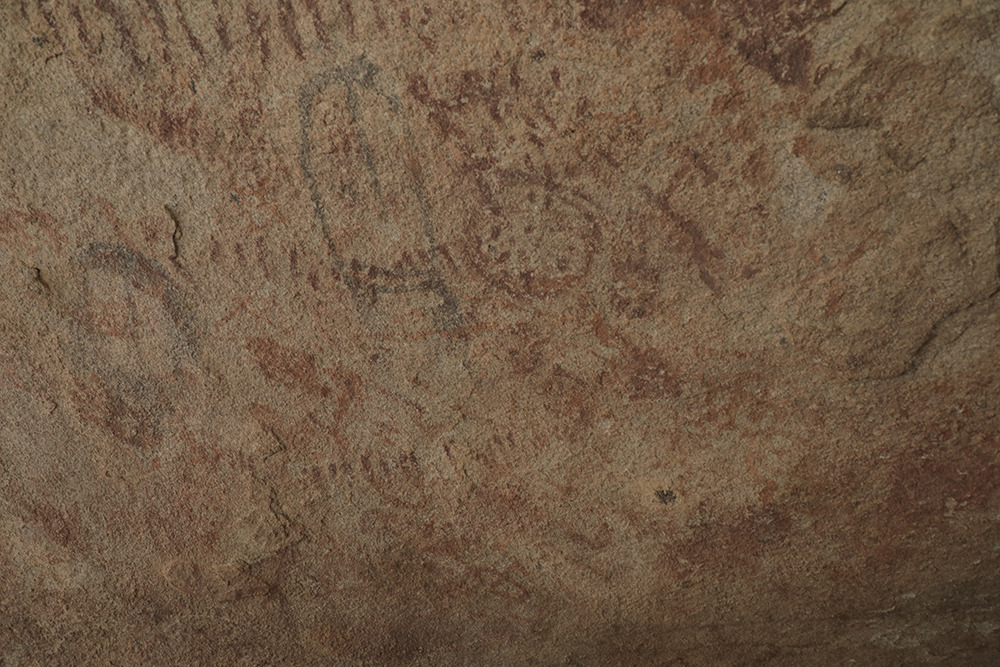
The rock art monuments of Uzbekistan are an integral part of the world's cultural heritage. They embody the social, cultural, artistic, and ritual aspects of the distant past. One of the unique examples of such rock art is the Siypantash rock paintings. The Siypantash monument is ancient, and it allows us to observe the connection between religious and secular elements, as well as between humans and nature. The themes in the monument's imagery are geometric in nature. However, red ochre dominates in Siypantash. Red is the color of fire and sun (heat). It expresses important concepts for humans such as life, strength, and energy. Depictions of the lunar calendar in the form of 28-30 dots or series of lines are characteristic of Paleolithic art. Frequently occurring arrow-shaped signs indicate images from the Paleolithic and Mesolithic periods [3:24].
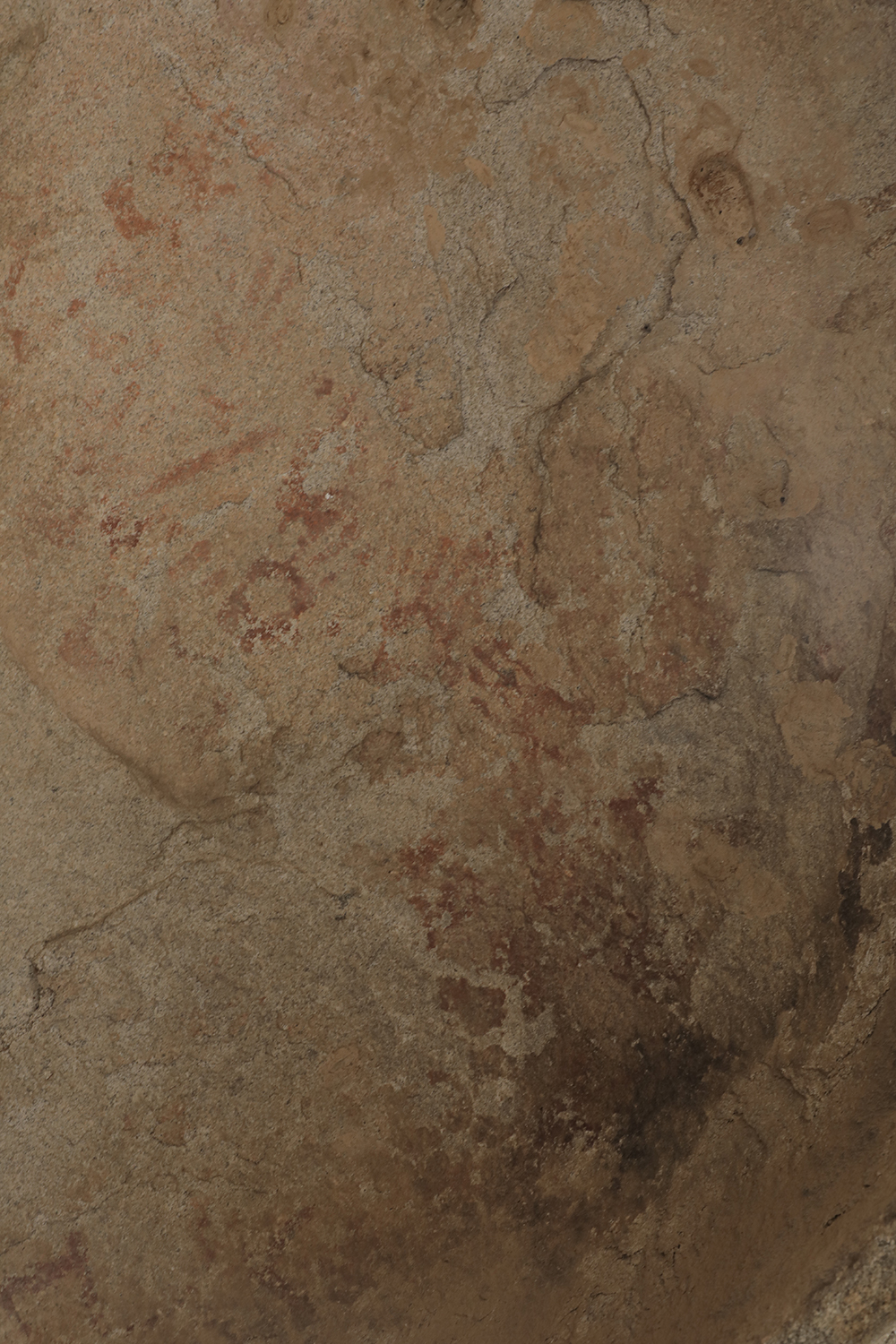
Among the unique signs, there is a bell-shaped figure with two vertical lines on a horizontal wall with two short legs. However, this sign on the Siypantash monument resembles a light dwelling with an oval ceiling. Two rows of diamond-shaped figures are unique. Their meaning is not clear. In a small adjacent chamber, handprints predominate. These are usually left handprints. In addition to handprints, there are also arrow-shaped signs here. In ancient times, people attributed sacred meanings to these images and believed that they would help them both in the present and future [3:26].
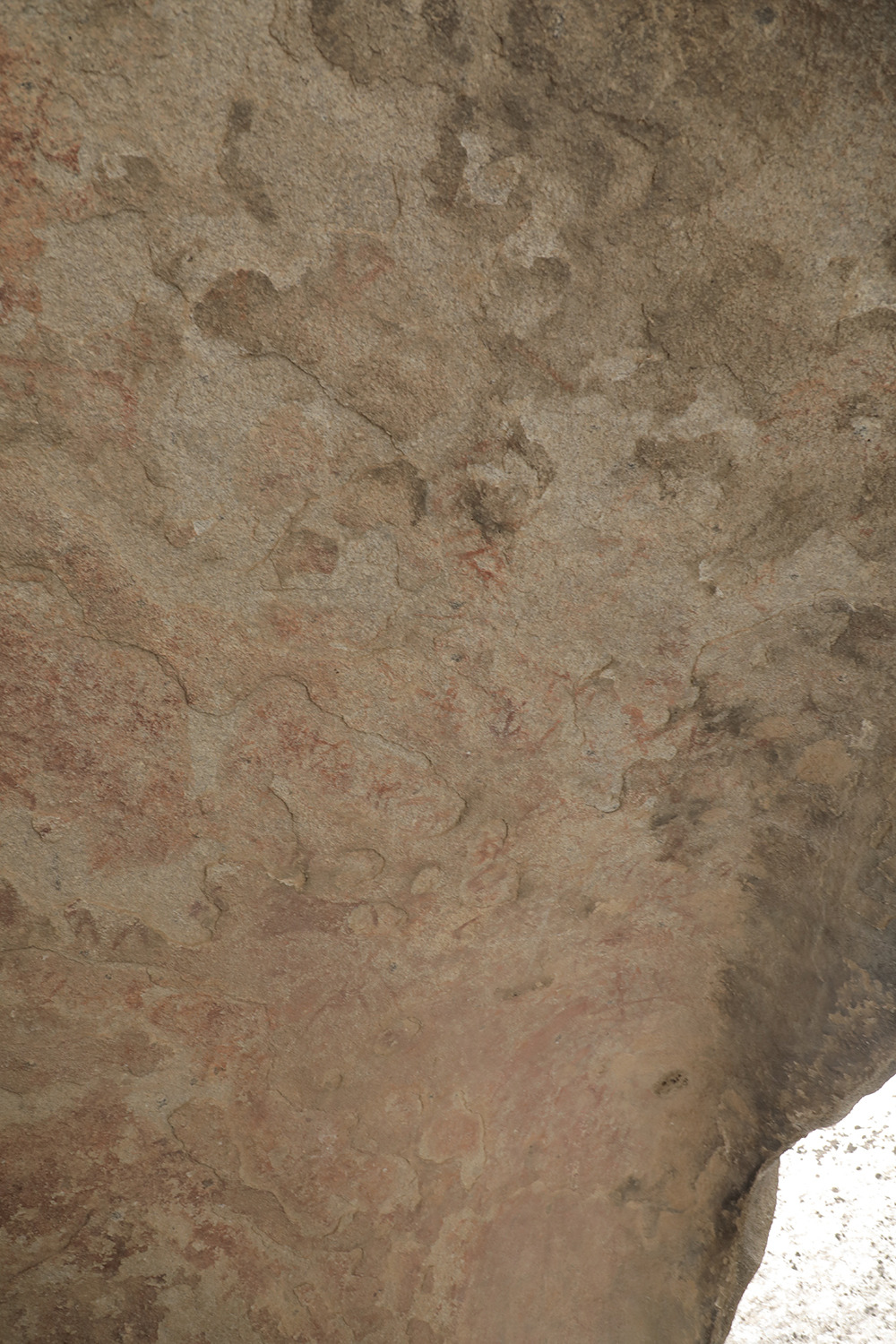
As a result of scientific research conducted by M.Khujanazarov (Candidate of Technical Sciences) and Kh. Oynazarov in 2021-2022, paintings drawn with ochre were discovered on the ceilings of the 7th and 8th chambers found around the Siypantosh monument. Among these rock paintings, only two wild bull images were depicted from animals, as well as human and female figures, hand prints, various geometric and cosmological symbols. Among the Siypantosh rock paintings, various incomprehensible geometric symbols make up the majority [2:13].
Recent studies have revealed new rock paintings in the vicinity of Siypantosh. The new findings were discovered at an altitude of 400-500 meters near a spring called Agbulak by the local population. New rock paintings were also found approximately 2-3 km north and 100-150 m west of Siypantosh. The paintings depict people, animals, bows and arrows, and various geometric symbols, with sediment present on the stone. In the new collection, a large stone has been painted with red ochre on the inside. The painting depicts hand prints. They resemble the hand prints drawn in Siypantosh [4].
The new rock paintings found around the Siypantosh monument attest to the ancient nature of the Siypantosh paintings. They serve as an important scientific source for studying the mythological and religious worldviews and perceptions of the ancient population. Scientific research is still being conducted by our scientists.
LIST OF USED LITERATURE AND SOURCES
- Field research. Kuruksoy village, Chirakchi district, Kashkadarya region. July 22, 2024.
- Oynazarov X.G. Technique-typology and comparative analysis of rock paintings of Southern Uzbekistan. Doc. phil. scien. hist. (PhD)... diss. abst. – Tashkent: National Archaeological Centre, 2024. – P. 11.
- Suleymanov R.Kh., Gordeeva E. Siipantash – is an important monument of prehistoric art. / Archaeology of Uzbekistan. №1 [18]. – Tashkent, 2019. – P. 24.
- Sipantosh picture. https://archaeology.uz.