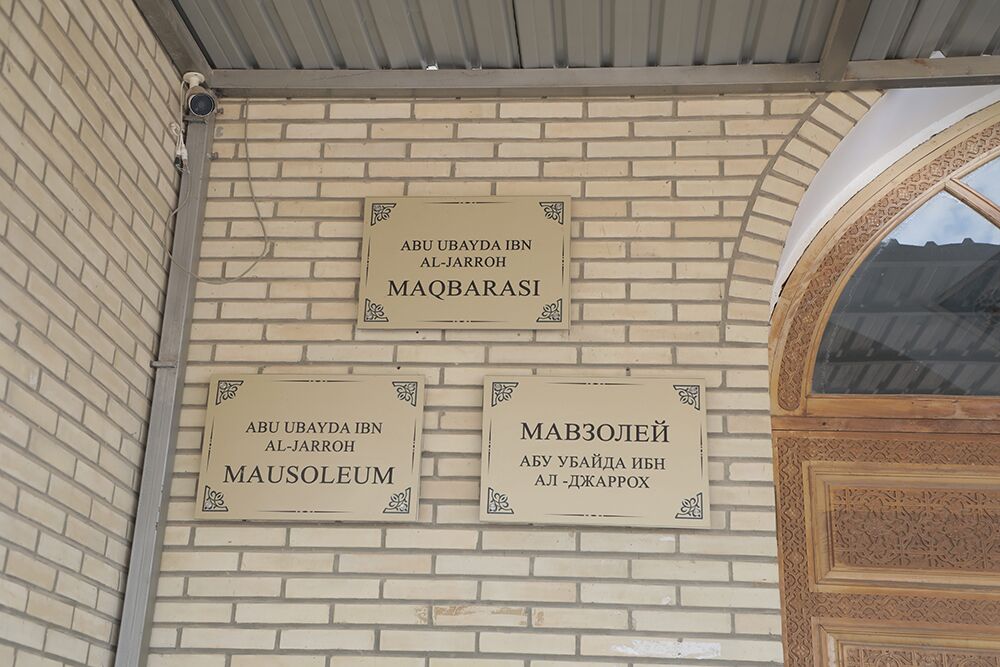
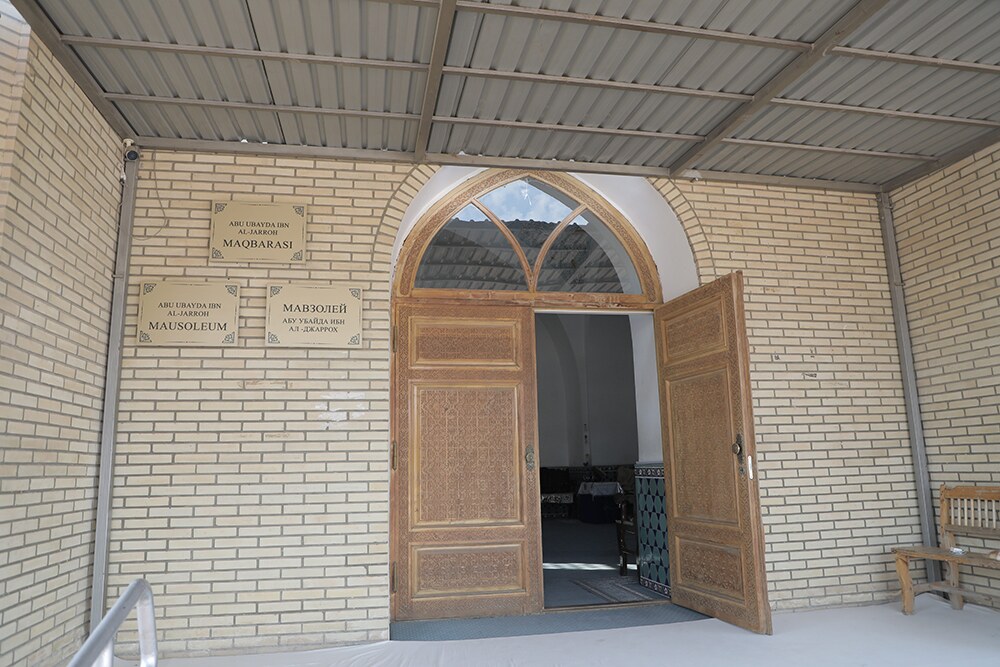
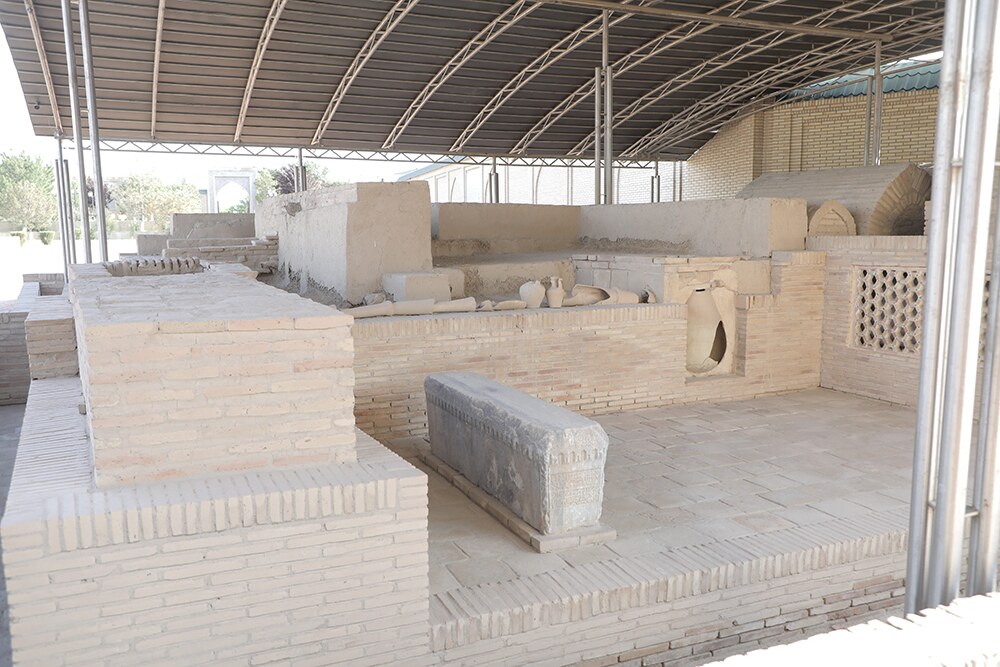
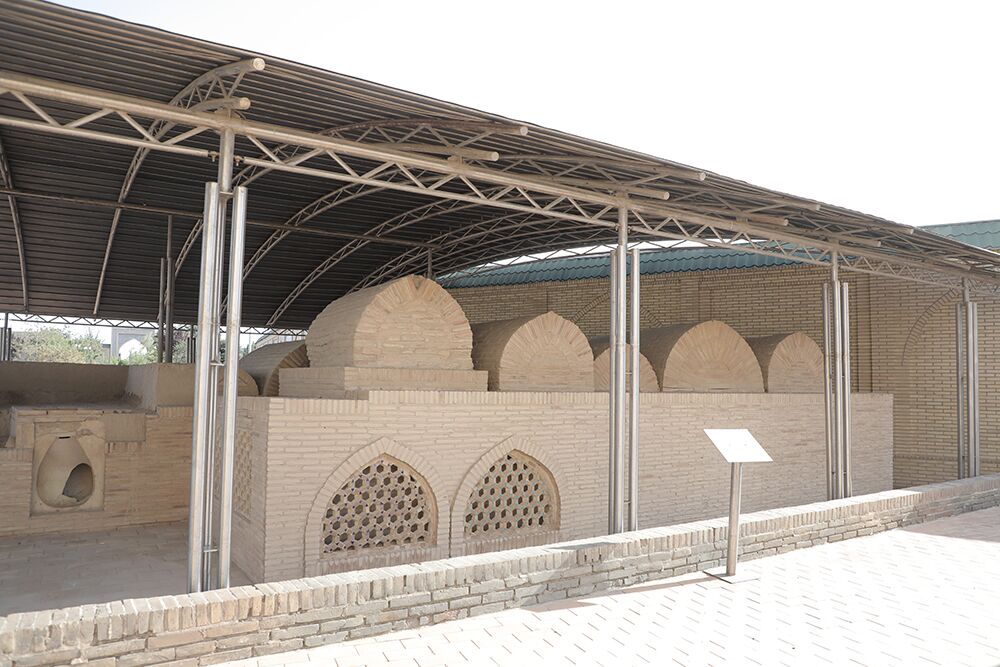
SHRINE OF ABU UBAYDA IBN JARROH (City of Karshi)

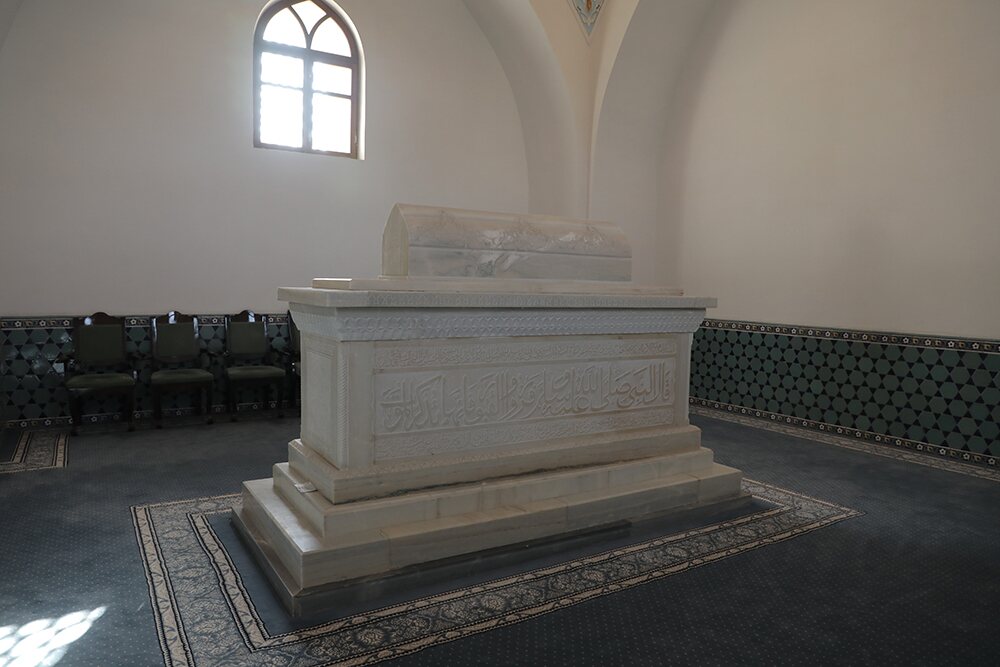
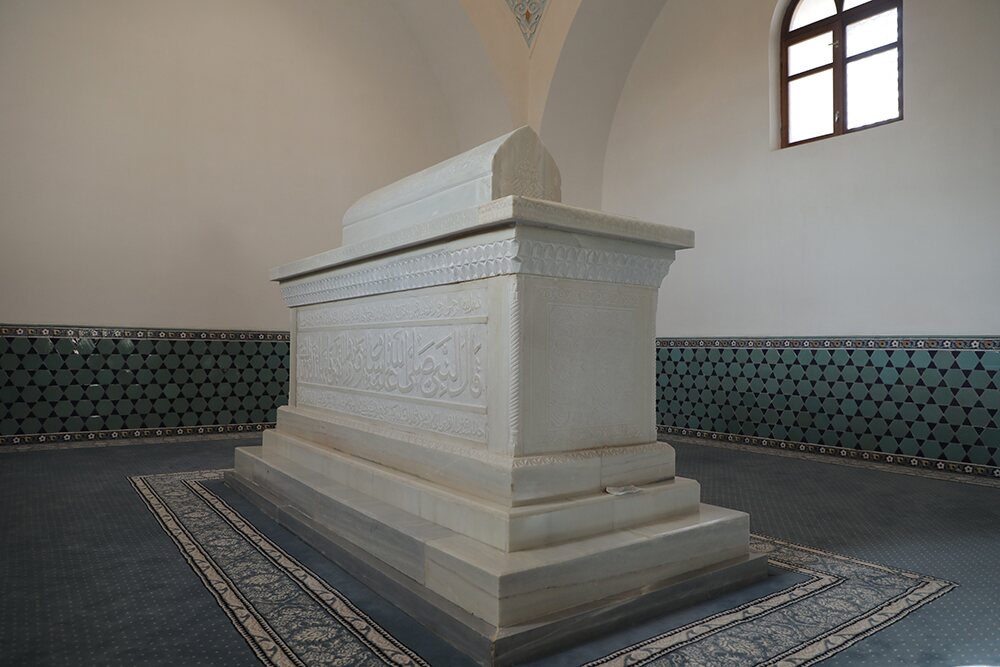
The shrine of Abu Ubayda ibn Jarroh is located in the south-western part of the city of Karshi, namely on Jayhun Street in Gulshan mahalla [1]. Abu Ubayda ibn Jarroh was one of the Companions and was born in Mecca in 583 AD. In terms of lineage, he was related to the Messenger of Allah (peace and blessings of Allah be upon him), and his kunya was Abu Ubayda. His father was Abdullah ibn Jarroh ibn Hilal ibn Wuhayb ibn Zabba ibn Haris ibn Vihr ibn Malik. He was not a Muslim. He died as a polytheist in the Battle of Badr. His mother was Umm Ganm bint Jabir ibn Abdullah ibn A'lo ibn Amir ibn Umayra ibn Wadi'a ibn Haris ibn Fihr. This woman accepted Islam [2:147-151].
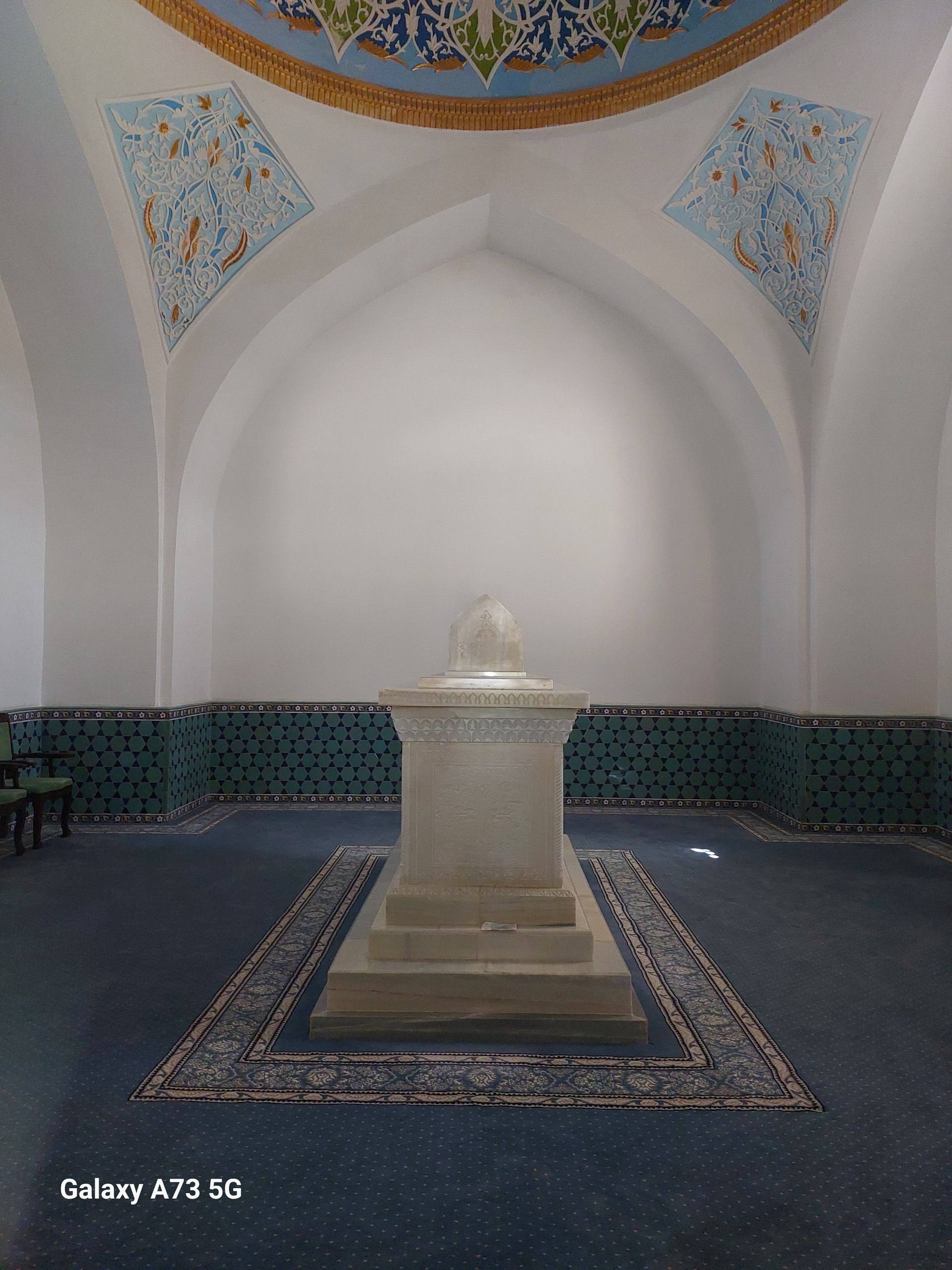
According to legends, Abu Ubayda ibn Jarroh was a tall, thin man with an open face and a sparse beard. He was revered among the people for his courage in spreading the religion of Islam, and was known in Islamic history as a brave, truthful, deep-thinking, devout, ascetic, gentle-natured, great commander, and just person. Abu Ubayda ibn Jarroh was one of the earliest converts to Islam and is considered among the companions who were promised Paradise during their lifetime. His conversion to Islam was due to the invitation of Abu Bakr (r.a.). He first migrated to Abyssinia, and later to Medina. Umar (r.a.) considered Abu Ubayda ibn Jarroh to be one of the worthy candidates for the caliphate after himself [2:147-152]. He died of the plague during the conquest of Syria in 639. His original tomb is located on the western side of the Shariat River, in the village of Amyo [3:23]. There is also a symbolic shrine associated with the name of Abu Ubayda ibn Jarroh in the city of Karshi.
The origin of this shrine is associated with the name of Sahibkiran Amir Timur. Due to the high respect that Amir Timur and the Timurids held for scholars, scientists, and saints, they transformed the tombs into sacred places worthy of pilgrimage. In particular, after conquering the Levant in 1401, Amir Timur visited the tomb of Abu Ubayda ibn Jarroh, one of the companions of Prophet Muhammad (PBUH), in Jordan. Upon seeing the dilapidated state of the mausoleum and sarcophagus, he renovated and beautified the site. Amir Timur took some soil from Abu Ubayda ibn Jarroh's grave and brought it back to Karshi, where he established a symbolic shrine in honor of this revered figure [4:34].
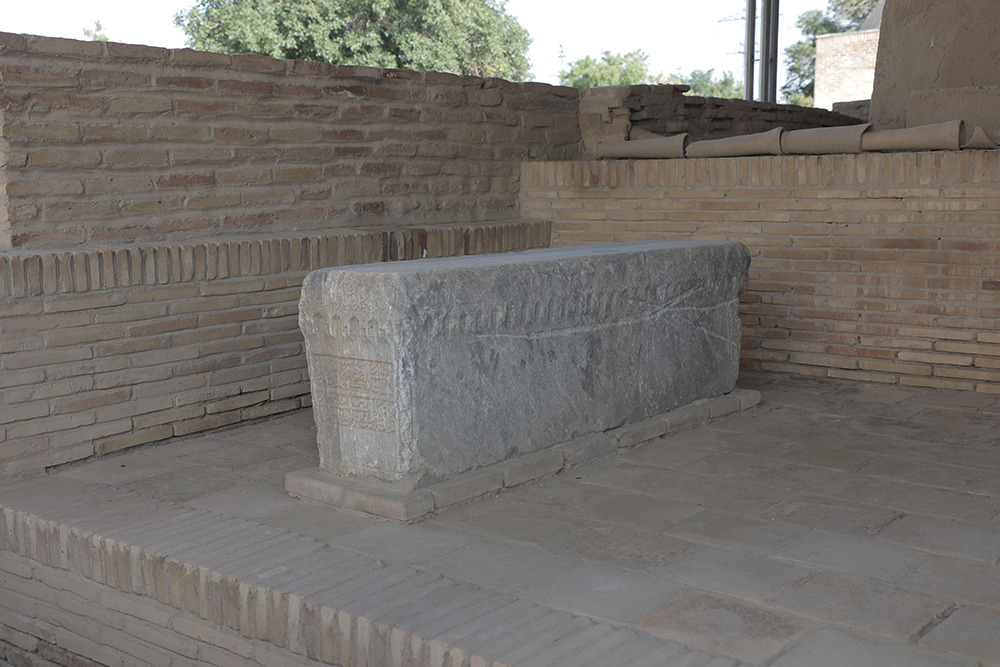
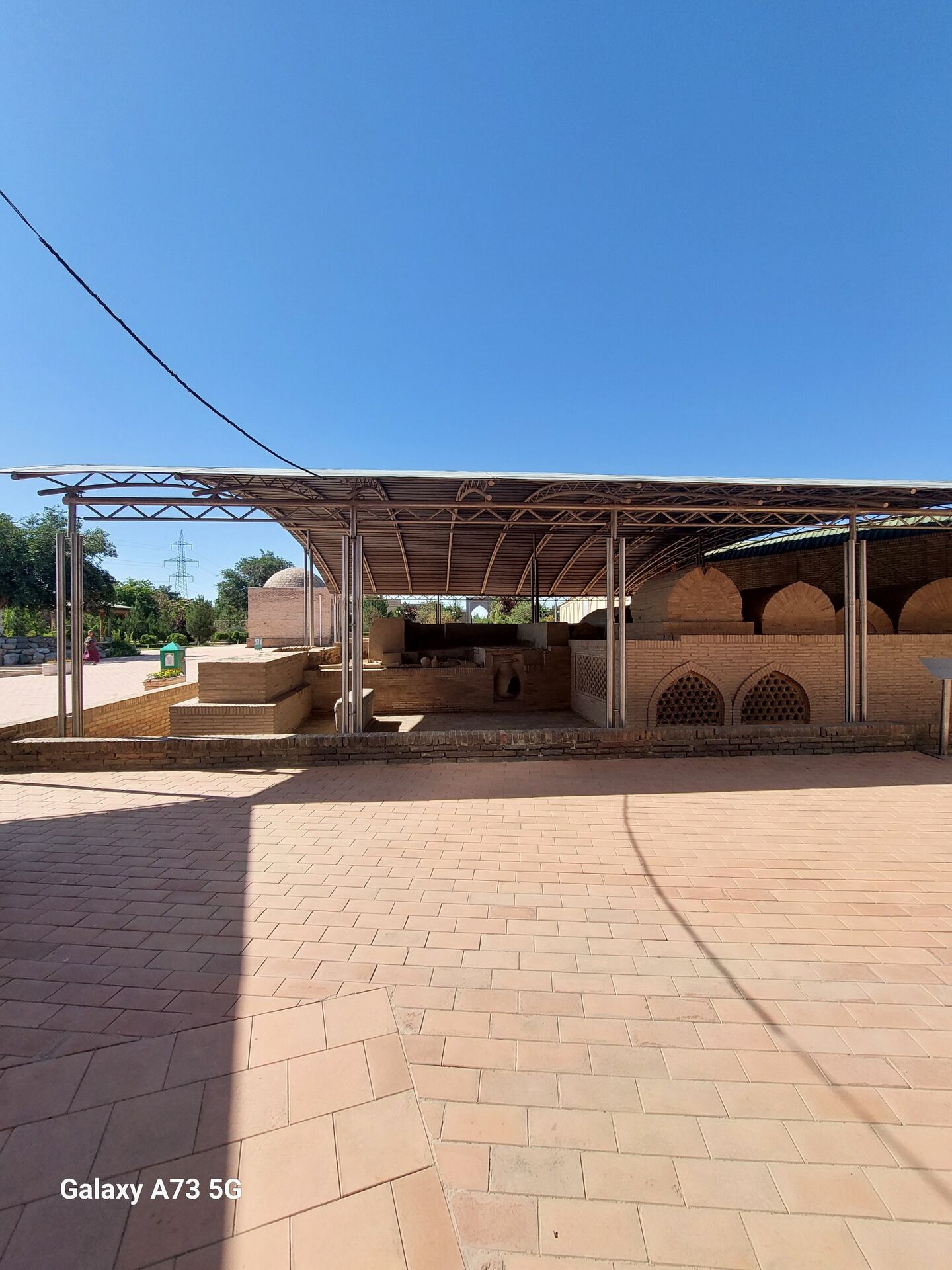
During the Soviet era, visitors to the shrine of Abu Ubayda ibn Jarroh came secretly. The facility was opened for use in 1945 but closed again in 1947. Frenkel, a representative of the State Organization for the Protection of Historical Monuments and Memorials who visited in 1954, described the state of the complex as follows: "The complex is now in ruins. The barriers that once surrounded it no longer exist. Cotton fields surround it. The mausoleum is being used as a collective farm warehouse. The mosque stands empty. The pond is neglected, covered with thick bushes" [5:21-22]. According to archival documents from 1968 to 1973, the shrine consisted of a tomb without any markings or inscriptions [6:26-27]. M.E. Masson states that the Khoja Ubayda cemetery is part of the large Katta Khoja Rushnoi cemetery in Karshi and notes that the name Jarroh indicates that the companion was involved in medicine [7:85-86]. M.E. Masson says that the Khoja Ubayda cemetery is part of the large Katta Khoja Rushnoi cemetery in Karshi and notes that the surgeon's name indicates that the companion was engaged in medicine [7:85-86].
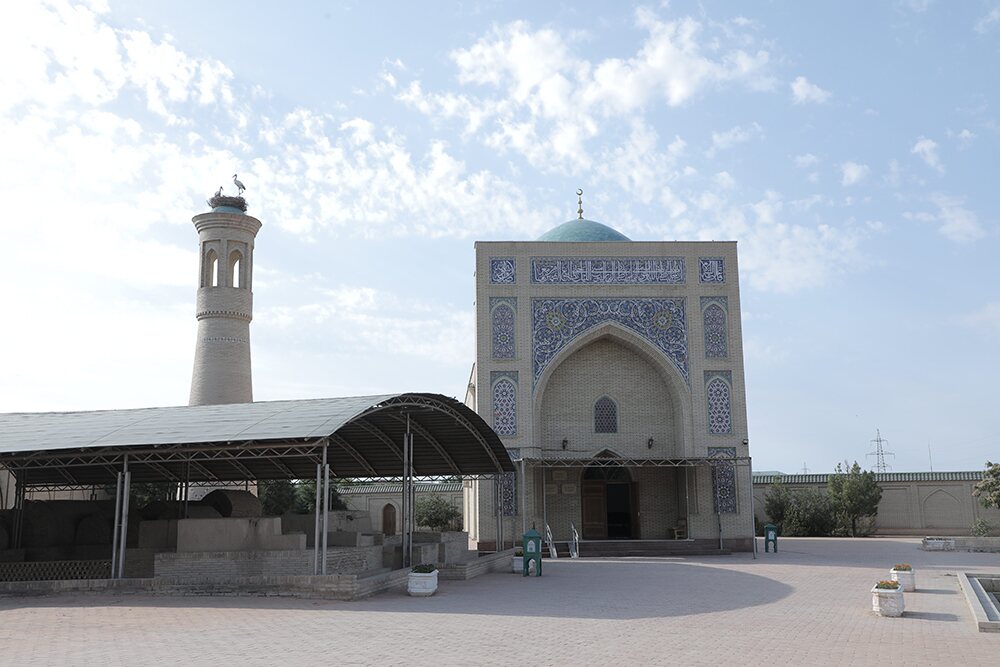
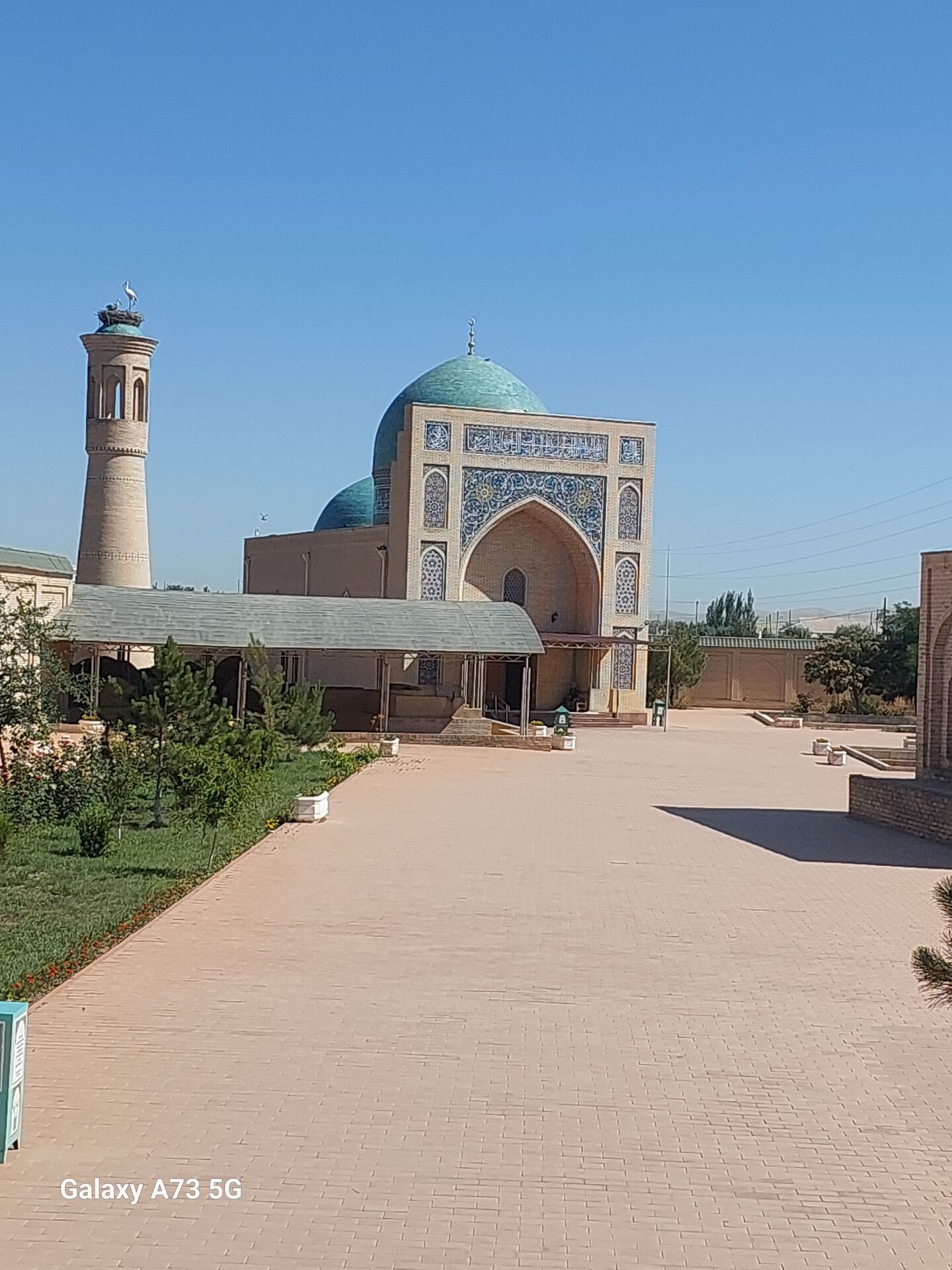
At the beginning of the 20th century, a mosque was located on the northwest side of the tomb, with a low minaret next to it. The mosque was demolished in 1926. To its south, there was a pool with an area of 16 square meters. M. Masson notes that women visited this shrine in the 1970s, that there was a large tree near the pool, a mosque and a building were located there, later a minaret appeared, and that there was a multi-faceted ring decorated with bronze at the entrance to the cemetery [8:48]. It can be said that this minaret and pond are still preserved today. During visits, people would pay their respects at the tomb.
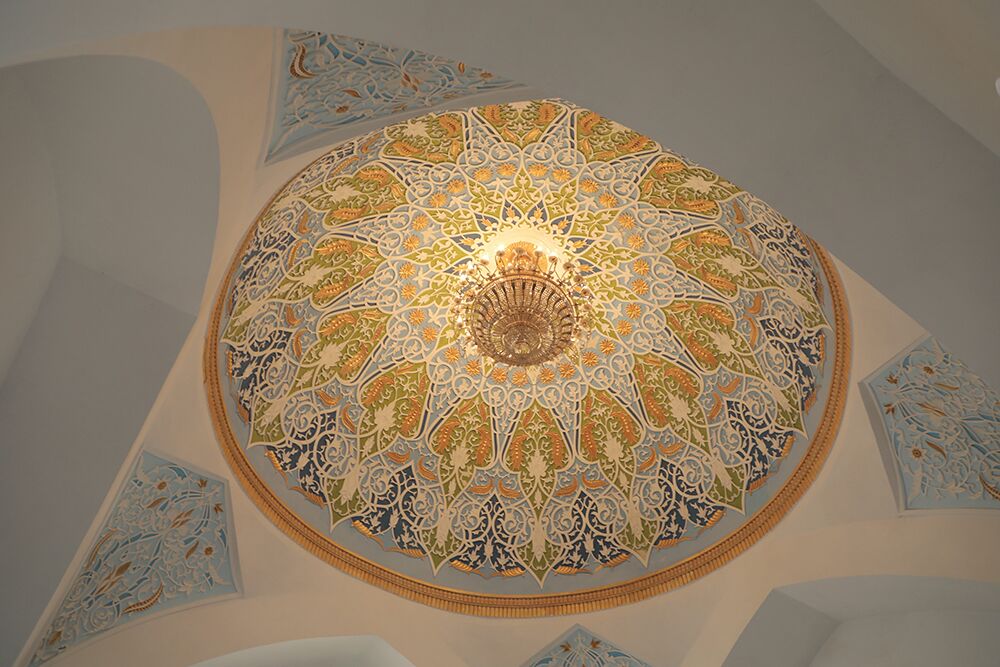
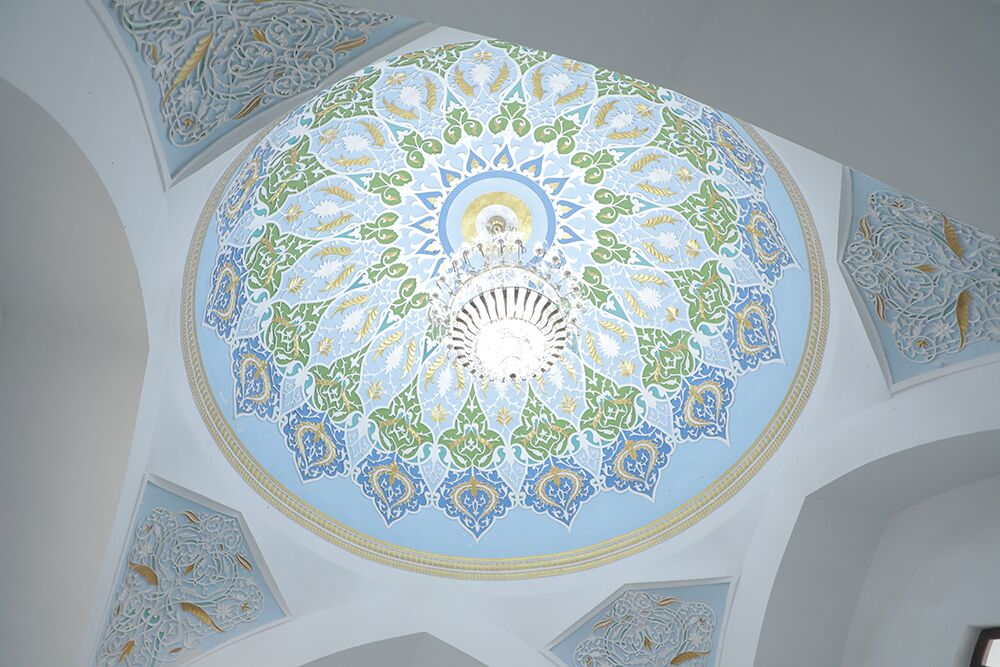
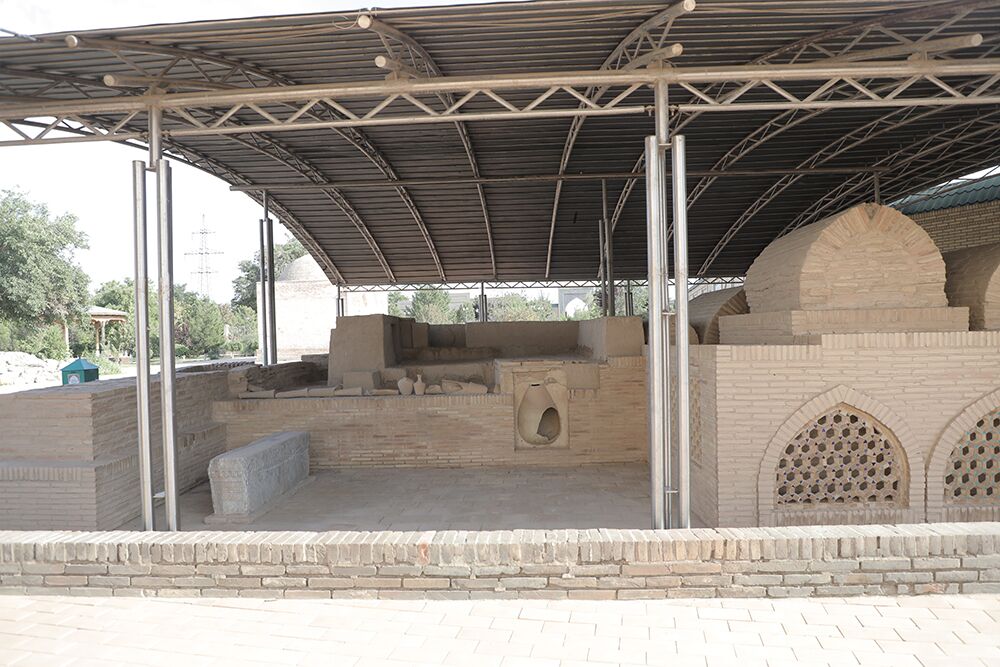
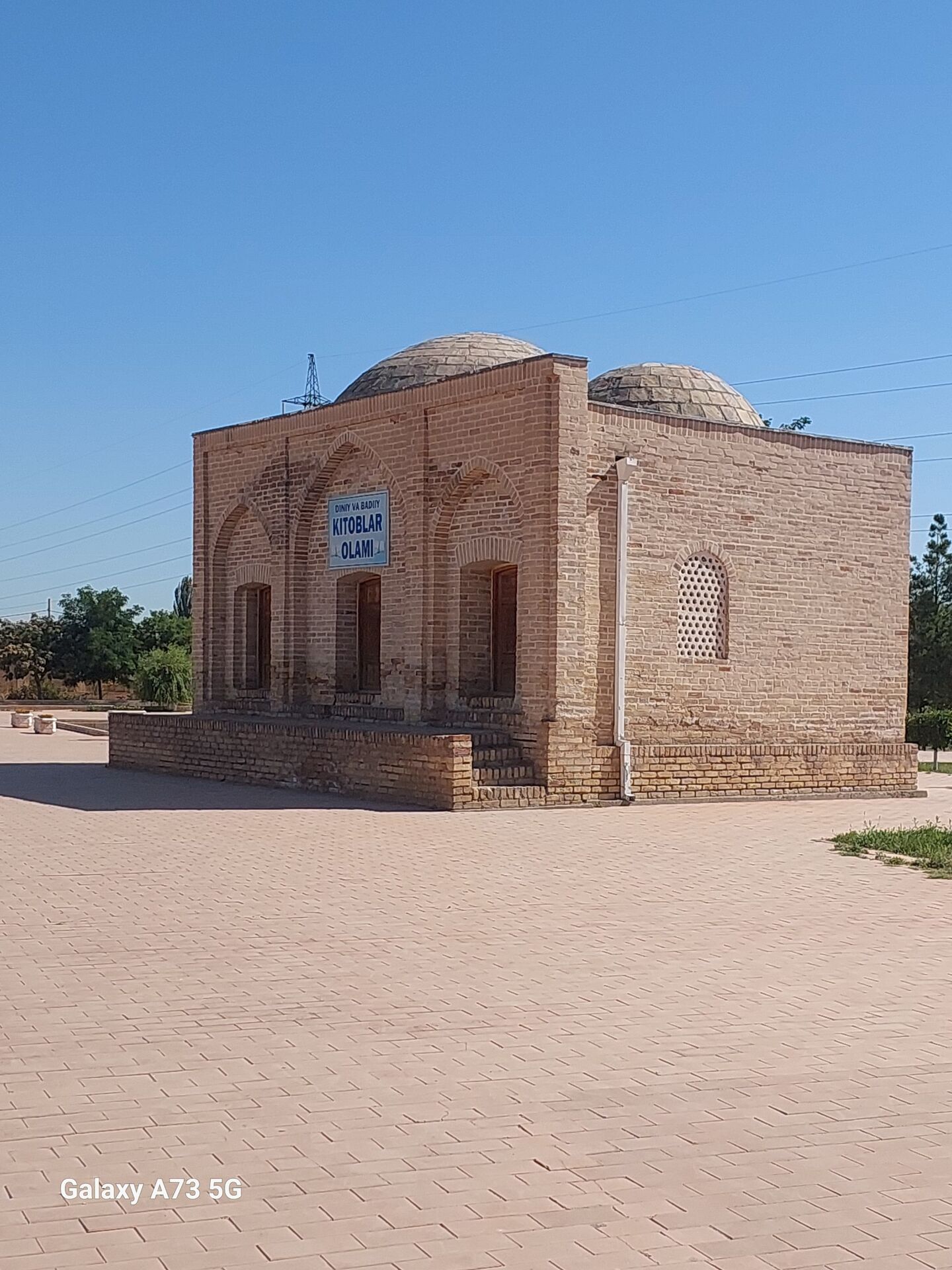
The shrine was restored in 2000, and a mausoleum was built over the tomb. Gateways were constructed at the entrances, corridors were repaired, the surroundings of the historical site were improved, and facilities were created for pilgrims.In 2012-2013, the state carried out further renovation work. In accordance with the Decree of the President of the Republic of Uzbekistan dated December 19, 2018, No. PP-4068 "On measures to radically improve activities in the field of protection of tangible cultural heritage objects," the shrine of Abu Ubaida ibn Jarroh has been included in the National Register of Immovable Objects of Tangible and Cultural Heritage of Uzbekistan and is now under state protection.
References
- Dala tadqiqotlari. Qashqadaryo viloyati Qarshi shahri, 2024 yil 6 avgust.
- 101 ulug‘ sahobiy. – Toshkent: Toshkent islom universiteti, 2018.
- Islom ensiklopediyasi. Toshkent: “O‘zbekiston milliy ensiklopediyasi” davlat ilmiy nashriyoti, 2017.
- Po‘latov S., Bo‘tayev A. Qarshi – qadimiy shahar. – Qarshi: Nasaf, 2006.
- Ismoil Rayhonov. Abu Ubayda ibn Jarroh ziyoratgohi. – Toshkent: Movarounnahr, 2016.
- Qashqadaryo viloyati davlat arxivi. 527-fond, 1-ro‘yxat, 4-yig‘ma jild, 26-27-varaqlar.
- Mассон М.Е. Столичные города в области низовьев Кашкадарьи с древнейших времен. (Из работы Кешской археолого-топографической экспедиции ТашГУ (1965-1966 гг.). – Ташкент: Фан, 1973.
- Nasriddinov Q., Xo‘jayarov O‘. Qarshi shahrining me’morchilik yodgorliklari. – Toshkent: Yangi asr avlodi, 2011.