SHEIKH SHIBLI SHRINE (Karshi district)

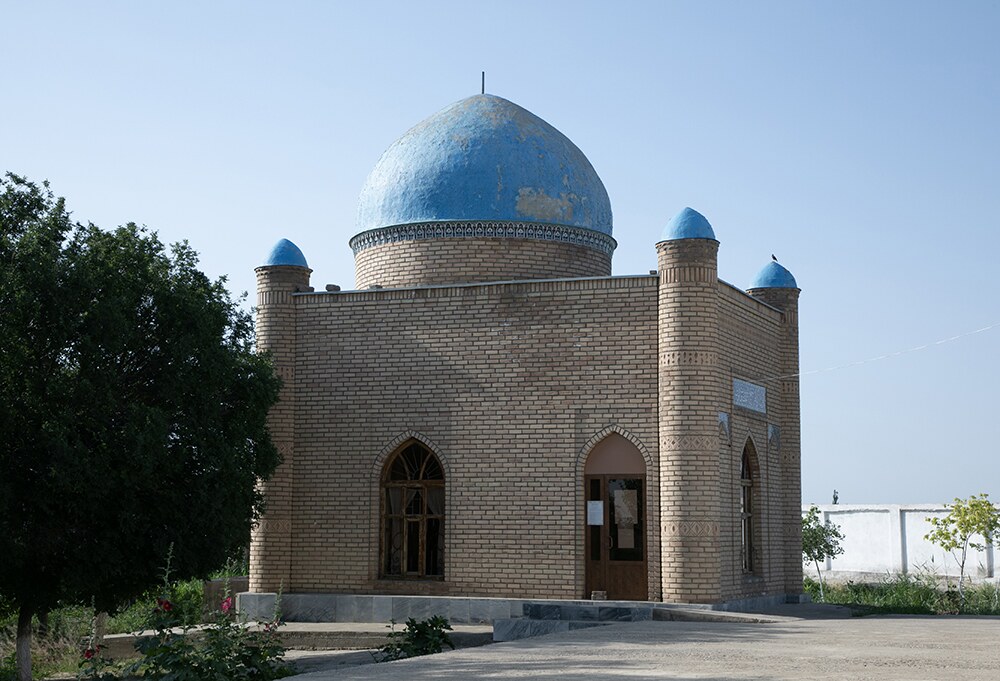
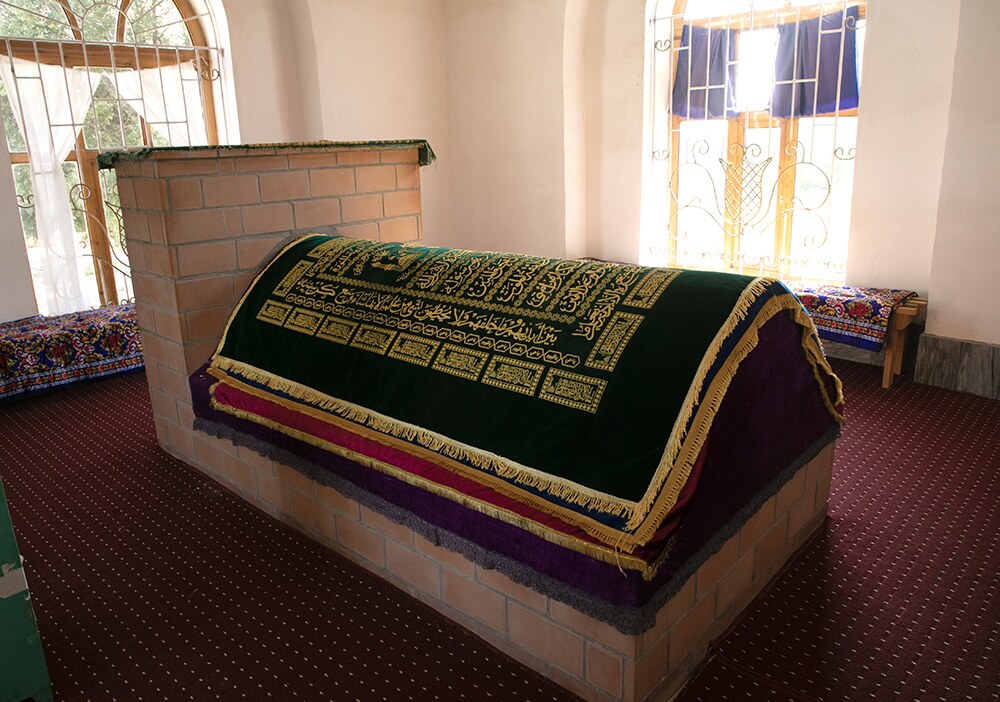
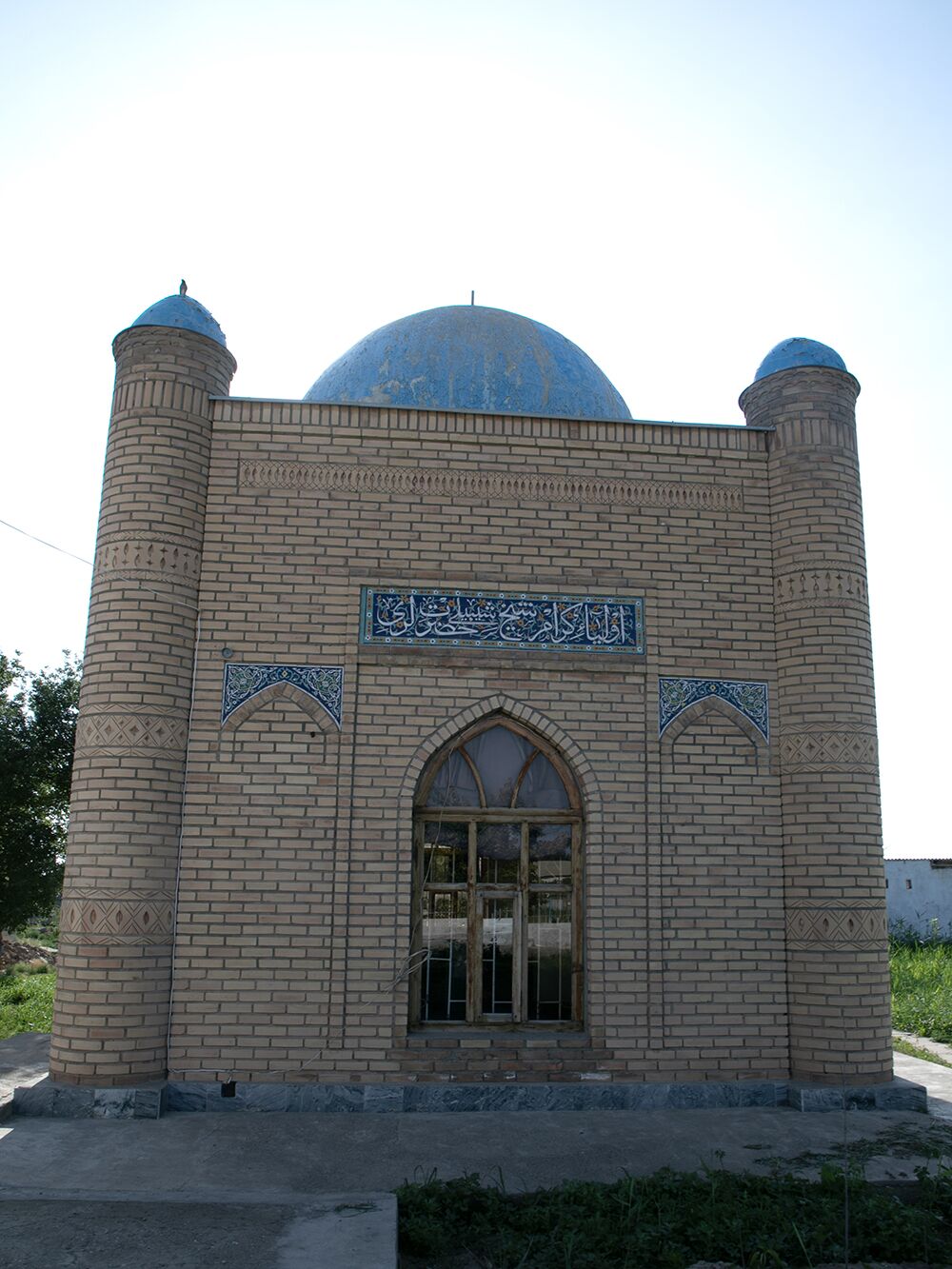
The shrine of Sheikh Shibli is located in the village of Shilvi, in the southwestern part of Karshi city, 12 kilometers from the center of Karshi district, Bishkent [1:148]. This pilgrimage site is associated with the name of Sheikh Shibli, one of the greatest sheikhs in the sciences of Sufism and Islamic jurisprudence, who was regarded as one of the great saints of the East.
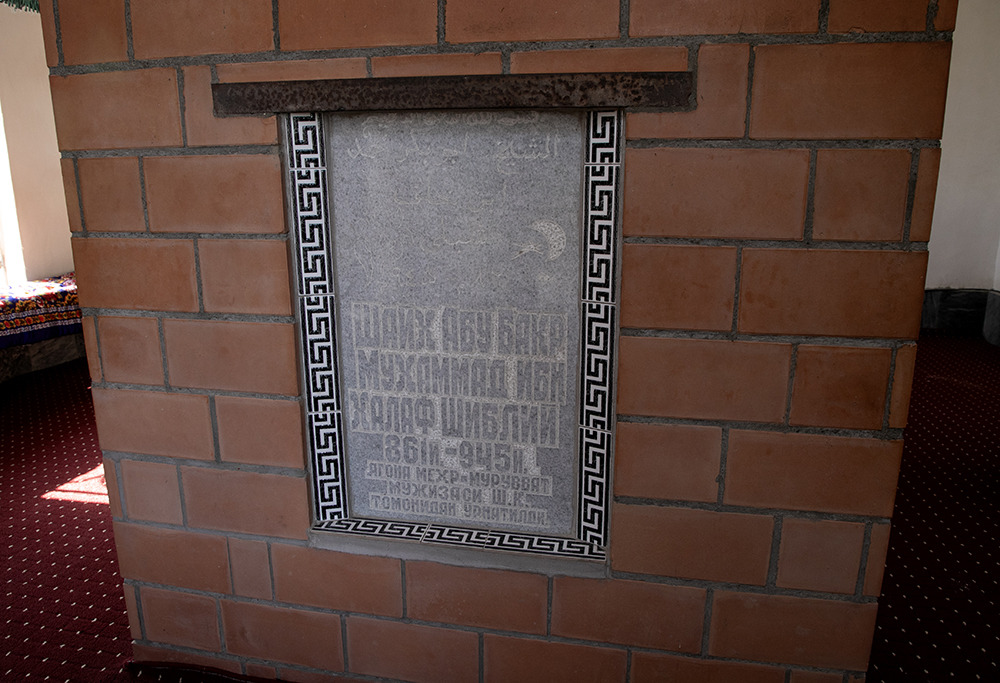
Sheikh Shibli, whose full name was Abu Bakr Dulaf ibn Jahdar ibn Ja'far, had ancestors who originally came from Uratepa and later moved to Baghdad. This Baghdadi Sufi, according to sources, was born in the town of Samarra around 861 AD. The term "Shibli" means "lion cub." From a young age, he was interested in knowledge and enlightenment. Among the sheikhs of Baghdad, Abulkhair Nassaj and Junayd Baghdadi were his teachers. He was also a disciple and classmate of Mansur Hallaj. Sheikh Abu Bakr Shibli's father was the chief chamberlain of the Caliph, and his uncle was Amir al-Umara in Alexandria. Shibli himself served as the chamberlain of Caliph al-Muwaffaq. At the age of 40, he was appointed governor of the Damavand region in northern Iran. However, he suddenly renounced this position and repented in the presence of Khair un-Nassaj, one of the famous Sufis of Baghdad, choosing to follow the Sufi path [2:118]. Shibli, being of an emotional nature, initially showed an inclination towards the "extreme" Sufism promoted by Mansur Hallaj. However, persecution and the execution of Mansur Hallaj forced him to change his views and adopt the position of Junayd Baghdadi [3:575].
Shibli benefited from the companionship of Junaid Baghdadi. He spent twenty years of his life recording hadiths from narrators, and another twenty years studying the fundamentals of jurisprudence. Hadiths were narrated to Shibli by Muhammad ibn Basmari, Abu Bakr Abhari, Abu Bakr Razi, Abu Sahl Sa'luni, and Hussein ibn Ahmad Saffar. Shibli was among the great spiritual leaders of his time. He surpassed others in the knowledge of Sufism and jurisprudence [2:118-119].
Sufi scholars such as Abdurrahman Sulami and Abulqasim Qurayshi wrote remarkable accounts about Shibli's unique virtues and characteristics. He left behind numerous books and wise sayings. According to some scholarly sources, in the fields of religious law (fiqh) and Quranic studies, the scholar Abu Bakr Shibli was not inferior to the most eminent scholars in these fields and even surpassed them. He was a Sufi poet who composed in Arabic.
Because Sheikh Shibli was deeply devoted to the path of Truth and always lived in a state of divine ecstasy, people called him "insane" and took him to the madhouse several times. Sheikh Shibli says: "Mansur Hallaj and I were one. They attributed madness to me, which is why I was saved. Husayn Mansur was led to destruction by his own people" [4:448].
In Alisher Navoi's work "Nasoyim ul-muhabbat," the name of Sheikh Shibli is mentioned with special respect:
SHIBLI AND THE WASHER OF THE DEAD
One Friday, when Shibli's death was approaching, he felt a sense of relief. He said to his servant Bakir Dinavari:
Take me to the mosque!
While leading him, they encountered someone on the way. Shibli said to Bakir:
Tomorrow morning we have some business with this person.
Bakir reported that Shibli passed away in the evening after returning from prayer. The next morning at dawn, I was told that there was a pious man in a certain neighborhood. We needed to bring that man to wash the deceased. I found the man's house and knocked on the door. He came to the door and asked:
"Is Shibli dead?"
I asked in amazement:
How did you know that Shibli had died?
He replied:
"Oh ignorant one, how did he know that he would have business with me today?"
When the door opened, I saw that this was the same person Shibli had said he would have business with tomorrow [5:56-57]. Sheikh Shibli died in 956 at the age of 87. His grave is in the Hizran cemetery near Baghdad [2:119]. There are villages and neighborhoods associated with the name Shibli in the vicinity of Khujand, Uratepa, and Tashkent region, and a symbolic shrine named Sheikh Shibli in the Karshi district of Kashkadarya region, which is a sign that such a wise and great scholar as Shibli is from our country.
Sheikh Shibli died in 956 at the age of 87. At the cemetery of Hezran near Qabri Baghdad [2:119].
There are villages and guzars associated with the name Shibli in the vicinity of Khujand, Uratepa and Tashkent region, and a symbolic shrine named Sheikh Shibli in the Karshi district of Kashkadarya region, which is a sign that such a wise and great scientist as Shibli is from our country.
References
- Акбаров Р. Қарши туман тарихи. – Тошкент: Тошкент ислом университети, 2016.
- Хомидий Х. Тасаввуф алломалари. – Тошкент: Ўзбекистон, 2016.
- Ислом энциклопедияси. – Тошкент: Ўзбекистон миллий энциклопедияси давлат илмий нашрёти, 2017.
- Фаридуддин Аттор. Тазкират ул-авлиё. Нашрга тайёрловчи ва сўз боши муаллифи А. Мадраииов. – Тошкент: Ғ. Ғулом номидаги адабиёт матбаа ижодий уйи, 2017.
- Алишер Навоий. Насойим ул-муҳаббат. Олимжон Давлатнинг насрий баёни.иккинчи нашр. – Тошкент: O‘zbekiston, 2018.