QUMCHOP OTA PILGRIMAGE SITE (Karshi district)

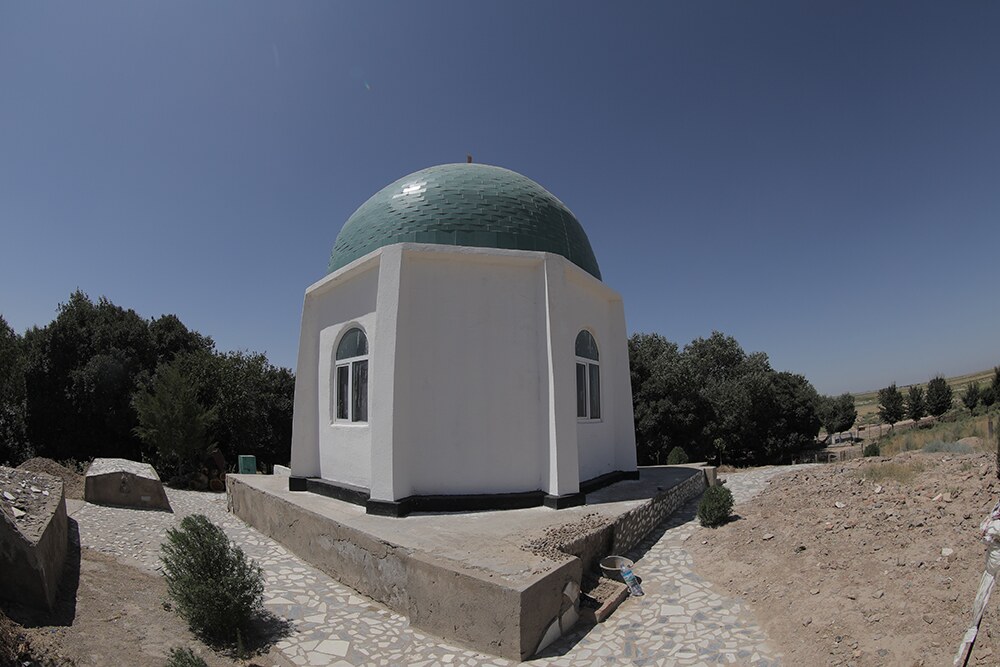
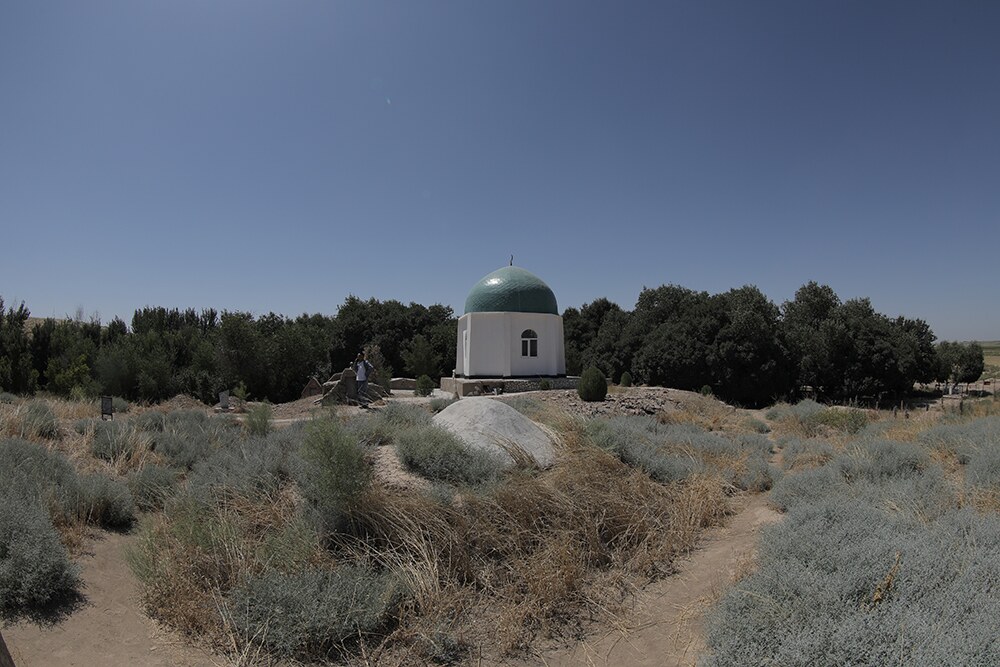
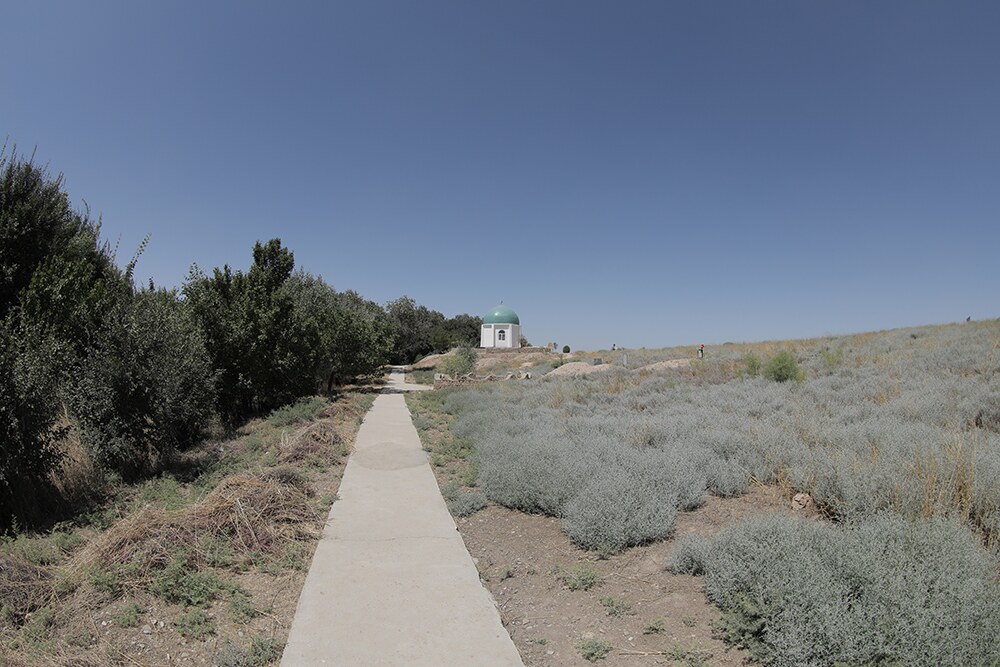
The Qumchop Ota shrine is located in the village of Qumchop in the Guzor district. As the ancient Guzor-Karshi caravan route passed through this area, there were many villages and fortresses surrounding the shrine. Initially, the village was called Qovchin because it was inhabited by people of the Qovchin clan. Since the 1970s, this place has been known as the village of Qumchop, named after the shrine [1]. Hazrat Qumchop Ota's real name was Abu Ali Saidi. He was also known by the nicknames Qumchop and Kumoyton Ota. There are popular beliefs that Qumchop Ota was of Sayyid origin and a descendant of Hazrat Ali. The shrine of Qumchop Ota (8th-9th centuries) emerged on the site of an ancient fortress dating back to the 6th-4th centuries BCE. Local people also claim that Qumchop Ota was Abu Muslim Nasafi [2:68].
There is a legend among the people about the Kumchup hill, where a shepherd stuck his staff into the ground, hung his coat on it, and went to gather firewood. Suddenly, a storm broke out, and a hill formed from the shifting sands. Since then, this hill has been called "Kumchup Hill" [1].
According to archaeologist Abdisabur Raimkulov, in the 6th century, the fortress of Yaloktepa was located on the site of Guzar, and during this period, Kumtepa also existed. In medieval written sources, three cities are mentioned in the Guzar rustaq: Navkat-Quraysh, Subax, and Iskifagn. The Arab travelers who visited this land did not mention the city of Guzar specifically. There is a medieval monument near Guzar called Khoja Buzruktepa, located 6-7 kilometers north of Guzar. It is situated near Kumtepa. Kumtepa is also located 8-9 kilometers north of Guzar. Khoja Buzruktepa is the ruins of the city of Iskifagn mentioned in medieval sources that have survived to this day. Guzar and Iskifagn were the same city. The trade route leading to Termez passed through this city. The word Iskifagn means "temple." By the 9th-10th centuries, this fortress had developed into a shahristan [4:109-110]. Therefore, the fact that the territory of Kumchup-ota in the 7th-8th and 9th-10th centuries was located on the international trade route from Kesh (Kitab-Shahrisabz) to Navka-Quraysh, through Iskifagn to Kelif, indicates its expansion and development.
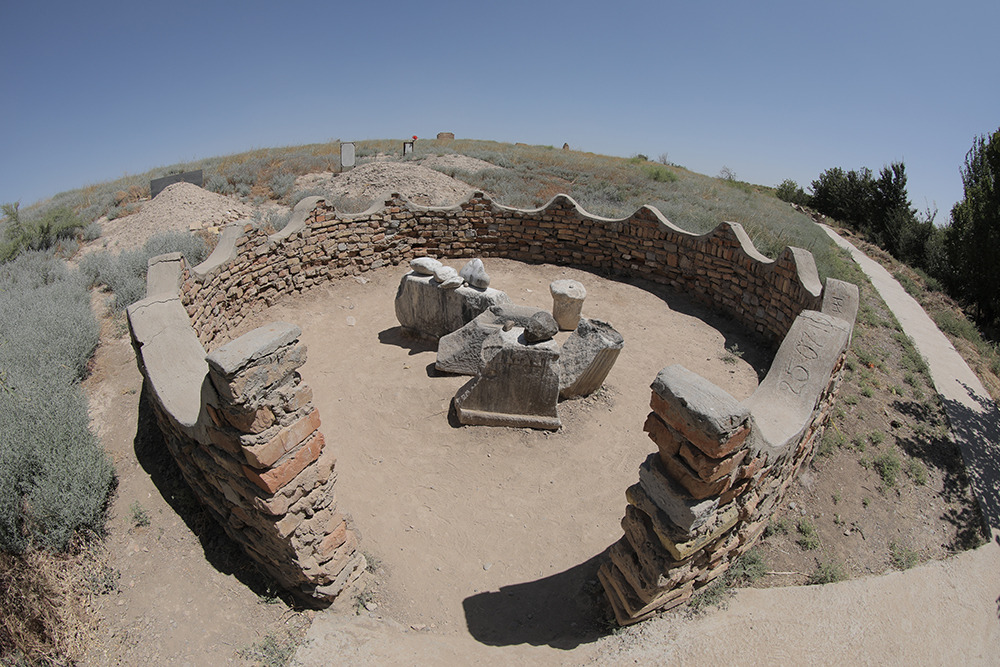
In early July 2007, Tashkent archaeologist Bakhodir Rozikov visited the site and identified two Buddhist statues from the Yuezhi period, dating to the 1st-4th centuries AD, among the ruins of Kumchup. According to the historian, the inhabitants of Kashkadarya built defensive walls against the Achaemenids in the 6th-4th centuries BC. Kumchup Hill is one of the fortress strongholds in the defensive system. The army of Alexander the Great razed the walls of this fortress (4th century BC) [2:69].
Numerous fragments of ceramic vessels can be found in the territory of the shrine. According to Bakhodir Rozikov, the ceramic fragments can be divided into two categories. The first group is thin, brittle, and without any decorative patterns. These were used for household purposes in the 6th-4th centuries BC. The second group of ceramic fragments are thick, durable, clear in color, and feature one or two floral lines. These ceramics date back to the 9th-11th centuries AD. Additionally, small jugs filled with oil and used as firebombs against enemies were employed during these periods. The ceramic water jug (obdasta) found in the shrine is characteristic of later periods.
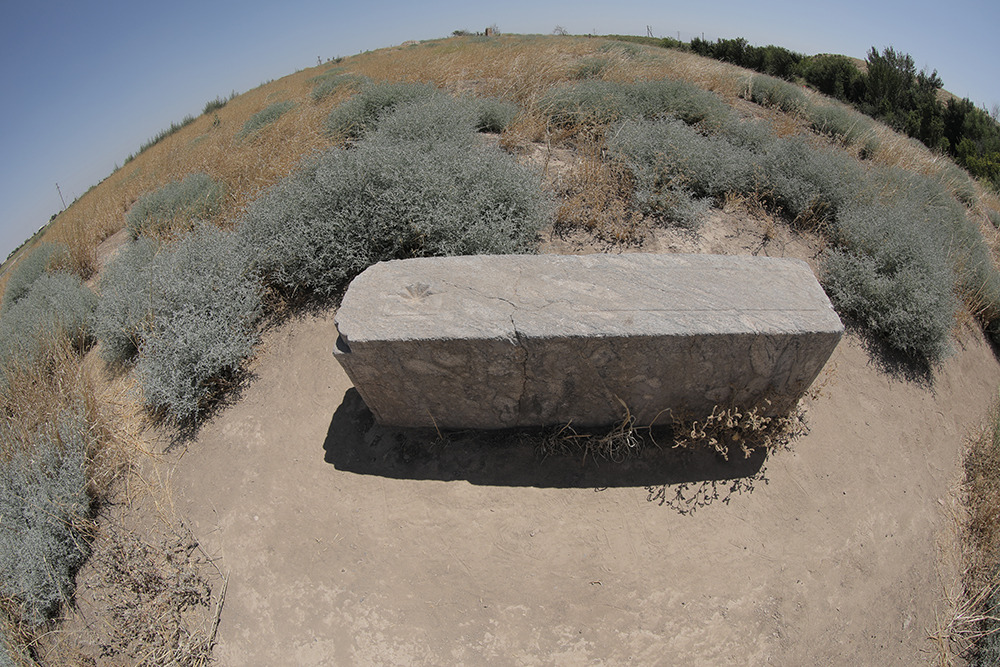
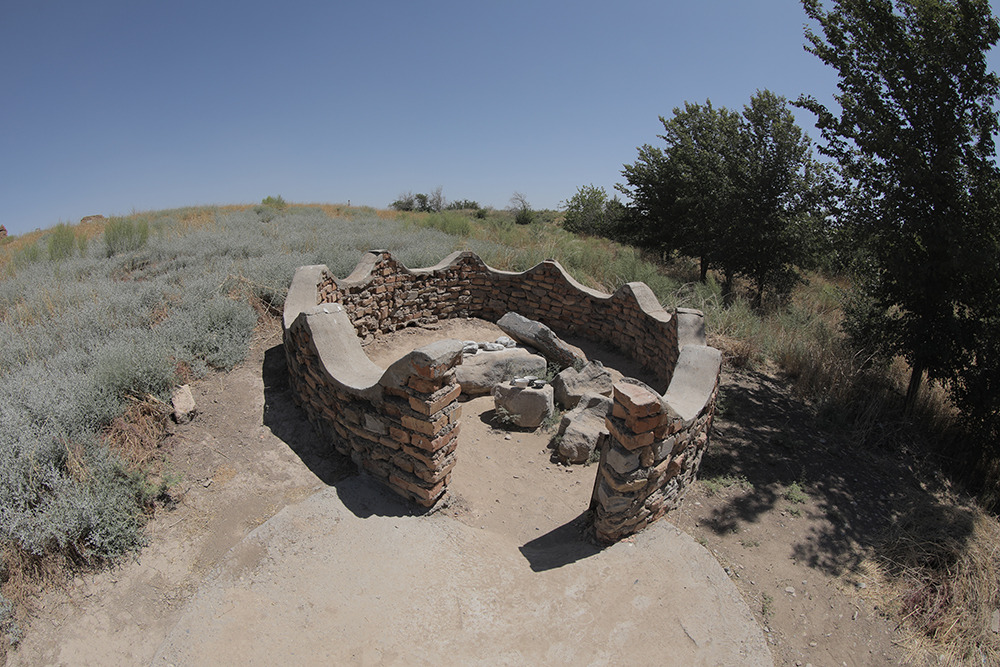
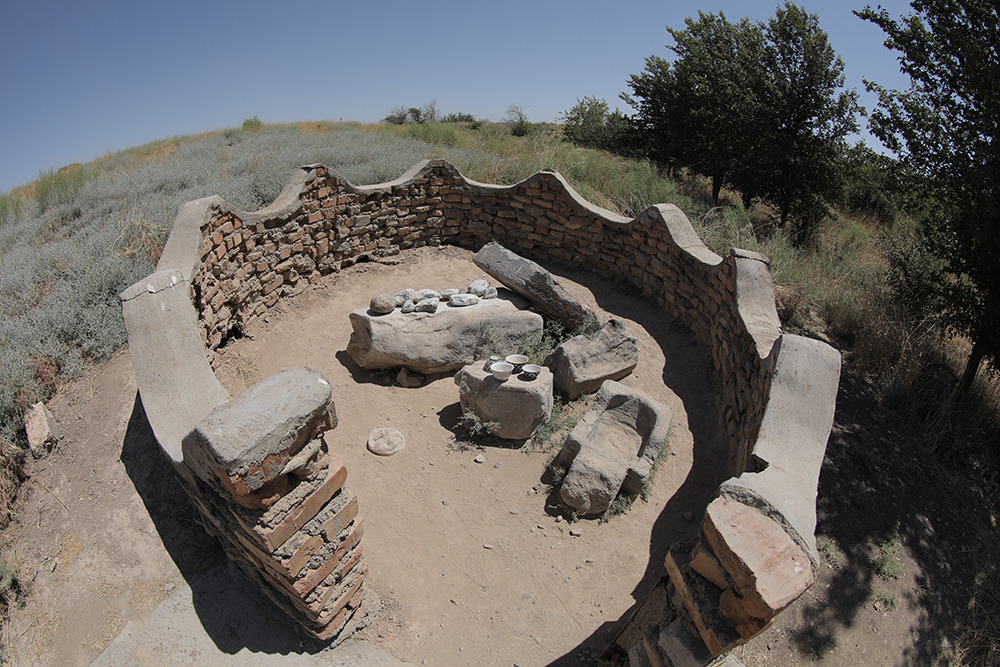
In particular, on the eastern side of the mausoleum where Qumchop Ota's tomb is located, there are various stones that people have called by different names: "Chevar tosh," "Chilla tosh," "Polvon tosh," "Balogardon tosh," and others. Near the shrine, there is a well called "Murod qudug'i," which people believe has healing properties. A rare and unique species of poplar grows near the mausoleum. Local people call it "patta" or the saint's tree [1].
In the 1940s, Ibrahim Shuro (as he was called by the people), the former chairman of the village council, drove away pilgrims who came to visit the shrine. Not long after, he himself passed away.
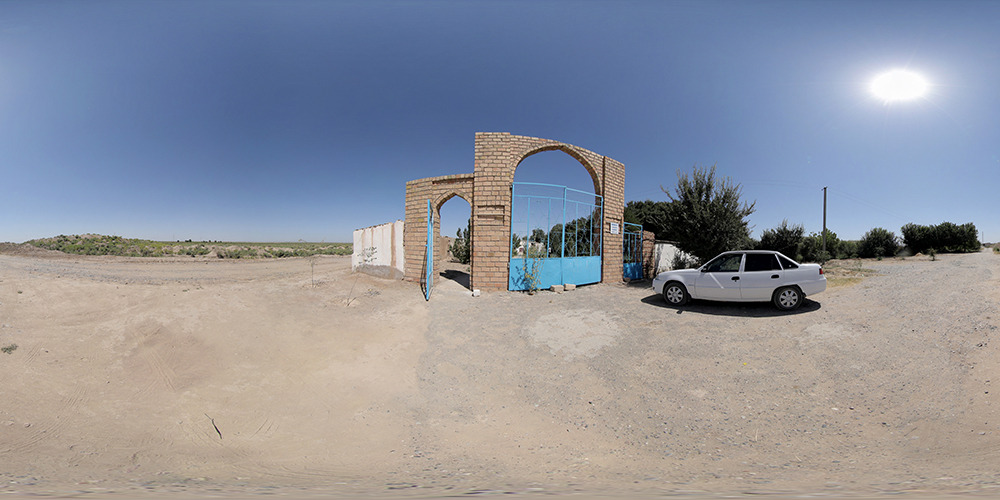
After gaining independence, sacred sites were restored as part of our national spirituality and cultural heritage. In 1992-1993, the shrine was rebuilt with bricks through community effort (hashar) by local sponsors, and a mosque was constructed. The road leading to the village was paved with asphalt, and a 200-meter drainage ditch was dug. Now, this place is a well-maintained pilgrimage site frequented by the local population.
References
- Dala tadqiqotlari. Qashqadaryo viloyati G‘uzor tumani Qumcho‘p qishlog‘i. 2024 yil 20 iyul.
- Ergashov M. G‘uzor me’morchilik tarixi. – Toshkent: “Hilol mediya”, 2019. – B. 68.
- Qashqadaryo viloyati madaniy meros boshqarmasi ma’lumoti. 2024 yil 7 avgust.
- Raimqulov A. Qashqadaryo vohasining o‘rta asr shaharlari. – Qarshi: “Nasaf” nashriyoti, 2018. – B. 109-110.