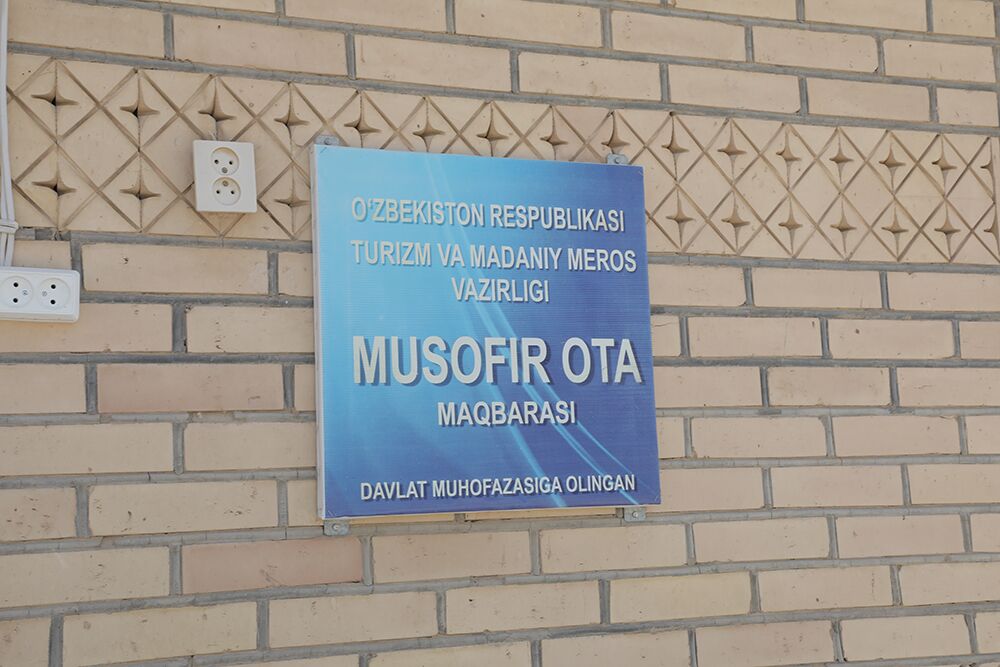
MUSOFIR OTA PILGRIMAGE SITE (Guzor district)

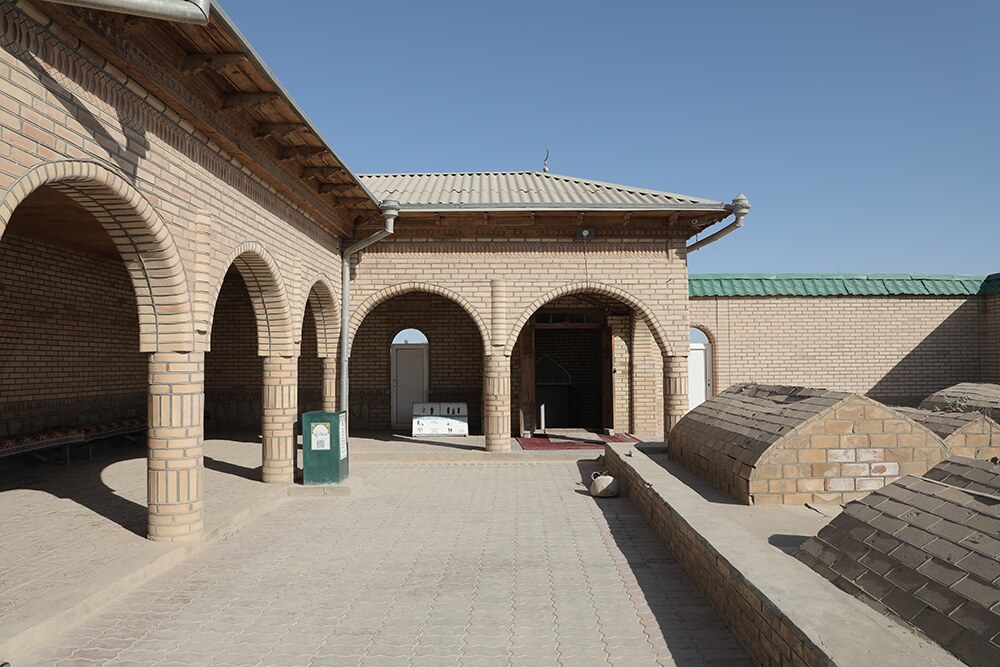
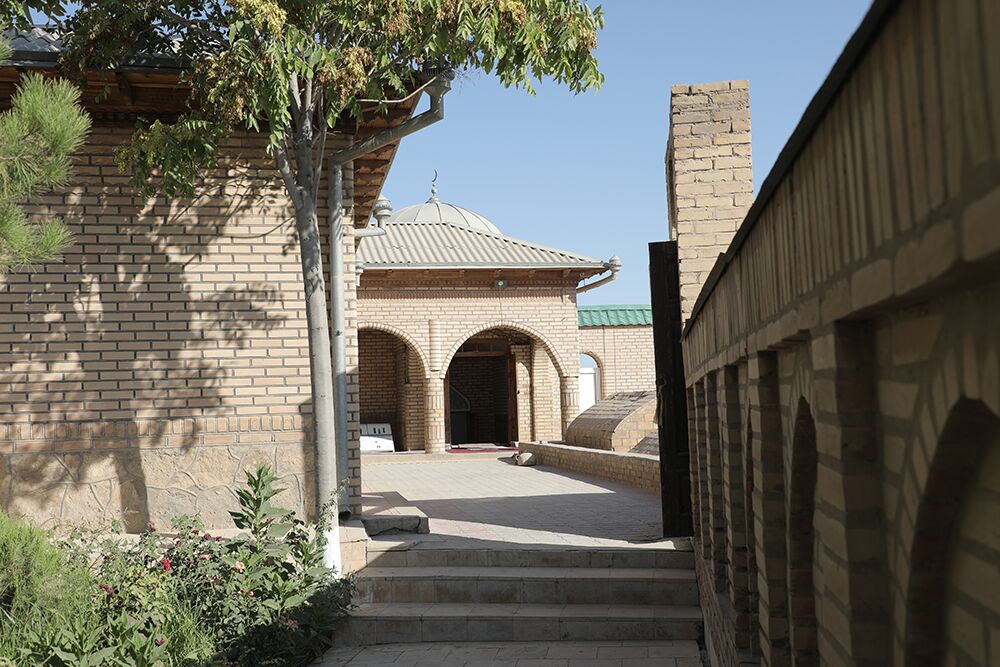
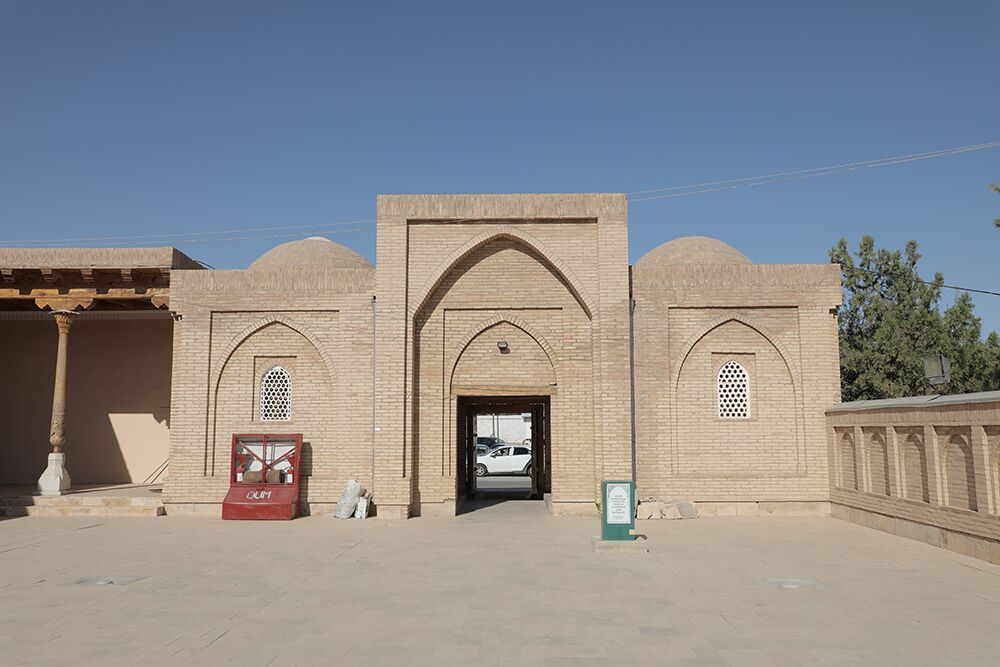
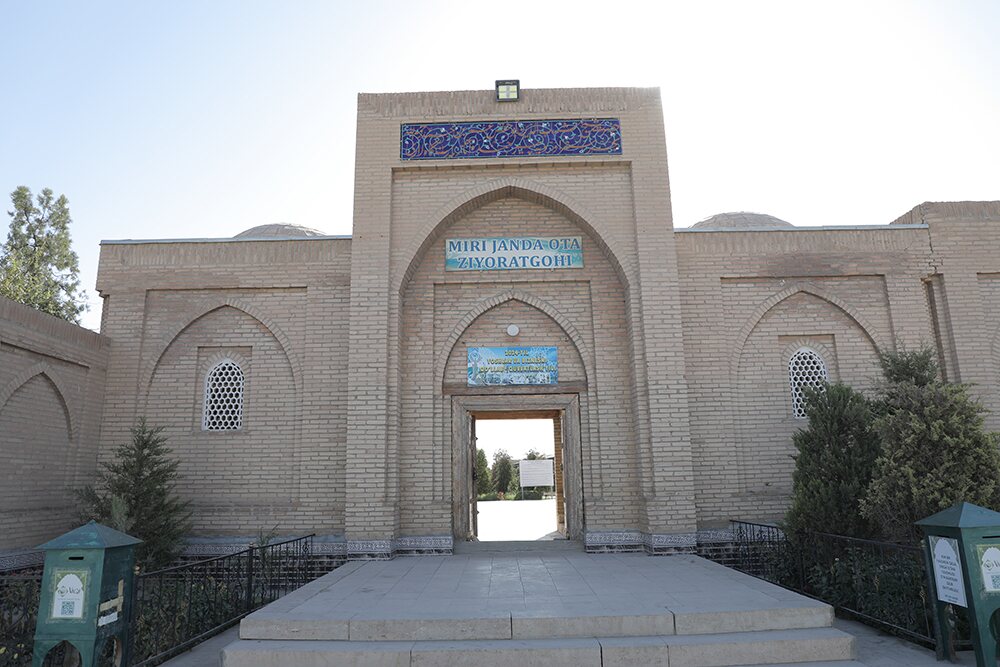
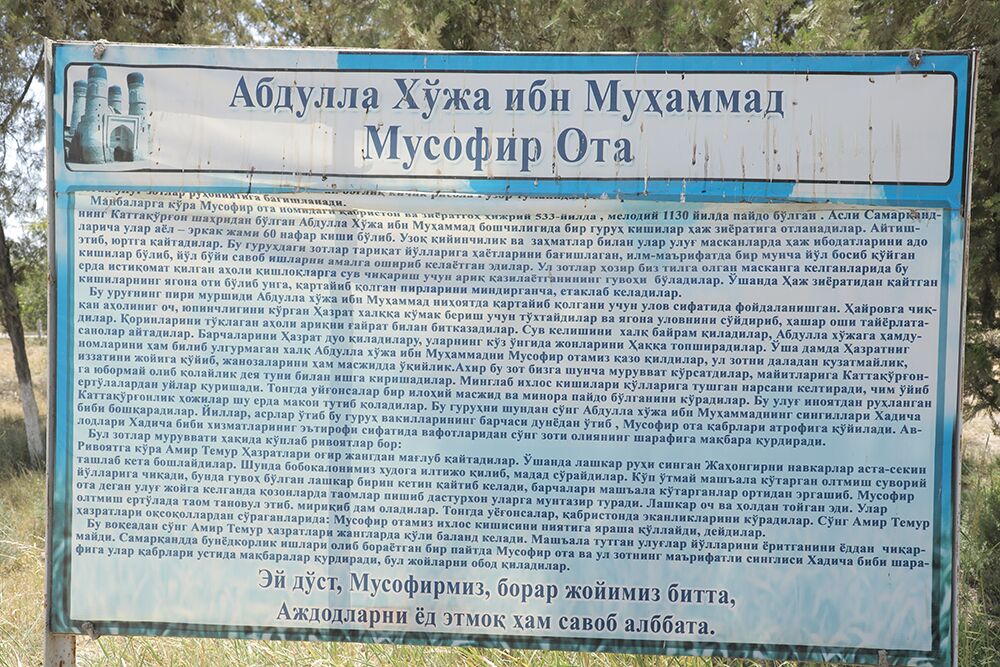
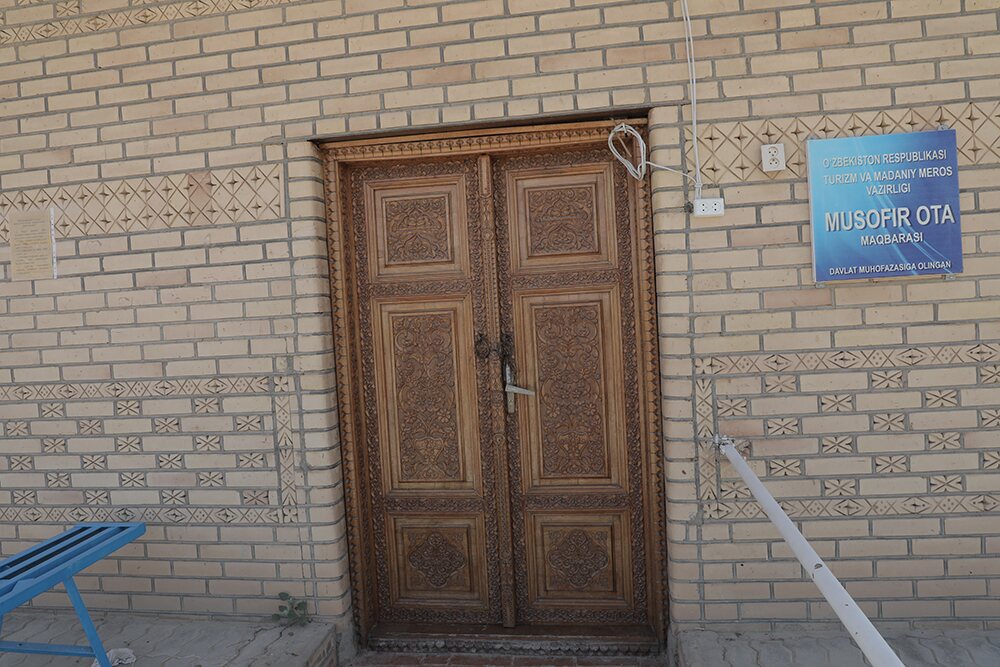
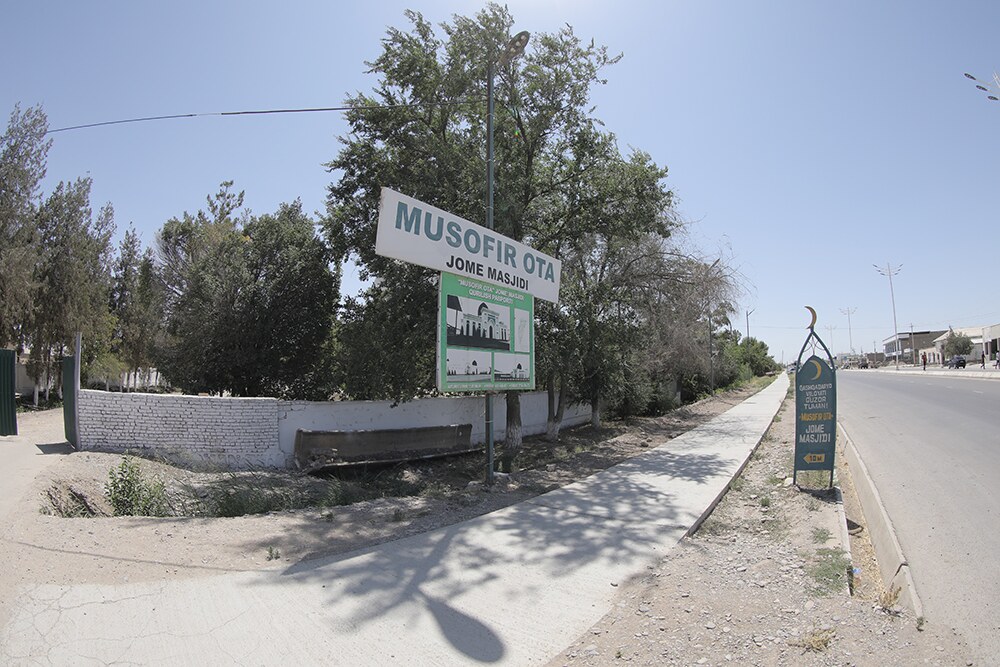
The Musofir Ota pilgrimage site is located in the Amir Temur neighborhood of the Guzor district in Kashkadarya region. According to sources, the cemetery and shrine named after Musofir Ata originated in 533 AH (1130 AD). A group of people led by Abdullah Khoja ibn Muhammad, who was originally from the city of Kattakurgan in Samarkand, set out on a pilgrimage to Haj.
They say that there were 60 people in total, both men and women, who performed their Hajj rituals in the great sacred places with difficulty and hardship, and then returned to their homeland. The people in this group had devoted their lives to the path of tariqat, dedicated themselves to knowledge and enlightenment, and were performing good deeds along their journey. When they arrived at the place we are now mentioning, they witnessed the local inhabitants digging canals to bring water to the village. At that time, the pilgrims returning from Hajj had only one horse, on which they had their spiritual leader ride while they led it. They slaughtered this horse for the community workers (hasharchi) and distributed the meat. Shortly after, their spiritual leader passed away at this location and was buried there. Later, this place became a large cemetery and was named the pilgrimage site of Musofir Ota.
The cemetery is ancient, with numerous marble tombstones inscribed in Arabic and Persian. Mirzo Me'rojiddin, a senior researcher at the Imam Bukhari International Research Center in Samarkand and a historian specializing in source studies, conducted scientific research here and deciphered the Arabic-Persian inscriptions on the tombstones.
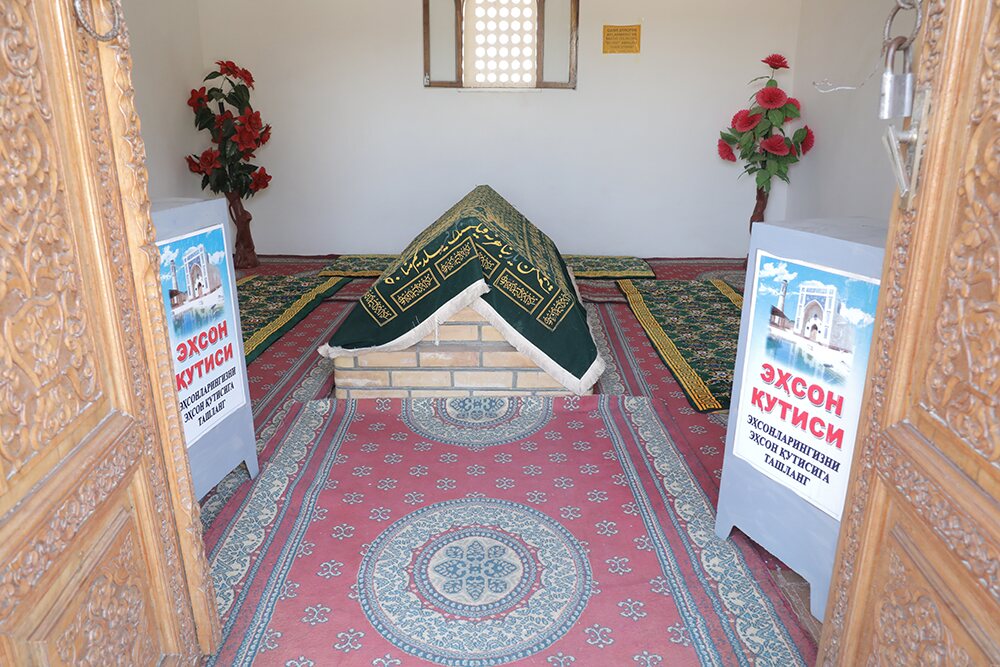
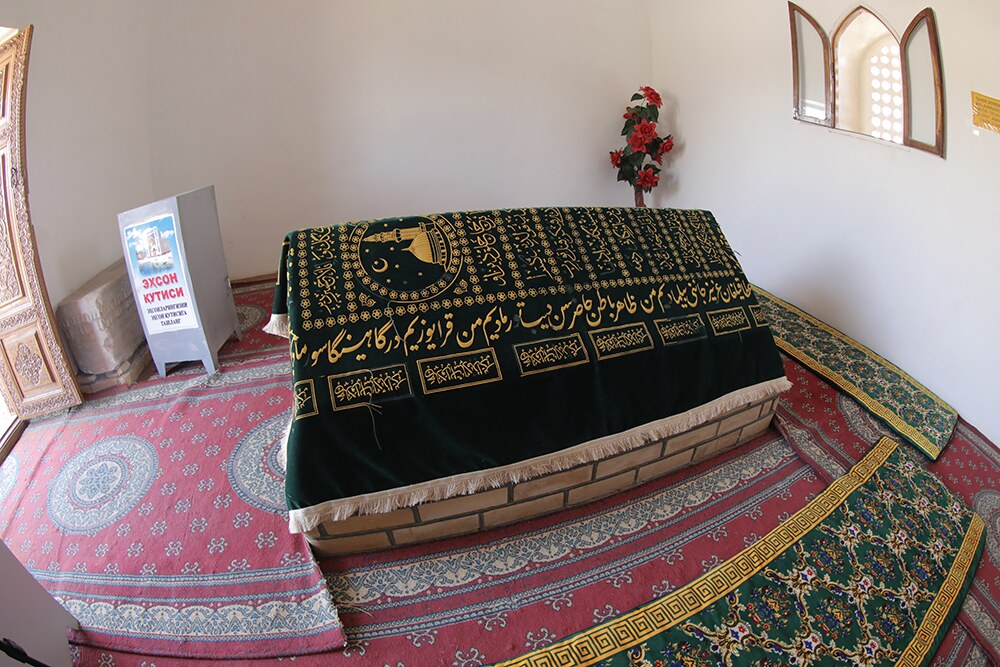
At the entrance to the mausoleum, a magnificent marble tombstone is well-preserved in the right corner. This tombstone measures 170 cm in length, 40 cm in width, and 45 cm in height. Verses from the Qur'an are inscribed on both sides. Most notably, you can observe ancient inscriptions that have been preserved until now on the side of the tombstone's head. The translation of these inscriptions is as follows: "Death of Amir Husain Qavchin ibn Tukhtamish Qavchin ibn Haji Qavchin, Fit tarikh Jumadal avval arba' va salasin va samaniya hijri 834," which translates to: "Amir Husain Qavchin, son of Tukhtamish Qavchin, son of Haji Qavchin. The date of his death is Jumadal Avval, Hijri year 834 (1430 CE)".
According to research, this tombstone belonged to Amir Hussein Kavchin, the most trusted commander of Amir Timur, who served faithfully in military campaigns.
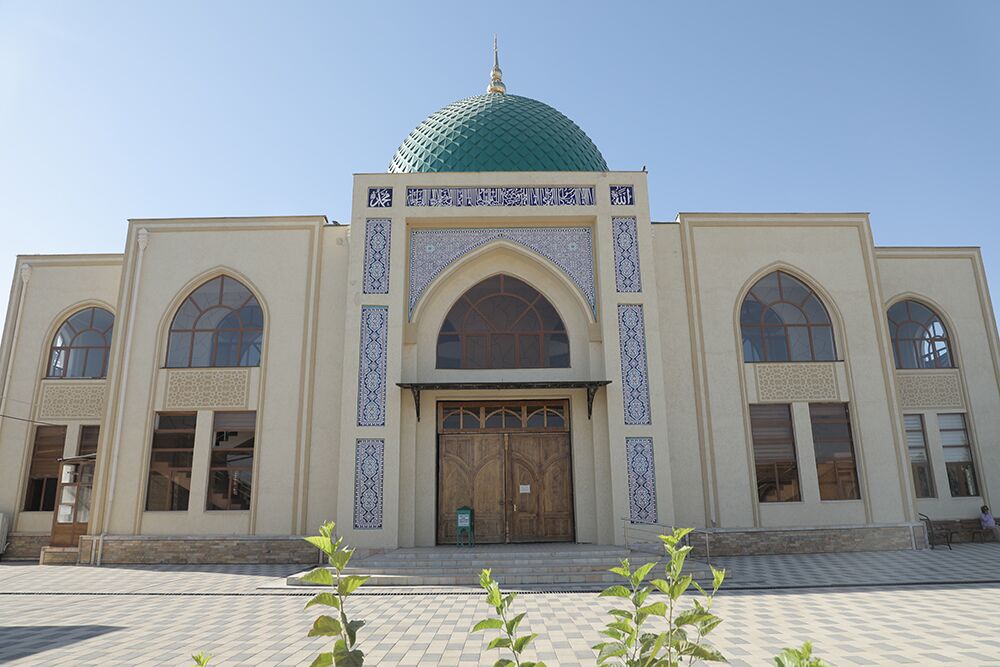
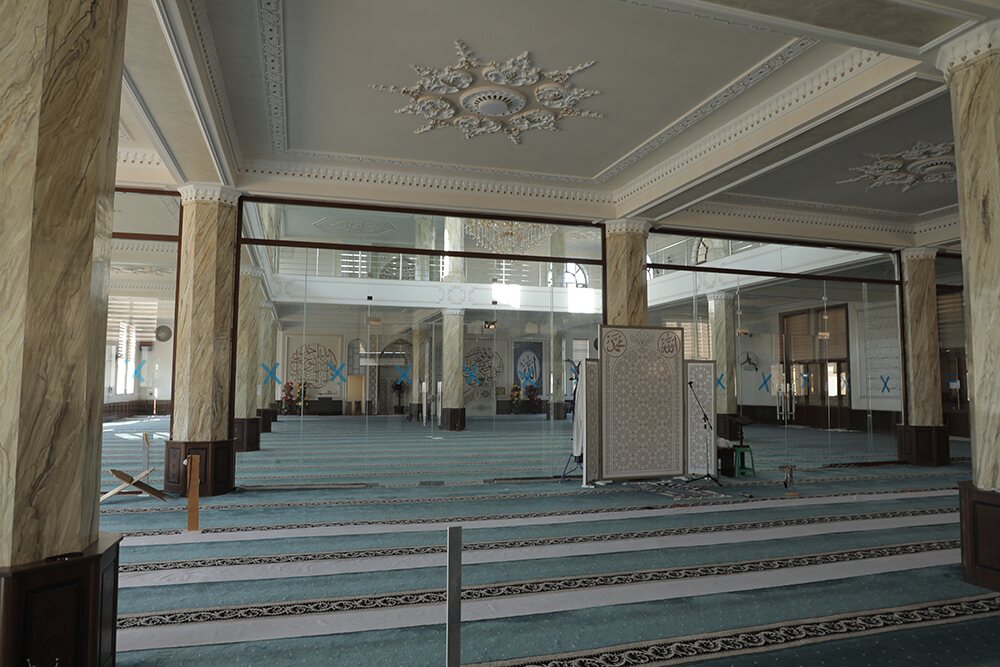
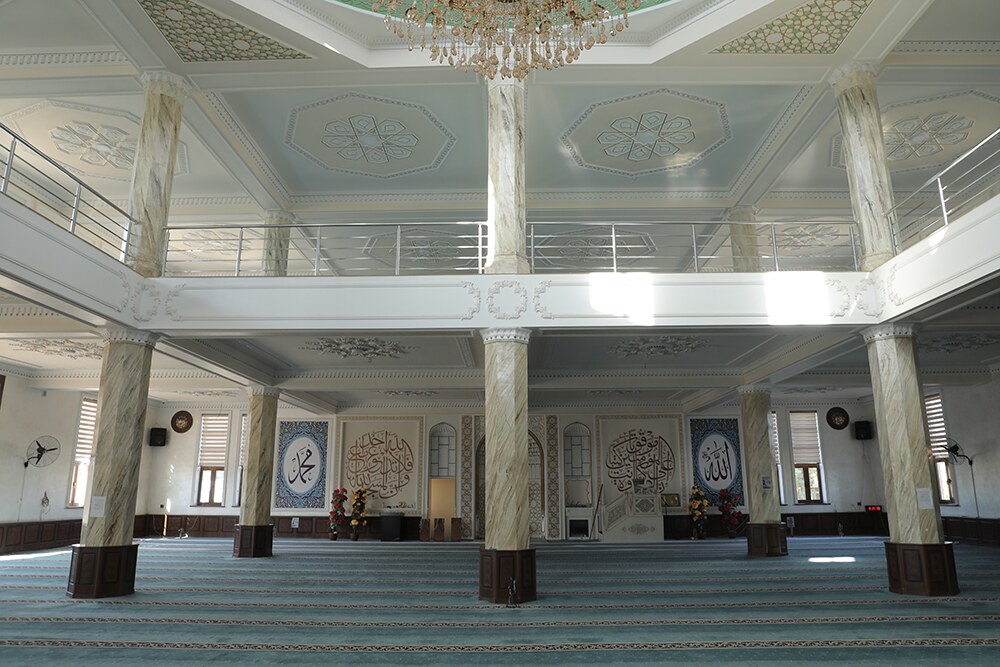
A large number of people gathered and visited this shrine during the Ruza and Kurban festivals. Various activities were conducted there. The site of an ancient pond has been preserved on the territory of the shrine. The approximate size of this pond is 10x10 square meters. Not far from the ancient pond, there was also a mosque in the adjacent area. The mosque was built with rammed earth walls. Later, during the totalitarian regime period, it was demolished. Another mosque was built about 10 meters south of the ancient mosque. This mosque was also later destroyed. Clay platforms have been constructed on the territory of the shrine.
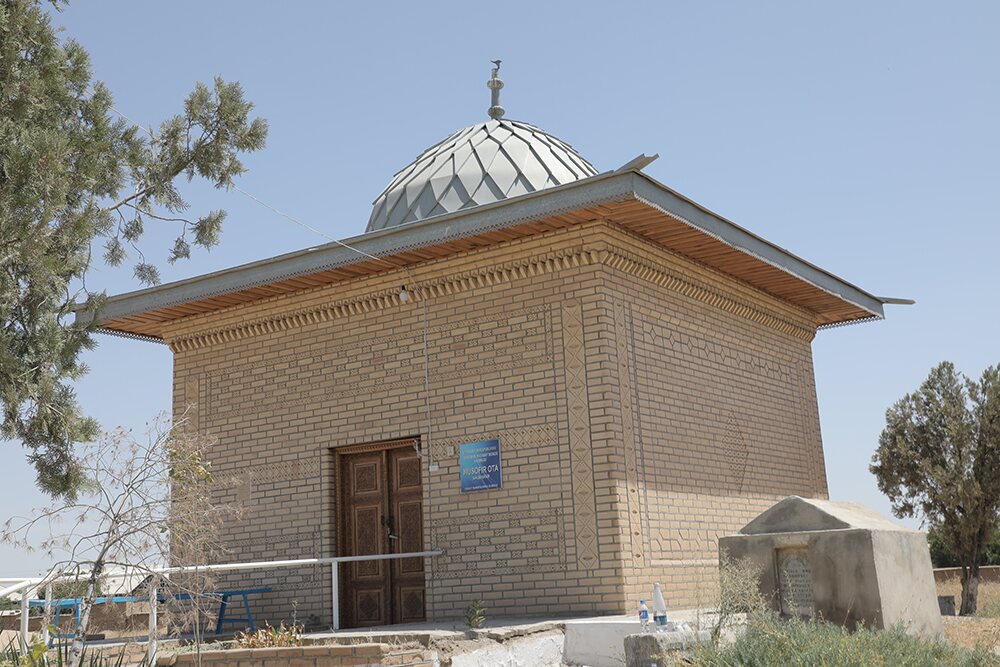
The mausoleum known as "Musofir ota" was originally constructed from rammed earth and covered with a dome. In ancient times, there was also a chillakhona (retreat cell) in the territory of the shrine.
These historical monuments play an invaluable role in enhancing the tourism potential of our republic, our region, and especially our district.
LIST OF USED LITERATURE
- Dala tadqiqotlari. Qashqadaryo viloyati G‘uzor tumani, 2024 yil 20 iyul.
- Qashqadaryo viloyati madaniy meros boshqarmasi ma’lumoti. 2024 yil 7 avgust.
- Ergashov A. Musofir ota yohud Amir Husayn Qavchin ziyoratgohi. – Toshkent: “Hilol media”, 2018. – B. 44.
- Ergashov M. G‘uzor me’morchilik tarixi. – Toshkent: “Hilol mediya”, 2019. – B. 47.