MIRI JANDA SHRINE (Guzor district)

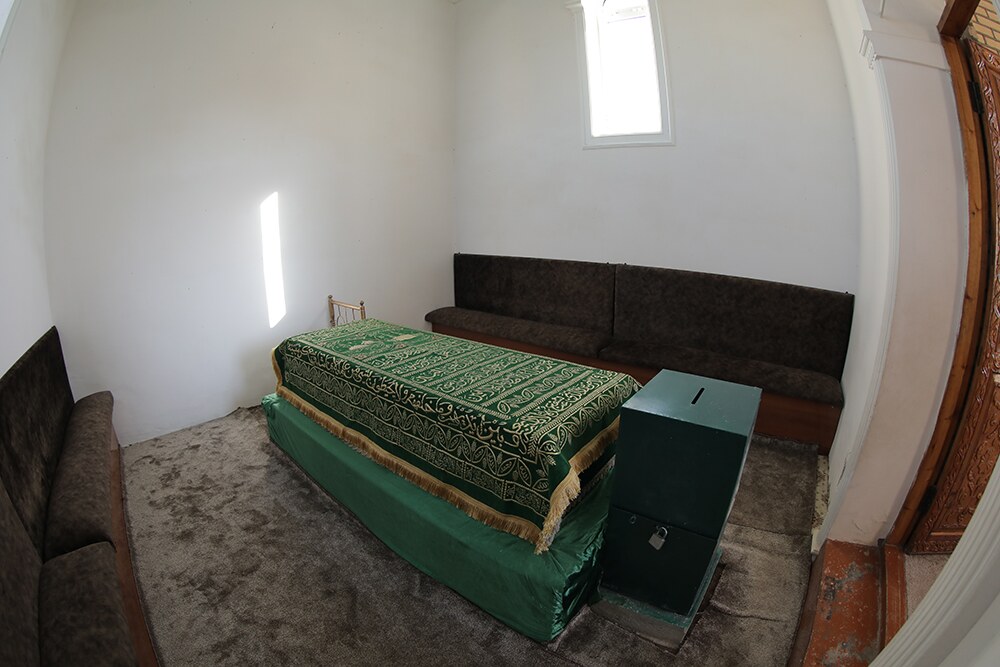
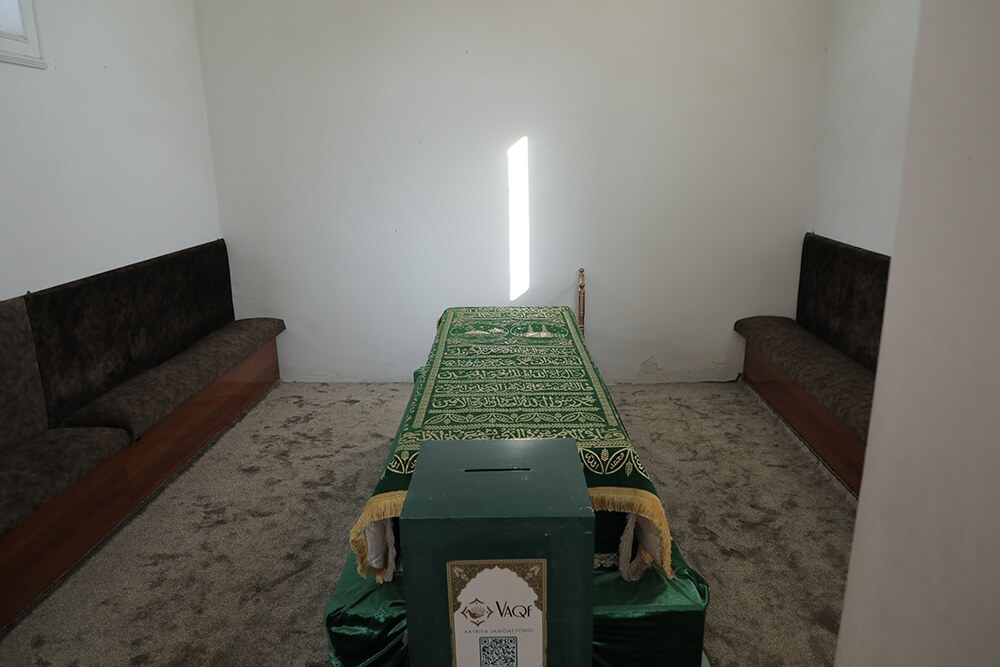
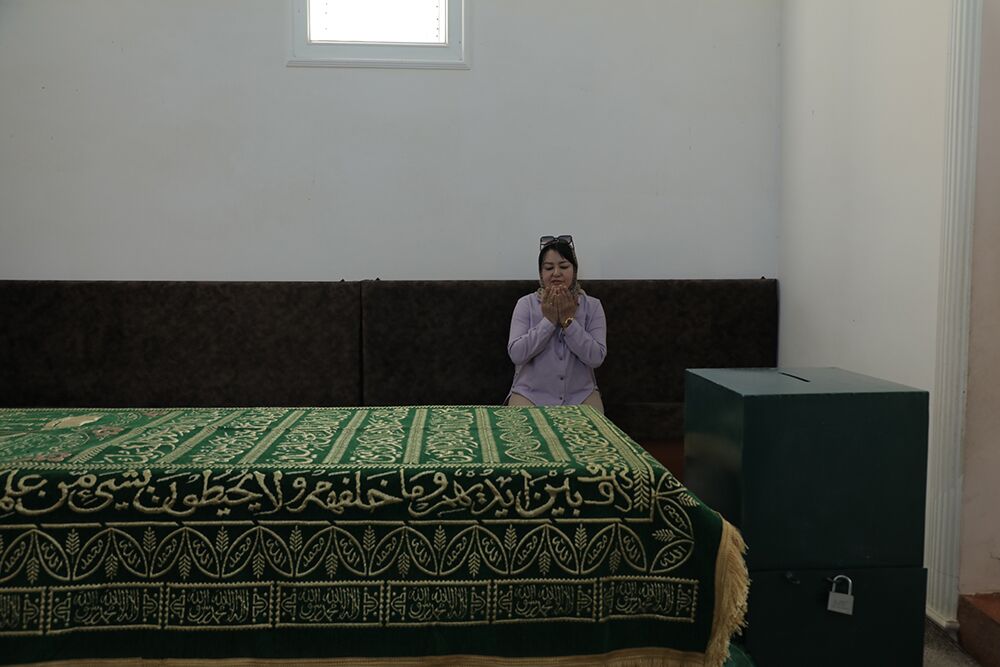
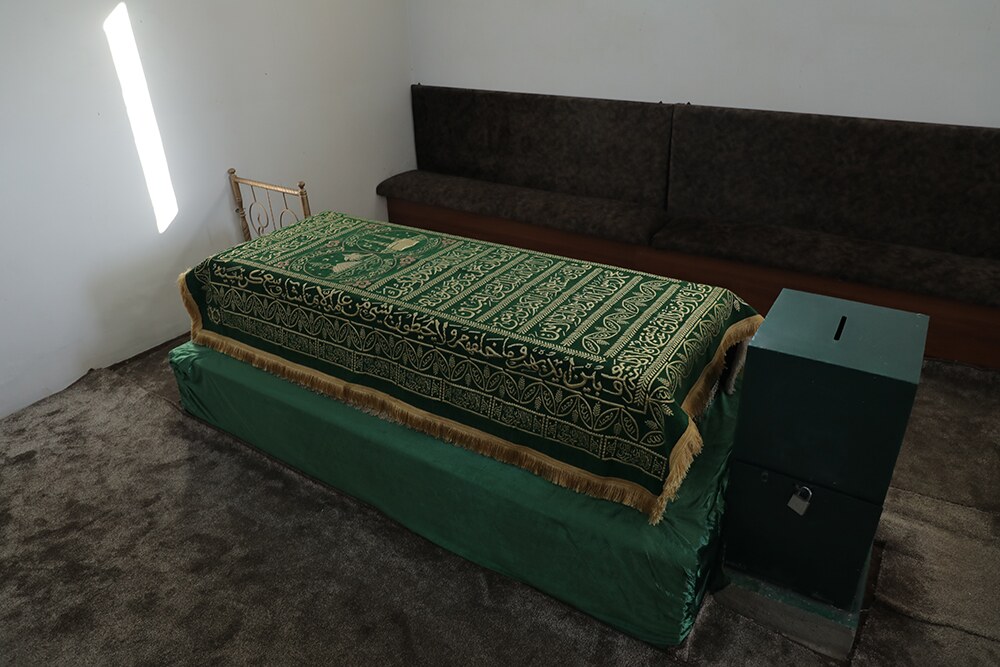
The shrine of Miri-Janda in the city of Guzor is situated on the upper left bank of the Guzor river, in the village of Mardtepa[1]. The ashes of Shahabuddin Umar Suhrawardi (1144-1234), the founder of Suhrawardiya Sufism, is buried in the shrine. This name indicates that the scholar was born in Suhraward [2:264-272], in the Jabal region of northeastern Iran. He was a great Sufi who worked in the Middle Ages, a jurist, a skilled imam who had a high level of knowledge of language and law, a methodologist, and the founder of the "Suhrawardiya" order, which still has not lost its influence in the Islamic world [3:9].
The first teacher of Shahabuddin Umar Suhrawardi was Abu Najib Suhrawardi, one of the famous scholars who created under the name of his uncle Suhrawardi. He studied at the Nizomiya madrasa, one of the famous universities of the East. Shahabuddin Umar Suhrawardi's views are covered in his philosophical works, "Kashf al-fadoyih al-yunoniya va rashf an-nasoih al-imoniya" is devoted to criticism of Greek philosophy, including Aristotle's Peripateticism. The book is in the attention of historians of philosophy, translated into Persian by Mumniddin Yazdi in 1373, the work entitled "Aborif ul-maorif" ("Gifts of Enlightenment") is also of scientific and practical importance. It consists of 63 chapters, mainly devoted to the epistemology of Sufism, morals, and the practice of psychology. In the work, it was considered that "worldly knowledge is like milk, and divine knowledge is its cream." By this, the author means that the spirit has a higher status than matter [4:435]. The work was translated into Arabic, Persian, Turkish in the 18th-16th centuries [3:13]. In the 20th century, the book was repeatedly published in German and English.
Shahabuddin looked at existence as a collection of colors at different speeds and advanced the view of "Ishroq" (shine). That is why he was also called "Shaykh ul-Ishroq" [5:122-123]. Sheikh's book "Hikmat ul-Ishroq" is considered one of the rarest spiritual sources, and this work contains not only moral-educational, but also scientific knowledge of this period.
Shahabeddin Umar was a Sunni scholar who promoted moderate views. He took an active part in the political life of Baghdad. Later, Suhrawardi doctrine spread in India (Sindh, Panjab, Molton, Gujarat) and was considered the most influential sect along with the Chishti sect. In the early period, he played an important role in uniting the few Muslims who came to this country. scholars who lived in different eras paid their respects to him. For example, Alisher Navoi mentions him with respect. Amir Temur's elder Sheikh Shamsiddin Kulol also belonged to the Suhrawardian sect. By the 18th-18th centuries, Suhrawardism was divided into several independent streams (Shattariya, Bahaiya, Jaloliya, Jamoliya, Mahmudiya, State Shahiya, etc.)[4:434].
Among his students were his son Imamuddin Muhammad (d. 1257), Sheikh Najibuddin Buzgush of Shiraz (d. 1279) and others. The great Persian poet Saadi Sheraziy (1208-1292) called Suhrawardy his teacher in his work "Bostan". Umar Suhrawardi rose to the rank of "Sheikh of Sheikhs" in Baghdad at the age of 35 [6:54-55].
He was appointed by the Caliph of Baghdad as the leader of the Sheikhs of Baghdad. He later rose to the rank of adviser in the court of khalifa Nasir li Dinilloh (1180-1225). In 1217-1218 Khorezm Shah conducted diplomatic negotiations with Alauddin Muhammad. As an ambassador, he worked for a long time in the palace of Khorezmshah in Movarounnahr. In order to continue his father's teachings, his son Sheikh Zayniddin takes the village of Kuhi Orifon near Tashkent [3:55]. Here, he teaches Islamic sciences to the local population. In the Kokcha daha of Tashkent, on the height in the middle of the cemetery, the gable-domed oblong mausoleum of Sheikh Zayniddin Bobo rises. According to legends, the mausoleum (XIII century) was built in the name of Sheikh Zayniddin during the reign of Amir Temur [4:562].
Because Shahobuddin Umar Suhrawardy spent a lot of time in Baghdad, some sources say that he died in Baghdad and was buried in the "Vardiya" cemetery there, while the famous Russian orientalist V.V. 17]. Amir Temur built a mausoleum over the grave of Shahabuddin Umar Suhrawardi (1144-1234), a Sufi, jurist, imam, the founder of the "Suhrawardiya" sect. [7:348].
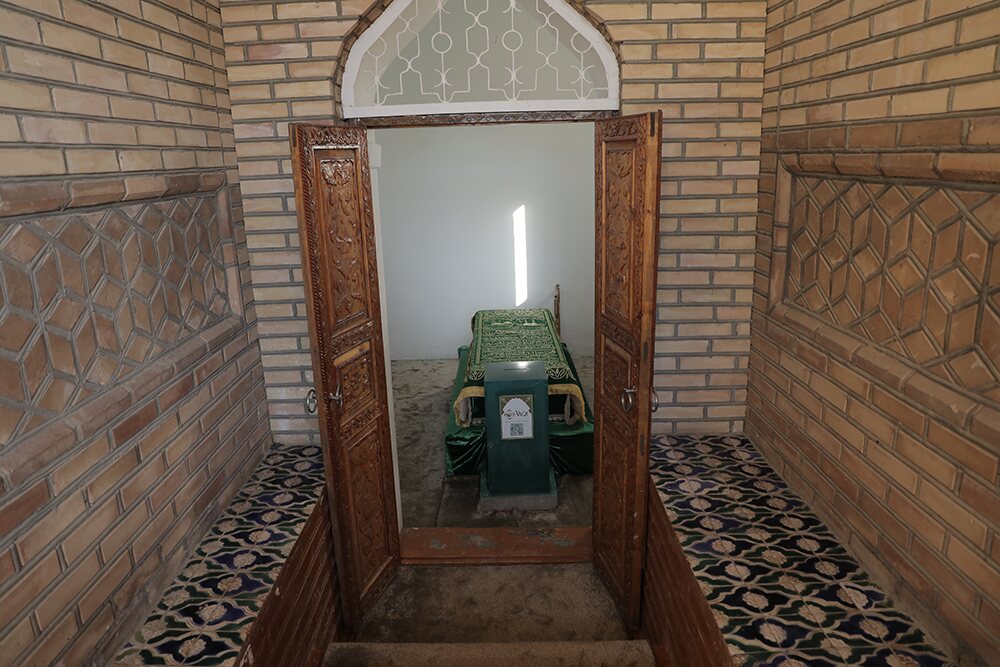
Shahabuddin Umar was buried in present-day Guzor territory and was buried in Amir Jand cemetery [3:23]. Although it has not yet been proven whether there is a scholar's body in this grave, this place is currently a shrine [1]. "Miri Zanda" means "Great Hirka" because the name of the cemetery where he was buried was a Hirka.
It consists of the Marzaboni Chillakhona and the rooms, where students studied in their time. Only the mausoleum has been preserved from the monument, which reflects the styles of medieval architecture [8:25].
This shrine, as a complex embodying the image of the famous philosopher, scientist, mystic and poet Suhrawardy, occupies a great place in the scientific, spiritual and literary life of his time.
REFERENCES:
1. Дала тадқиқотлари. - Қашқадарё вилояти Ғузор шаҳри. 2024 йил 20 июль.
2. Даминов И. Шаҳобуддин Умар Суҳравардий / Буюк юрт алломалари.Иккинчи нашри. Тузувчи У. Увватов. – Тошкент: O‘zbekiston, 2018.
3. Эргашов А. Мири-Жанда ота мажмуаси. – Тошкент: Qaqnus media, 2019.
4. Ислом энциклопедияси. Тошкент: Ўзбекистон миллий энциклопедияси давлат илмий нашрёти, 2017.
5. Ҳомиджон Ҳомидий. Тасаввуф алломалари. – Тошкент: Ўзбекистон, 2016.
6. Эргашов А. Ғузор меъморчилик тарихи. – Тошкент: Nilol media, 2019.
7. Салоҳиддин Тошкандий. Темурнома. – Тошкент: Чўлпон, 1991.
8. Муҳаммадкаримов А., Обидов А., Искардаров З. Тошкентнинг табаррук зиёратгоҳлари. – Тошкент: Navro‘z, 2016.