TOHIR-ZUHRA MONUMENT (Guzor district)

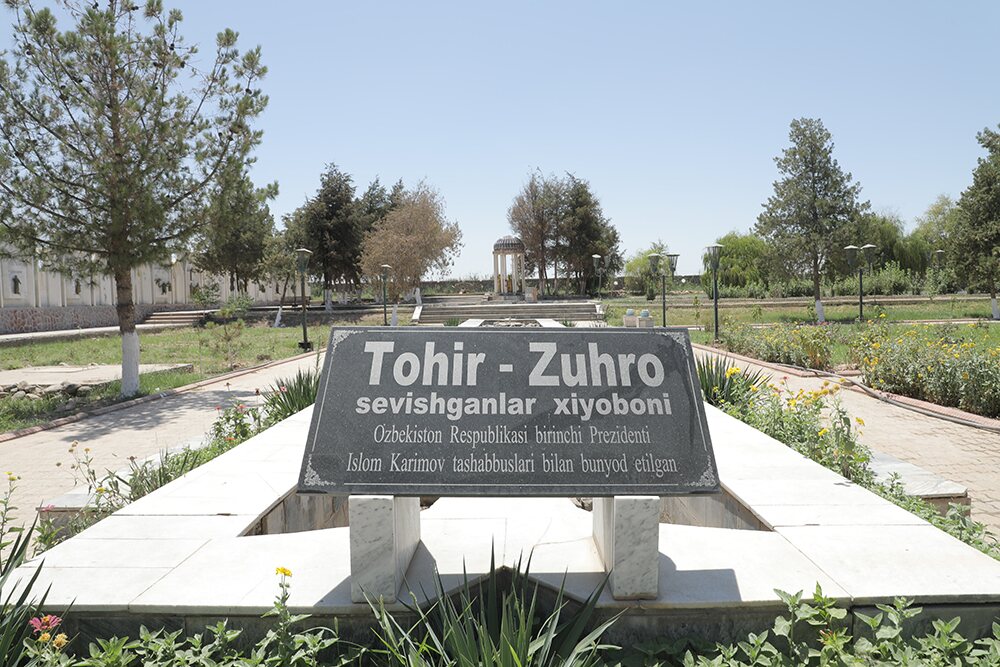
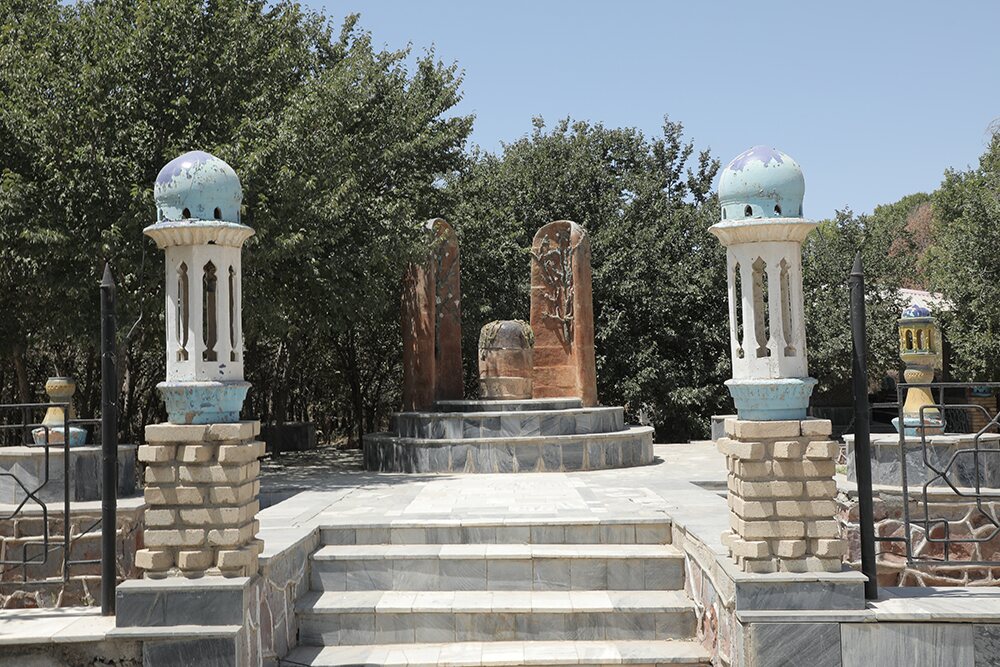
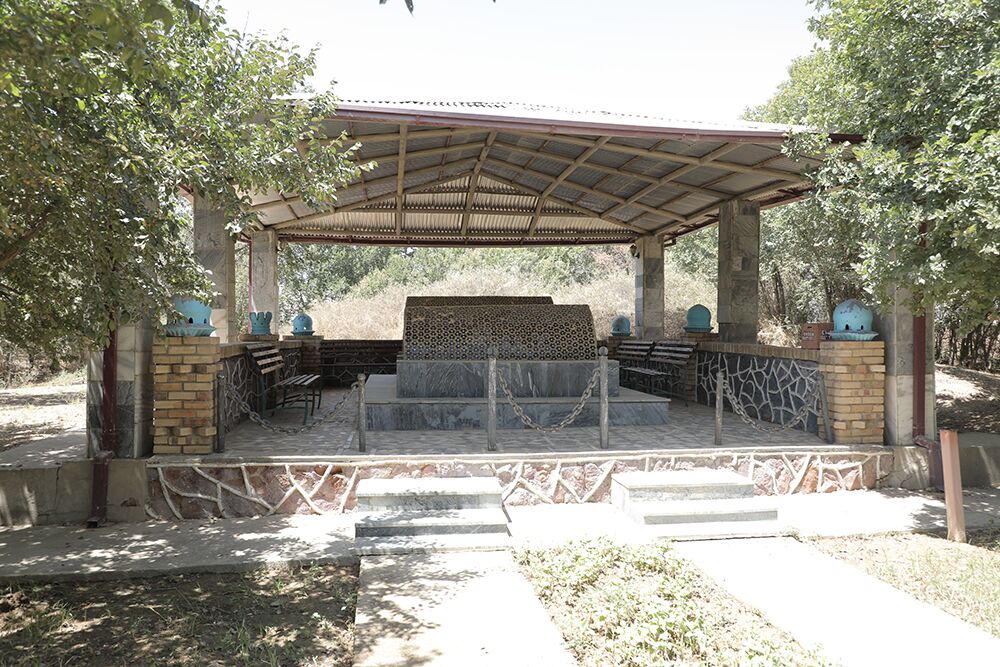
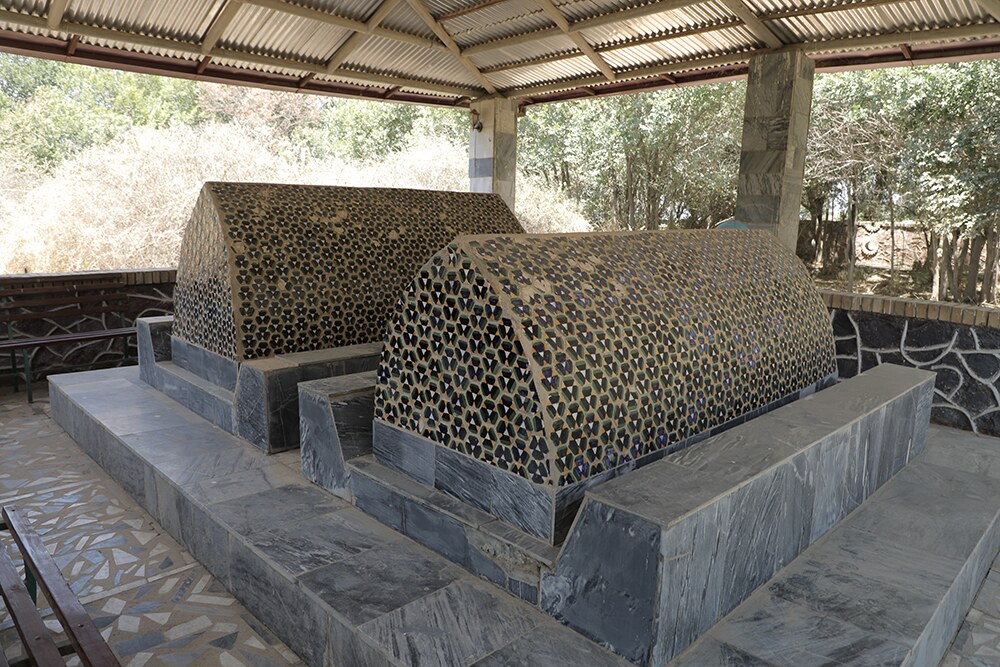
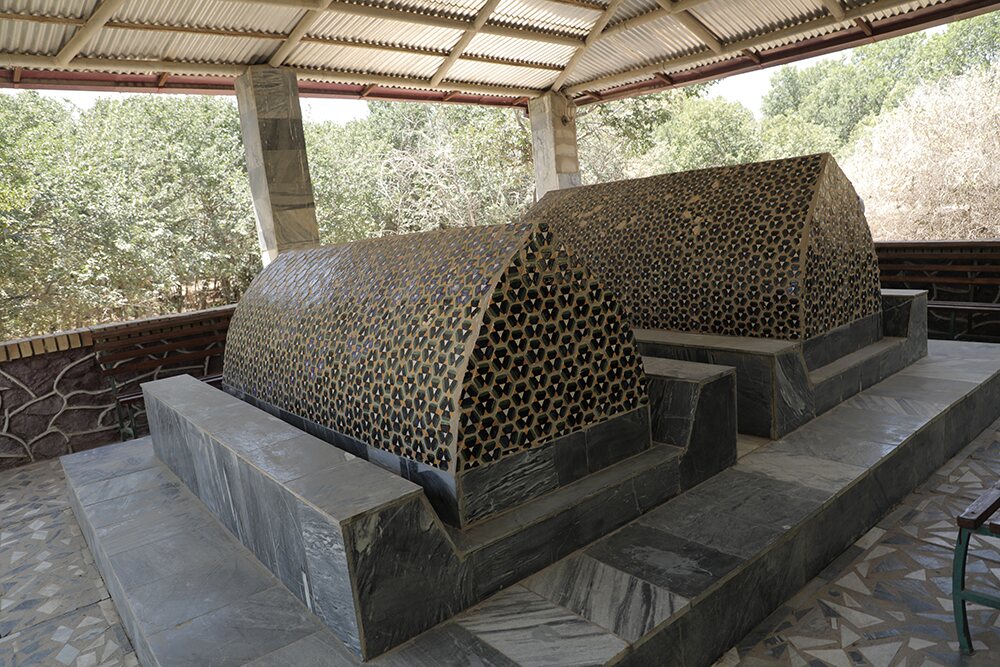
In the village of Dong Qovchin in the Guzor district, there is a monument to Tohir-Zuhra, which calls people to loyalty, love, and devotion. Among the people, there are many legends about the shrine of Tohir-Zuhra, including the belief that Tohir and Zuhra, symbols of love and affection, actually lived here. Although their lives ended tragically, this legend has been immortalized in the memory of our people [1]. The tomb of Tohir-Zuhra, a symbol of love, is considered a symbolic place of pilgrimage.
At the end of the 19th and beginning of the 20th centuries, the Tohir and Zuhra monument near the village of Dong Qovchin in the Guzor district consisted of a grave in a thicket. During the Soviet period, it was burned several times as a relic of the past. 400-500 meters north of the tombs of Tohir and Zuhra is the hill of Omonota. This hill is the remains of a historical fortress and is now a cemetery. According to local elders, when digging graves, various items and wooden pillars were found under the soil. There was a large pond on top of the hill. There was also another thicket between the tombs of Tohir and Zuhra and Omonxona [2:74]. The local population imagines that the legend of Tohir and Zuhra took place here.
In 1962, asphalt was laid on the ancient road from Qarshi to the villages of Dong Qovchin and Qoratikan, and a highway was built. Later, this road was extended to the Qamashi district. Now this road has become a highway connecting six districts such as Guzor, Chiroqchi, Qamashi, Yakkabog, Shahrisabz, and Kitob with the regional capital city of Qarshi [3].
In ancient times, melted snow from the Shahrisabz Mountains gathered around Iskandarkul and Amir Temur's cave, forming the Katta Ura River. This river, along with the Kichik Ura River originating from the Bashcharbog Mountains, merged in the Pachkamar area of Guzor district. The confluence of these two rivers gave birth to the Guzor River. Starting from Guzor, this river flowed for 30 kilometers, passing through the village of Dong Qovchin, and joined the Kashkadarya River 2 kilometers away from the Tohir and Zuhra shrine. This is why this area, situated between rivers, has long been known for its picturesque nature and suitability for human habitation.
In the 8th issue of "Sharq Yulduzi" magazine in 1988, renowned writer Ye. Berezikov published a work titled "Living Legend" about the graves of Tohir and Zuhra. The author created a story about the beautiful love of two young people based on the tales of the elderly residents of Dong Qovchin [2:72].
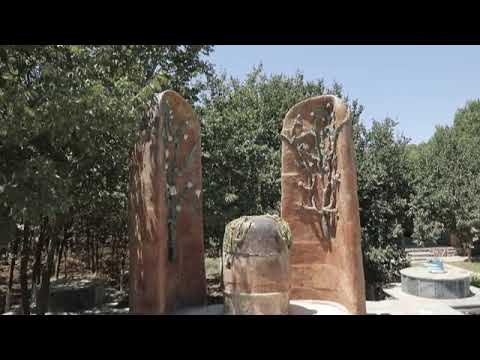
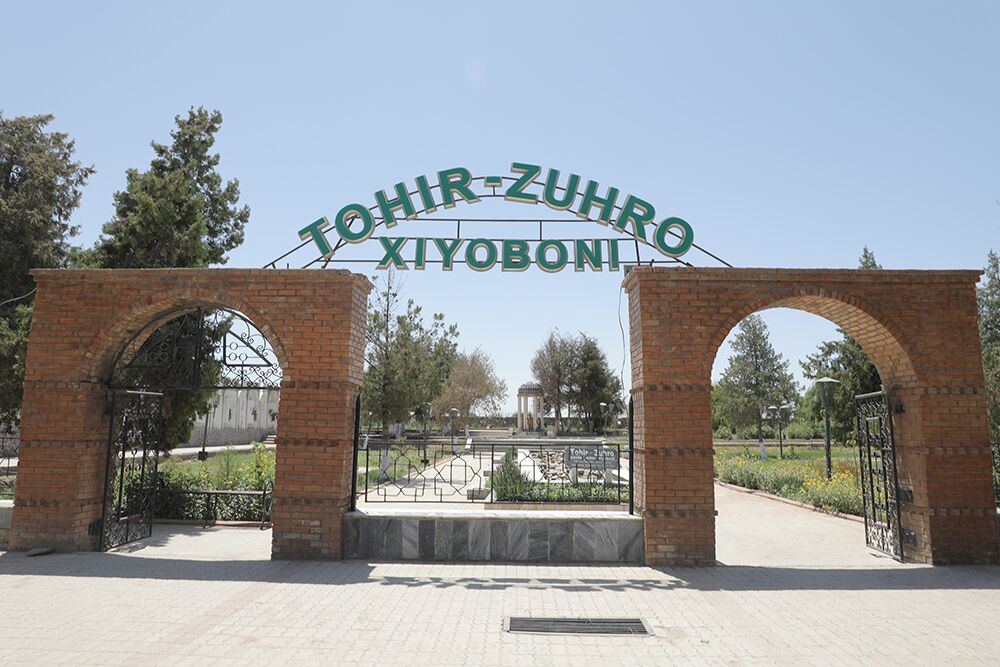
After gaining independence, our state paid great attention to historical sites as part of our cultural heritage. In this context, the Tohir and Zuhra cemetery was renovated in 1991-1992. Extensive construction and landscaping work was carried out at the site.
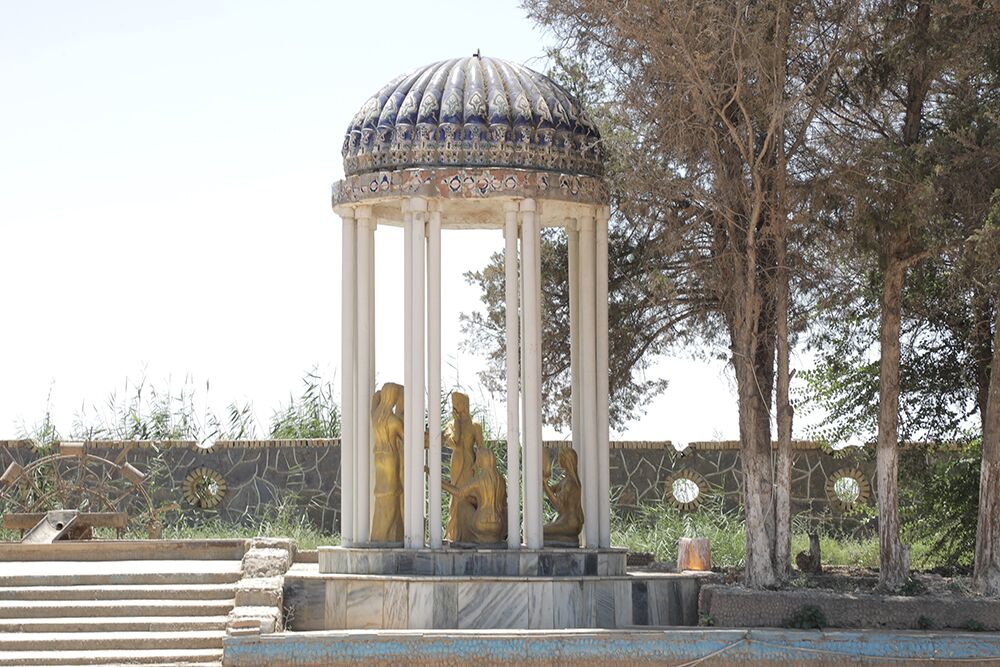
As a result, the shrine was transformed into a beautiful park. A complex of statues depicting the heroes from the legend of Tohir and Zuhra was erected, a fountain was built, and various ornamental trees were planted around the area. Now, this place has become an attractive destination for tourists.
References
- Dala tadqiqotlari. Qashqadaryo viloyati G‘uzor tumani, 2024 yil 20 iyul.
- Ergashov M. G‘uzor me’morchilik tarixi. – Toshkent: “Hilol mediya”, 2019. – B. 74.
- Qashqadaryo viloyati madaniy meros boshqarmasi ma’lumoti. 2024 yil 7 avgust.
v