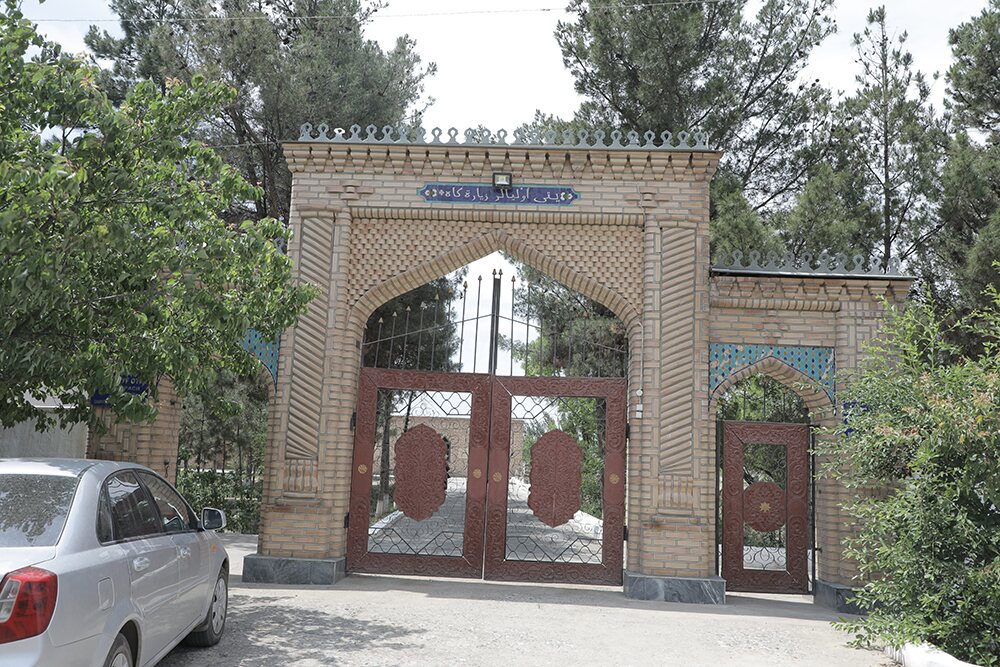
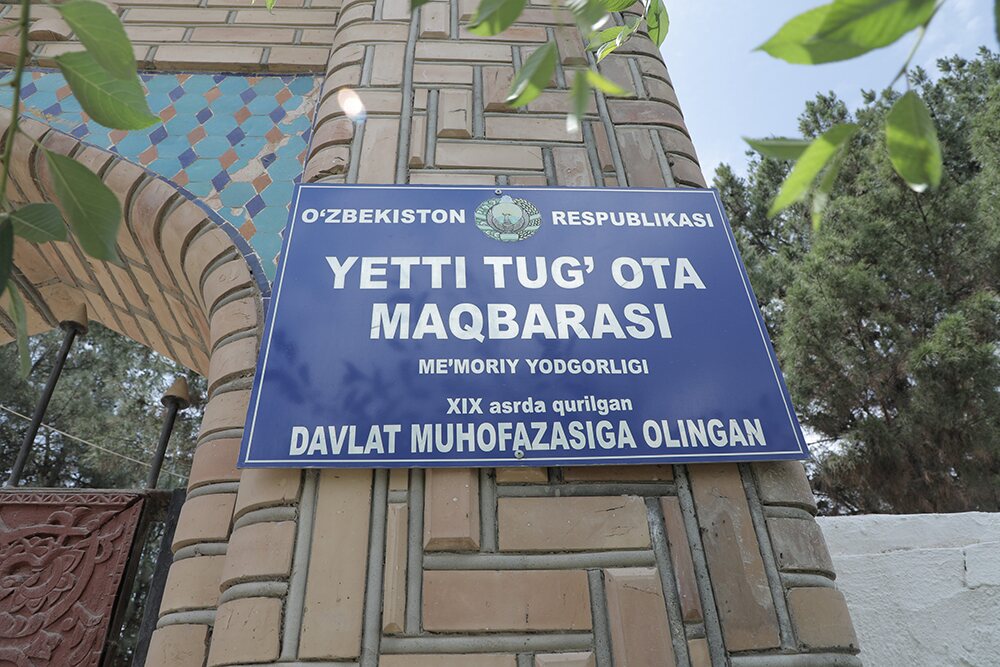
SEVEN FLAGS ANCESTOR SHRINE (Karshi district)

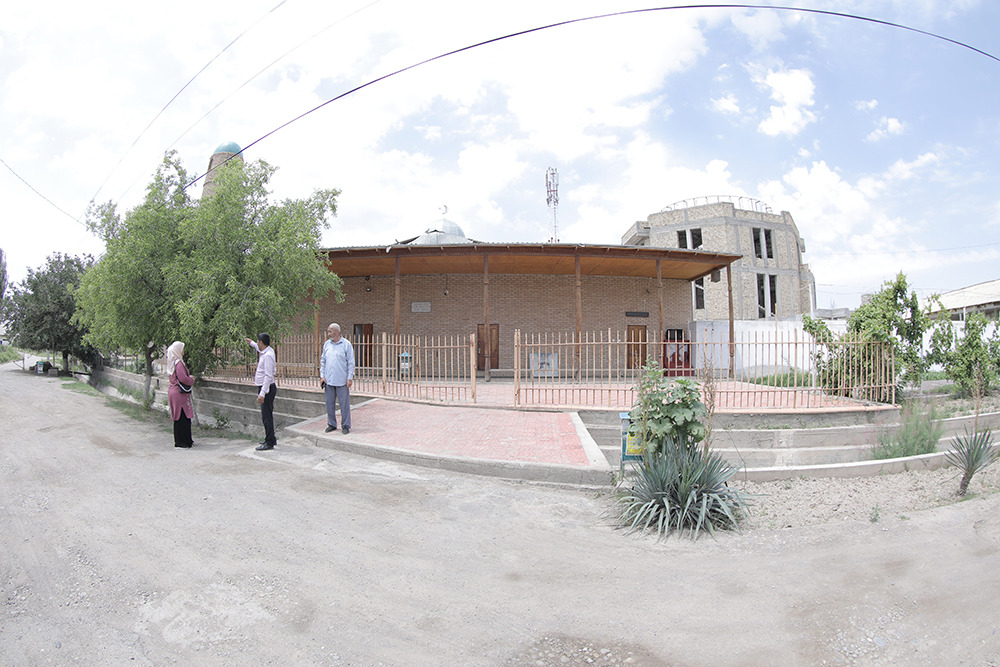
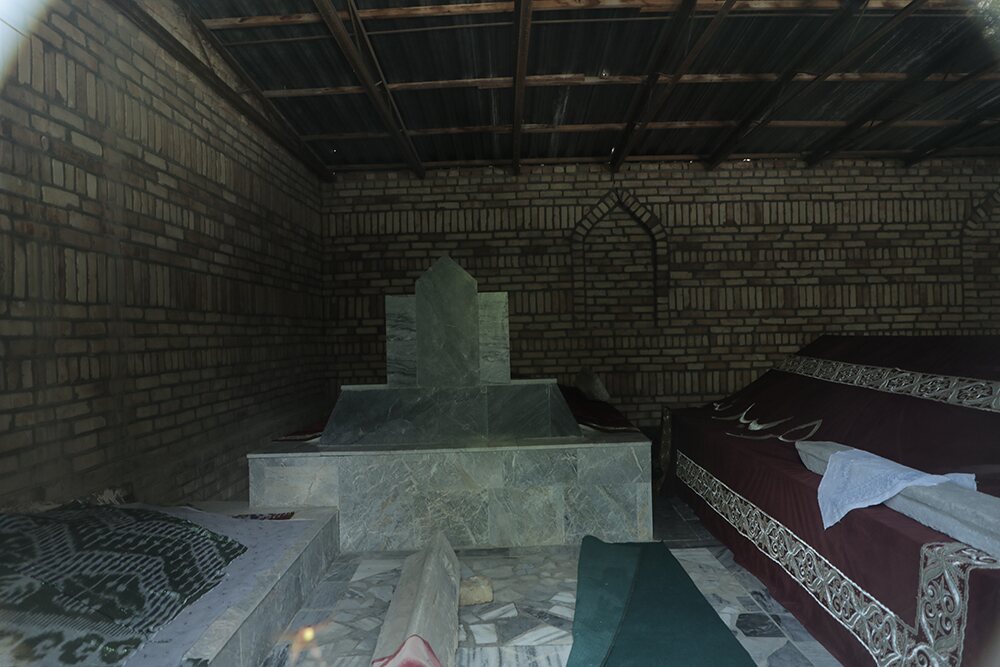
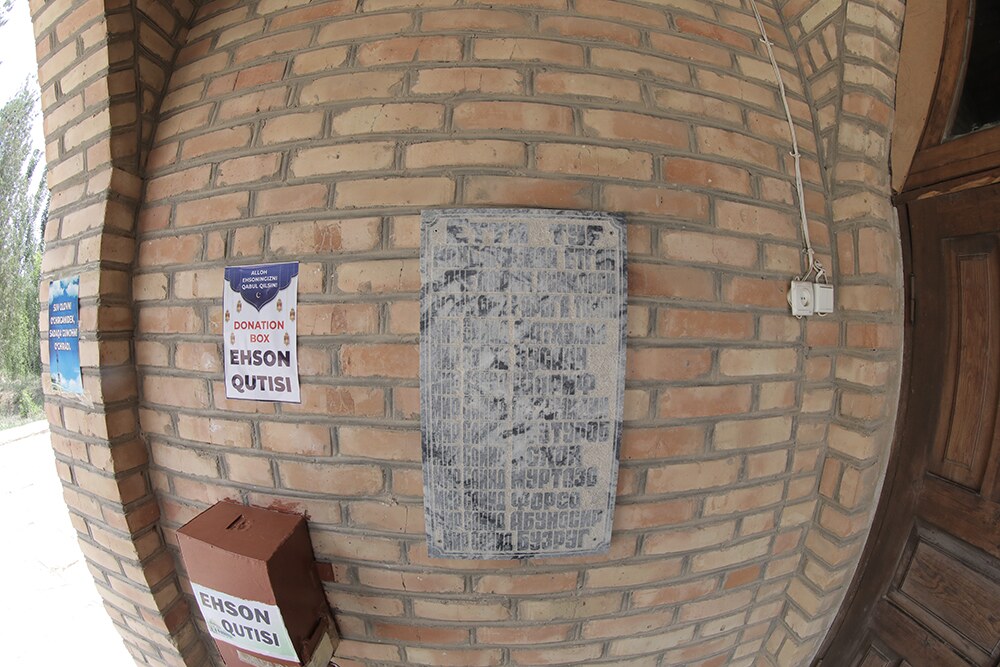
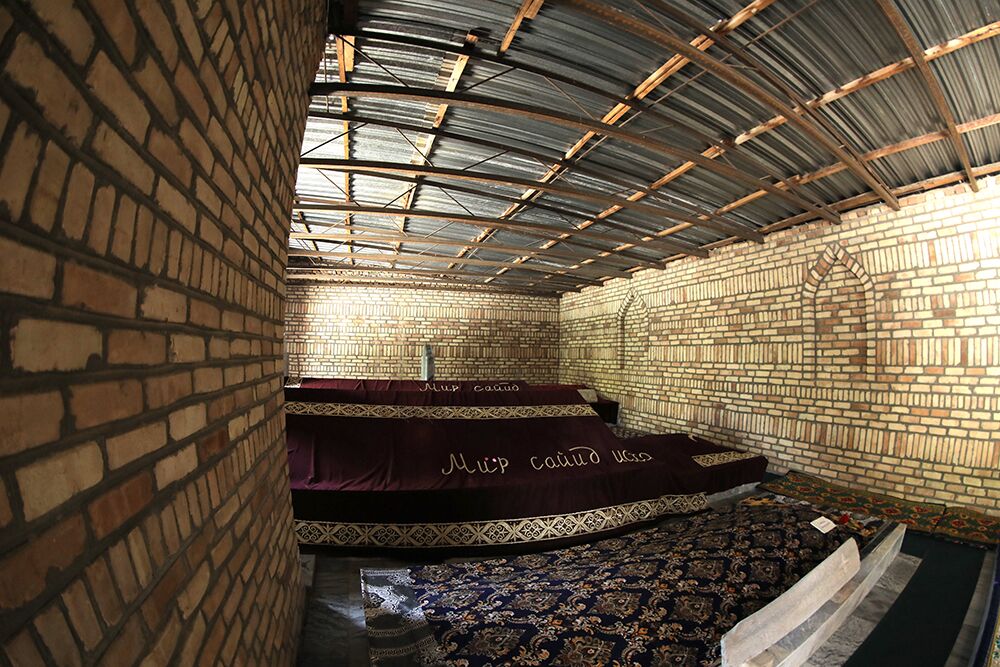
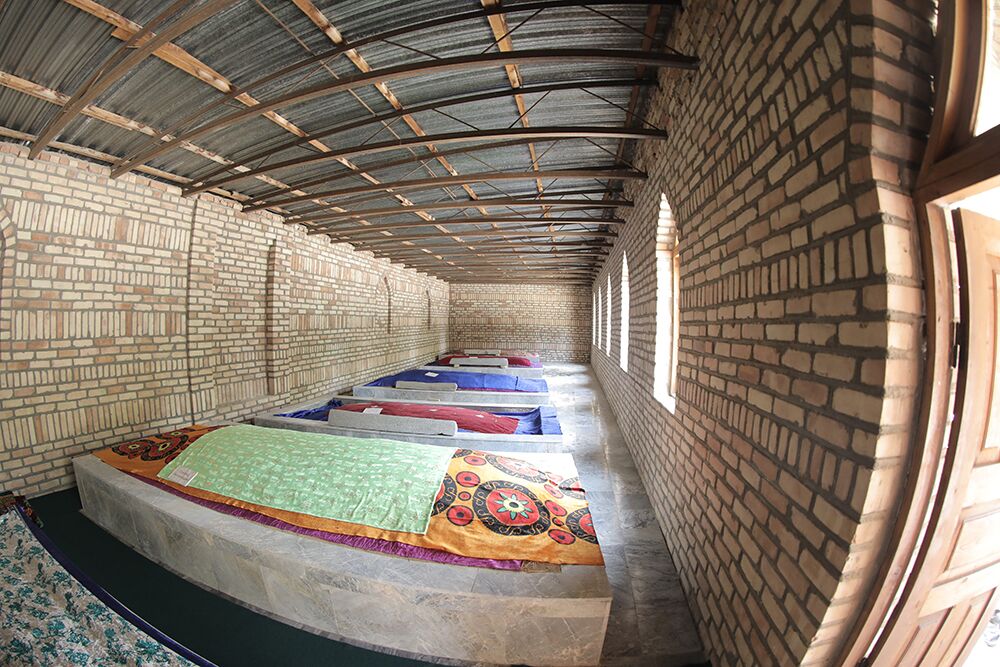
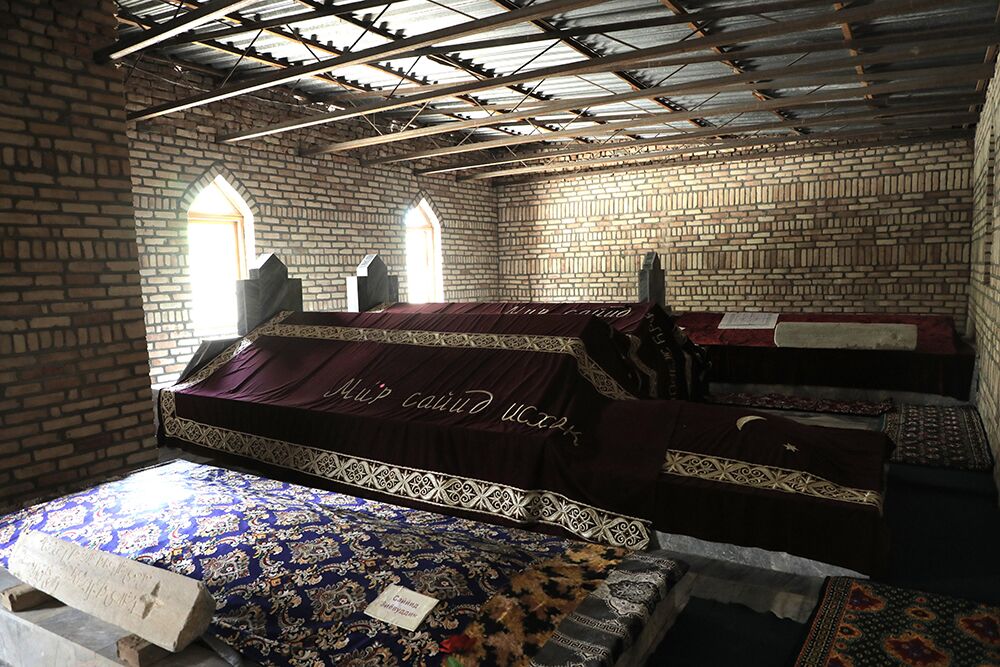
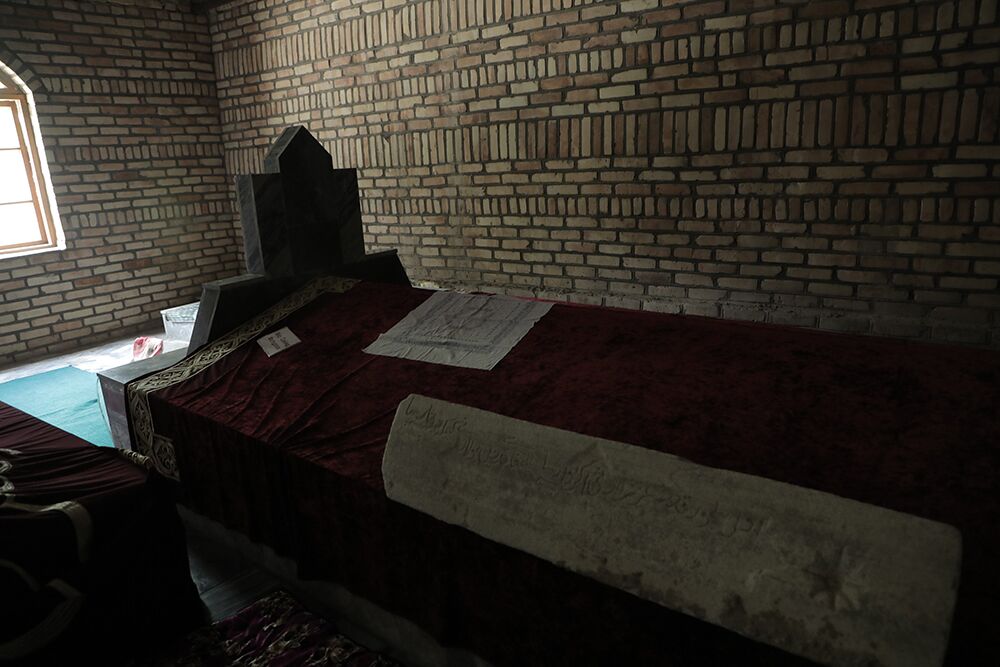
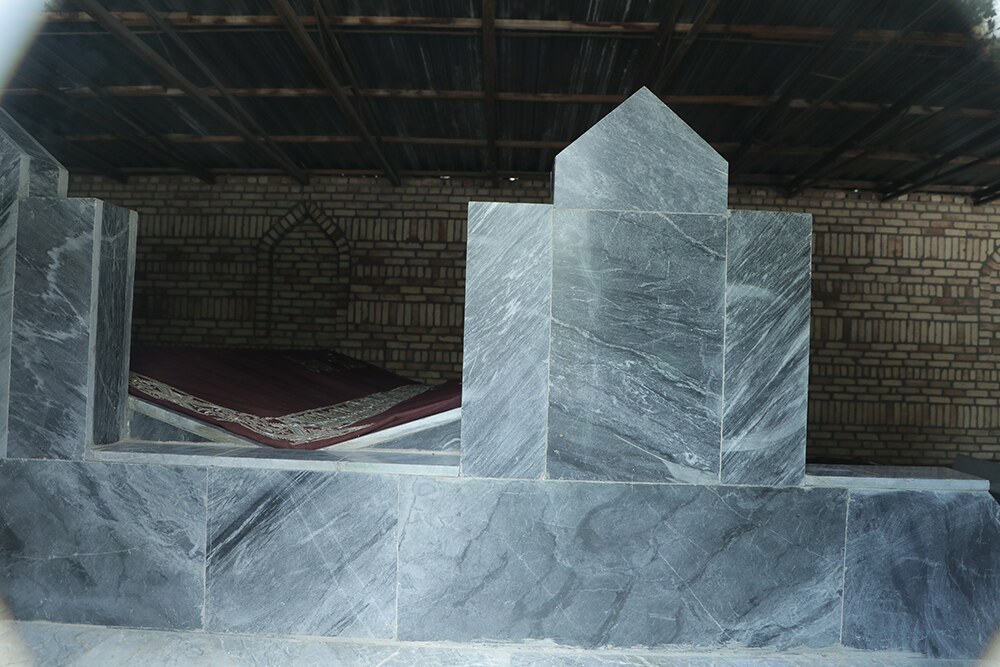
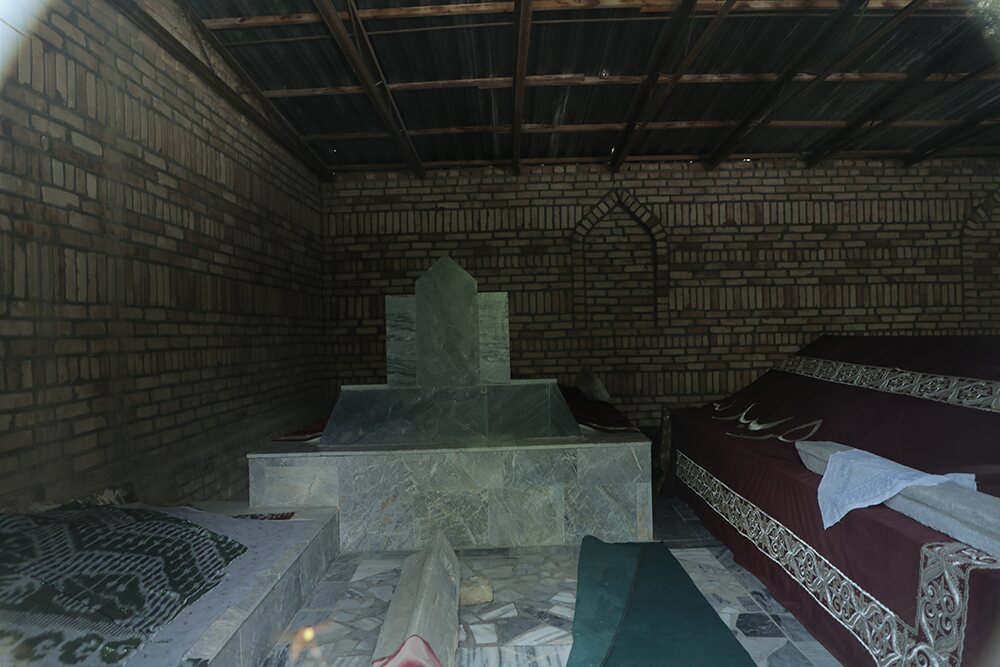
One of the oldest monuments, the shrine of "Yetti Tug' Ota" (Seven Flag Fathers), is located in the village of Patron, 15 kilometers southwest of Karshi, the center of Kashkadarya region[1]. There are tombs connected to the lineage of Hazrat Ali's sons, Hassan and Hussein, which became known in subsequent centuries as "Yetti Tug' Ota," named after the saint Mirsayyid Fathullah and his descendants, the sayyidzodas [2:11-25]. In particular, seven generations of sayyids were buried in the "Yetti Tug' Ota" complex, and after the arrival of the elders who spoke the Persian-Tajik language, this village was also called Patron, Podaron, meaning "Village of the Fathers" [3:158]. Some descendants of Yetti Tug' Ota, such as Fazli, lived in places like Hisor, Kunduz, and Kulob. These generations also spoke Tajik. They would come to visit the tomb of their ancestors, the Yetti Tug' Ota.
According to historian Ruhiddin Akbarov in his book "The Genealogy of Yetti Tug' Ota," "Yetti Tug' Ota" (Mir Sayyid Fathullah) is connected to Sayyid Burhaniddin Kilich in 11 generations, while Makhdumi A'zam is connected to him in 6 generations. These two figures, Makhdumi A'zam and Yetti Tug' Ota, are descendants of Sheikh Sayyid Burhaniddin Kilich. According to the genealogy, it has been established that Khoja Islomi Joybori, Hidoyatullo Ofokkhoja (the teacher of Boborahim Mashrab), Lutfullo Chustiy, Sayyidi Ahmadi Kosoni, and Alikhontora Soghuniy were students and children of Hazrat Makhdumi A'zam (whose real name was Sayyid Ahmadkhoja Kosoni), and that Hazrat Makhdumi A'zam was one of Yetti Tug' Ota's (Mir Sayyid Fathullah's) paternal relatives. Hazrat Makhdumi A'zam was buried under his favorite pear tree. Makhdumi A'zam is considered the spiritual guide of Yalangtosh Bahodur, who built the Sher-Dor Madrasah in Samarkand. Yalangtosh Bahodur, one of the governors of Samarkand, stated in his will: "Bury me at the feet of my spiritual guide, Hazrat Khoja Hoshimi Dahbedi; let those who come to visit my guide step on my grave, for I could not do enough to please my guide" [4:50-51]. Thus, Makhdumi A'zam and Yetti Tug' Ota (Mir Sayyid Fathullah) are closely related to each other.
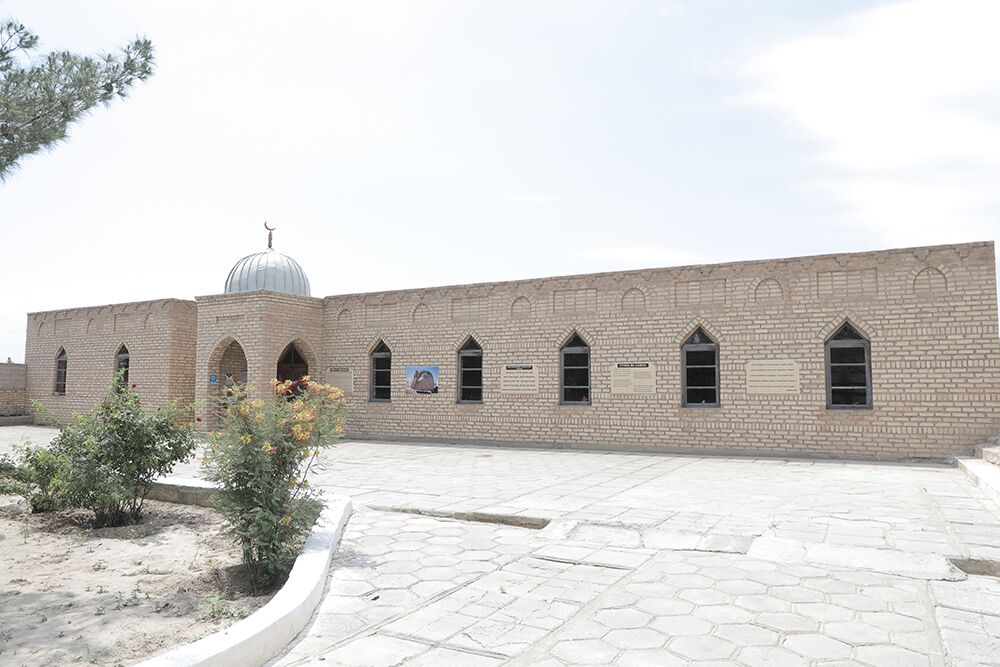
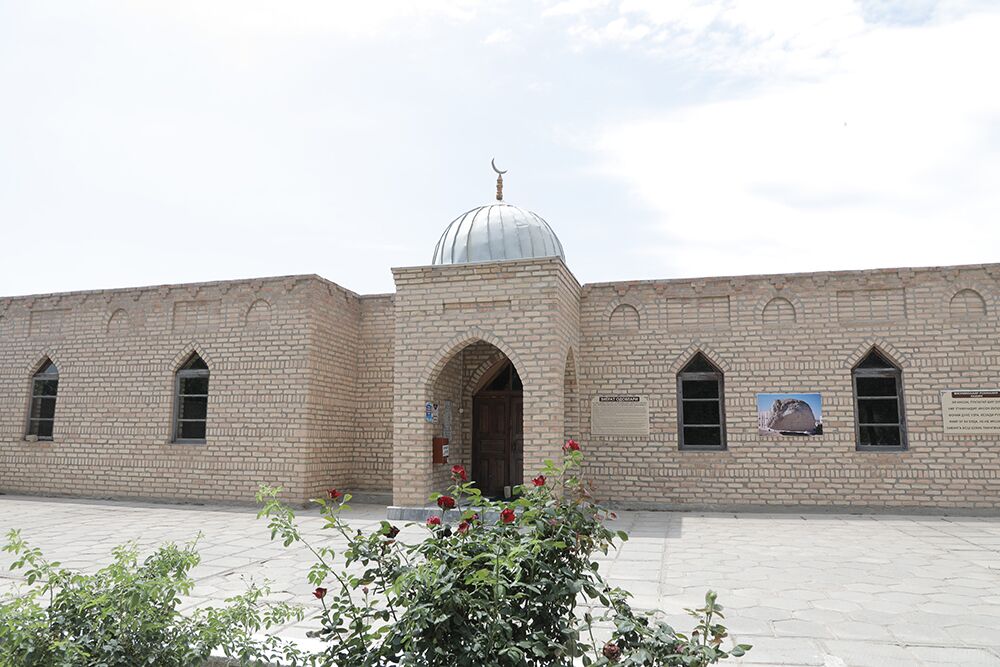
Regarding the origin of the khanaqah in the village of Patron, where they stayed, the Seven Flags genealogy writes: "Mir Sayyid Fathullah came to the shrine of Hazrat Porso Vali called Fayzul-anvar, settled in this village, and received an order that his destiny was in Nasaf. By the command of his great uncle and the prophecy of dear spirits, it was announced that he ('Seven Flags Father') would go to the Old Garden area subordinate to Nasaf. ('Old Garden') is now a well-known village called Patron. The gentleman came here, built a khanaqah, and chose to reside here. Currently, he is buried on the eastern side of the gentleman's khanaqah (mosque) [5:91]. Tajik-speaking tribes have lived around the Seven Flags Father cemetery. There was also a mosque within the khanaqah complex. After arriving in the village of Kuhna Bog (Patron), the Seven Flags Fathers built a khanaqah-mosque.
Archaeologist Yu.L. Mankovskaya, in her book "Architectural Monuments of the Kashkadarya Oasis," describes the monumental single-domed mosques in the Kashkadarya oasis, which were formed in the 10th-16th centuries, describing the mosque built by the Seven Flags Fathers in the village of Patron as follows: "The four-domed adobe mosque-ayvan in the village of Jaynov in the Usman Yusupov district can be included in the series of almost ancient and single-columned public buildings; this monument is somewhat smaller than the mosque in the village of Kuchkak, and resembles the Chorgumbaz there or the Halfa Eshon mosque in the village of Patron in the Karshi district. The monument developed in the Middle Ages (but certainly not before the 15th-16th centuries). The same building form is repeated in the largest Chorgumbaz mosque in the village of Kahlak, Karshi district, and in the Kurgan mosque in Kasan. They are built of rectangular baked brick, and the dome is installed on shield-shaped pendentives" [6:92-93].
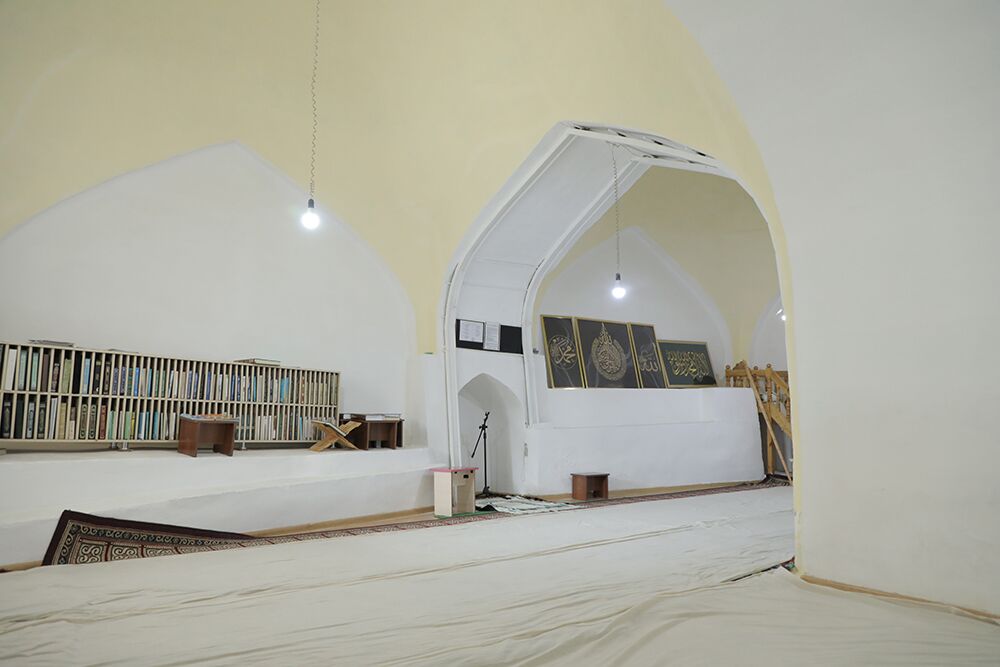
The interior of the mosque measures 10x10 meters, with four domes of 4x4 meters on top, resting on a central base called "guldasta" with a circumference of 6 meters in the middle of the mosque's inner space. This style of mosque construction dates back to the 16th-17th centuries, during the era of khanates. Mosques built during this period did not use wood, while those constructed in the 19th-20th centuries incorporated wood in their structures. The mosque is designed to remain cool in summer heat and warm in cold winter days, allowing it to endure for many years [5:93]. This historical mosque is a unique monument of the 16th-17th centuries.
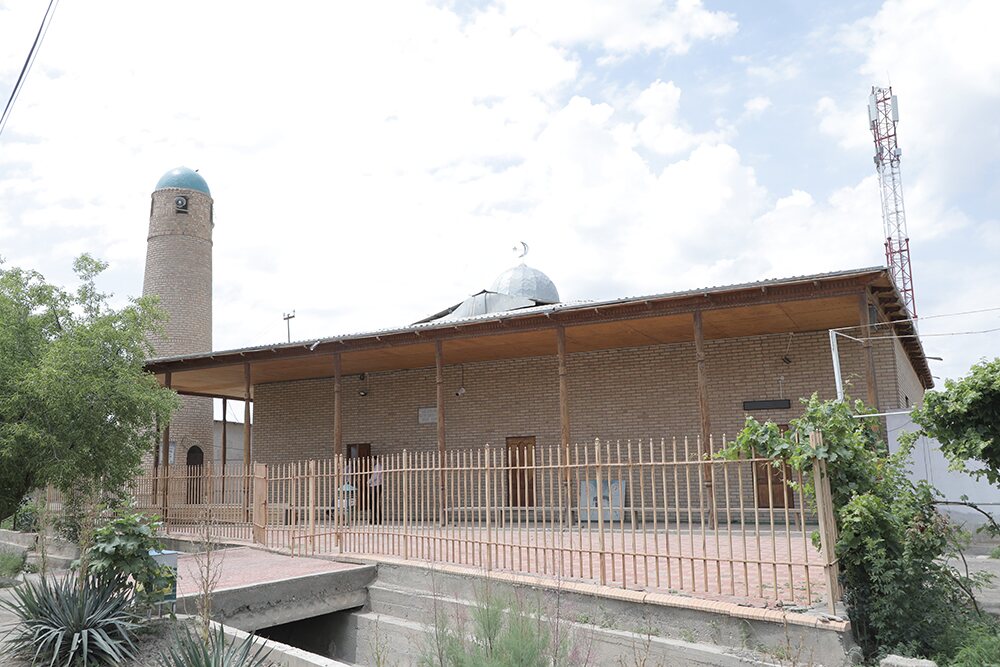
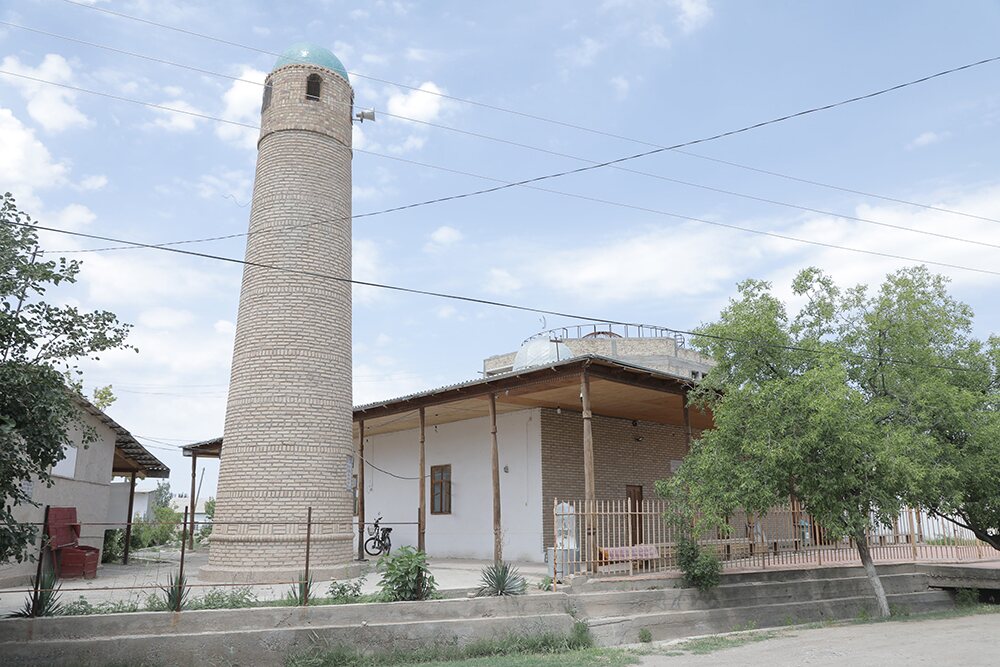
The mosque is old and, according to local residents, has been renovated annually. In ancient times, there were buildings and wells around the mosque, and festivals were held there. It had a long minaret in front, which later collapsed due to neglect. Many mulberry trees surrounded the area. During the years of independence, local residents built additional structures next to the mosque, including an ayvan (veranda), an entrance gate to the mausoleum courtyard, and a minaret for calling the azan. In 1998, the mosque was officially registered with the state. By decision of the Karshi district governor, land was allocated for the improvement of this historical site. Currently, the Yetti Tug Ota mausoleum and the mosque they built have been renovated and improved.
References
- Дала тадқиқотлари. Қашқадарё вилояти Қарши тумани Патрон қишлоғи, 2024 йил 27 май.
- Равшанов П., Ўроқов Р. Аждодларимиз қадри. – Тошкент: Шарқ, 1999.
- Акбаров Р. Қарши туман тарихи. – Тошкент: Тошкент ислом университети, 2016.
- Акбаров Р., Шамсиддинов Н. Етти туғ ота шажараси. – Тошкент: Тошкент ислом университети нашриёт матбаа бирлашмаси, 2015.
- Акбаров Р. Патрон қишлоғи тарихи. Қарши: Насаф нашриёти, 2013.
- Маньковская Л. Ю. Қашқадарё воҳасининг архитектура ёдгорликлари (Йўл кўрсаткич). – Тошкент: Ўзбекистон, 1979.