ABU MU’IN NASAFI SHRINE (Karshi district)

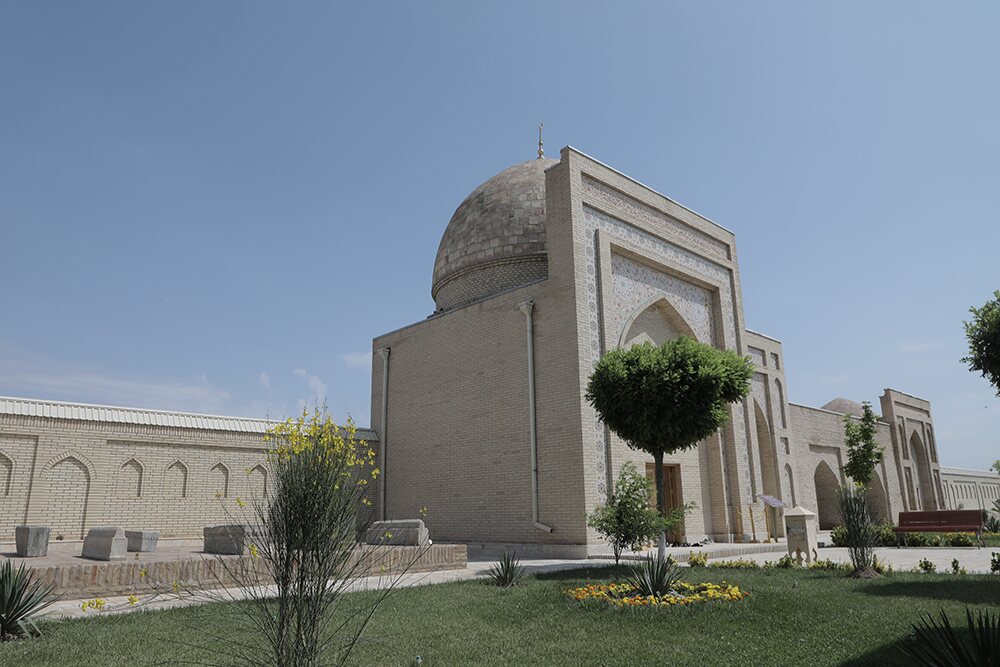
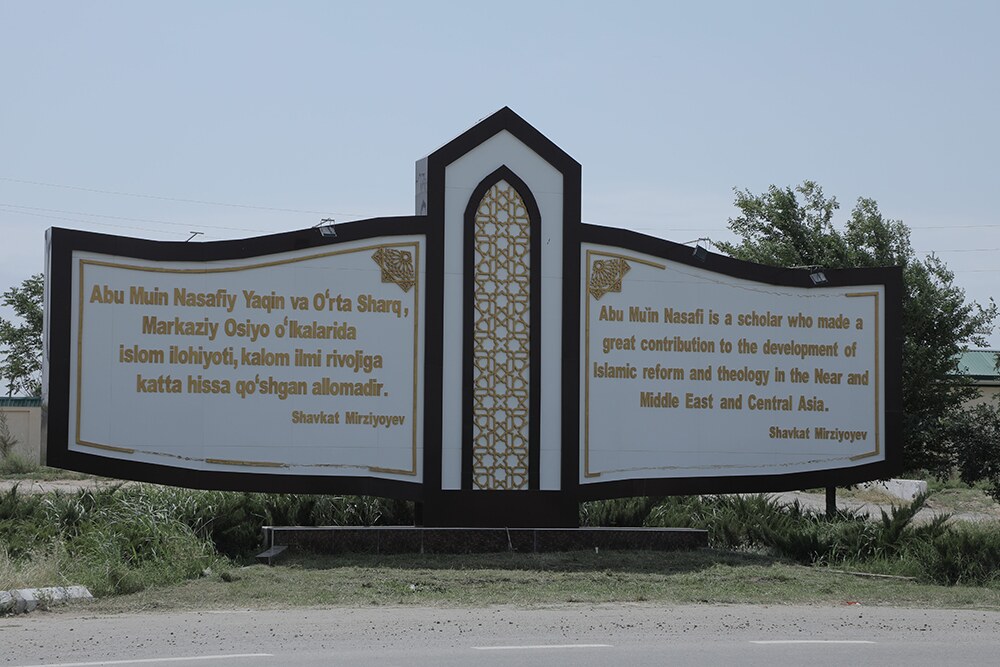
There is a shrine and complex named after Abu Mu’in Nasafi, located 5 km from the city of Bishkent in the village of Kovchin, Karshi district [1:96-98]. The name of Abu Mu’in Nasafi (1027-1114), who contributed to the development of hadith studies, jurisprudence, and the science of kalam, also holds a special place in the world of Islamic culture [2:19-20; 32-35]. Abu Mu’in Nasafi, considered one of the leading scholars of his time, was a student of Imam Abu Mansur Maturidi (870-944), one of the founders of the science of kalam. He authored about 15 works on various Islamic sciences, including those related to being an imam, scholar, methodologist, theologian, jurist, Quran memorizer, and grammarian. Abu Mu’in Nasafi’s main work on the science of kalam is “Tabsirat al-adilla” (When the Evidence Speaks), which is considered the largest and most significant rare work of great scientific and practical importance. The section on religious fundamentals in this work is explained based on the method of his teacher Maturidi [3:262-265]. For this reason, Abu Mu'in an-Nasafi gained fame in the world of Islamic scholarship under the name “Sahib at-Tabsira”. Another valuable aspect of the work is that it contains important information about numerous scholars who were active in Transoxiana during that period.
In his work “Tabsirat al-adilla”, the scholar mentioned that he had a work titled “Qasid al-qawaid fi ilm al-aqaid”. This work is currently preserved in the library of Istanbul University under number 268. In “Tabsirat al-Adilla”, the scholar discussed his work “Al-Ifsad li had' al-ilhad” and refuted the erroneous views of people belonging to the Batini sect. The author mentioned the existence of his work called “Iizah al-manhajati fi kawn al-aqli hujjatan” in his works “Tabsirat al-Adilla” and “At-Tamhid li qawaid at-tawhid”. The existence of al-Nasafi's work with the same name is also mentioned in other sources, particularly in al-Baghdadi's works “Izah al-Maknun” and “Hadiyat al-Arifin”, but this work of the author has not survived to the present day. Abu Mu'in Nasafi's work “Manahij al-A'immati fi-l-Furu” is mentioned in al-Kafawi's “Kata'ib A'lam al-Akhyar”, Abdulhay al-Laknawi's “Al-Fawa'id al-Bahiyya fi Tarajum al-Hanafiyya”, and in the works of other scholars [4:152-167].
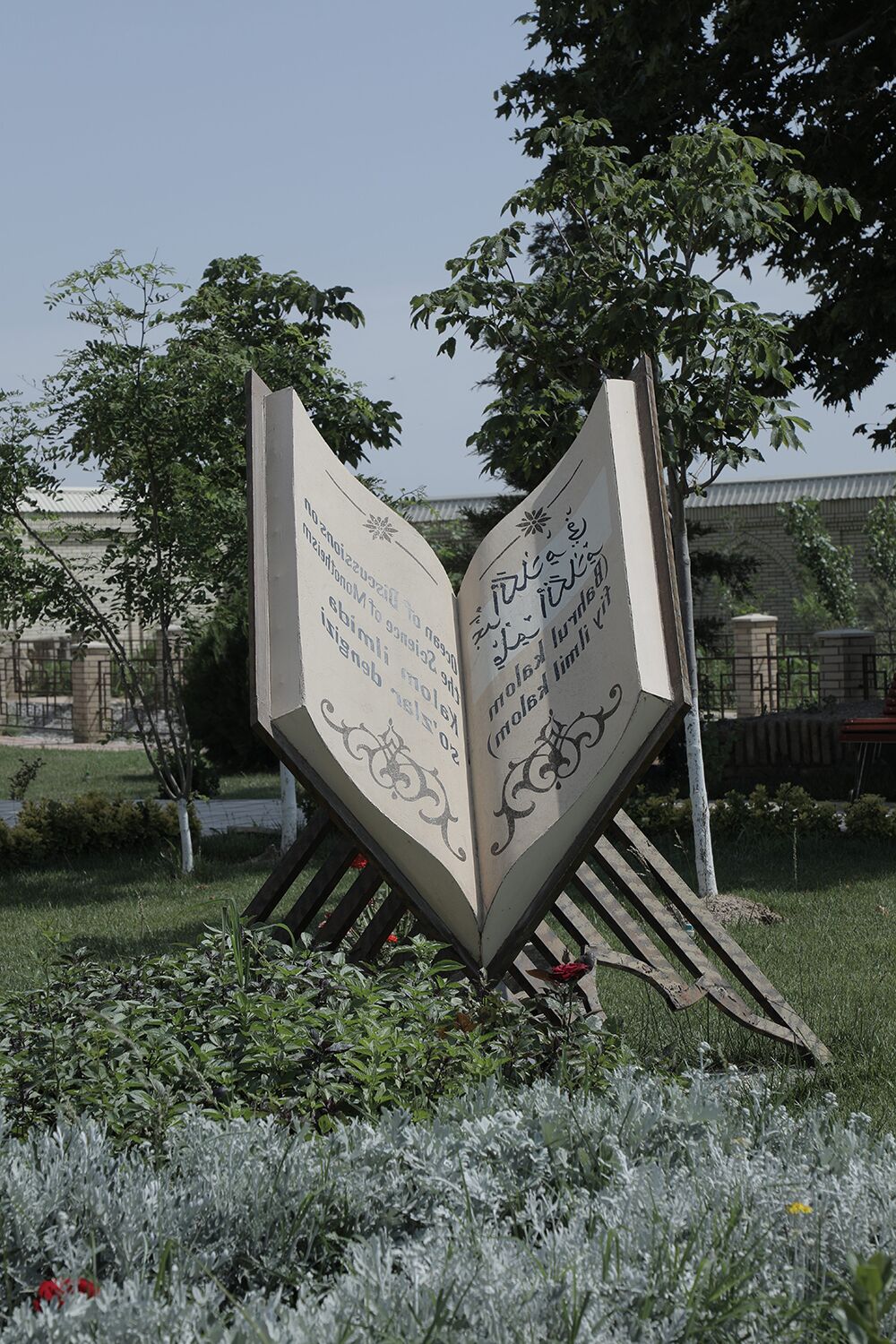
Alloma's book “Tamhid” is considered a work in the form of an introduction or table of contents to “Tabsira”. It is a condensed version of “Tabsira”. Another work of the scholar is called “Bayrul Kalom” (Ocean of the Science of Kalam). The work was first published in 1886 in Baghdad using lithography. It was republished in Egypt in 1911. In 1997, it was published in Damascus by the Arab researcher Valiuddin Muhammad Salih Farfur. Although large volumes of works have been left as a legacy by the scholar, most of their manuscripts are preserved in the libraries of Cairo, Damascus, and Istanbul, while some copies are kept in the manuscript collection of the Institute of Oriental Studies named after Abu Rayhan Beruni of the Academy of Sciences of Uzbekistan [5:11-12].
There is no precise information about Abu Mu'in Nasafi's teachers in the sources. Only in Abu Muqatil al-Samarqandi's (d. 208/823) work “Kitab al-Alim wa-l-Mutaallim” (The Book of the Teacher and the Student), it is mentioned that al-Nasafi notes he narrated the hadiths cited in his works from his father Muhammad. Nevertheless, the scholarly reputation of the al-Nasafi family was well-known among the people, especially in the field of Hanafi jurisprudence. Abu-l-Mu'in's fourth (great) grandfather, Abu Mu'in Makhul ibn al-Fazl al-Nasafi, was a renowned scholar and author of several works. He was a disciple of Yahya ibn Mu'az (who died in Nishapur in 258/871), as well as Abu Abdullah Muhammad ibn Karram, the founder of the al-karramiya school. During his time, he studied hadiths from renowned scholars of the era, including the great muhaddith from Termez, Abu Isa al-Tirmidhi, as well as Muhammad ibn Ayyub al-Razi and Abdullah ibn Ahmad ibn Hanbal. He was also a disciple of Abu Sulayman al-Juzjani, from whom his son Abu-l-Mu'in Muhammad ibn Makhul later narrated hadiths [4:155]. He was considered one of the jurists of the fourth tier in the Hanafi school of Islamic jurisprudence.
From the opinions expressed in the sources, it can be concluded that Abu Mu'in Nasafi's ancestors were scholars who contributed to the development of Islamic sciences and served as his teachers.
Abu Mu'in Nasafi had many famous disciples who were renowned in various Islamic disciplines, such as Najmiddin Umar al-Nasafi, Alouddin al-Samarqandi, Abu Bakr al-Kasani, Abu-l Muzaffar al-Taloqani, Ahmad al-Pazdawi, Abu-l Hasan al-Balhi, Abu-l Fateh al-Hilmi, Abdurashid al-Walwaliji, Mahmud al-Sogarji, and Ali ibn al-Husayn al-Samarqandi. These disciples were known as hadith scholars, jurists, theologians, Quran exegetes, methodologists, and Quran memorizers [4:155-159].
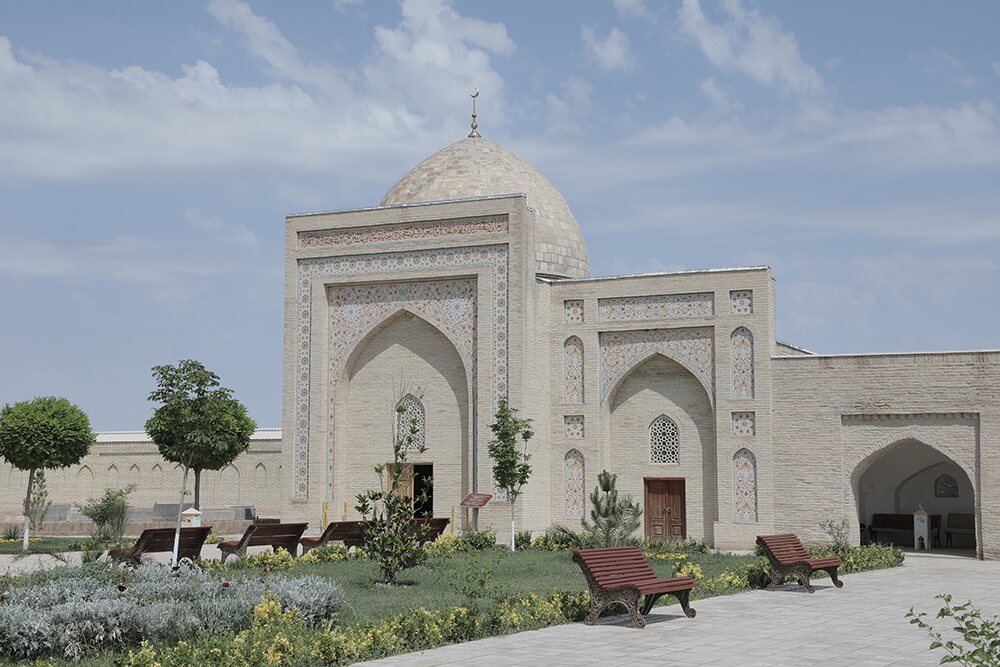
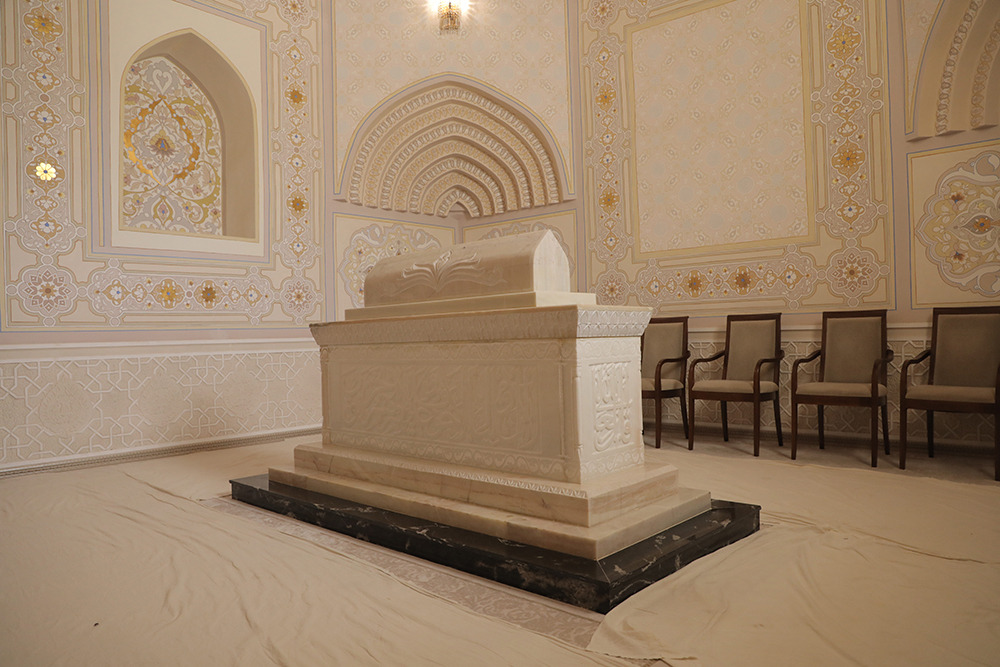
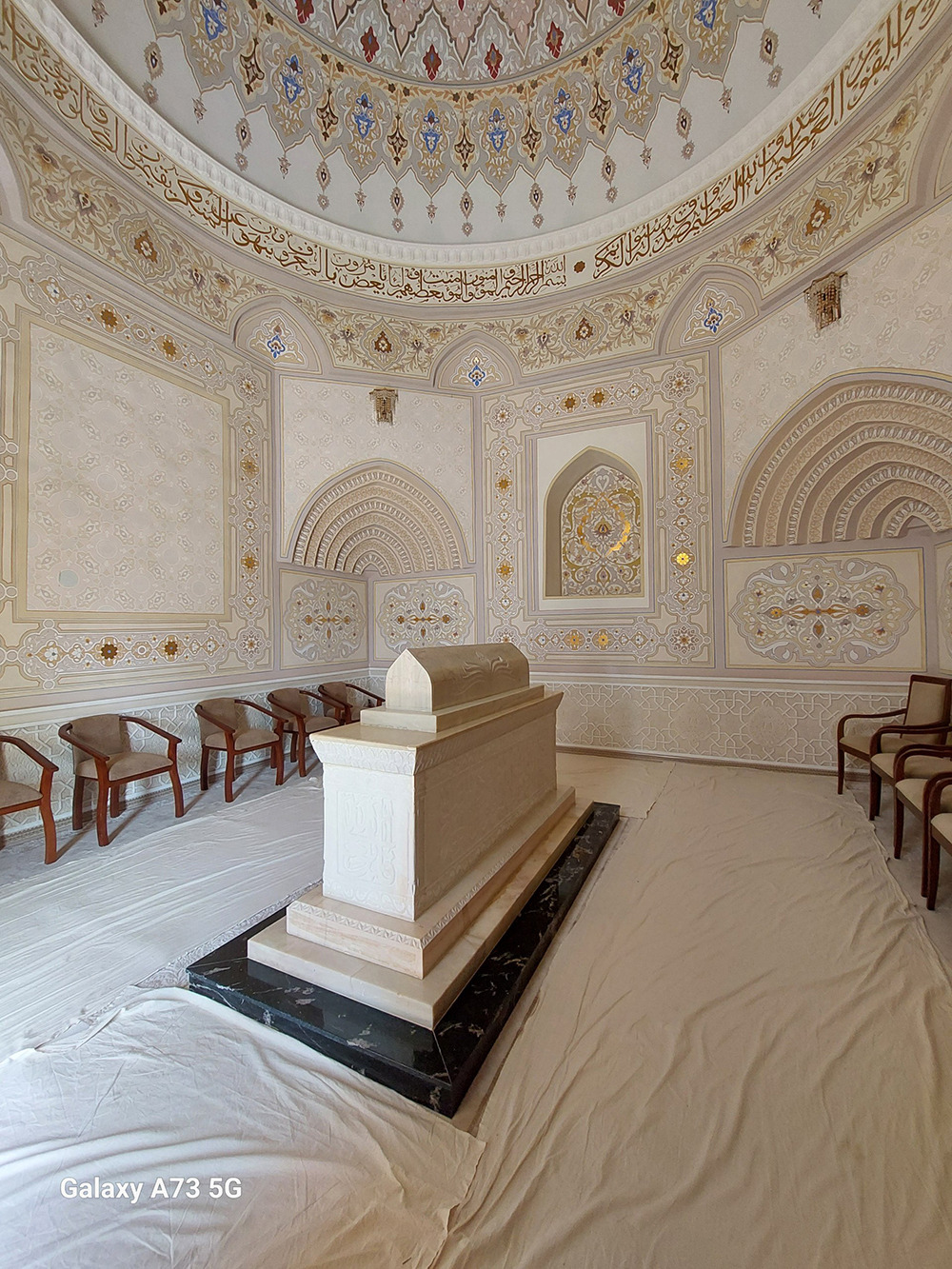
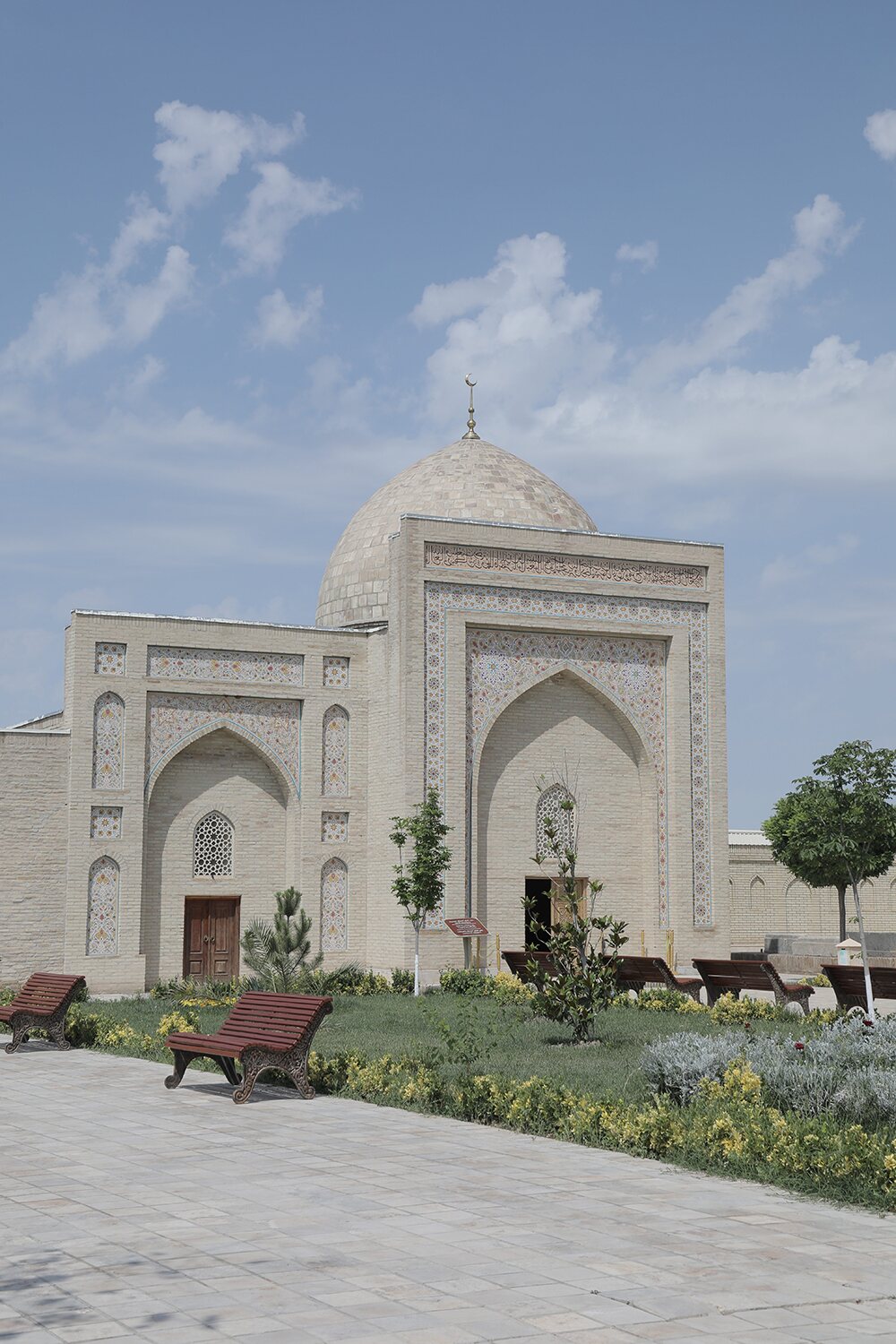
L.Yu. Mankovskaya refers to the shrine associated with the name of Abu Mu'in Nasafi as the “A'zam Dahmasi Imam Mu'in complex” and emphasizes that it dates back to the 11th-17th centuries. This site features an outer courtyard surrounded by a wall, several adjacent rooms, a busy gateway, and a rectangular inner courtyard. There is a square pool in the middle of the courtyard, and the mosque with a wooden porch is one of the oldest buildings. The mosque has a small chillakhona (retreat cell), which is connected to a complex building in Imam Mu'in's mausoleum. The mausoleum is unique in its architectural style, covered by a high conical dome. It is decorated with intricate carvings made of wood. The northwestern side of the mausoleum is adjoined by a crudely renovated building dating back to the 11th-12th centuries. There is also a building on the east side, which leads to the khanaqah (Sufi lodge). The time of its construction can be estimated to be the late 16th to early 17th century [6:79-82].
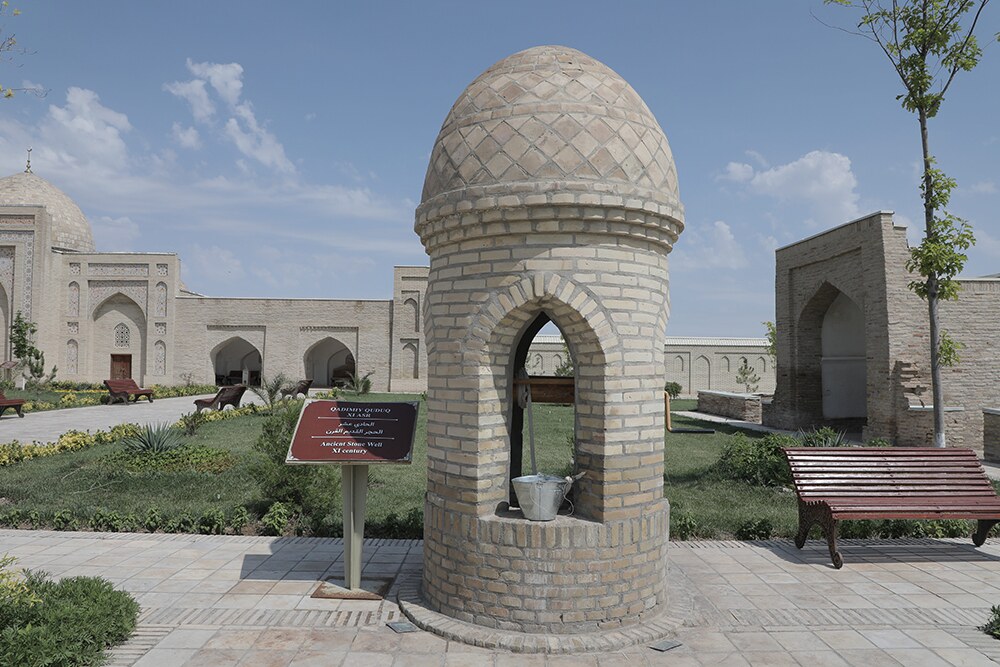
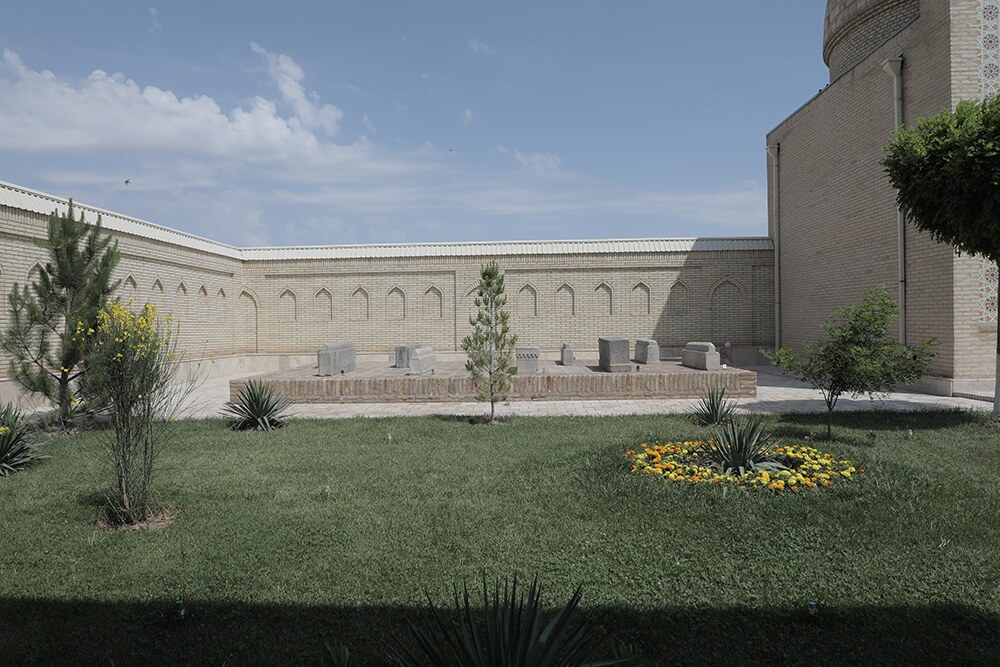
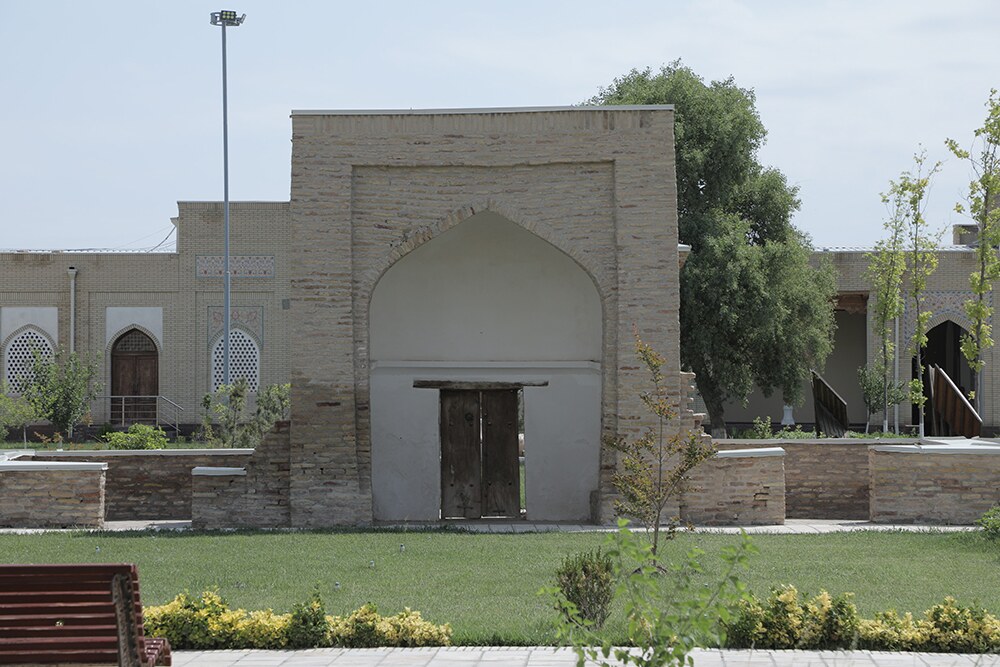
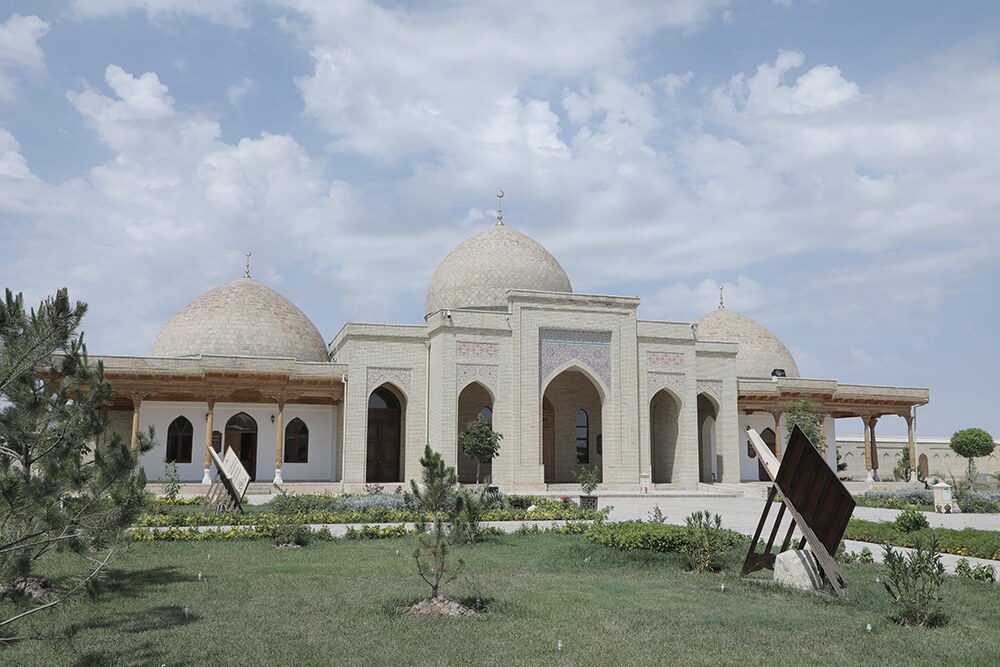
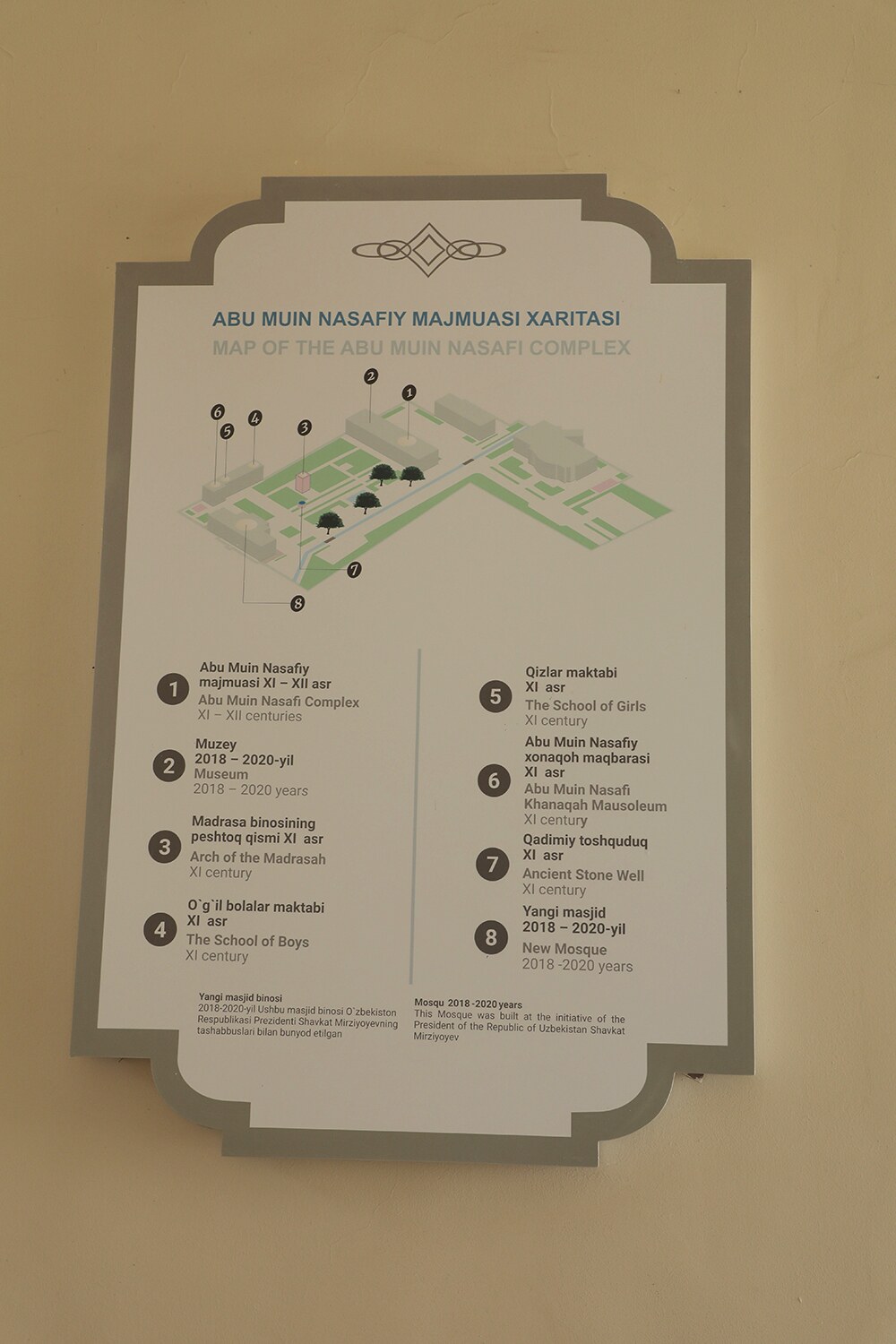
Even today, this place is known among the people as “Imam Mu'in”. The complex currently includes an entrance gate (3.5×3.5 m, 14th century), a mosque, a pond, a “Toshquduk” (14th century, depth 18 m, width 0.80 m), and a cemetery. There used to be rooms where students lived. A caravanserai was also built on the premises. In 1968, a part of the complex wall collapsed, and a Quran manuscript written in the 12th century was discovered between the walls. A lahv (60×110 cm) made by master Zarif from Balkh mulberry wood dating back to the time of Imam Mu'in was found, as well as a lamp stand [7].
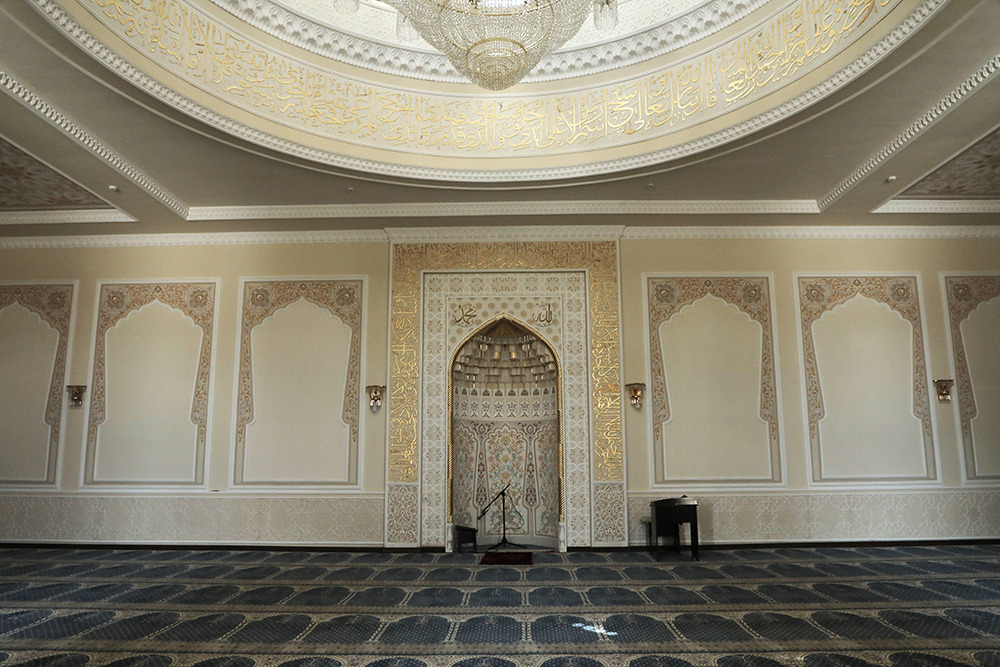
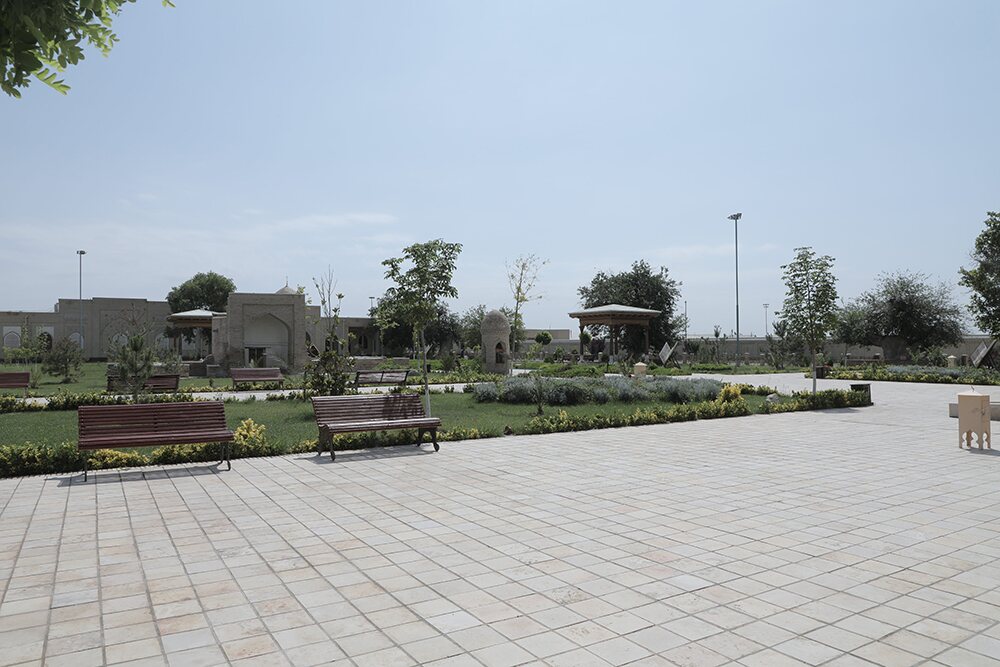
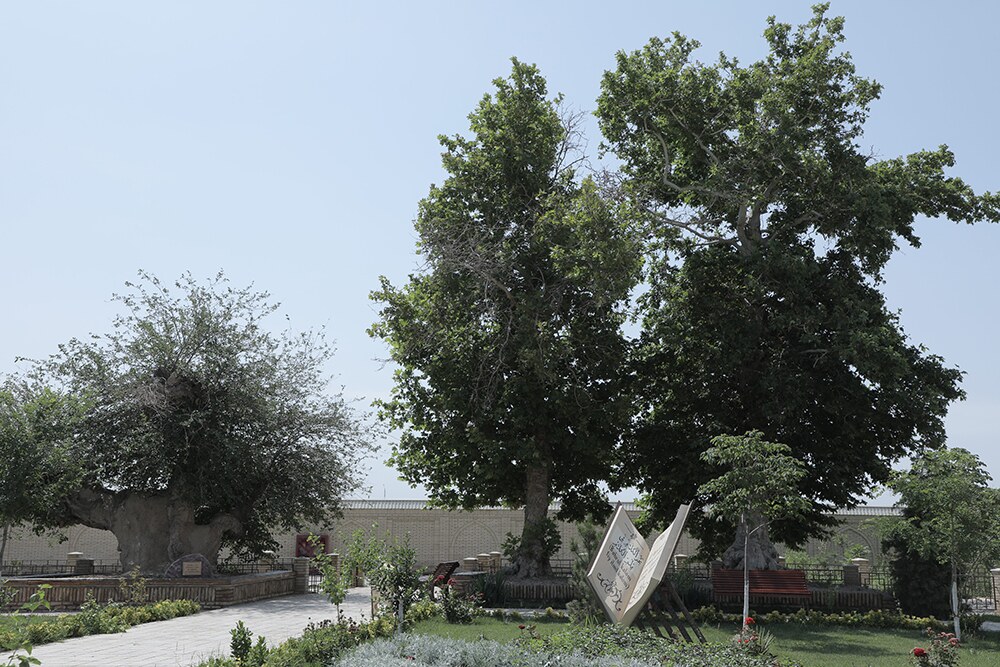
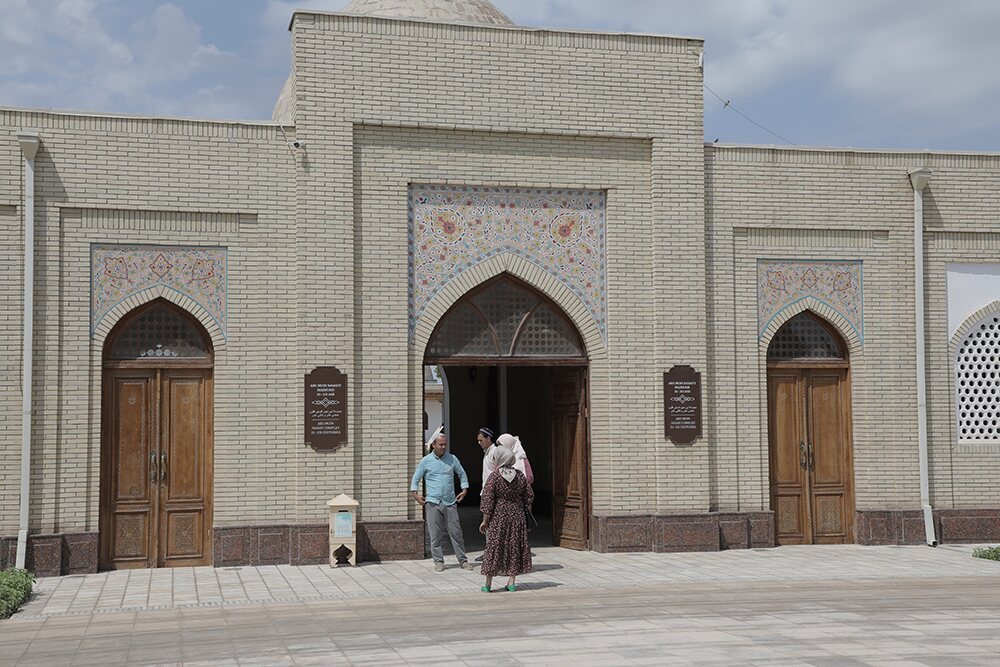
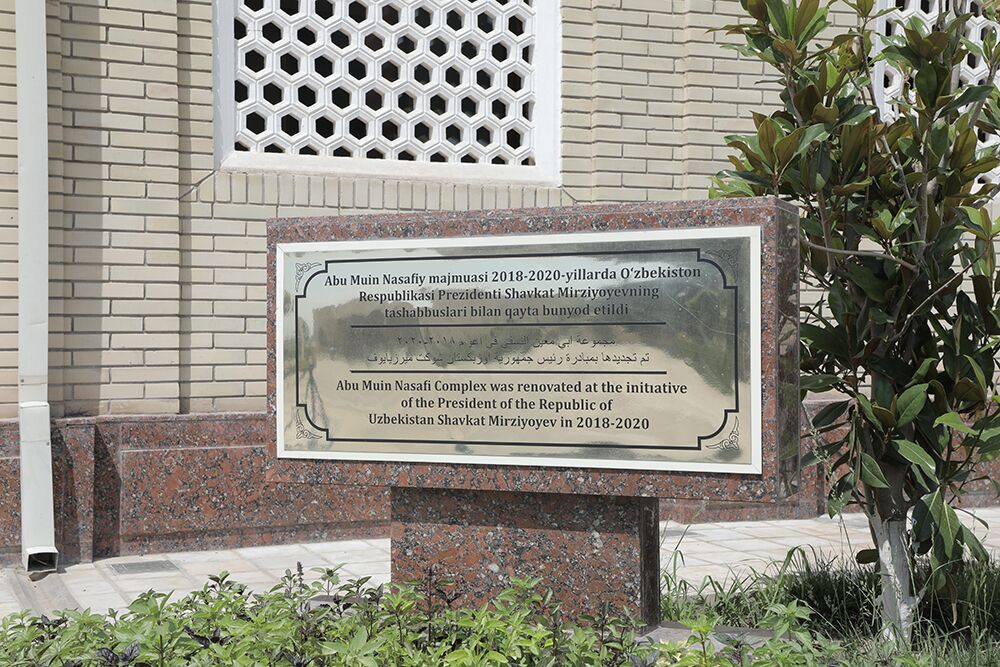
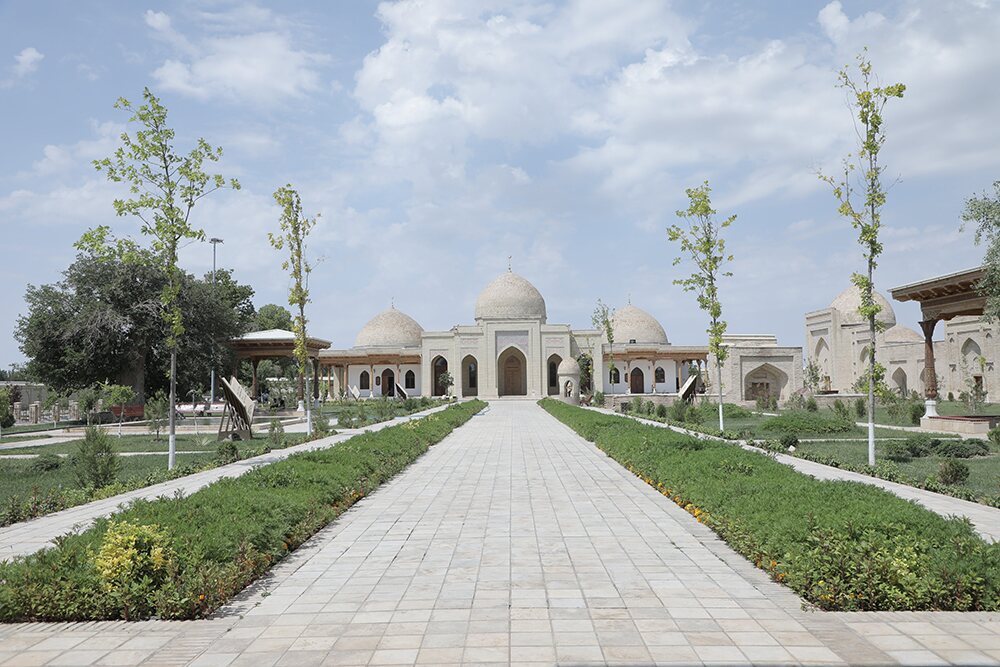
During the years of independence, scientific research on the life and works of Abu Mu'in Nasafi, along with many other scholars, has been established. During his visit to the Kashkadarya region on February 24-25, 2017, the President went to the complex of Abu Mu'in Nasafi, a renowned scholar in the science of kalam, located in the village of Kovchin, Karshi district, and ordered the restoration of the shrine. Improvement works have been carried out there, with the shrine area covering 2.1 hectares. A library and a museum dedicated to the Nasafis were organized within the complex, and a large mosque accommodating 500 people was built. A Quran written on Chinese silk paper in the 12th century was found within the walls of the shrine; the book measures 60 cm in length and 41 cm in width. A shrine with a height of 1 meter and 60 cm was created for the book. The historical site is surrounded by a large cemetery, occupying an area of more than 50 hectares. In 2020, to develop domestic and foreign tourism, a guide was installed and organizational work was carried out at the Abu Mu'in Nasafi shrine, as one of the main shrines listed by the Cultural Heritage Agency. Currently, this complex is bustling with visitors.
References
1. Даминов И. Абул Муъин Насафийнинг илмий мероси ҳақида // Имом ал-Бухорий сабоқлари. 2021, 2-сон. – Б. 96-98. Мотрудия таълимоти ва Абу Муъин Насафий илмий мероси [ Матн] / У. Увватов, С. Оқилов, Э. Даминов; маъсул муҳаррир У. Алимов; Тошкент ислом университети Исломшунослик илмий тадқиқот маркази, Ўзбекистон мусулмонлари идораси. – Тошкент: “Мовароуннаҳр”, 2018. - 304 б.
2. Маҳмудов Қ. Имом Насафийнинг мероси ҳақида // Имом ал-Бухорий сабоқлари. 2011, 1-сон. – Б. 19-20. Оқилов С. Абу Муъин Насафий ва “Табсиратул адилла” асарининг аҳамияти. /ТИУ Илмий таҳлилий ахбороти. 2002. - № 1. – Б . 32-35.
3. Увватов У. Абулмуъин Насафий Ан-Насафий ва унинг “Ал-тамҳид ли қавоиди т-тавҳид” асари // Имом ал-Бухорий сабоқлари.-2006,4-сон. – Б. 262-265. Увватов У. Абу Муъин Насафий ҳаёти ва мероси. – Тошкент: Маънавият, 2003.-Б. 36.
4. Буюк юрт алломалари /Тузувчи ва нашрга тайёрловчи У. Увватов.-Тошкент: Ўзбекистон, 2018.
5. Носир Муҳаммад. Насаф ва Кеш алломалари.(IX-XX асрлар): Таскира. – Тошкент, 2006.
6. Маньковская Л. Ю. Қашқадарё воҳасининг археологик ёдгорликлари (Йўл кўрсаткич).-Тошкент: Ўзбекистон, 1979.
7. Қашқадарё вилояти маданий мерос бошқармаси маълумоти. Қашқадарё вилояти Қарши шаҳри, 2024 йил 6 май.