LANGAR OTA SHRINE (Qamashi District)

Hamidova M.S.
Acting Professor of NUUz,
Doctor of Historical Sciences (DSc)
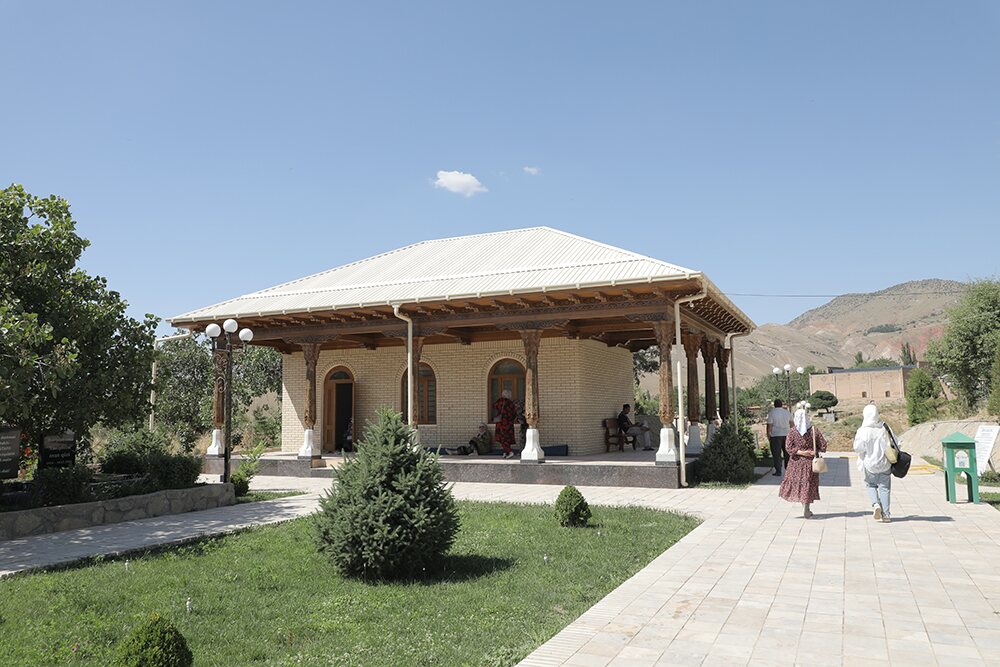
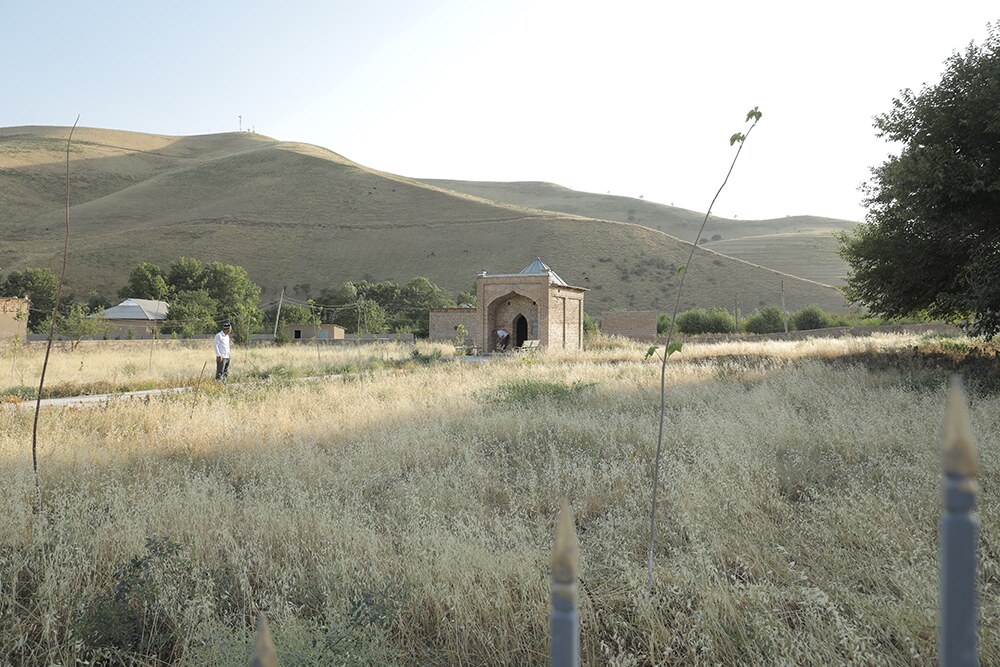
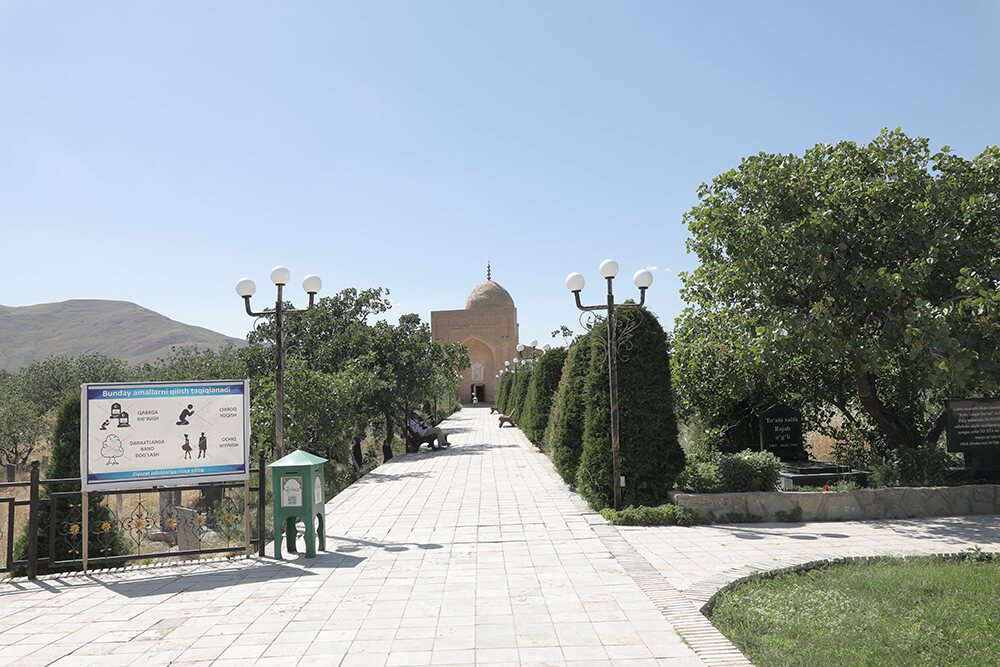
The village of Katta Langar in Kamashi District is located in front of Mount Kokbulak (Mount Daqqi) [1]. T. Nafasov noted that the word "Langar" has long encompassed the concepts of a temple, caravanserai, khanaqah, almshouse (providing food to the poor and needy), cemetery, tomb, graveyard, roadside stop, and food distribution center [2:7]. Traditionally, places where famous sheikhs and Sufis settled were called "Langar." The architectural monument known as "Langar Ota" belongs to the descendants of sheikhs who held great prominence in the ancient "Kesh" region. The sheikhs may have distributed food to the poor in Langar using their waqf property. According to M. Masson, in the 1870s, there were 3 langars in the Kitab and Shakhrisabz bekships belonging to the Bukhara Khanate. He mentions the names of the old Langar in Kitab, the Langar in Shakhrisabz Yakkabog, and the Katta Langar in Kamashi [3:66-67].
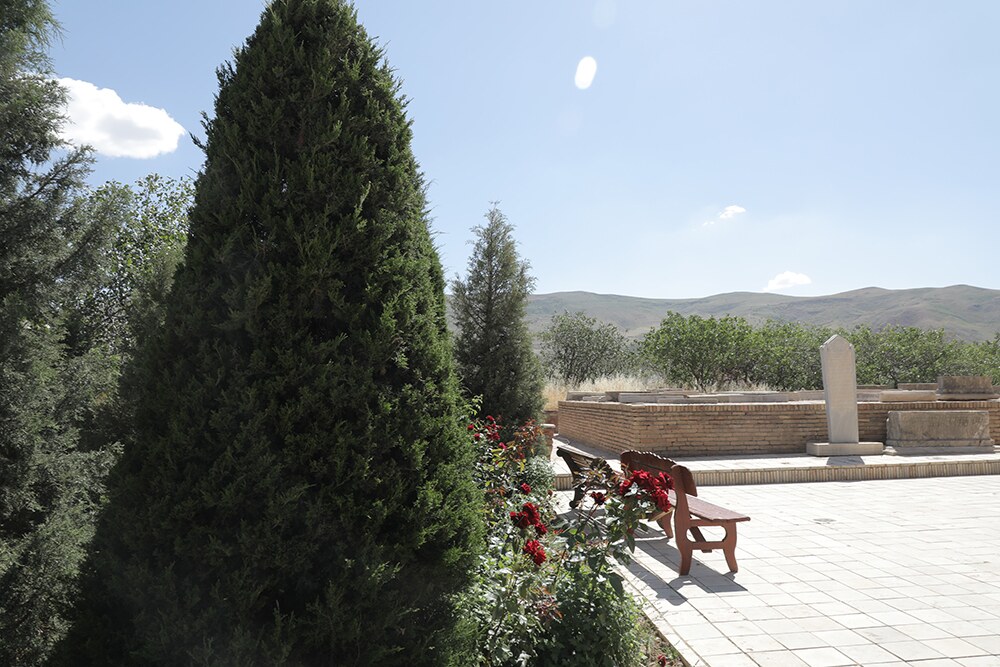
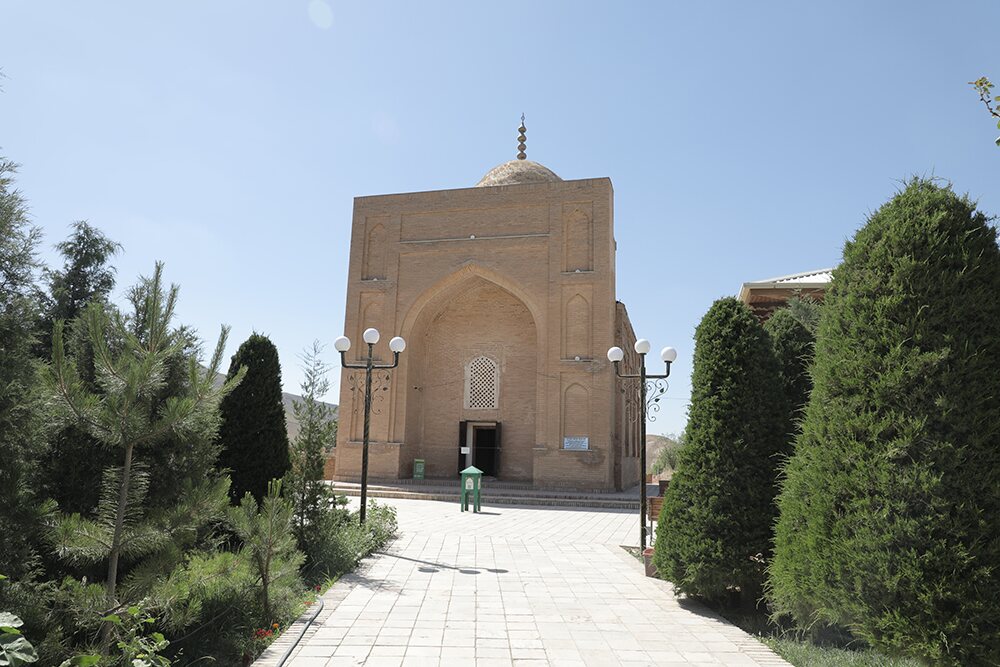
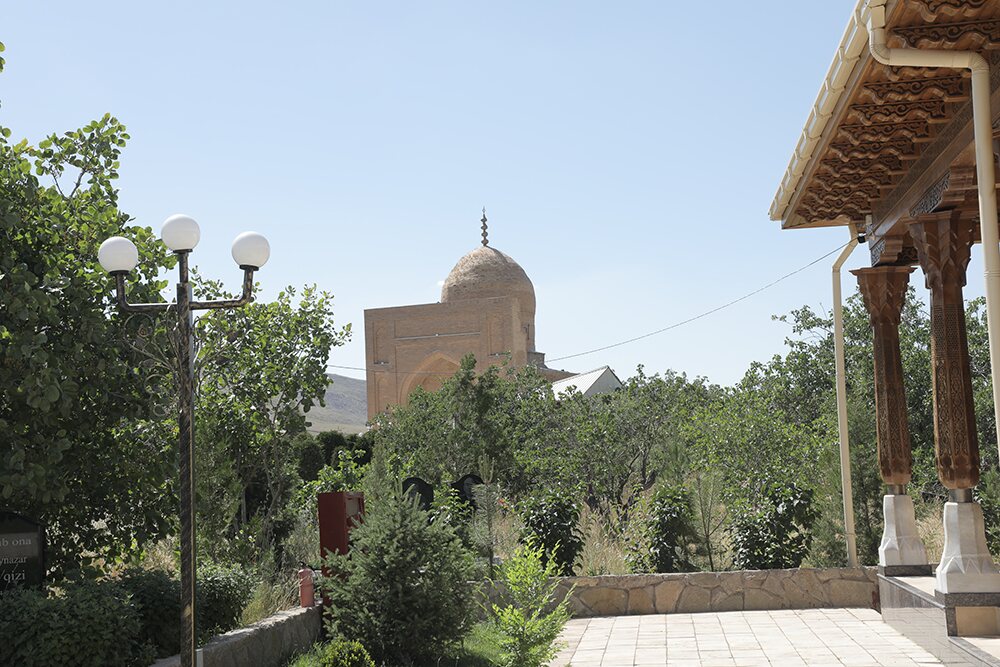
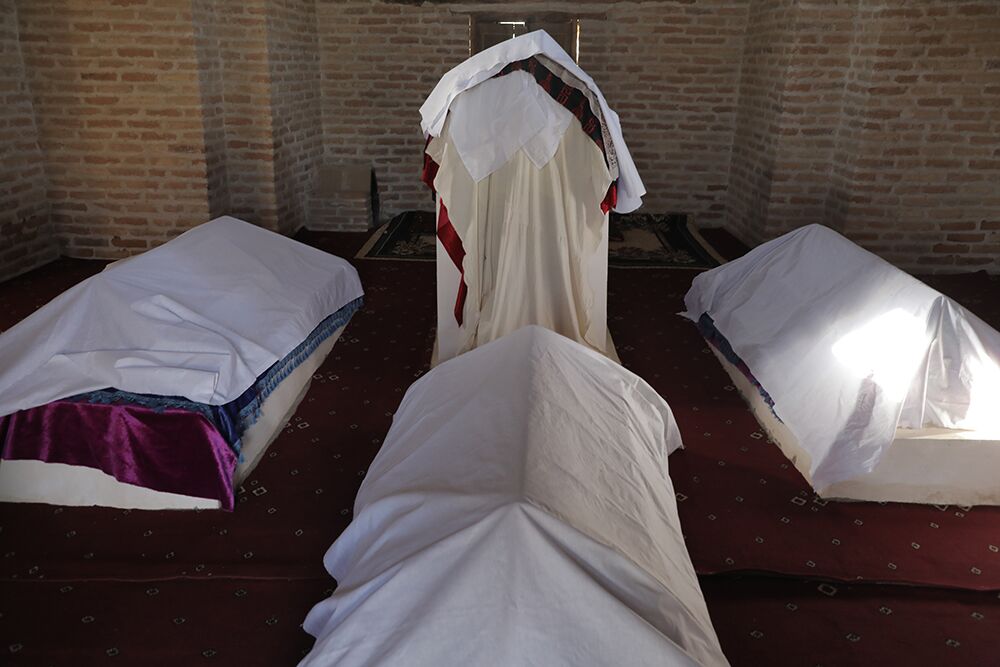
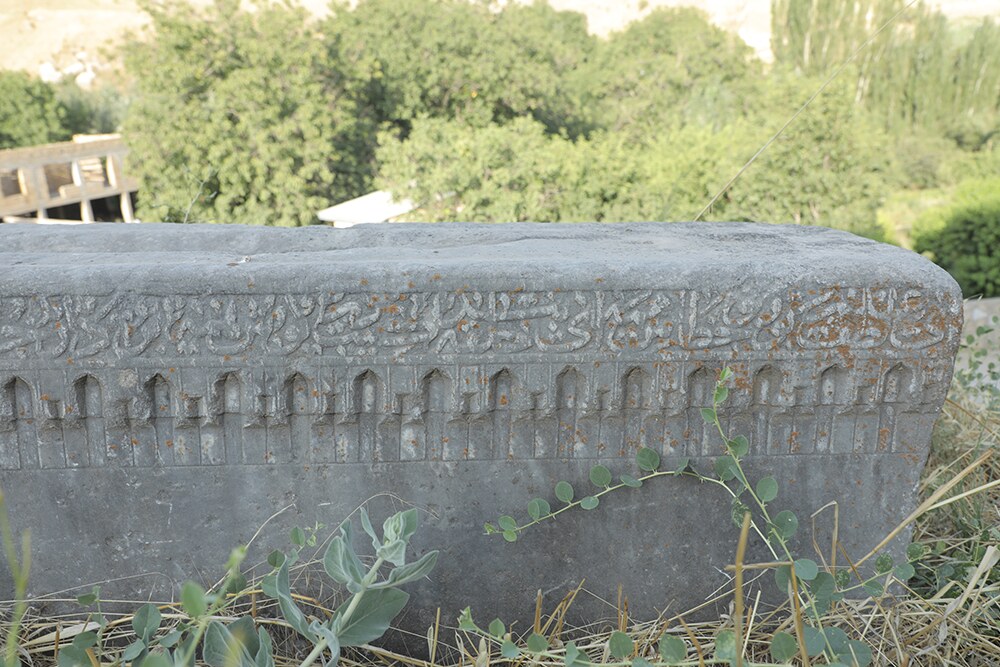
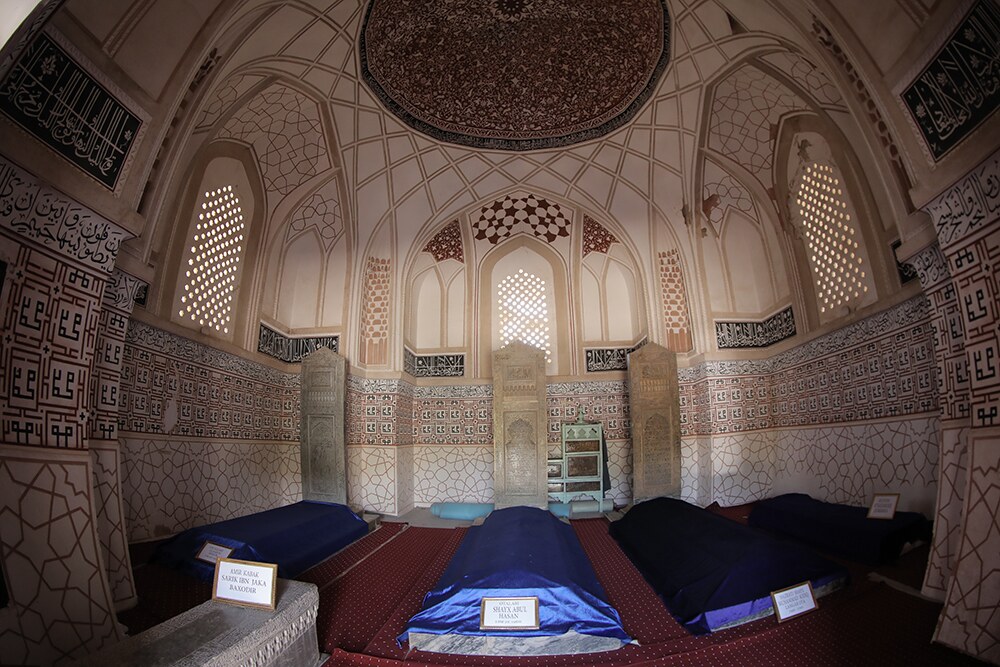
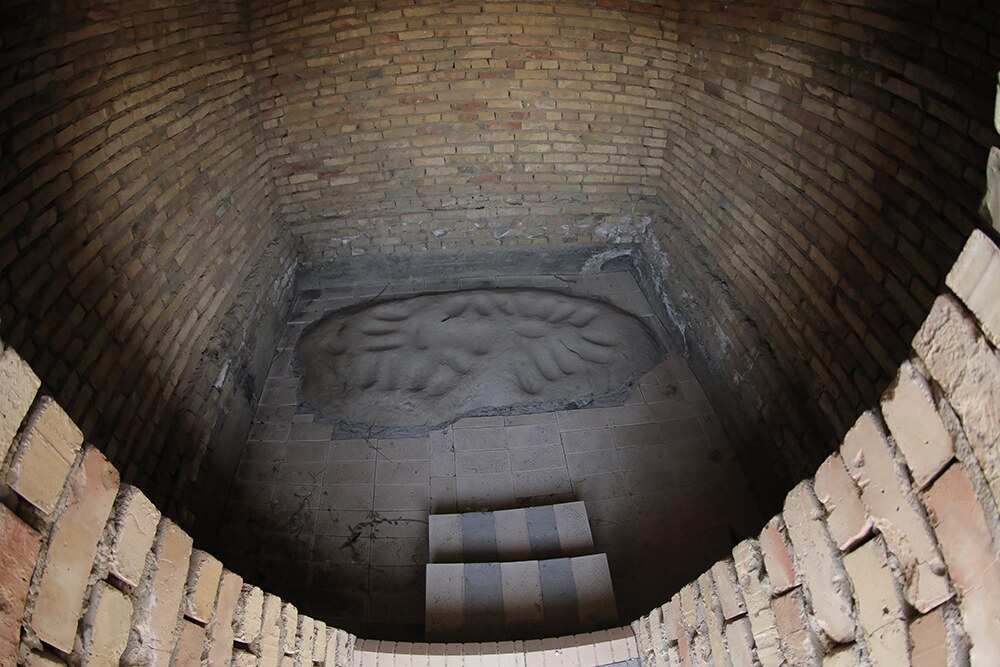
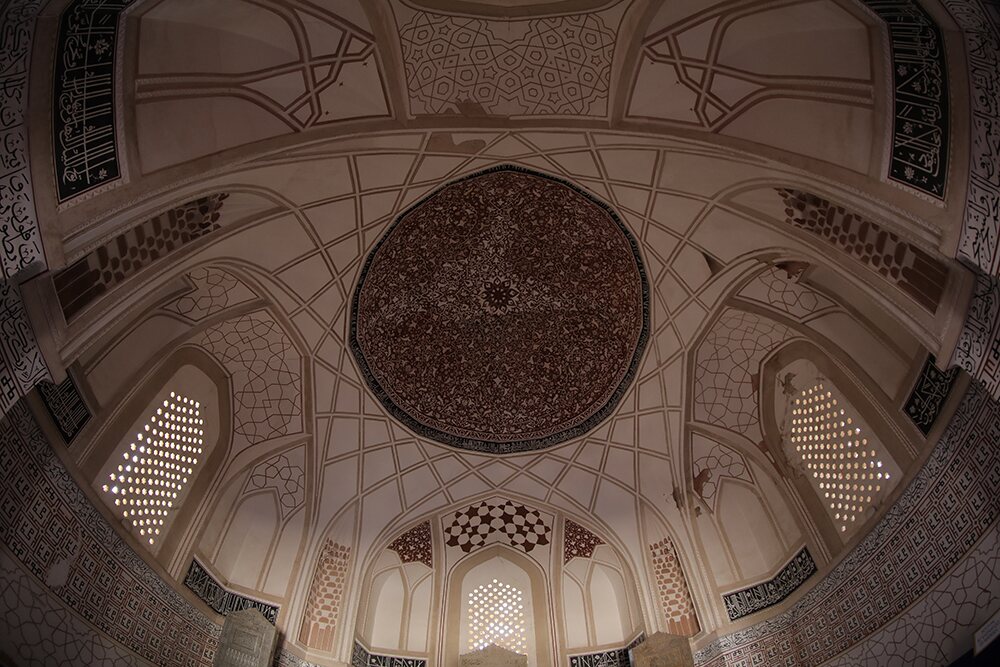
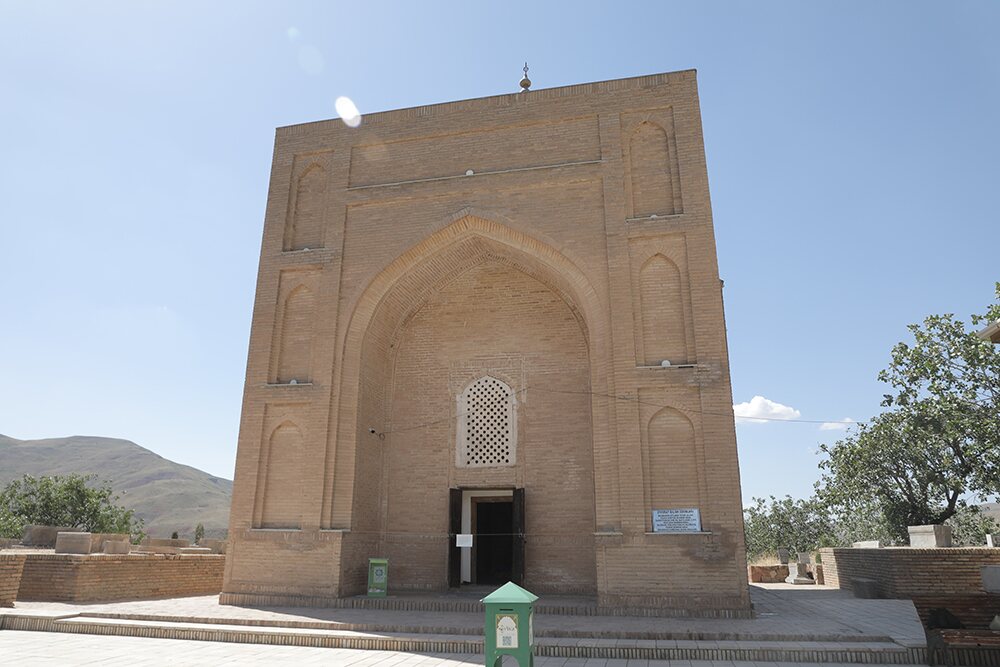
The Langar Ota mausoleum (16th-17th centuries) in the village of Katta Langar, Kamashi district, belongs to a lineage of sheikhs who held great influence in the Kesh region and contains five tomb structures [4:66-105]. The main area is reserved for three sheikhs, with the central grave belonging to the sheikh of sheikhs, Abdul Hasan ibn Ilyas (died 1491-1492). To the east of Sheikh Abdul Hasan's tomb lies his son Sheikh Muhammad Sadiq ibn Abdul Hasan (died 1545), while on the qibla side rests his grandson Sheikh Abdul Hussein ibn Muhammad Sadiq (died 1560) [5:72]. To the south of Sheikh Muhammad Sadiq's tomb is the grave of Amirbek Sadiq ibn Bahadur (died in the month of Rabi' al-Awwal, 914 AH) [6]. The fifth tomb there belonged to the Shaybanid dynasty and was given to Sheikh Muhammad Sadiq. It is likely the resting place of the special caliphs (probably added later) [7:72]. On the exterior of the Katta Langar mausoleum, several unique tombstones are preserved, one of which marks the grave of Mohbibi, daughter of Muhammad Said, who was the son of the late Sheikh Muhammad Sadiq (died 980 AH, 1564-1566 AD) [8:78].
Sheikh Abdul Hasan lived in the 15th century and was a Pir-i Murshid (spiritual guide). After receiving the letter of Irshad (spiritual guidance), he departed from Samarkand to Kesh with the permission of his pirs. The final resting place of the sheikh's camel was in the village of Langar [9:75-76].
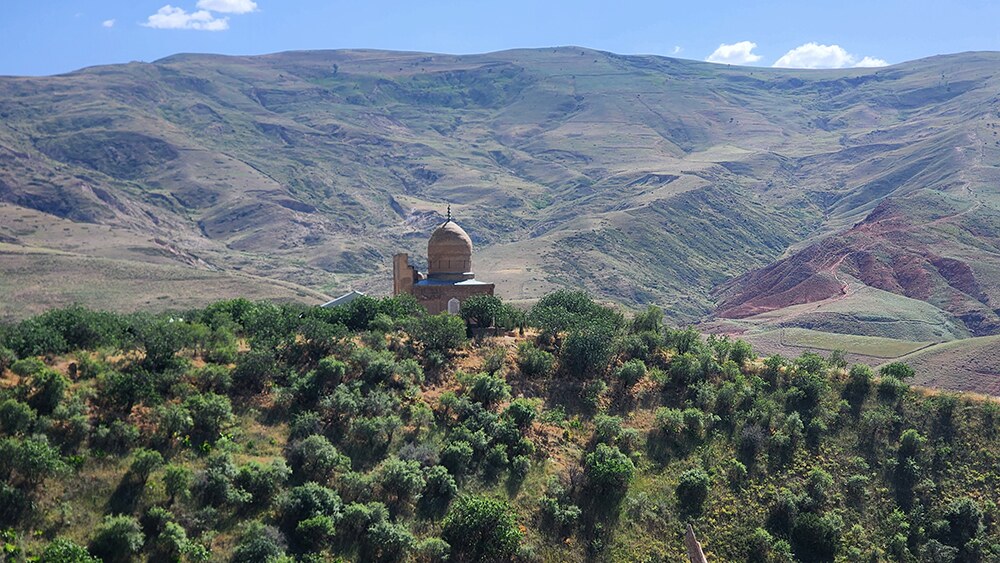
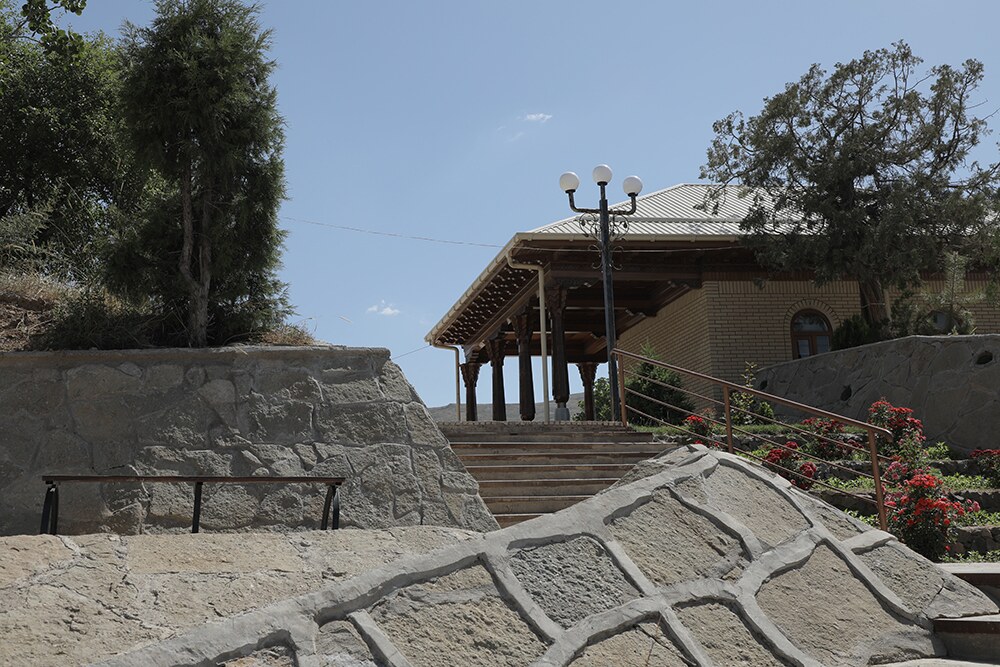
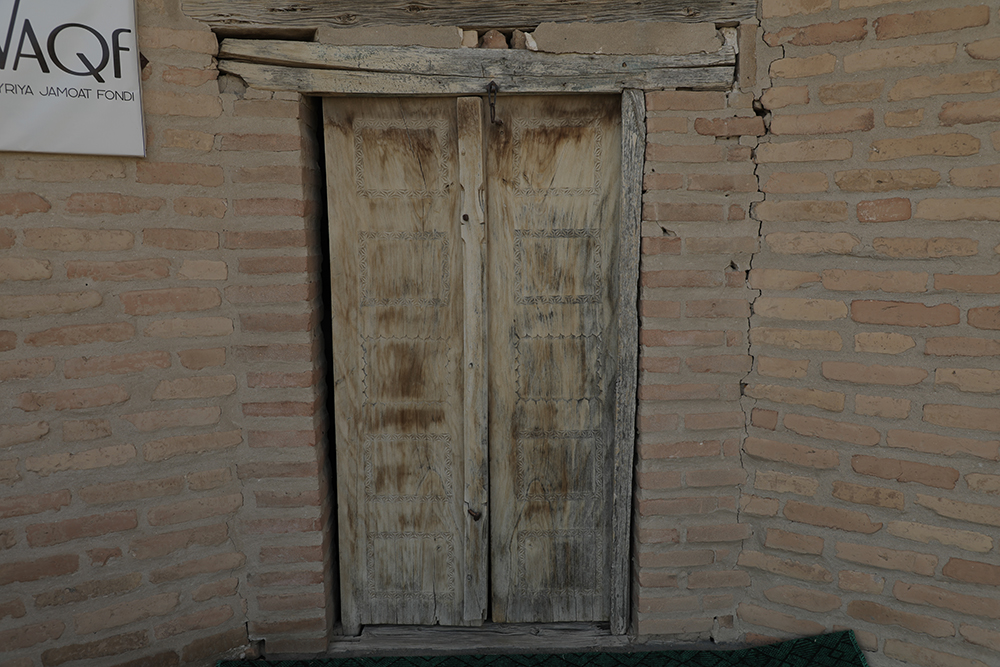
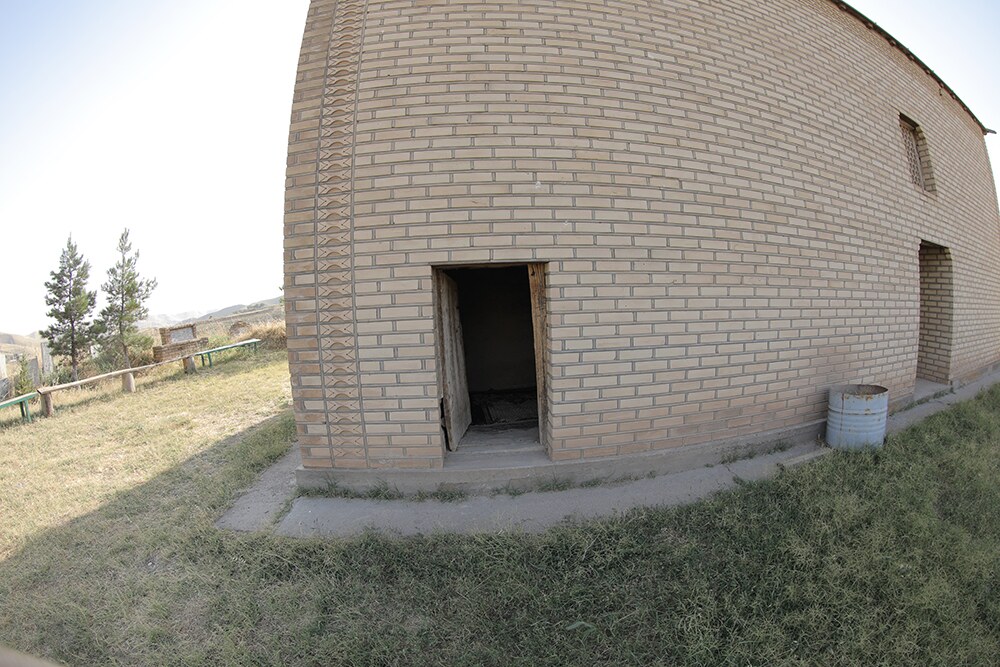
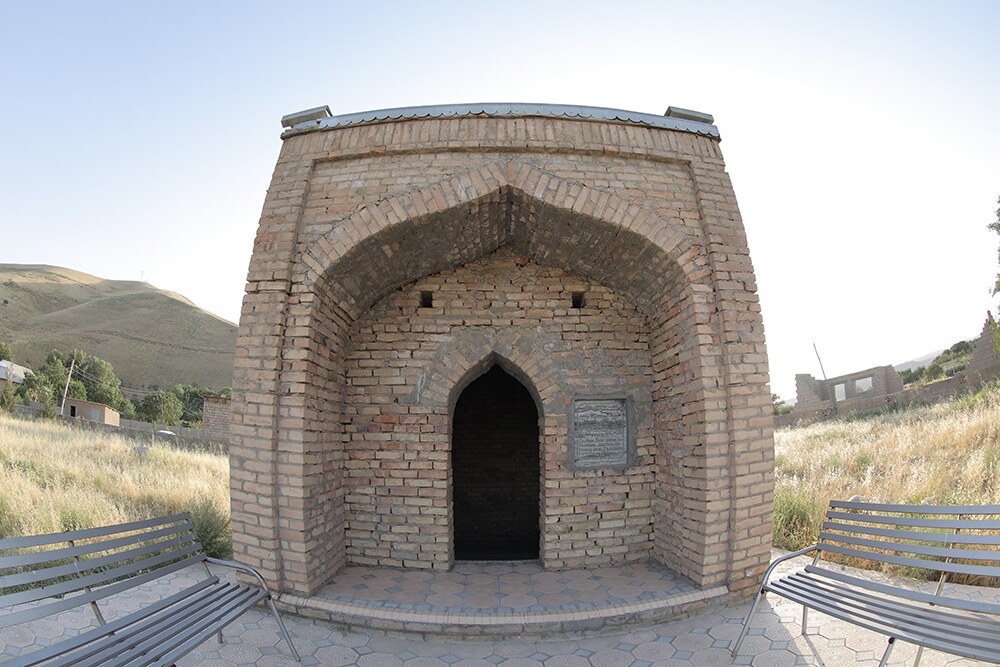
The mausoleum of Sheikh Abulhasan is situated on a hill across a stream from the mosque. It is surrounded by a cemetery, and about 100 meters from the coffin house, one reaches the burial chamber. This monument was constructed approximately 100 years after the mosque, and its architectural style resembles that of the mausoleum of Khoja Ahmad Yasawi. The walls and dome were built with fired bricks, and the doors and windows are adorned with elegant, intricate patterns. Inside the mausoleum, there are five graves, three of which stand out due to their size and monumental stones. At the entrance, in a separate grave, lies Amirbek Sadiq ibn Bahadur, who, although not belonging to the sheikhs' lineage, held a high position due to his social status. According to archaeologist Abdusobir Rayimkulov, the mausoleum of Langar Ota contains the remains of Abulhasan Ishqi, his son Sheikhzada Muhammad Sadiq, and his grandson Abulhasan Akhund, sheikhs of the Ishqiya order of Sufism. The fourth grave bears no inscription, making its occupant unknown. Some researchers speculate that Amir Timur's fourteen-year-old granddaughter was buried here. However, Mullah Jabbor Abdulaziz, who formerly served as an imam at this site, offers a different perspective. He bases his opinion on a statement made 13 years ago by a woman visiting from Afghanistan, who claimed that Sheikh Abulhusayn's daughter was interred here. This claim may be closer to the truth, as there is a tomb of Sheikh Khudoyqul, the grandfather of the sheikhs who found eternal rest here, in Kandahar, Afghanistan. It is possible that Afghans possess more information about their descendants than we do. Nevertheless, this matter has not yet been fully resolved [10]. However, this issue has not yet been fully resolved [10].
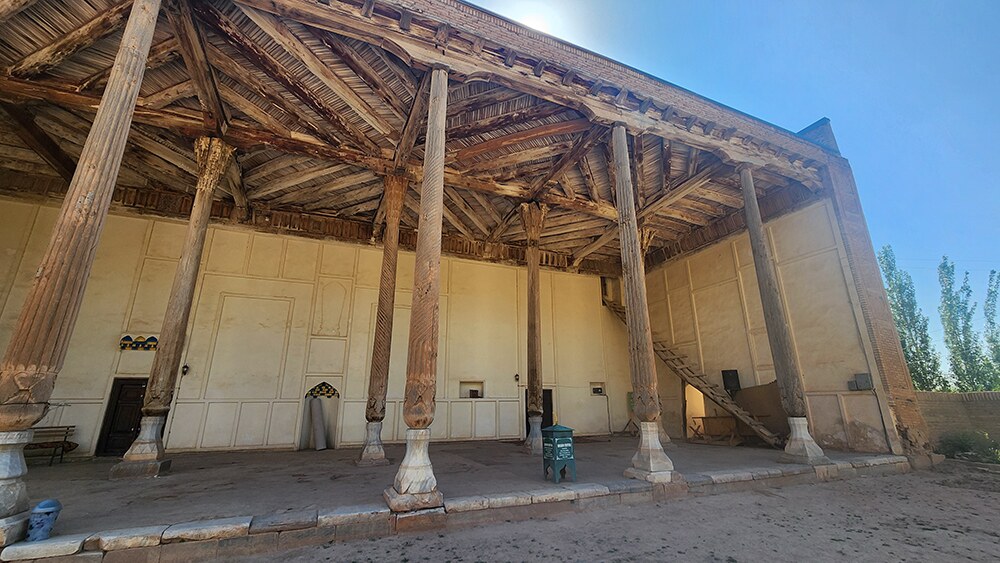
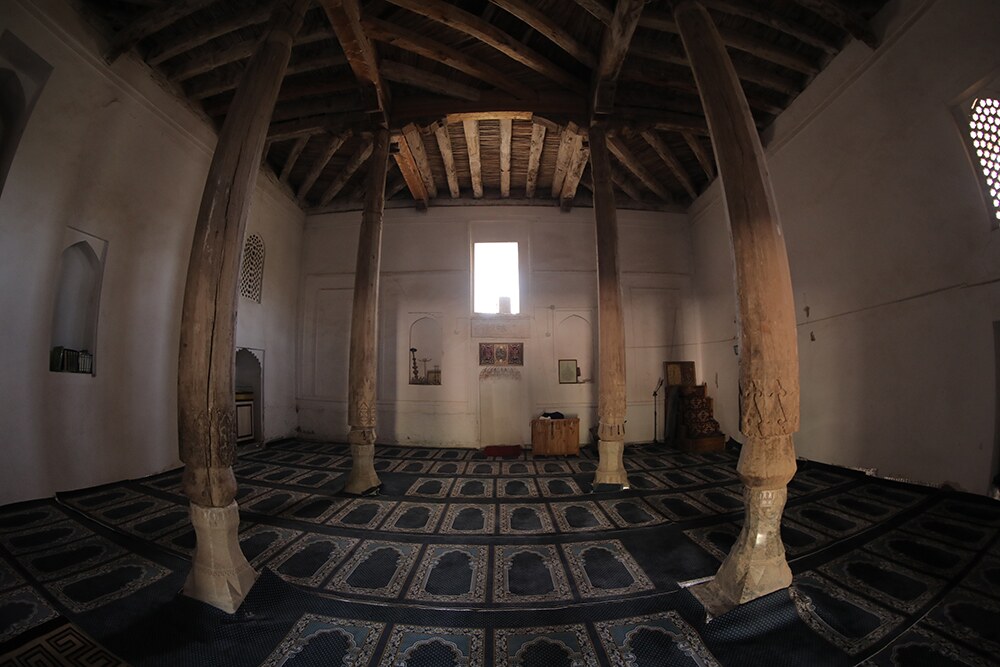
The sheikhs in this place trace their lineage back to Khudoykuli Sheikh, referred to as the "Great Sheikh" by Navoi. The author of the book "Muzakkiri ahbob" writes, "Sheikh Muhammad Sadiq and Abdul Hasan Sheikh bin Ilyas Sheikh Muhammad Sheikh bin Khudoykuli Sheikh Ishqiya are descendants of Abdul Hasan Ishqiya (may his secrets be sacred)." The lineage of these sheikhs can be traced back to Hazrat Sultan-Orifin Bayazid Bostani. Sheikh Muhammad Salih was unparalleled in his time in asceticism, never deviating from the bright path of Sharia and the clear way of the nation. There are accounts that the mosque in Langar Ata was also built by Sheikh Abdul Hasan and Ilyas [11:24]. A mosque exists on its northern side [12:79].
In Salohiddin Tashkandi's book "Temurnoma": According to Mullah Tanish Bukhari, Sheikh Khudaydat, also called Aziz, Khudayberdi, or Khudoykuli, converted the Kipchaks to Islam. Although the Khan was still a non-believer, he was a devoted follower of Sheikh Khudoykuli. They went to Tuqtumirkhan and said: "I heard from my pir that Mirijaxon will be born, called Hadid, meaning 'my father will be Timur,' and he will conquer the earth and the sun. Your name is Timur". They foretold the Khan's success in conquering the seven climates [13:94]. This demonstrates Sheikh Khudoykuli's significant role in spreading Islam in the Golden Horde. Tuylu Timur lived in the ancient city of Urgench, governing the part of Khorezm that was subordinate to the Golden Horde, and Sheikh Khudoykuli, who was his spiritual guide, also lived in ancient Urgench for some time. Some scholars consider Sheikh Khudoykuli to be from Khorezm. During Amir Timur's reign, the part of Khorezm dependent on the Golden Horde was annexed to Transoxiana. According to Salohiddin Tashkandi: Sheikh Khudoykuli, Bahauddin Naqshband, and Amir Timur met [14:81]. This indicates that Amir Timur knew Sheikh Khudoykuli well and may have invited him to Samarkand.
According to the book "History of Langar Sheikhs," the graves of Sheikh Khudoikul, Sheikh Muhammad, and Sheikh Ilyas, the ancestors of the sheikhs buried at the "Langar Ota" shrine, are located in the Astanobobo shrine in the village of Astanobobo, Nurabad district of Samarkand region. This village has been a sacred pilgrimage site for Muslims for several centuries, with the Astanabobo mausoleum containing tombs arranged in the shape of five fingers [15].
In his article "Astanabobo Shrine," B. Valihodjaev quotes a passage related to Sheikh Ilyas from the work "Silsilat-ul-Orifin" dedicated to Khoja Akhror Vali: "Sheikh Muhammad Keshi disapproved of Sheikh Ilyas's involvement in shahria, resulting in a dispute between them. Consequently, Sheikh Ilyas's disciples were displeased with Keshi's objection to their murids. Upon learning of this incident, Khoja Ahror sought to protect Keshi from harm. Sheikh Ilyas, offended by Khoja Ahror's actions, wrote a letter to Darvesh Muhammad Tarkhan, the uncle of Sultan Ahmad Mirza, the ruler of Maverannahr..." [16:83].
This information demonstrates Sheikh Ilyas's considerable influence among the rulers of Maverannahr at that time. It is evident that Sheikh Khudoykuli, his son Sheikh Muhammad, and his grandson Sheikh Ilyas, who rest eternally in the Astanabobo mausoleum, made significant contributions to the development of Islam during their era and earned respect among rulers for their knowledge and services.
REFERENCES
- Madaniyat vazirligi huzuridagi Madaniy meros departamenti ma’lumoti. – Toshkent shahri, 2019 yil 15 aprel.
- Soatov A. Langar ota tabarruk ziyoratgoh yohud Idrok shamchirog‘i. – Toshkent: Fan va texnologiya, 2010. – B. 7.
- Mассон М.Е. Катта Лангяр в области средневекового Кеша // Археология Средней Азии. 7-том. Вып. 295. – Ташкент: Фан, 1966. – С. 66-67.
- Madaniy meros departamenti arxivi. KD-7086 fond, L-ro‘yxat, 11-ish, 7-14 varaqlar; Массон М.Е. Катта Лангяр в области средневекового Кеша // Археология Средней Азии. 7-том. Вып.295. – Т.: Фан, 1966. – С. 66-105.
- Soatov A. Langar ota tabarruk manzilgohi yohud Idrok Shamchirog‘i. – Toshkent: Fan va texnologiya, 2010. – B.72.
- Qashqadaryo viloyati madaniy meros boshqarmasi ma’lumoti. Qarshi shahri, 2019 yil 19 avgust.
- Soatov A. Langar ota tabarruk manzilgohi yohud Idrok Shamchirog‘i. – Toshkent: Fan va texnologiya, 2010. – B. 72.
- O‘sha asar. – B. 78.
- O‘sha asar. – B. 75-76.
- G‘oziyev N. Tarixning tilsiz tilsimlari yohud Langar ota ziyoratgohi haqida // https://zamin.uz/madaniyat/72204
- G‘ozi Raxmon. Langar ota tarixi. – Toshkent: Kurash jurnali, 2006. – B. 24.
- Soatov A. Langar ota tabarruk manzilgohi yohud Idrok Shamchirog‘i. – Toshkent: Fan va texnologiya, 2010. – B. 79.
- Salohiddin Toshkandiy. Temurnoma. – Toshkent: Cho‘lpon, 1991. – B. 94.
- O‘sha asar. – B. 81.
- G‘oziyev N. Tarixning tilsiz tilsimlari yoxud Langar ota ziyoratgohi haqida // https://zamin.uz/madaniyat/72204
- Salohiddin Toshkandiy. Temurnoma. – Toshkent: Cho‘lpon, 1991. – B. 83.