SHRINE OF JUNAID BAGHDADI (Nishon district)

In the Nishan district of Kashkadarya region, a few kilometers away from Old Nishan, near the village of Otkuduk, there is a shrine of Junayd Baghdadi, one of the representatives of the Sufi order [1]. His full name was Abdulqasim al-Junayd ibn Muhammad Qawariri al-Baghdadi (?-910), who was born in Baghdad. He was the founder of one of the two main Sufi currents that existed in Baghdad at that time [2:173]. This order became famous in the East under the names “Crown of the Knowers”, “Sultan of the Verifiers” and “Master of the Path”. According to sources, Junayd Baghdadi spent his entire life in Baghdad. He was educated in Baghdad madrasahs and, in his views, paid special attention to the religious and spiritual purification of man, adapting the practice of Sufism to Islam.
The people of Baghdad called Junayd “Sayyid ut-Taifa” (Master of the Group). Hazrat Junayd al-Baghdadi was one of the great scholars of the Ahl al-Sunnah wa’l-Jama’ah and a sheikh of Sunni Sufism in the 3rd century AH. Orphaned by his father in childhood, he was raised by his uncle, the Sufi Sari as-Saqati. He studied Shafi’i jurisprudence and hadiths under the renowned faqih Abu Thawr Ibrahim al-Baghdadi (d. 854). Al-Harith al-Muhasibi (c. 781-857) also served as a mentor to Junayd [3:100]. They were among the founders of the Baghdad Sufi school. There are 31 treatises written by Junayd al-Baghdadi, collectively known as “Rasa’il” (Treatises). This collection contains the scholar’s letters and articles on Sufism, with some written as commentaries on certain Quranic verses. Later, his works were compiled and published in 2005 by “Iqra” publishing house as a book titled “Rasa’il al-Junayd” (The Treatises of Junayd) [4:14]. Junayd al-Baghdadi developed a doctrine on the unity of Allah (tawhid) and the levels of knowing Him based on psychological experience and perception.
Alisher Navoi also mentions Junaid Baghdadi in his work “Nasoyim ul-muhabbat” (Stories and Guidances), stating: “Anyone who has conversed with Junaid for half a day will not depart from his manners”.
Junaid Baghdadi attained the highest degree and status in the sciences of Sharia, Tariqat, Enlightenment, and Truth. He approved of Sufyan al-Thawri’s views. All the spiritual masters of Baghdad followed Junaid's path.
Sheikh Shibli said:
“If intellect were to take human form, it would be in the image of Junaid”.
Sari al-Saqati said:
“Junaid’s rank in the realms of passion, enlightenment, revelation, and love is exceedingly high”.
Junaid Baghdadi lived for 91 years and passed away in Baghdad in 298/910 [3:101]. His original tomb is located in Iraq. In the 1980s, the Iraqi government renovated Junaid Baghdadi’s mausoleum and transformed it into a major pilgrimage site. A congregational mosque bearing his name was also built adjacent to the mausoleum.
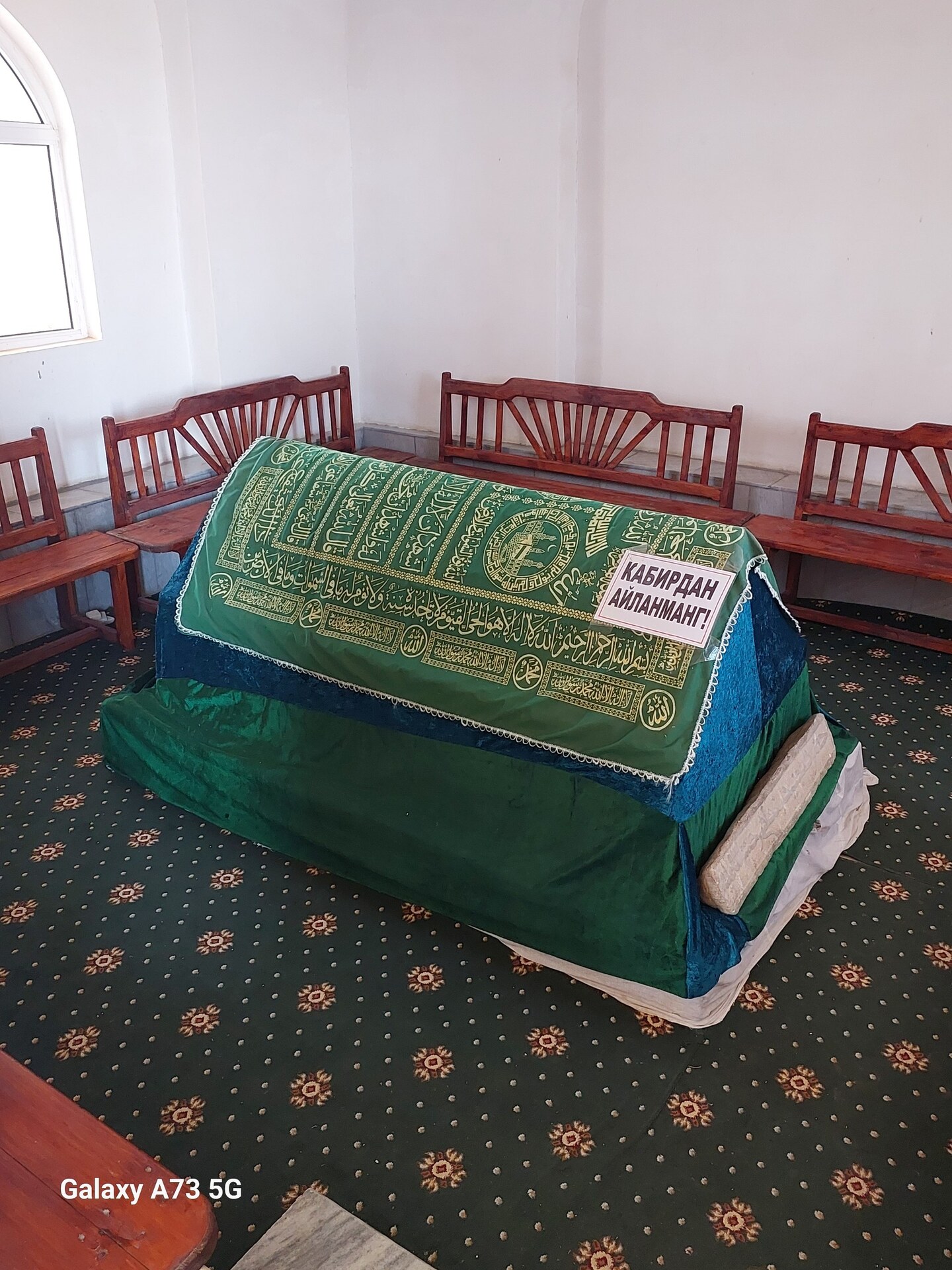
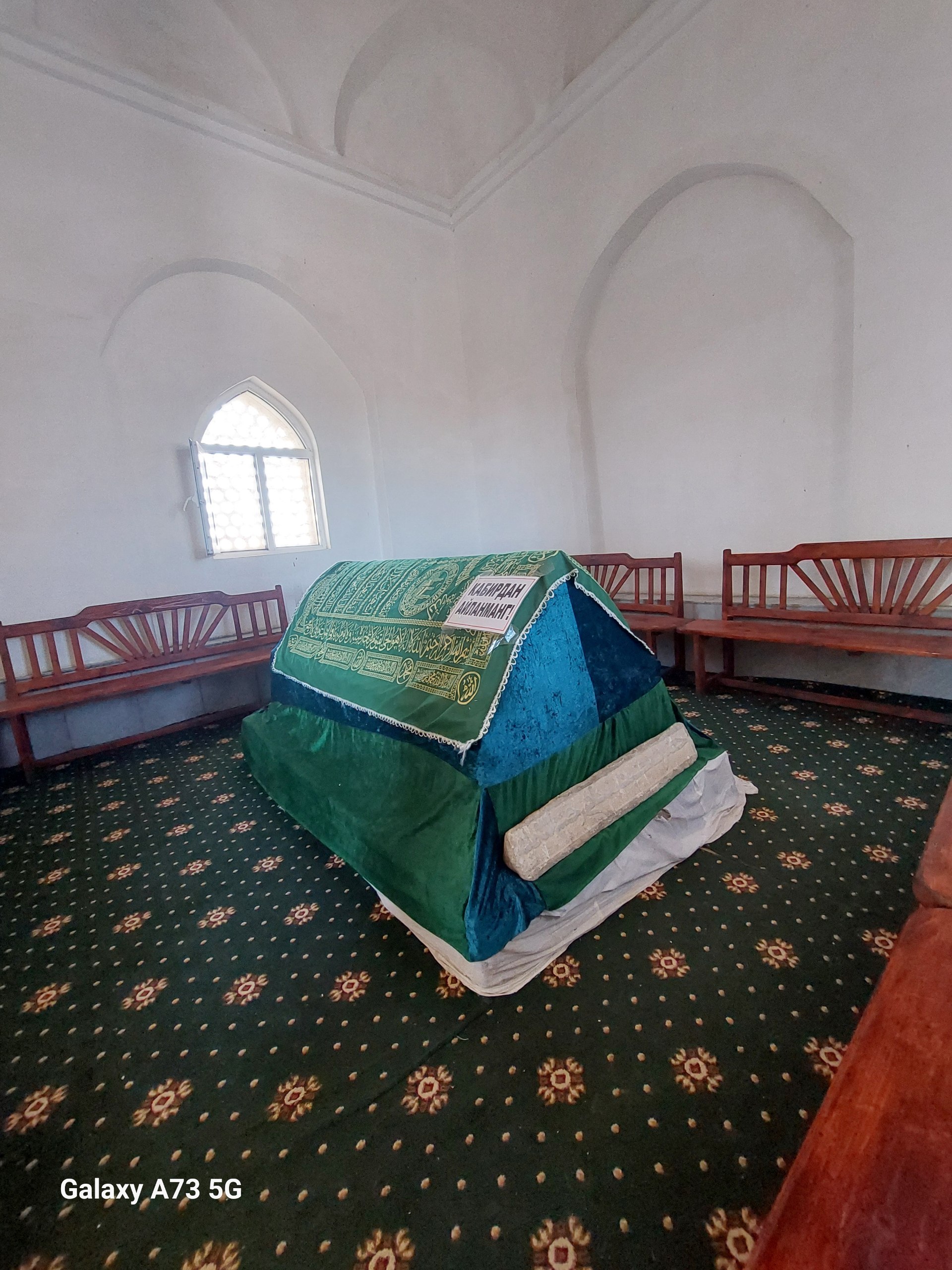
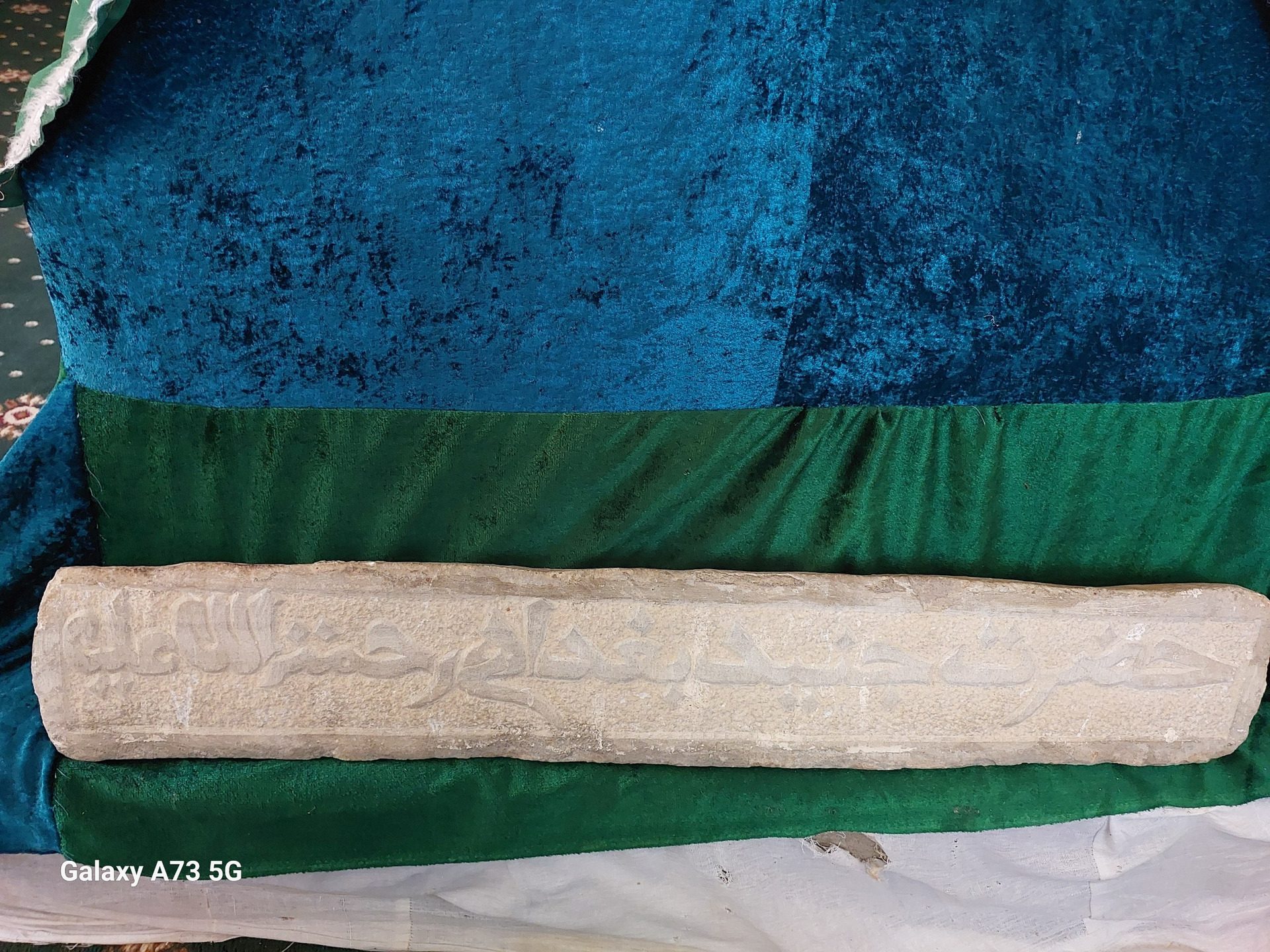
Although the original tomb of the scholar is located in Baghdad, Iraq, during the restoration of the Naiman Ota shrine near the village of Otkuduk in the Nishan district, a tombstone with the name “Junayd Baghdadi” dating back to the 19th century was discovered. Therefore, this shrine is considered sacred among the population as a symbolic tomb.
Among the people, there is a legend that “During the campaigns of Amir Timur Sahibkiran, he brought the remains of Ubaida bin al-Jarroh from the city of Karshi, as well as the remains of Hazrat Junaid Baghdadi, and turned this place into a shrine”. [6]
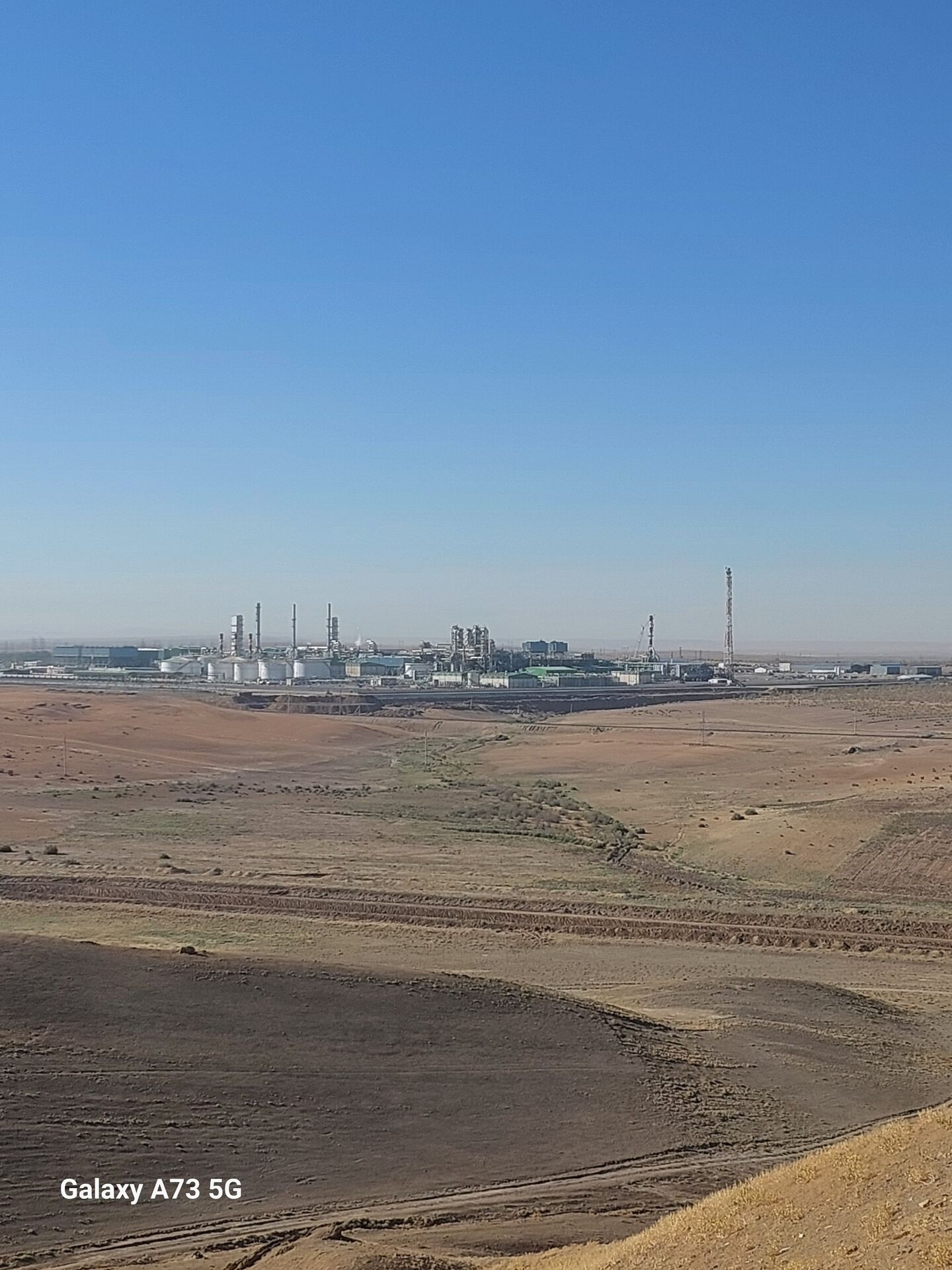
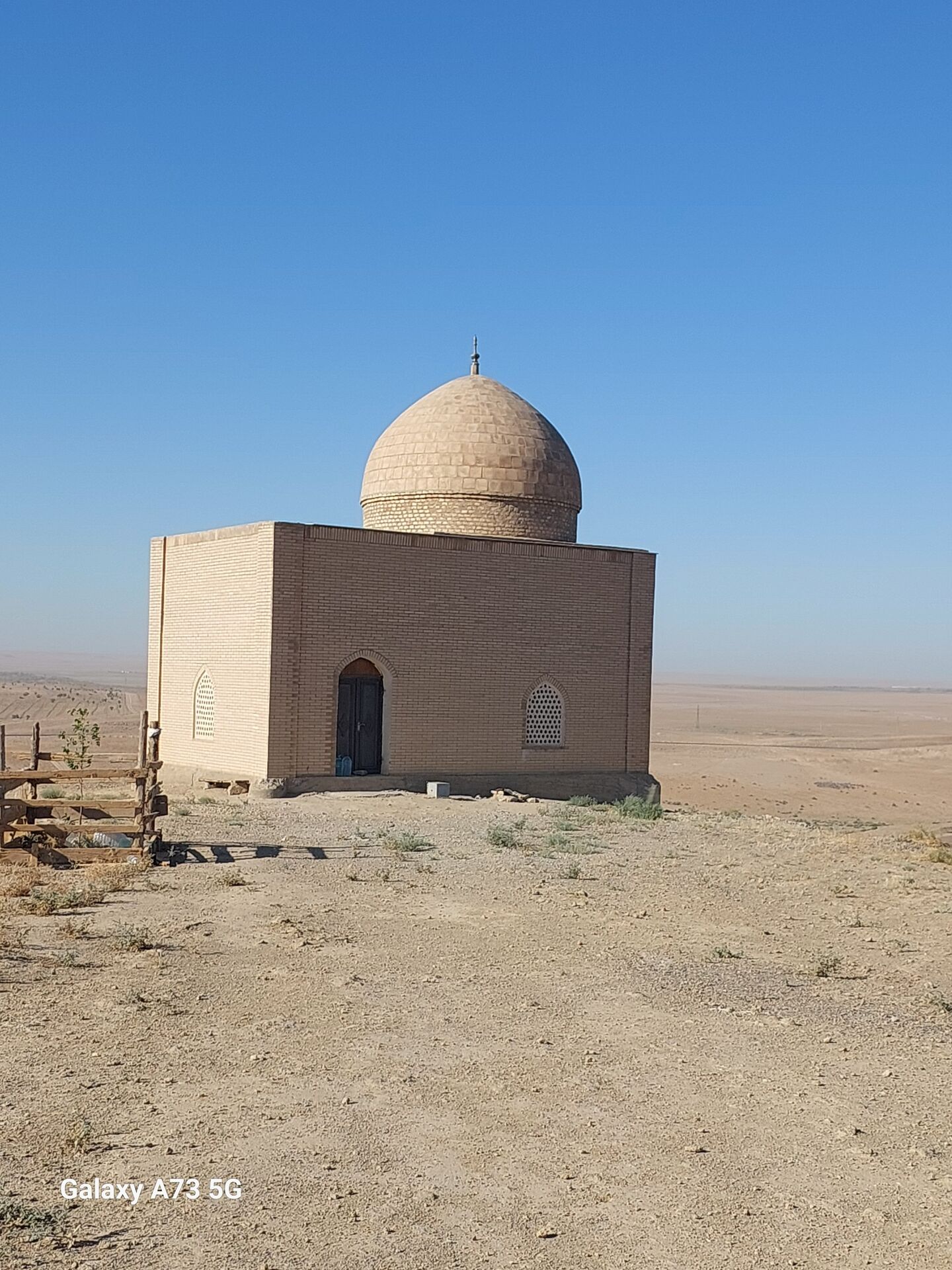
This shrine is located near the village of Otkuduk in the Nishan district, on a hill in the Nishan desert. In 2017-2018, Saidkulov Nuriddinkhan Kholtura ogly, a resident of Eski Nishon, restored the symbolic tomb of Hazrat Junayd Baghdadi at his own expense and built a dome-shaped khanaqah over the tomb.[7] The khanaqah is a two-room building constructed in a rectangular shape and covered with a dome. Conditions have been created for pilgrims to sit and recite prayers. The area around the mausoleum has been expanded and transformed into a well-maintained site.
Currently, this site is a pilgrimage destination regularly visited by the local population. In the spring months, they slaughter sheep for an abundant harvest of crops and make offerings in the way of Allah.
REFERENCES
1. Дала тадқиқотлари.-Қашқадарё вилояти Нишон тумани. 2024 йил 6 август.
2. Ислом энциклопедияси.Тошкент: Ўзбекистон миллий энциклопедияси давлат илмий нашрёти, 2017.
3. Ҳомиджон Ҳомидий.Тасаввуф алломалари.-Тошкент: Ўзбекистон, 2016.
4. Райҳонов И. Ҳазрат Жунайд ал Бағдодийнинг ҳаёти ва мероси.-Қарши: Насаф, 2017.
5. НавоийА. Насойим ул-муҳаббат.-Тошкент: Ўзбекистон, 2018.
6. Қашқадарё вилояти Нишон тумани Эски Нишонда яшовчи, 1968 йилда туғилган Саидқулов Нуриддинхон эшон билан бўлган суҳбат, 2019 йил 30 август. 4-дафтар. (2019 йил октябрь ойида вафот этган).
7. Қашқадарё вилояти Нишон тумани Отқудуқ қишлоғидаги зиёратгоҳ мутаваллиси, 1981 йилда туғилган Бобоев Воҳидхон эшон билан бўлган суҳбат, 2024 йил 5 август.