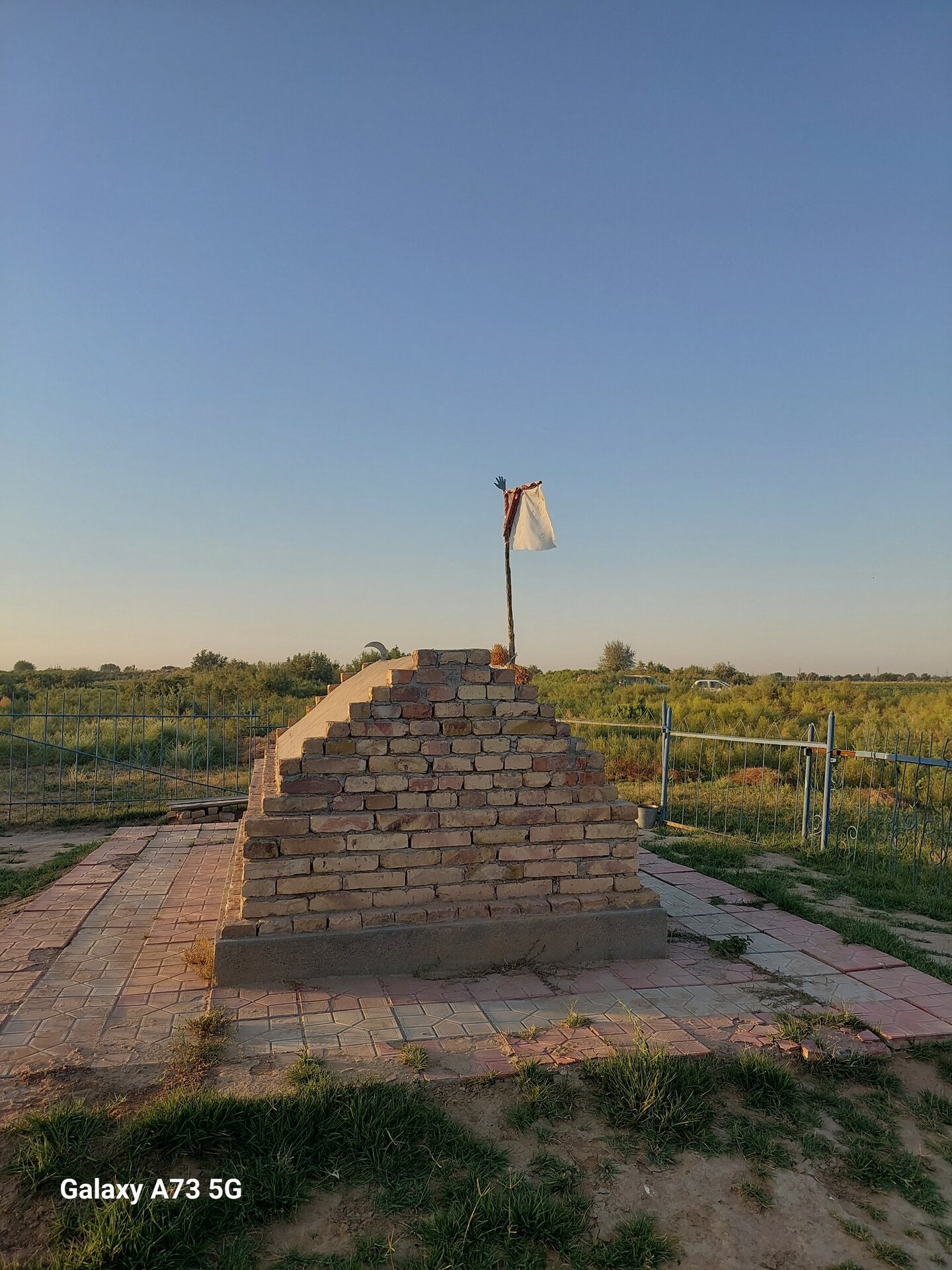
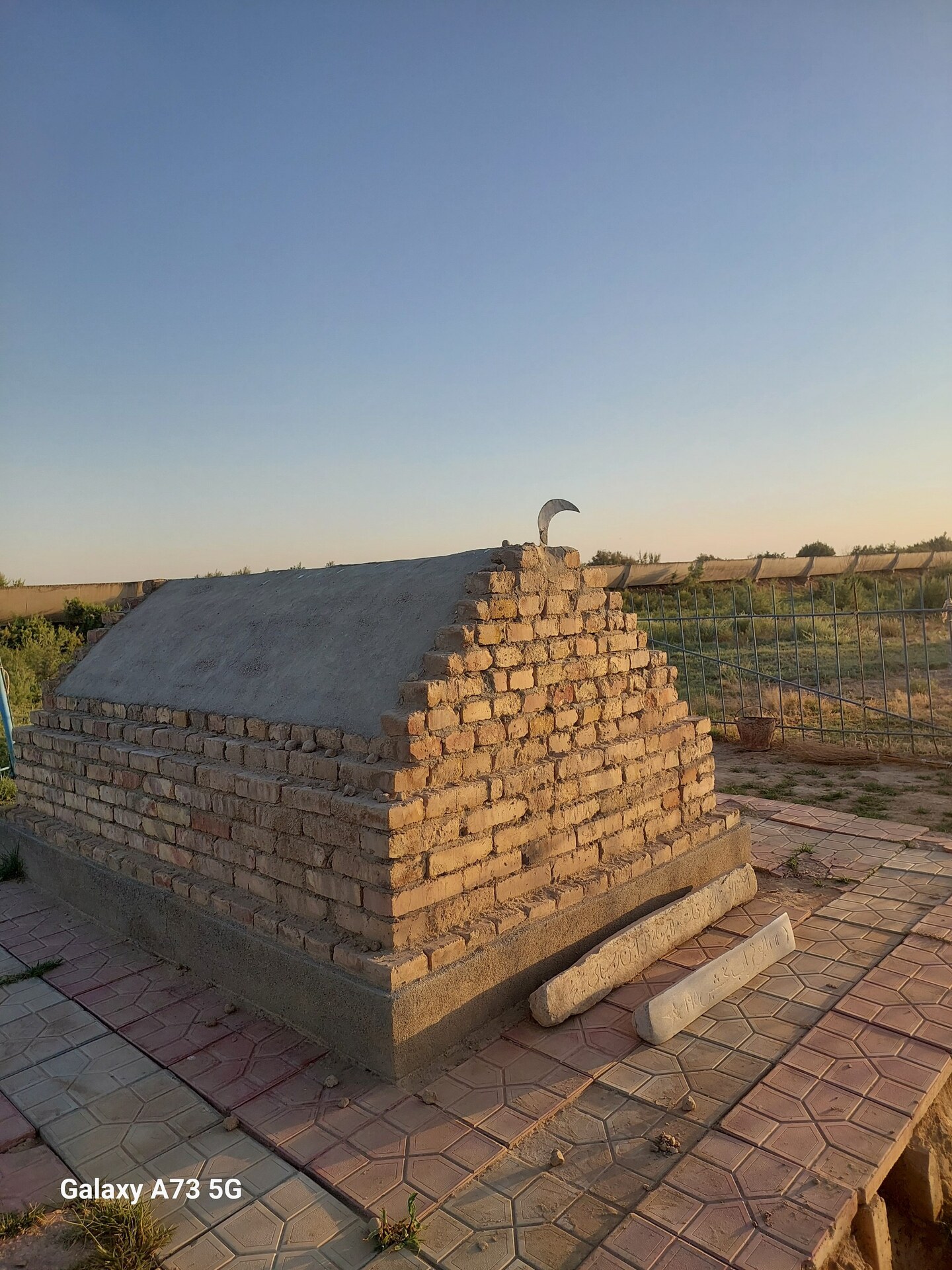
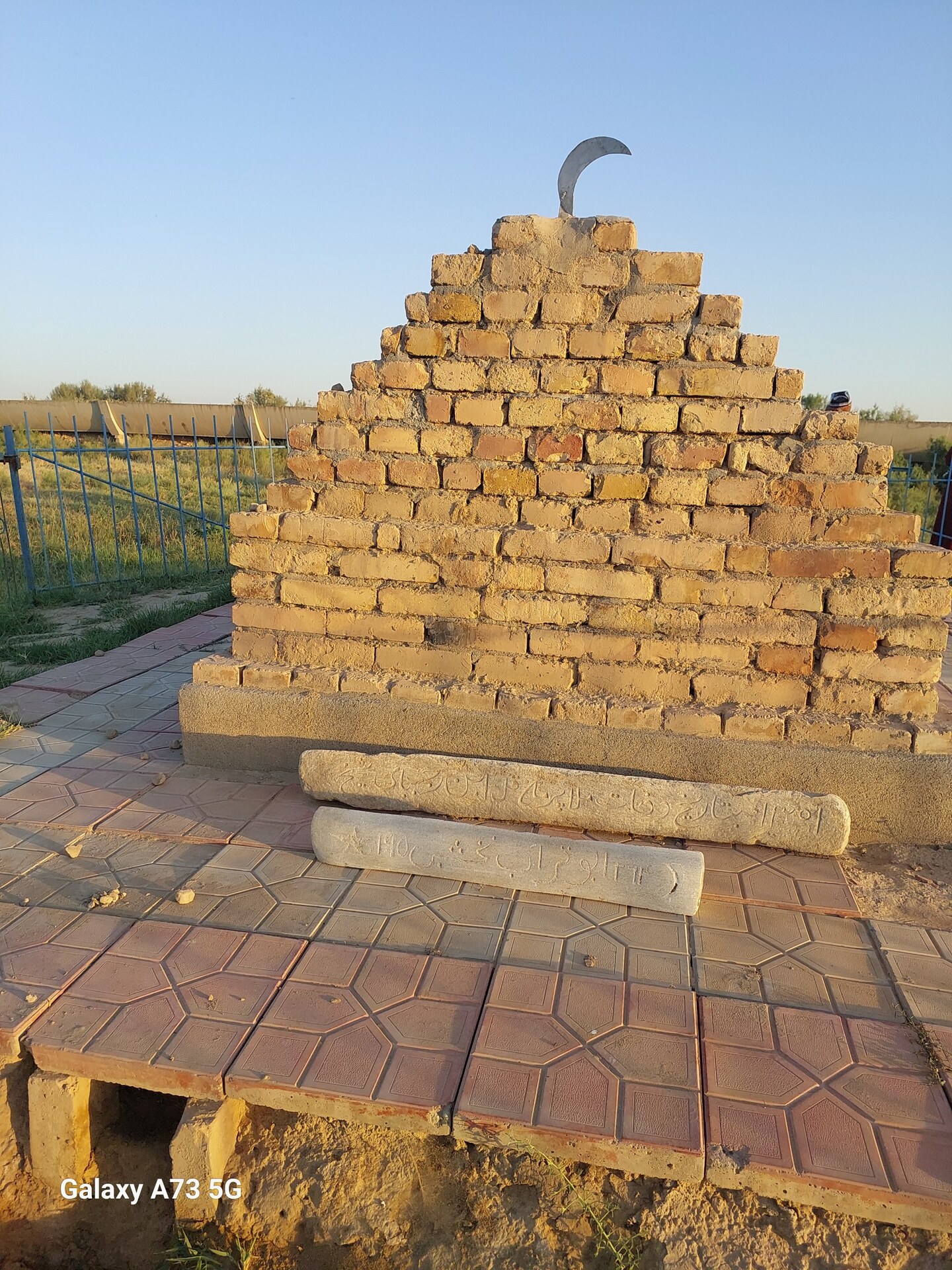
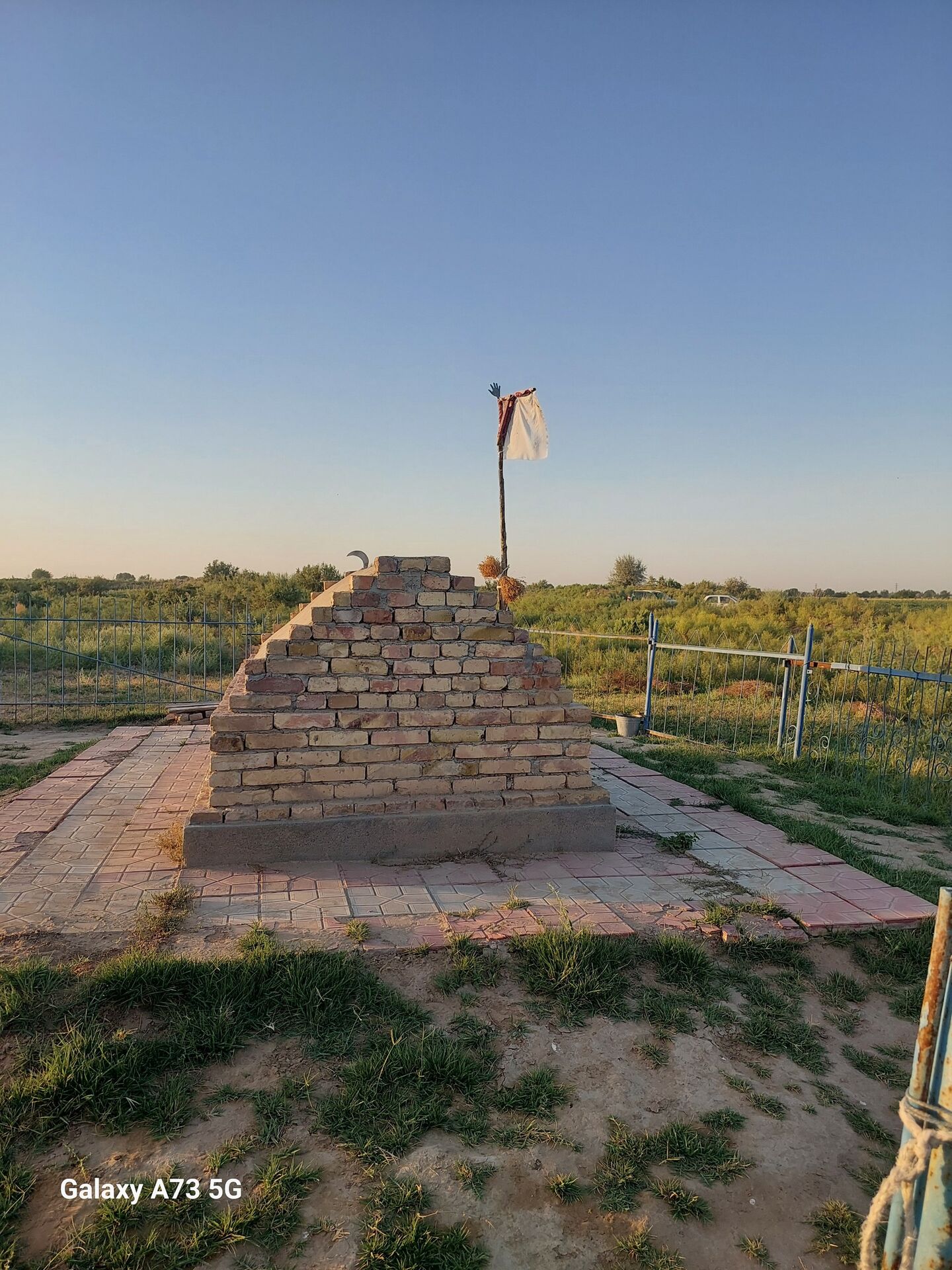
ASKAR IBN HUSAIN ABU TURAB AN-NAHSHABI (Nishan district)

Askar ibn Husayn Abu Turab an-Nakhshabi. He was born around 191/806 in the city of Nakhshab (present-day Karshi). He pursued his education at the madrasahs of Bukhara and Sarakhs. Hotim al-Asom (full name: Abdurrahman Hotim ibn Unvan ibn Yusufi Balkhi, 146/763-237/851-852), who was nicknamed “the Luqman of the Ummah” among Sufis, received education from him. After his teacher's death, he went to Sham and recorded numerous hadiths. He studied the books of Imam Shafi’i [1:592]. He traveled to Baghdad several times and participated in the scholarly gatherings of Ahmad ibn Hanbal [2:284]. According to the work “Tazkirai Muhammad Baqir”, Nakhshabi was educated by Abu Abdullah and Abu Ubayd [3:366].
Abu Turab Nakhshabi narrated hadiths from Nu’aym ibn Hammad, Muhammad ibn Abdullah ibn Numayr, Hatim al-Asamm, and others.
It was narrated by Fath ibn Shahraf and his companion, Abu Bakr ibn Abu Asim, Abdullah ibn Ahmad ibn Hanbal, Yusuf ibn Husayn ar-Razi, and Ahmad ibn Jallal [4: 485, 545-546].
In his lectures and conversations, Abu Turob Naxshabiy urged people to restrain their desires, practice patience and contentment, and follow the path of Sharia, tariqat, and enlightenment. His contemporaries described him as “the man of the king of meaning”, “the moon in the sky of piety”, “the knower of the science of truth” and “the pole of the era”. Numerous stories about him have spread among the people. About twenty of these are included in Muhammad Siddiq Rushdi’s book “Sultan of Saints, Saints from Turan” (Tashkent, 1995).
Abu Turab was revered as “the great exemplar of patience”. Out of deep reverence for Allah, he refrained from resting his back on a bed or his head on a pillow, and he astonished everyone with his spiritual struggle and piety [5:70-71].
Many scholars and sheikhs have expressed warm opinions about Nakhshabi. For example, Abu Abdullah ibn Jallo said: “I have seen six hundred [6:546] perfect spiritual guides. Among them, there were no greater than four sheikhs. One of them is Abu Turab Nakhshabi”. Alisher Navoi, in his work “Nasaim ul-Muhabbat”, respectfully mentions the scholar, providing information about him. Fariduddin Attar, on the other hand, includes the scholar among the first Sufis who laid the foundation of Sufism, describing him as “a disruptor of the ranks of calamity, the unique one in the records of piety, the heir of the Prophet of Truth, the sheikh of the time, a traveler in the desert of sainthood, a boatman on the river of poverty, one of the great sheikhs, from the land of Khorasan”. [7:30]
According to sources, the sheikh undertook numerous pilgrimages to Mecca. It is also noted that his death occurred in the desert while on a journey. The date of Abu Turab Nakhshabi’s death is recorded differently in various literary sources. Some indicate it as 245/859[8:266], while others state 274/887[9:24]. However, all sources concur that he passed away in the desert while en route to perform the Hajj pilgrimage.
Currently, in the Nishon district, approximately 2 kilometers away from Eski Nishon, in the former area of Qarri Nishon, a tombstone inscribed with the name Abu Turob Naxshabiy Nasafiy was discovered in 2018 [10:6]. Unfortunately, no sources mention that Naxshabiy's body was brought back to his homeland for burial. The tombstone inscription indicates that it belongs to a much later period. Based on the analysis of the above information, it can be concluded that the tomb of Abu Turob Naxshabiy in the Nishon district is likely a symbolic grave. However, if researchers carefully study it in the future, there is a high possibility of arriving at new conclusions. This complex is also known as “Shahid ota” or popularly called “Chillamozor” among the people.
List of used literature.
- Абу Амр Усмон ибн Абдурраҳмон. Табақотул фуқаҳо аш-Шофеъийя. Ж. 1. – Байрут: Дорул башоир ал-исламийя, 1992. – Б. 592.
- Бурҳониддин Иброҳим ибн Муҳаммад. Ал-мақсидул иршод фи зикри асҳоб ал-Имом Аҳмад. Ж. 2. – Риёз: Мактабат ар-Рушд, 1990. – Б. 284.
- Абул Муҳсин Муҳаммад Боқир ибн Муҳаммад Али Сиддиқий. Тазкираи Муҳаммад Боқир. ЎзР ФА Шарқшунослик институти. Қўлёзма. №1846. – В. 36б.
- Шамсиддин Муҳаммад ибн Аҳмад аз-Заҳабий. Сияр аълам ан-нубало. Ж. 11. – Байрут: Муассасат ар-рисала, 1996. – Б. 485, 545-546,
- Ҳамиджон Ҳомидий. Тасаввуф алломалари. – Т.: Ўзбекистон, 2016. − Б. 70-71.
- Заҳабийнинг асарида Ибн Жаллодан келтирилган ривоятда: “1000 та шайхни кўрдим, аммо Абу Туробдайини учратмадим”, дея келтирилган. Қаранг: Шамсиддин Муҳаммад ибн Аҳмад аз-Заҳабий. Сияр аълам ан-нубало. Ж. 11. – Байрут: Муассасат ар-рисала, 1996. – Б. 546.
- Навоий А. Насойим ул-муҳаббат. – Т.: Ўзбекистон, 2018. − Б. 28-31.; Фаридуддин Аттор. Тазкират ул авлиё. Нашрга тайёрловчи ва сўз боши муаллифи А.Мадраимов. – Т.: Ғ.Ғулом номидаги нашриёт матбаа ижодий уйи, 2017. − Б. 30.
- Абул Муҳсин Муҳаммад Боқир ибн Муҳаммад Али Сиддиқий. Тазкираи Муҳаммад Боқир. ЎзР ФАШИ. Асосий. Қўлёзма. №1846. – В. 36б.; Шамсиддин Муҳаммад ибн Аҳмад аз-Заҳабий. Сияр аълам ан-нубало. Ж. 11. – Байрут: Муассасат ар-рисала, 1996. – Б. 546.; Аҳмад ибн Али ибн Собит (Хатиб Бағдодий). Тарихи Бағдод. Ж. 14. – Байрут: Дор ал-ғарб ал-исламий, 2002. – Б. 266.
- Ҳамиджон Ҳомидий. Тасаввуф алломалари. –Тошкент: Ўзбекистон, 2016. −Б. 70.; Носир Муҳаммад. Насаф ва Кеш алломалари. (IX-XX асрлар): Тазкира. – Т.: Ғ.Ғулом номидаги нашриёт матбаа ижодий уйи, 2006. − Б. 24.
- Райҳонов И. Абу Туроб Нахшабий ан-Насафий. − Қарши: Насаф, 2018. − Б. 6.