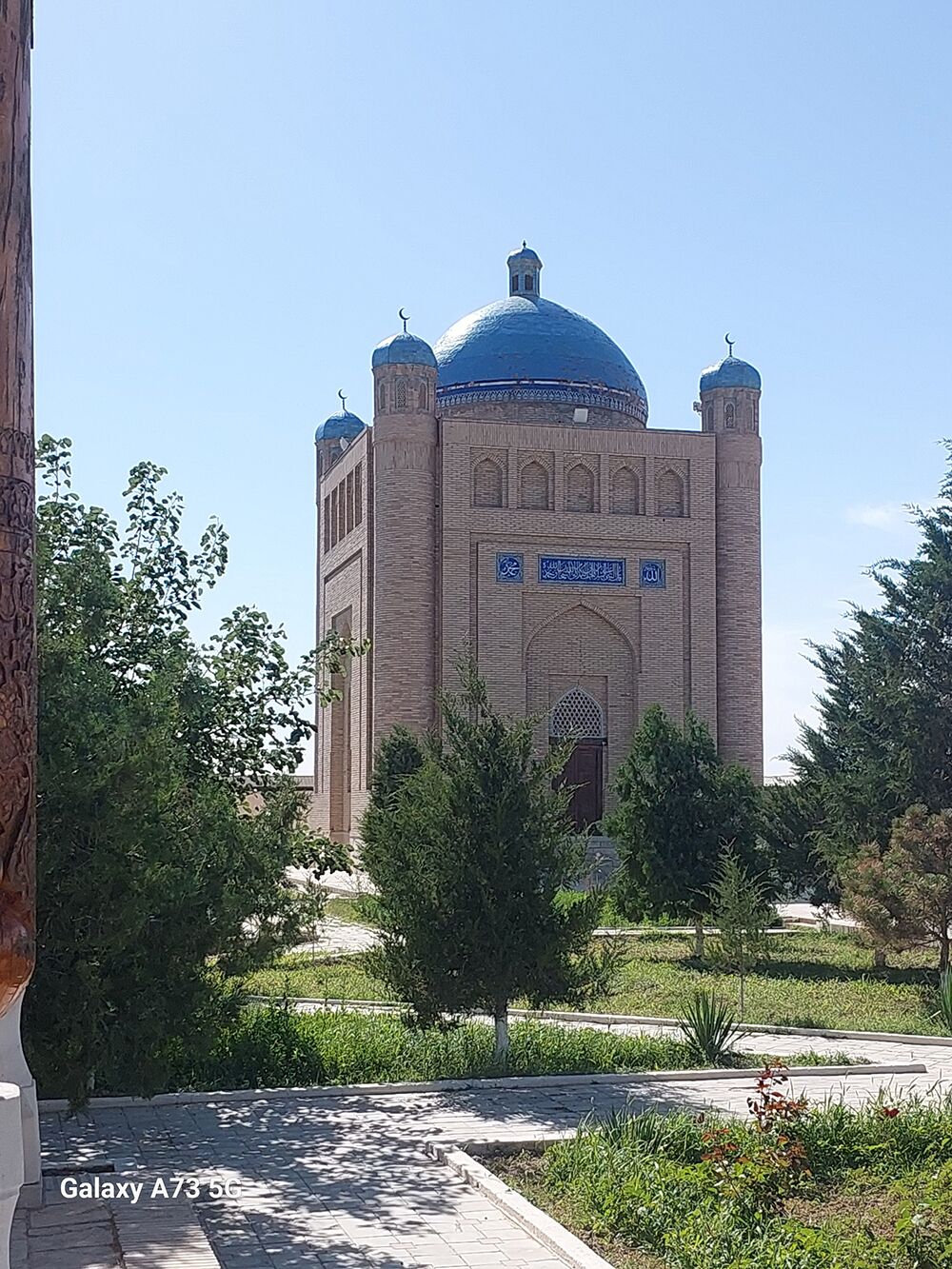
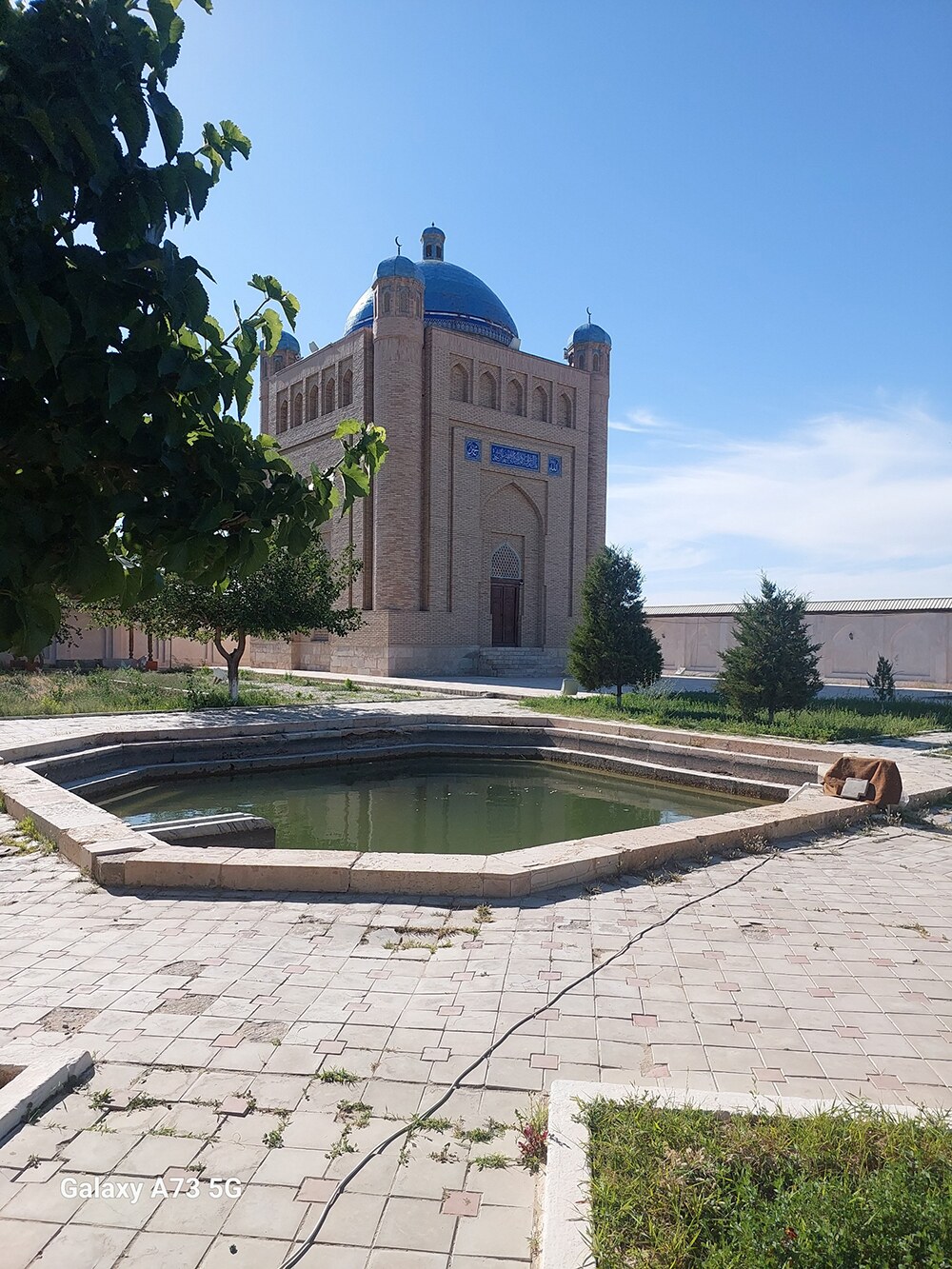
SHRINE OF ABDULLAH IBN MUBARAK MARVAZI (Mubarak district)

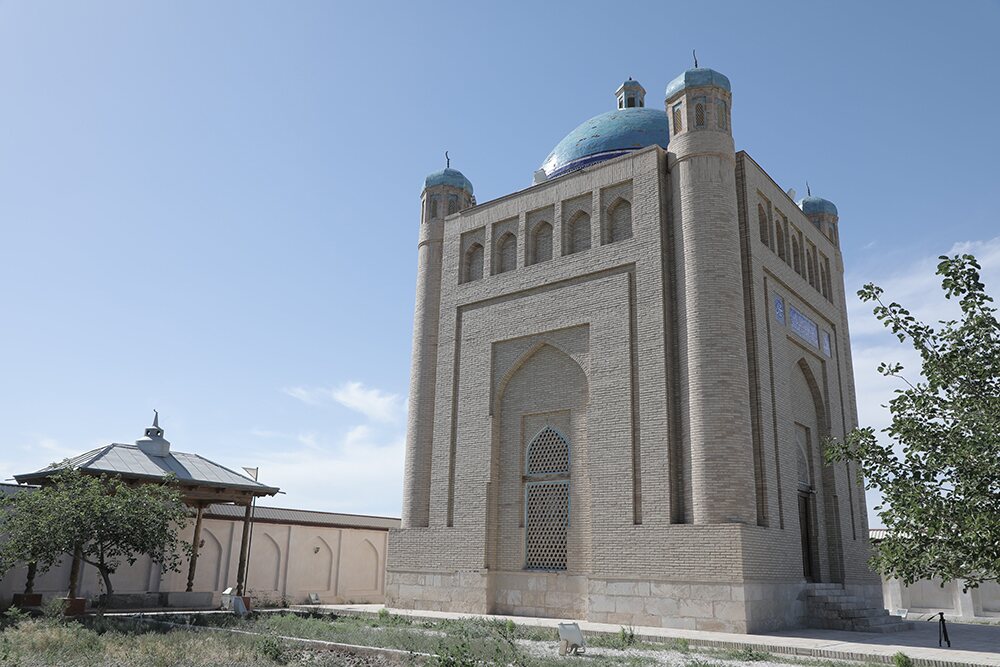
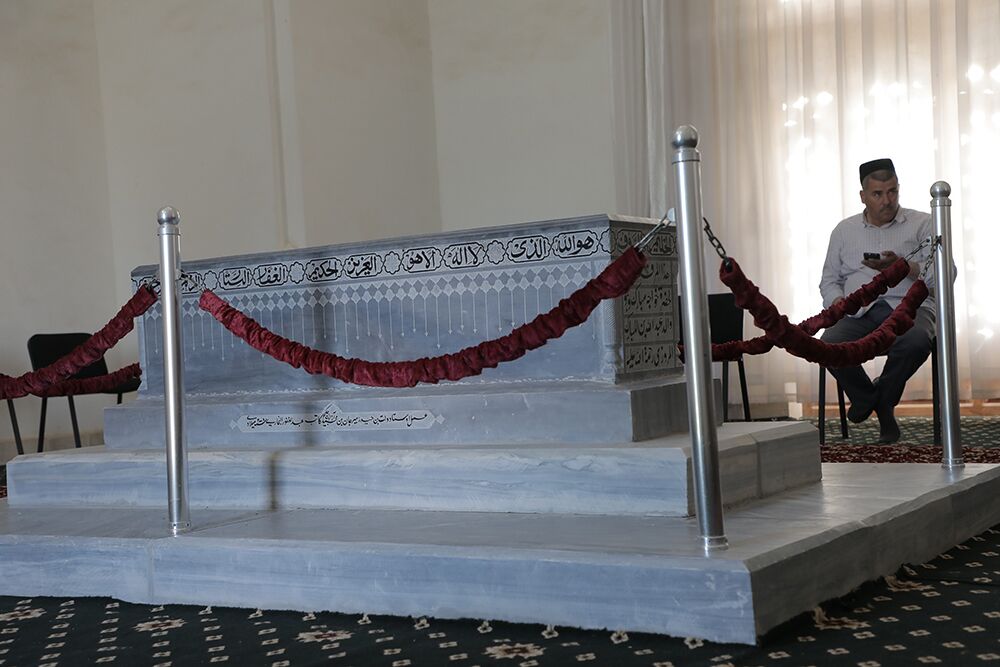
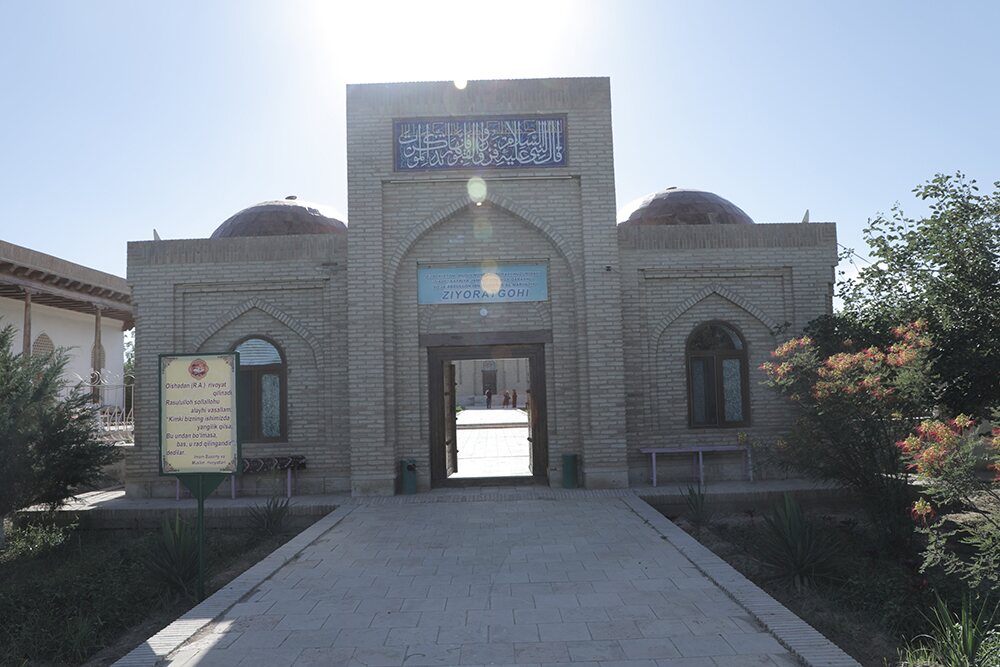
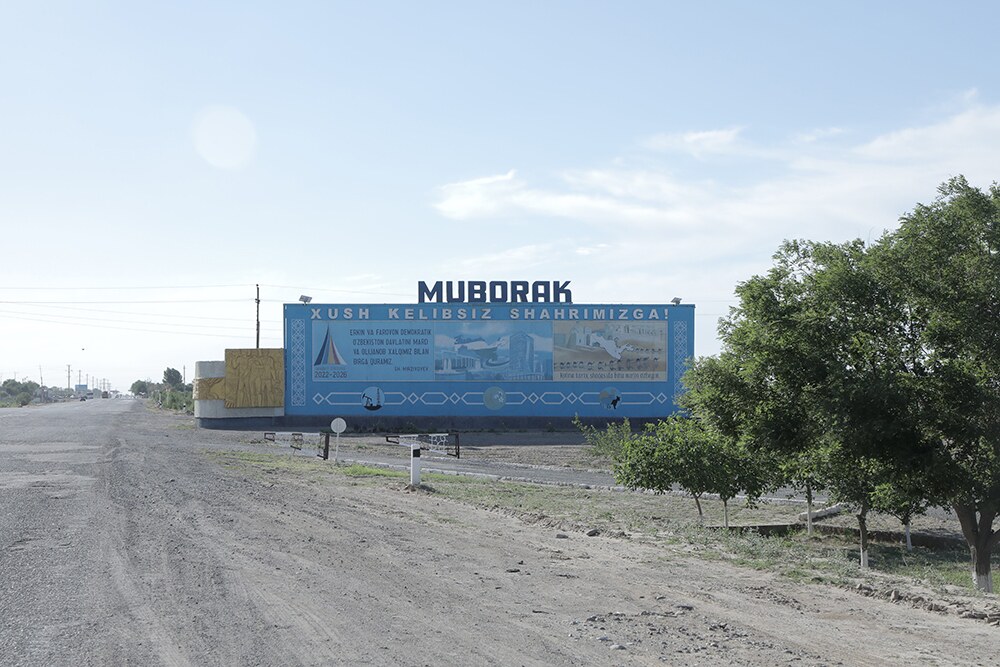
The shrine of Abdullah ibn Mubarak Marwazi, one of the scholars of Islamic science, is located in the village of Khoja Mubarak in the Mubarak district of the Kashkadarya region.[1] Abu Abdurrahman Abdullah ibn Mubarak Khanzali al-Marwazi, a Sufi, Hadith scholar, lexicographer, poet, historian, encyclopedist, who made a great contribution to the culture and culture of Islam, was born in 736 (hijra 118), in Marv, one of the ancient cities of Turkmenistan [2:192]. He was the son of Mubarak ibn Vazih, a Khwarazmian Turk. He dedicated his entire life to pilgrimage, science and worship, and the study of Islamic sciences. He traveled to many countries, met Abu Hanifa during his travels, and became one of his most famous disciples [3:14].
Abdullah ibn Mubarak Marwazi had numerous disciples, as many scholars narrated hadiths from him. He compiled hadiths and was bestowed with the title “Amir al-Mu'minin”(Commander of the Faithful). Even Sufyan al-Thawri and other great scholars, including those who were his own teachers, can be counted among them. Al-Abbas ibn Mus’ab, in his historical work, narrates from al-Mubarak through Ibrahim ibn Ishaq as follows: He (Ibn al-Mubarak) said, “It is said that I have learned from four thousand scholars and have narrated hadiths from a thousand of them” [4:37].
The scholar wrote works on Sufism, jurisprudence, hadith studies, history, grammar, and interpretation. He compiled 20 works containing 20,000 hadiths according to the jurisprudence of Abu Hanifa. He was the first to write Arba’in (forty hadiths). He was one of the disciples of Imam Bukhari's father, Ismail Abdullah ibn Marwazi [3:14]. Some of the scholar’s surviving manuscripts are preserved in the Zahiriyah Library in Damascus, the capital of Syria, and in libraries of other Eastern countries. Among them, it is possible to mention more than 10 scholarly works such as “Kitab al-Arba'in Hadissan” (“The Book of Forty Hadiths”), “Kitab al-Istiyzan” (“The Book of Asking Permission”), “Kitab al-Birr wa al-Silah” (“The Book of Righteousness and Kinship”), “Kitab al-Tarikh” (“The Book of History”), “Kitabu Tafsir al-Qur’an” (“Interpretation of the Qur’an”), “Kitab al-Musnad” (“The Book of Musnad”), “Kitab Riqa’ al-Fatawa” (“The Book of Fatwa Collections”) [5:11-12]. Ibn al-Mubarak was an eloquent poet who composed beautiful, refined poems and delicate poetic works. Even Ibn Jurayj (died in 757) said about him, “I have not seen any poet more eloquent than him” [4:65]. Alisher Navoi also mentions in his work “Nasoyim ul-muhabbat” that Allah gave Abdullah ibn Mubarak Marwazi the ability of spiritual insight [6:35-36].
Abdullah ibn Mubarak Marwazi died in 797 CE (181 AH) at the age of 63 in the town of Hit, located on the banks of the Euphrates River in Iraq, and was buried there [4:8]. The presence of a symbolic grave of the scholar in Mubarek district indicates that this region held a special place in the Islamic world.
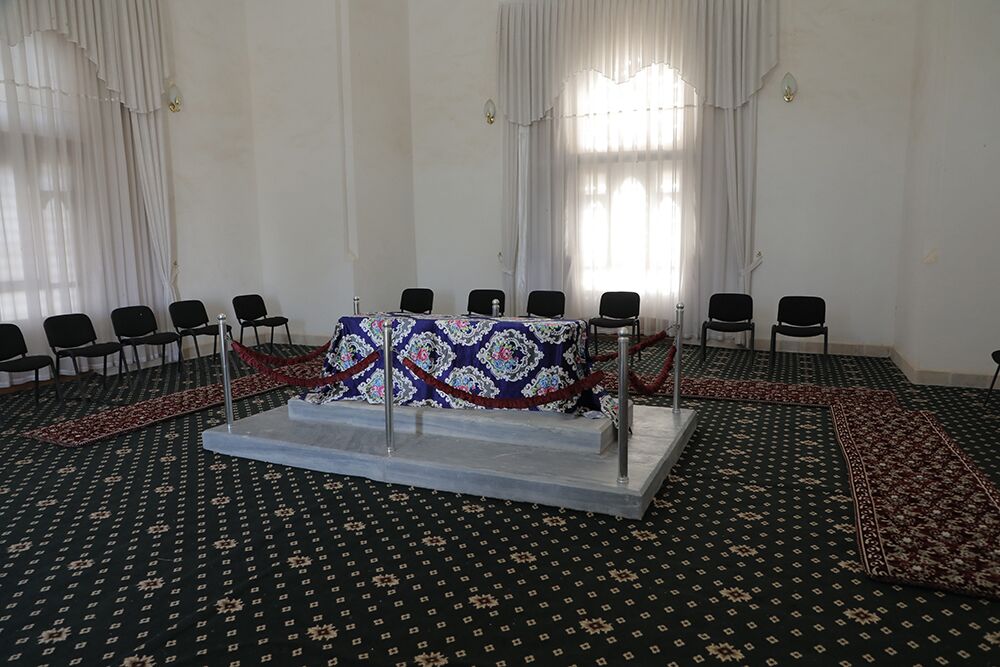
The origin of this shrine is associated with the name of Amir Timur. Out of respect for Mubarak Marwazi, Amir Timur brought some soil from his grave in the remote Iraqi town of Hit and erected a symbolic mausoleum for him near the city of Mubarek [4:5]. Over various periods, local residents who were aware of the scholar's life carried out general maintenance work around the mausoleum.
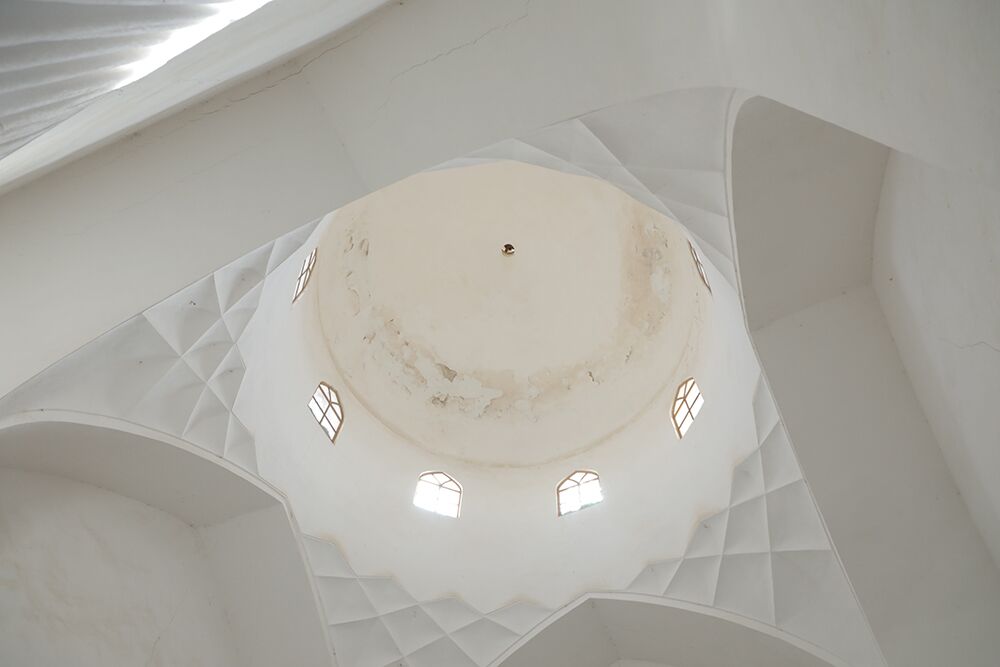
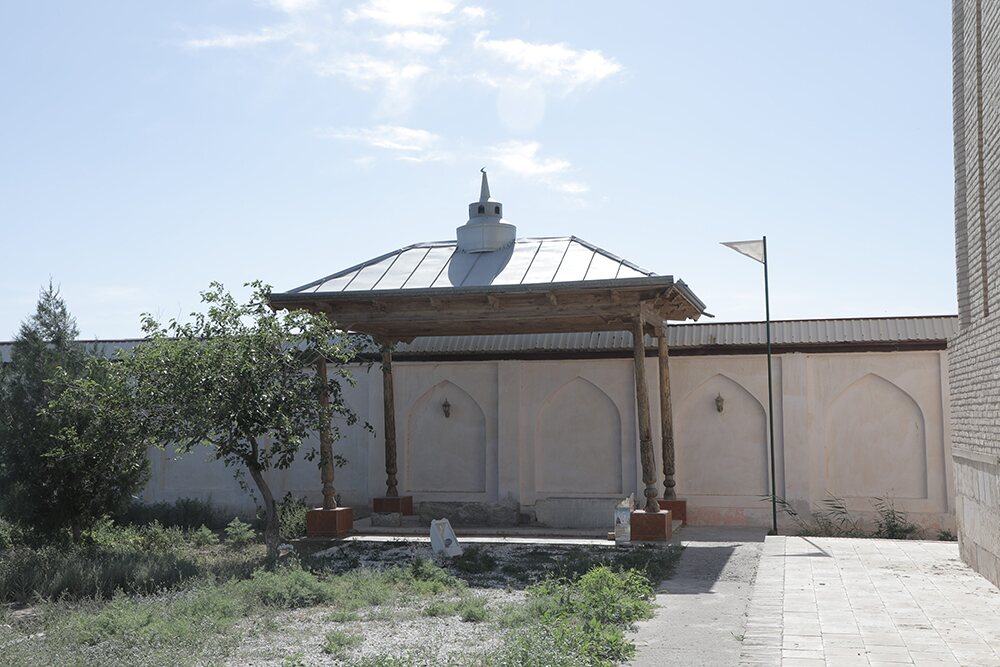
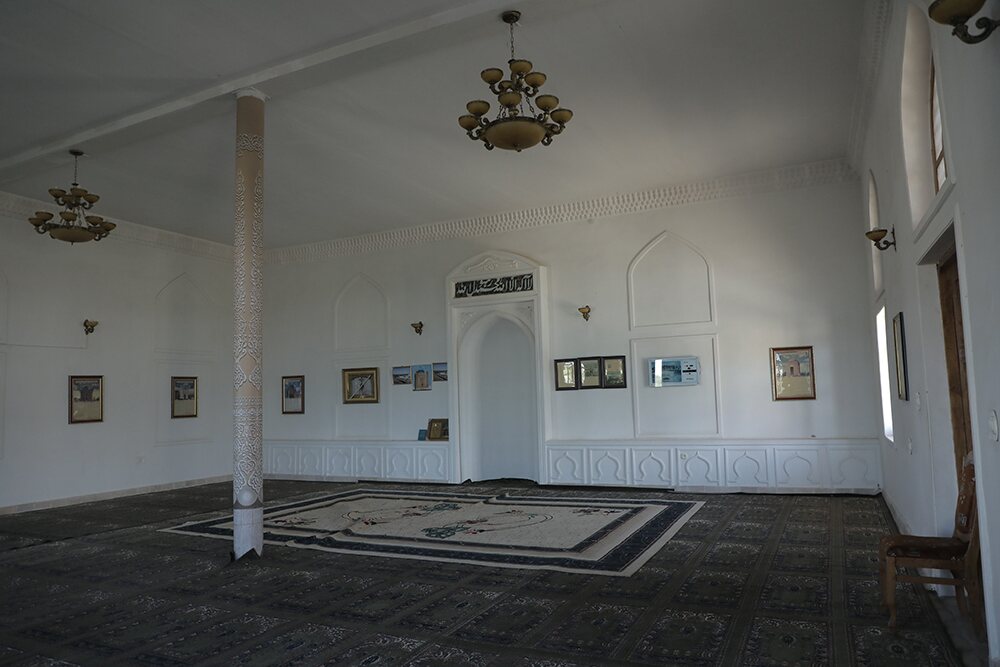
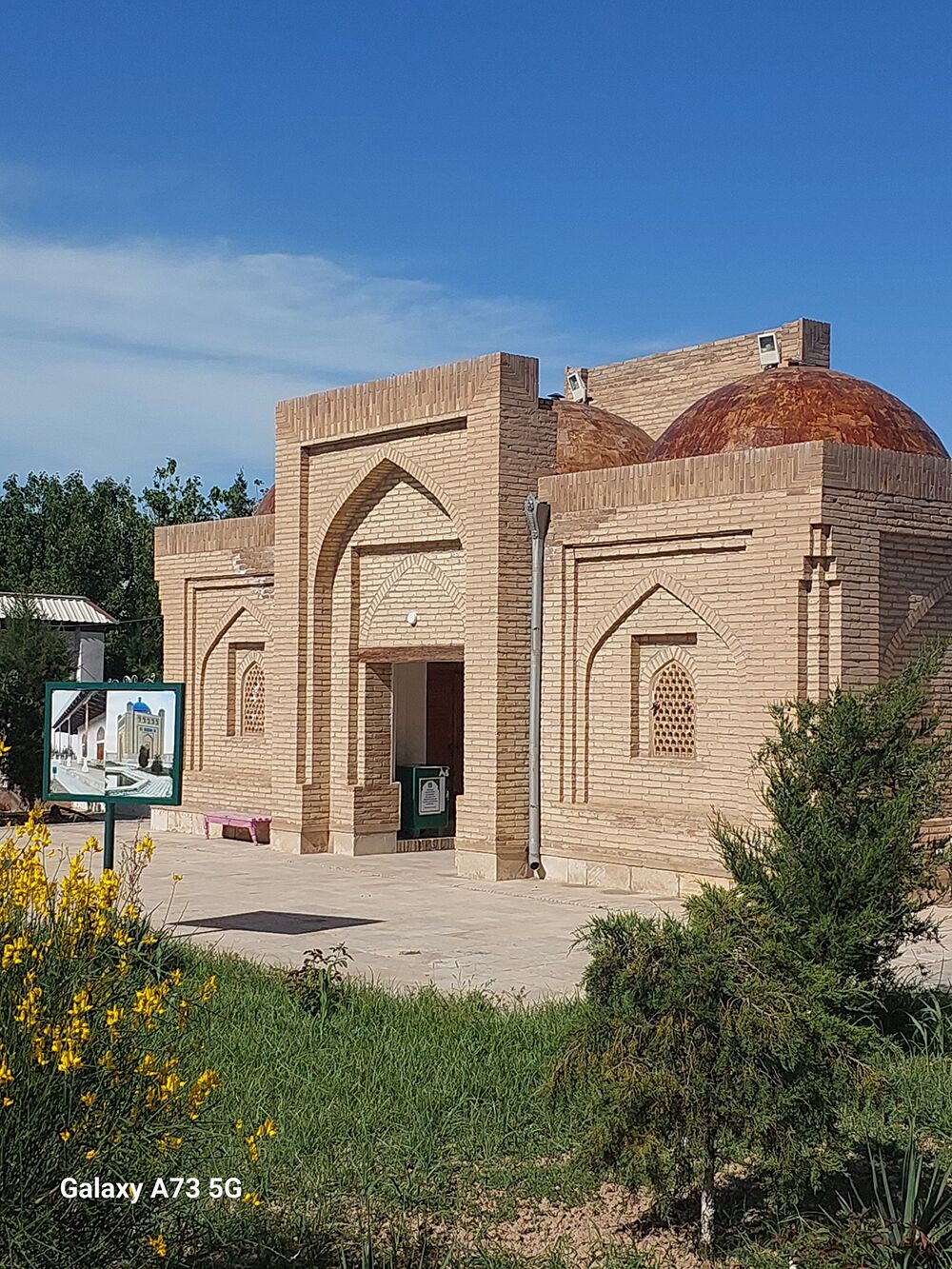
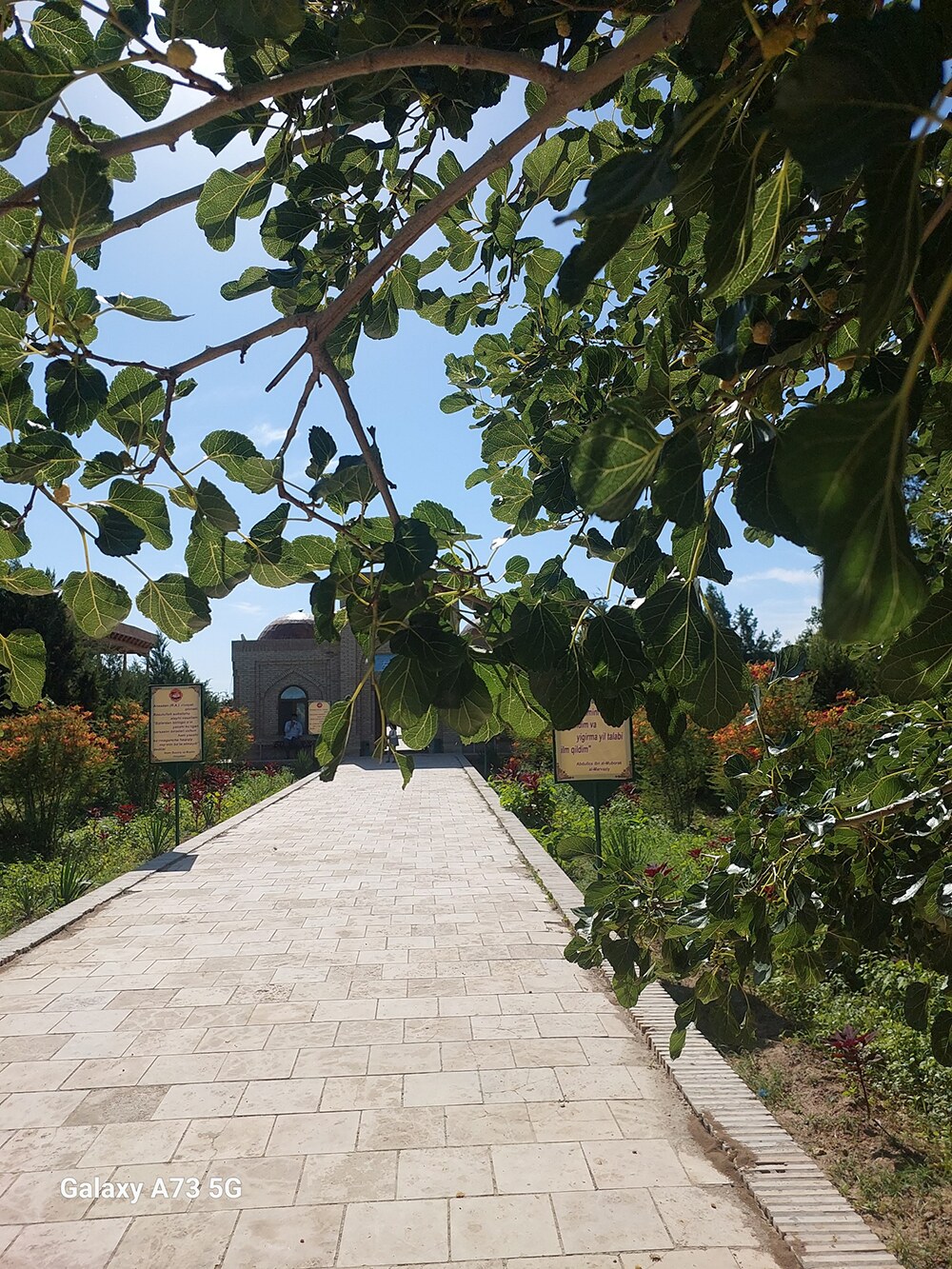
In the early 1990s, this shrine was renovated by Ibrokhimkhon, son of Sharifkhon, who lived in the village of Mubarak. Later, it was renovated again by the management of the unitary subsidiary administration of Mubarekneftgaz and the Mubarekneftgaz processing plant [1]. All necessary facilities have been created for pilgrims. Along with the local population, pilgrims from various regions of our republic visit this place.
List of used literature.
1. Дала тадқиқотлари. Қашқадарё вилояти Муборак тумани, 2024 йил 26 май.
2. Фаридуддин Аттор. Тазкират ул-авлиё. Нашрга тайёрловчи ва сўз боши муаллифи А. Мадримов. – Тошкент: Ғ. Ғулом номидаги нашриёт матбаа ижодий уйи, 2017.
3. Ислом энциклопедияси. – Тошкент: Ўзбекистон миллий энциклопедияси давлат илмий нашрёти, 2017.
4. Усмон Жамол М. Буюк донишманд. – Самарқанд: Имом Бухорий Халқаро Маркази, 2009.
5. Носир Муҳаммад. Насаф ва Кеш алломалари. (IX-XX асрлар): Таскира. – Тошкент, 2006.
6. Навоий А. Насойим ул-муҳаббат. – Тошкент: Ўзбекистон, 2018. – Б.