SULTAN MIR HAIDAR SHRINE (Kasbi region)

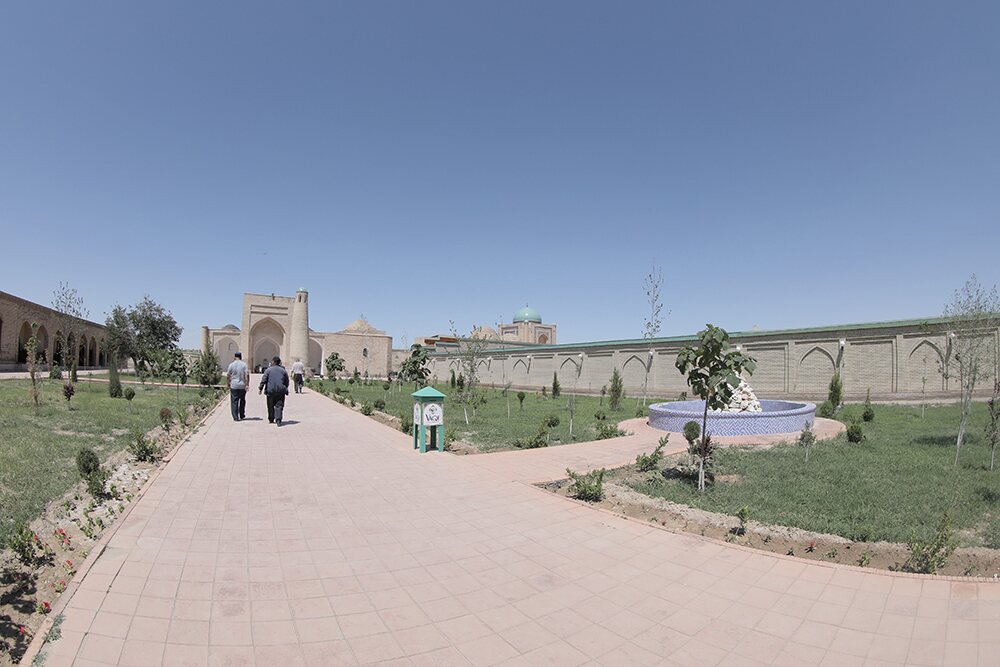
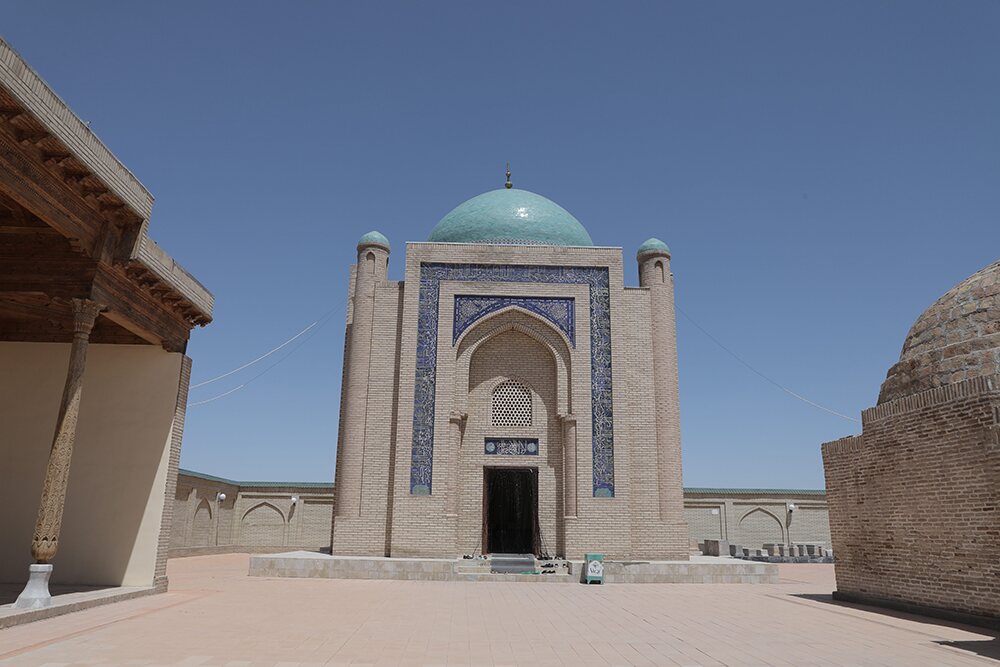
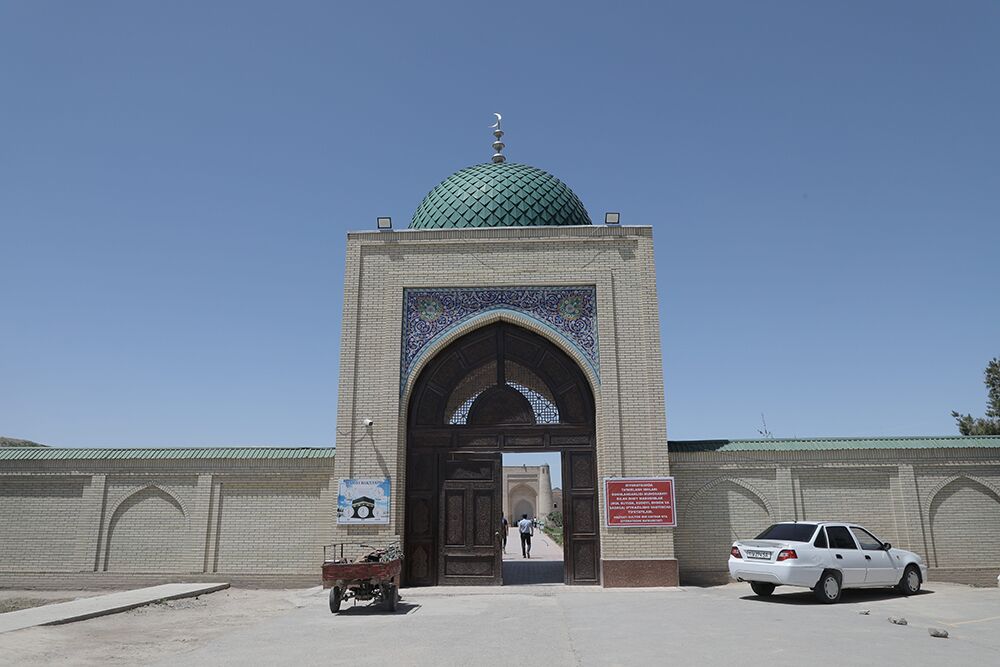
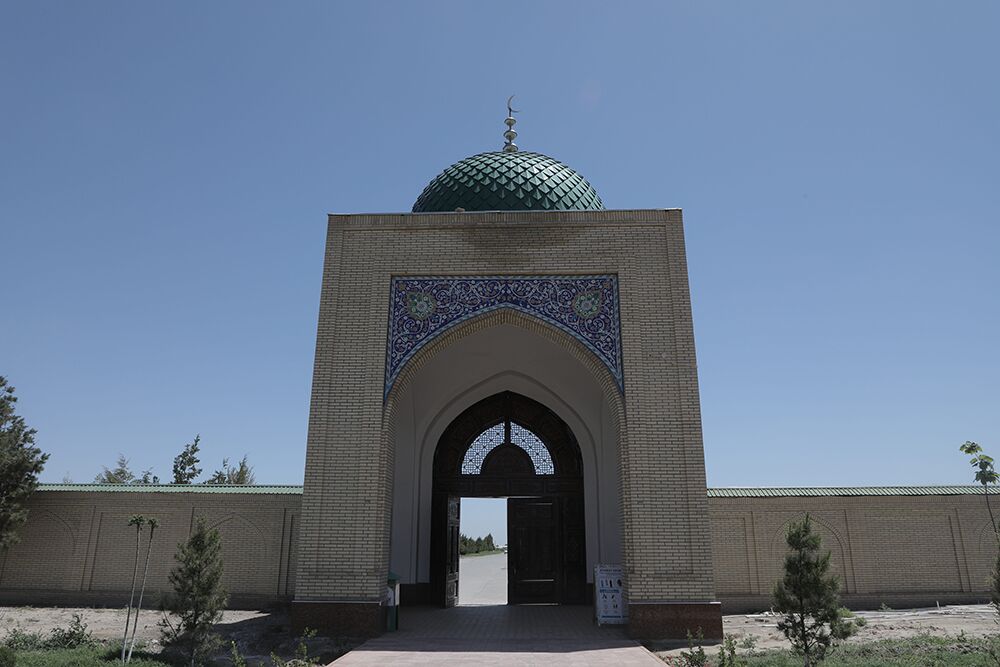
The shrine of Sultan Mir Haidar is situated in the village of Kasbi in the Kasbi district. Mir Haidar's father's real name was Amir Shamsiddin Mir Haidar Ali Khoja Haidar Khurasani (1275\1365) [1:20-21], He was educated first in Khorasan Qayyim, Mecca, and then in Egypt. At the age of 14, he achieved the status of an imam and became a scientist in the field of fiqh, hadis, Qur’an and religious studies [2:82]. A complex of monuments dedicated to the name of Sultan Mir Haidar (1275-1365), a religious figure, has been erected in the Kasbi district. According to local residents, the scientist was buried in Kasbi at the place of his birth, but ashes was moved to another place twice for various reasons. In the following years, the hokey scientist was brought back and buried in Casby. [ 3].
The information about the life of Amir Shamsiddin Mir Haidar Ali Khoja Haidar Khurasani contains what Hakim Ata Suleiman predicted about Hajj Shamsiddin by divine prophecy even before his birth. On the tenth day of Ramadan in 673 AH (1275 AD) in the house of Hazrat Jamaluddin Sheikh, the pain of our mother Mohinurbibi intensified. The sisters-in-law sent Sokinoyinur to call a midwife... The fourth child was born. He was born in the city of Kayim Khorasan on the shore of the Shurdarya River [1:20-21]. Khoja Sayyid Jalaluddin gives the child to his brother Sayyid Muhammad Abdullah. Sayyid Muhammad had no children, and after the upbringing of Khoja Shamsiddin, they themselves had children.
Khoja Shamsiddin was smart, he was educated by Sheikh Jalaluddin Kokani, a scholar of the Koran. He was originally from the city of Kagan, spoke Persian and Arabic fluently and came to the shore of Shurdarya because of a conspiracy in his country [1:22-24]. Sahibkaram Mir Haidar was a mature scholar and educated man, whose lineage came from Hazrat Ali and Bibi Fatima from the generation of Imam Hussein. He also accepted mentoring from Sayyid Amir Kulol Khoja in Bukhara.[1:38].
Amir Shamsiddin Mir Haidar Ali Khoja Haidar Khorasani settled in Khorezm at the age of 30, in Bukhara at the age of 31 and in Kasbi at the age of 32 [1:29-30].
...If we take the birth year of Mir Haidar as 673 AH 1275 AD, then according to the accuracy of the date of his death in 766 AH 1365 AD, he lived for 90 years [2:82]. As mentioned above, the scientist was re-buried in the current Casby.
Scientist L. Y. Mankovskaya in the 50s of the twentieth century, during the study of the Sultan Mir Haidar complex, stated that it was abandoned and turned into a warehouse. Preliminary studies on the Sultan Mir Haidar complex were published by S.K. Kabanov, in the early 1960s by R.R. Abdurasulov, L.I. Rempel, in the 1970s by L.Y. Mankovskaya. Since January 1989, the mausoleum has been put in order and a memorial plaque has been installed. When cleaning the corridors of the mosque and the minaret, various historical artifacts were discovered [3]. Archival documents show that this monument, in comparison with other architectural monuments of the oasis, was widely studied from the point of view of archeology and architecture in the 70s and 80s of the last century [5:18-37].
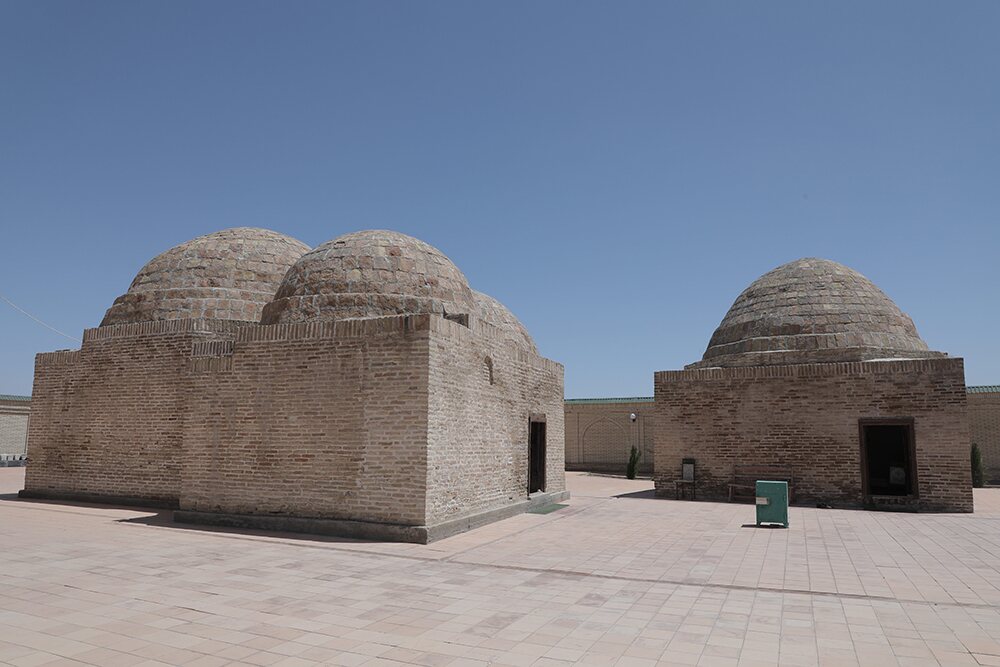
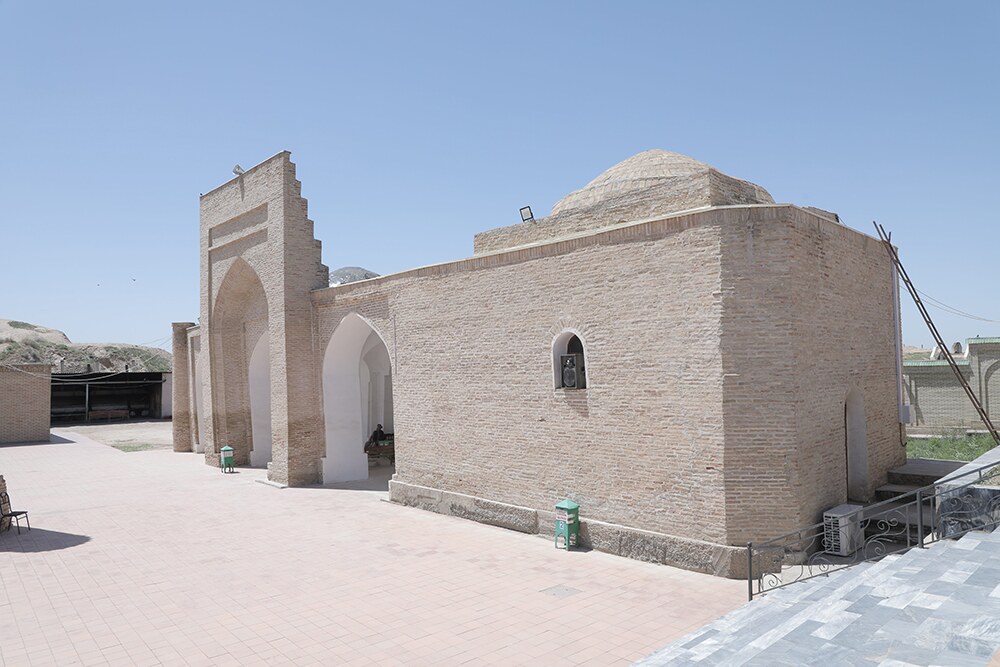
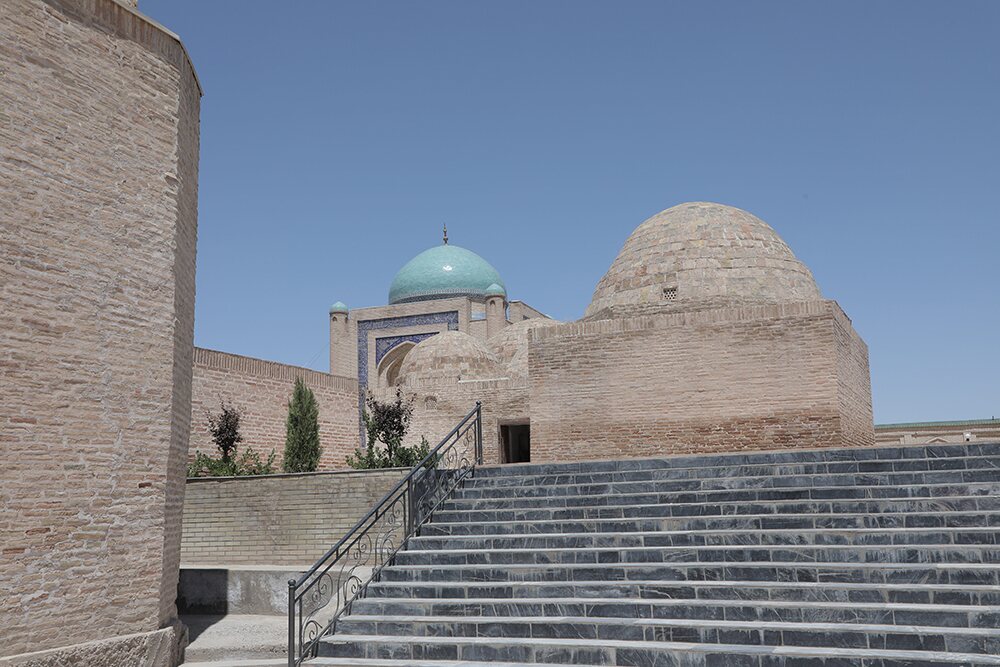
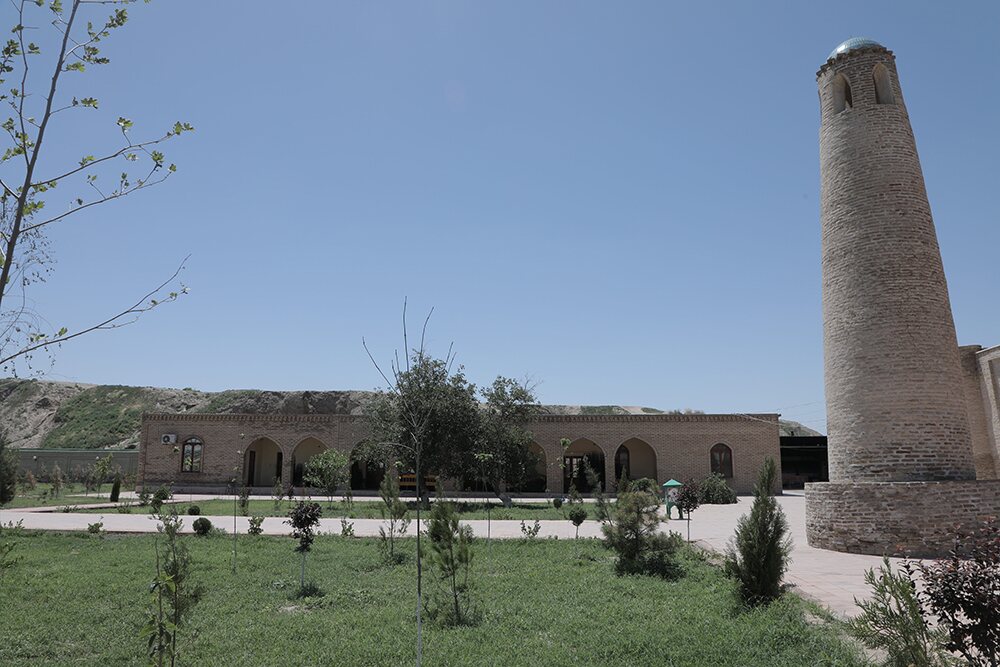
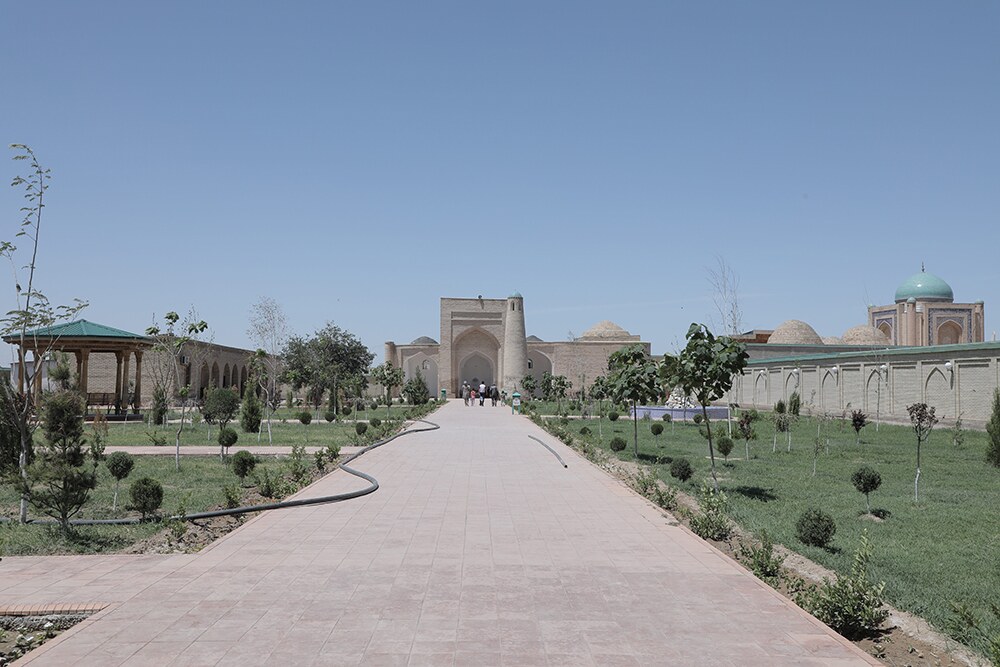
The monument named after Sultan Mir Haidar includes three groups of buildings built in different periods: dahmas of the XIV century, tombstones of the XV century, a mosque building of the XVI century [6:24-30]. This historical and architectural monument-ensemble was built in the XI-XVI centuries. The total area of the monument, including the adjacent cemeteries, is 166.4 hectares. The hill next to it is called "Kasbi Kurgani" and covers an area of 2.8 hectares. Around this ensemble there are the mausoleum of Sultan Mir Haidar, the three-domed mausoleum, chillahona, the grave of Said Mir Momin Samarqandi, aivan, a minaret, winter and summer mosques, a historical monument, a prayer hall where festive prayer in honor of Hayit was performed, two closed and one open sardoba. The underground sardoba belonged to the Karakhanid era and was built in the VII-IX centuries [7:85-89].
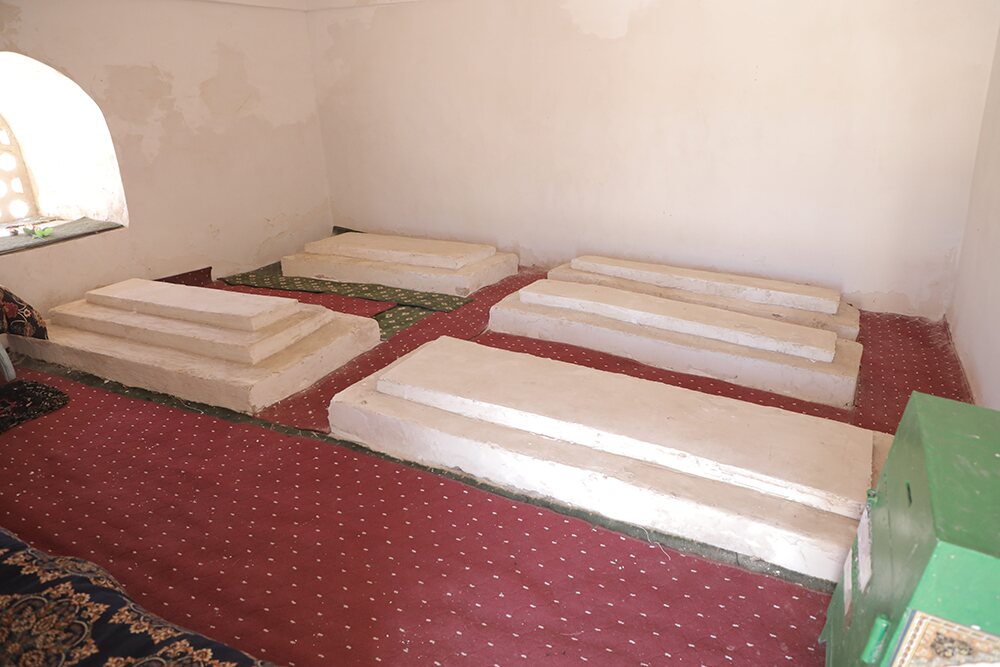
In particular, a group of mausoleums made of wood from the XI-XIV centuries consisted of three buildings. In this case, the passage serving the sidewalk in front of the two houses is the smallest. In this place, the shrine is small, so in the XVI century, a summer mosque-porch was built on the western side of the central courtyard. In the mausoleum buildings of the XI-XVI centuries, a single building with a corridor connecting the sanctuary and several dahmas is known. In the second half of the XIV century, the style of the building changed and its composition was completed (for example, the Dorus-Saodat complex in Shakhrisabz) [8:20-24].
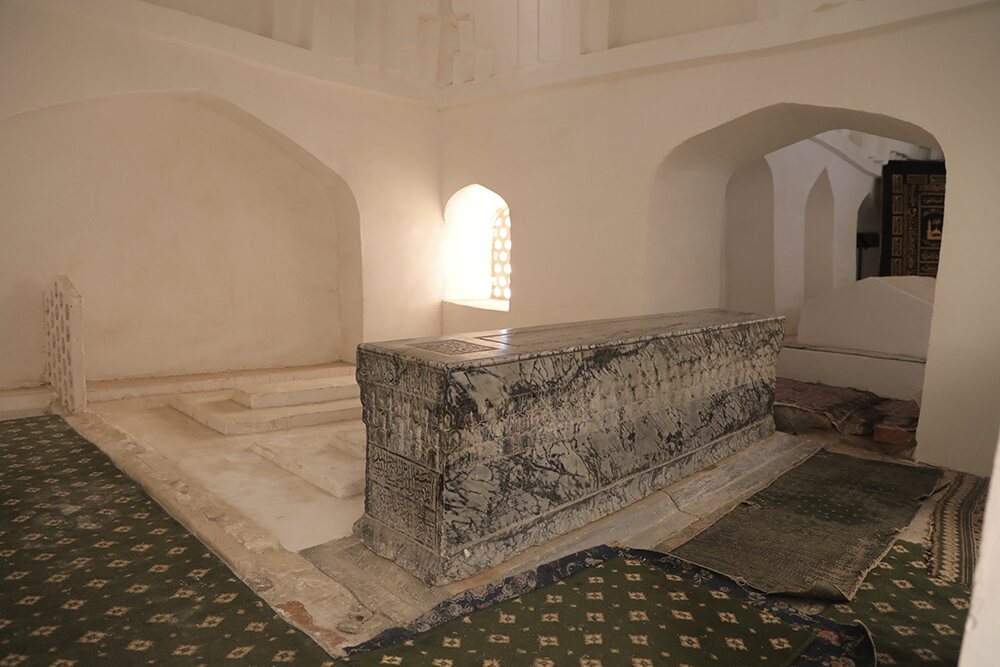
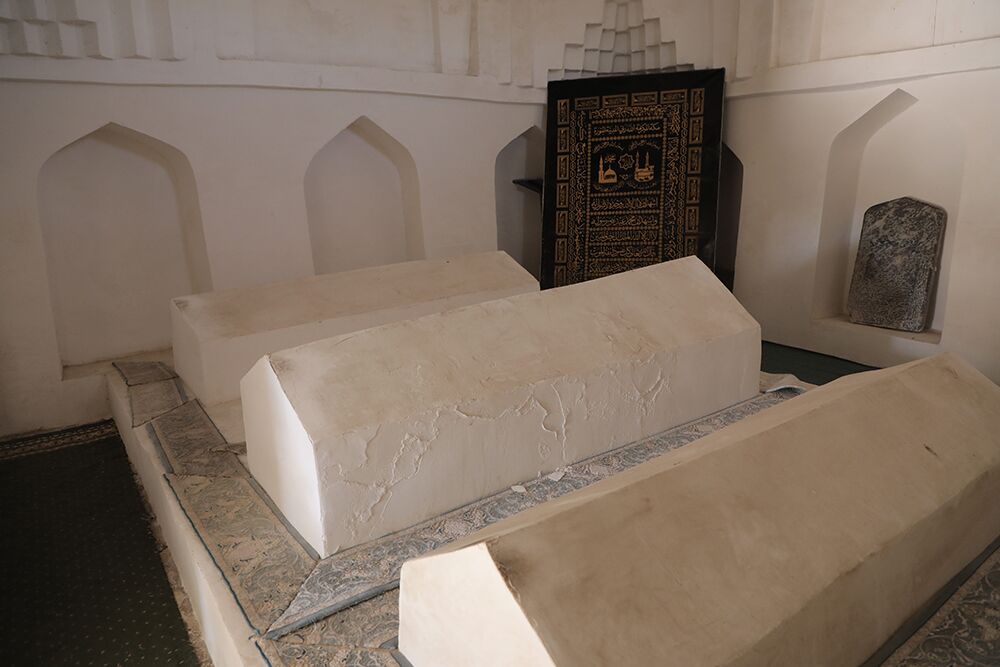
In the architecture of the mausoleums in Kasbi, the shape and details of the mausoleums already familiar to us in Fudin and Kovchin are visible in different versions; the lower edges of the square are vertically separated from the layers of the arched roof; three shelves were made on the walls of a small mihrab, and even a smoke path for lamps was made between them. At the corners of the cornice there are small bowl-shaped flourishes, a style typical of the first half of the XIV century. Judging by the small flat bricks, they may have been built at a much earlier period. The first mausoleum belongs to Said Amir Shamsiddinbek al-Haji Haidar, and on the dark gray marble saghana installed above the grave there is an inscription stating that it was installed in 897 AH (1491). The mausoleum, standing separately on the east side of the courtyard in the middle, probably dates back to the beginning of the XIV century.
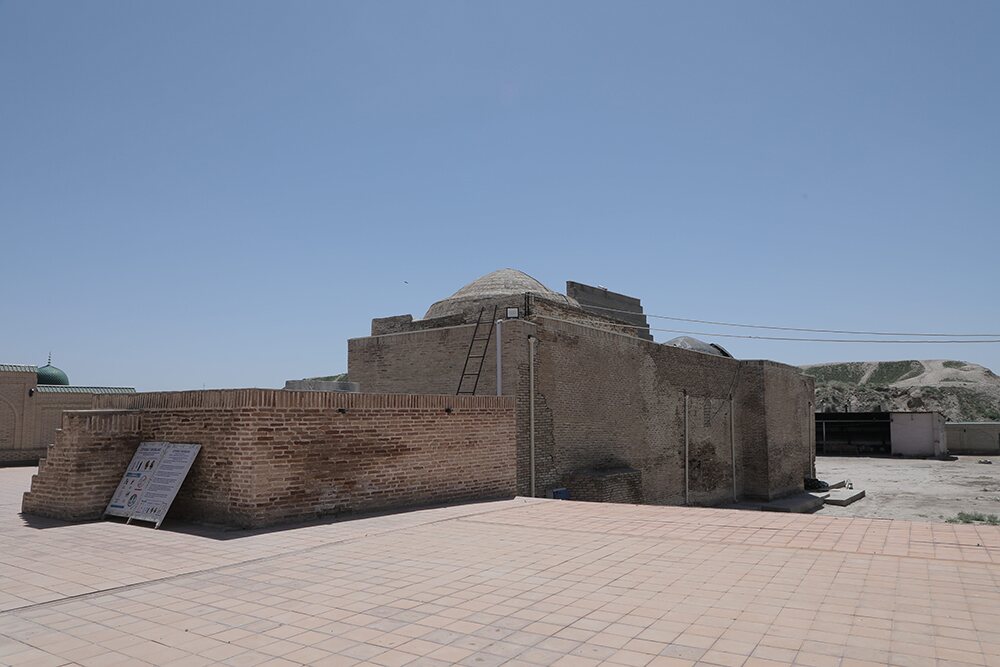
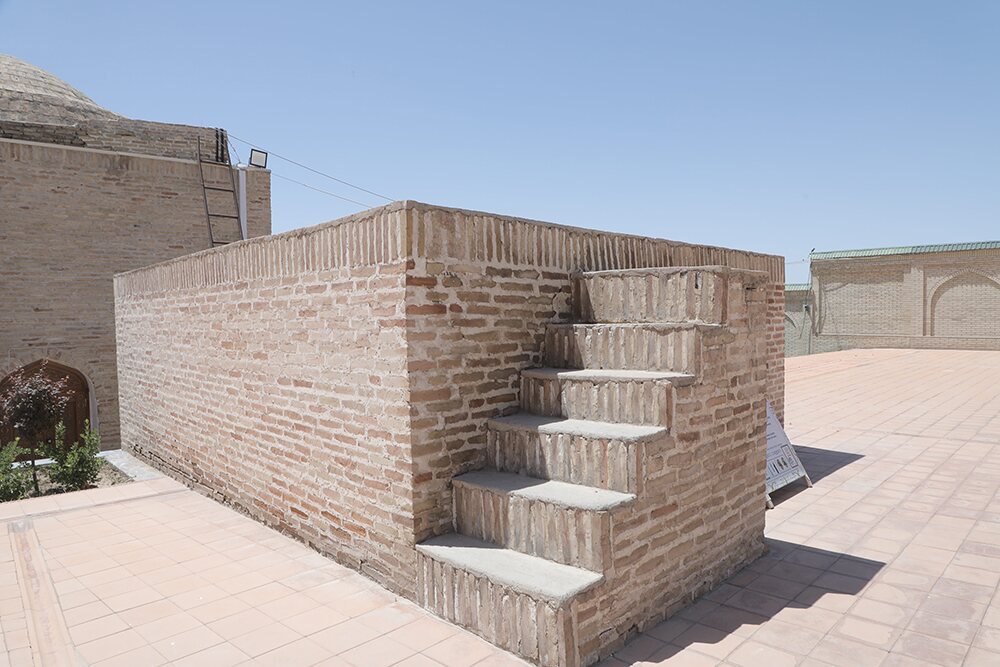
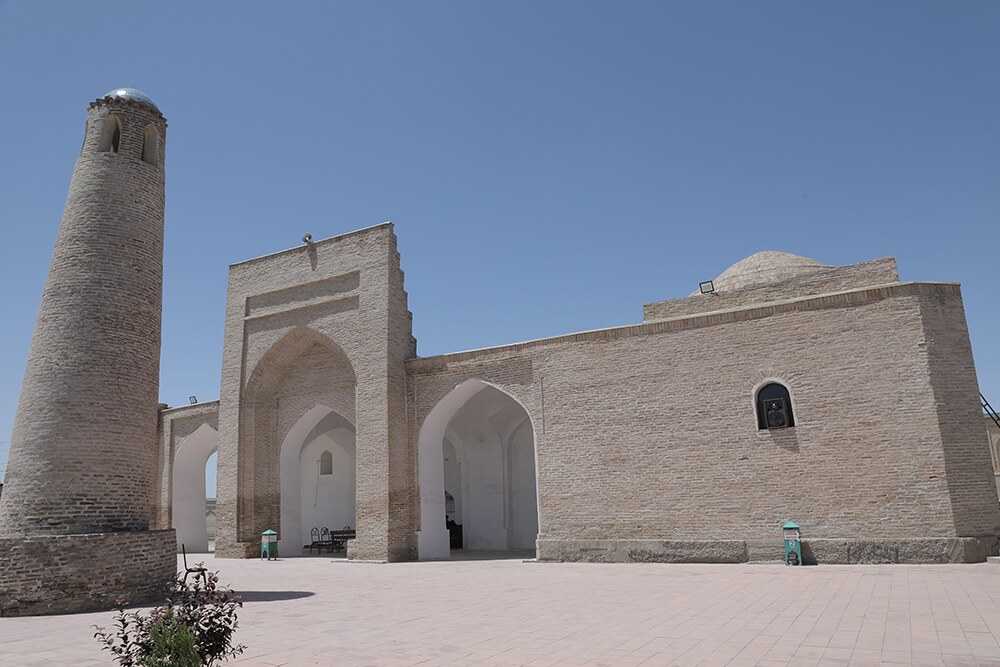
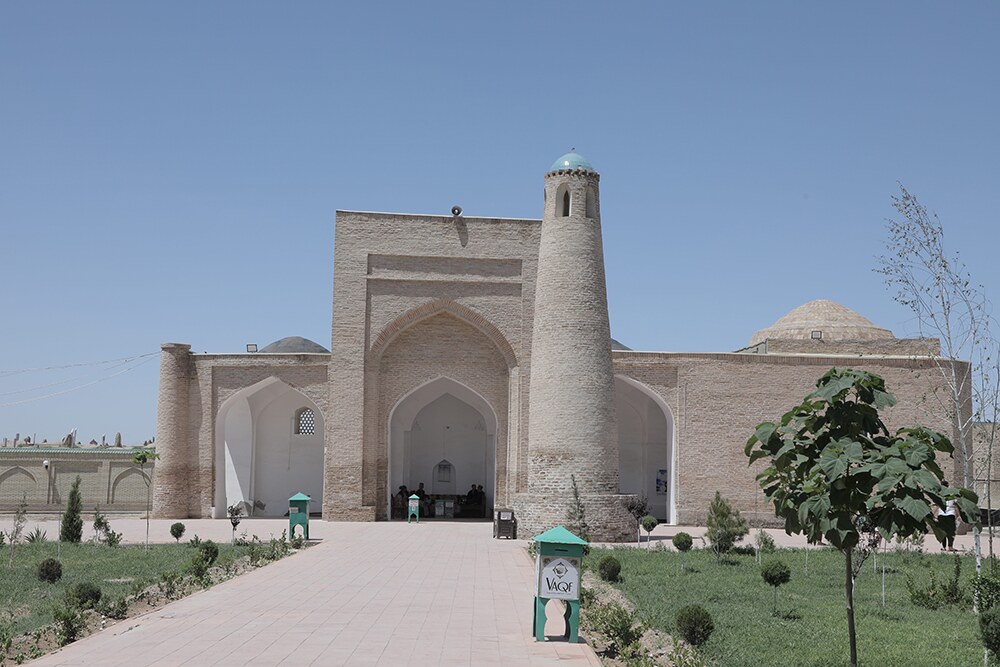
The Winter Mosque was built independently on the south side of the courtyard attached to the hut. The large shield-shaped roof, the uneven arches, the crumbling of the brick wall and plaster indicate that this mosque was built much later, in the XIII-XIX centuries. The middle part of the building is wide, has a flat pediment along the facade and a right corner extended from behind. The low dome stands on flat shield-shaped arches. The corners of the inner shelves on the wall are made with an arched base, and the shelves decorated with edges are attributed to the shape of monuments of the XIX-XIX centuries. The simple, obscure, sometimes mixed form of this mosque does not allow us to say that it was built before the XVII century. The minaret in front is built of old bricks, including small medieval bricks from destroyed buildings in Kasbi. The minaret is small, the building becomes thinner towards the top, and the muezzin's house is located at the top. Here, the diameter of the lantern is smaller than the tower body, which is typical for the late XIX – early XX century. Its lower part has been repaired several times. It can be said that this mosque actually served as a Juma mosque in the Sultan Mirkhaidar complex, since 1-2 km west of the village of Kasbi, another namazgoh mosque was preserved [7:87].
According to local legends, it was built 370 years ago, that is, at the turn of the XVI-XVII centuries. According to the plan, the building is rectangular, its five-domed rooms face each other. The base of the domes is the same, the room in the middle is slightly wider, and the mihrab is assumed to be pentagonal and extended outward. The uniqueness of the mosque's light, voluminous shape, structure and decoration allows us to show that it was built in the XVI-XVII centuries [9:48].
The dark gray marble saghana placed on the tomb in the Sultan Mir Haidar complex says that it was installed in 897 AH (1491 AD). The minaret next to the mausoleum dates back to the XIX-XX centuries [10:3-8].
It should be noted that the construction style of the Sultan Mir Haidar mausoleum complex is similar to the Dar us-Saodat complex in Shakhrisabz and the Qusam Sheikh complex in Koson. This style is typical of the 14th century and turns back the architectural style of the Timurids.
LIST OF USED LITERATURE
- Чориев А. Ҳазрати Султон Мир Ҳайдар ота маноқиби. – Тошкент: Янги аср авлоди, 2017.
- Равшанов П. Султон Мир Ҳайдар ота даражоти. – Тошкент: Янги аср авлоди, 2014.
- Дала тадқиқотлари. – Қашқадарё вилояти Касби тумани. 2024 йил 26 май.
- Архив агенства культурного наследия. КД-9712 фонд, 3-опись, 34-дело, 81-84 лист.
- Архив агенства культурного наследия. КД-9686 фонд, 3-опись, 34-дело, 18-37 лист.
- Абдурасулов Р., Ремпел Л. Неизвестные памятники бассейна Кашкадарьи // Искусство зодчих Узбекистана. − Ташкент: АН РУз, 1962.
- Маньковская Л.Ю. Қашқадарё воҳасининг архитектура ёдгорликлари.– Тошкент: Ўзбекистон, 1979.
- Архив агенства культурного наследия. КД-9685 фонд, 13-опись, 34-дело, 20-24 лист.
- Раимқулов А. Қашқадарё воҳасининг ўрта аср шаҳарлари. – Қарши: Насаф, 2018.
- Архив агенства культурного наследия. КД-9686 фонд, 3-опись, 34-дело, 5-8 лист.