THE SANCTUARY OF ABDULBOKI KHOJAGI EMKANAGI (Kitab district)

The shrine of Mavlono Abdulboki Khojagi Emkanagiya is situated in the village of Khoja Ilmkon in Kitab district. The leading preacher of Sufism in the direction of Khojagon Naqshbandiya, an expert in the sciences of Fiqh and Hadith, Azim Pir Mavlono Abdulboki Khojagi Emkanagiy ibn Mavlono Darvesh Muhammad Vakhshuvari was born in 918/1512 in the village of Khoja Emkanagiya of Kitab district and died in 1008/1600 in the same village. It was also here that his children were buried, like Mavlono Khoja Abdul Qasim ibn Mavlono Khojagi (died c. 1022/1613) [1:11].
Until the nineteenth century, this village was called Imkana in historical writings. [2:33-34]. Muhammad Emkanagiy (K.S.) was a well-behaved man with a fair face, with a sparse beard, [3:79]. Khojagi Emkanagiy learned the invisible and the visible and the methods of teaching from his father Darvesh Muhammad [4:129].
Mavlono Emkanagiy, who received primary education from his father, studied in madrassas of Bukhara and Samarkand and studied the sciences of method (furu), kalam, tafsir and khalis [1:11]. He studied Sufism from the great sages of his time, learned the secrets of Tariqa from Yakub Charkhi. I was in conversation with Makhdoom Azam Kosoniy. He reached maturity in the knowledge of the invisible and the visible, and also obtained a huge glory as a propagandist of the Naqshbandi Tariqa, a great sage [5:347].
All available sources confirm that Hazrat Khojagi ibn Darwesh Muhammad Emkanagiy occupied the twenty-second step (rutba) of silsilai Sharif in the Naqshbandi tariqa [6]. In the book "Index of manuscripts of the Naqshbandi tariqa" ("Naqshbandi tariqatiga oid kylezmalar firisti") there is information about the work "Intikhob as kitobin Nasama" ("Selections from the book of Shabbodalar") Hazrat Khojagi Emkanagiya ibn Darwesh Muhammad [7:47]. Currently, a certain part of this work is stored in the manuscript fund of the Institute of Oriental Studies of the Republic of Uzbekistan under the number No. 500 XVII.
Nasriddin Hanafi's book Tukhfat uz-zoirin contains interesting stories about the spiritual power and blessings of Emkanagiy, about the sheikh's call to the rulers of that time, who brought justice and peace [5:11]. Abdulboki Khojagiy Emkanagiy, known as "Purkaram", received Irshad from his father Darvesh Muhammad, who gave irshod and succeeded as sheikhs to such caliphs as Khoja Muhammad Boki (Bokibillah), Khoja Abdul Qasim (that is, the heir, Muhammad Qasim), also Muhammad Sabor, Khoja Ahmad, Muhammad Sayyid, Khoja Abdulaziz, Khoja Khayriddin Rumiy, Mavlono Sufi, Aliobodiy, Khoja Latif Kandibodomiy, Muhammad Fawzil Badakhshi, Yakub Sarfiy Kashmiri, 1:14-16].
At one time, the peoples of Central Asia, India, Khorasan and Turkey received Sufism education in the direction of "Khojagon" naqshbandiya from the school of Mavlana Khojagi Emkanagiya. In addition to Fiqh and hadis, secular sciences were also studied in the madrasah founded by this man. Abdul Qasim Khoja Emkanagi, the son and murid of Hazrat Khojagi Muhammad Emkanagiya, built a honaka in the XVI century in the village of Khoja Ilmkon [8:61]. And before khanaka, he will build a dahma for his father. From 1601-1602, along with the sanctuary around khanak and the tomb of Mavlono Khojagi Emkanagiya, the Sufi Tariqa was also formed.
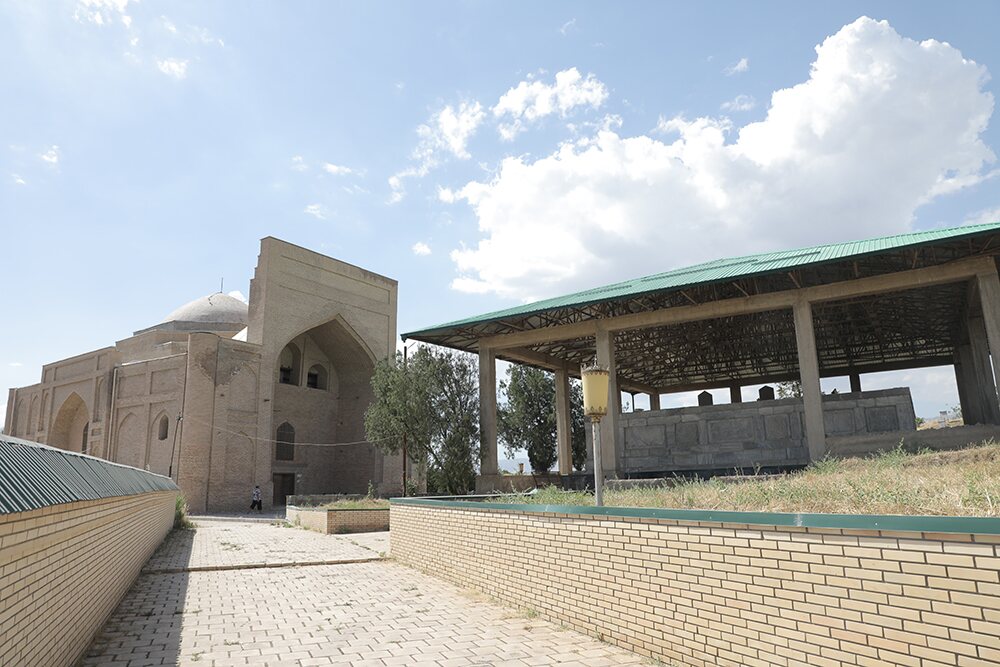
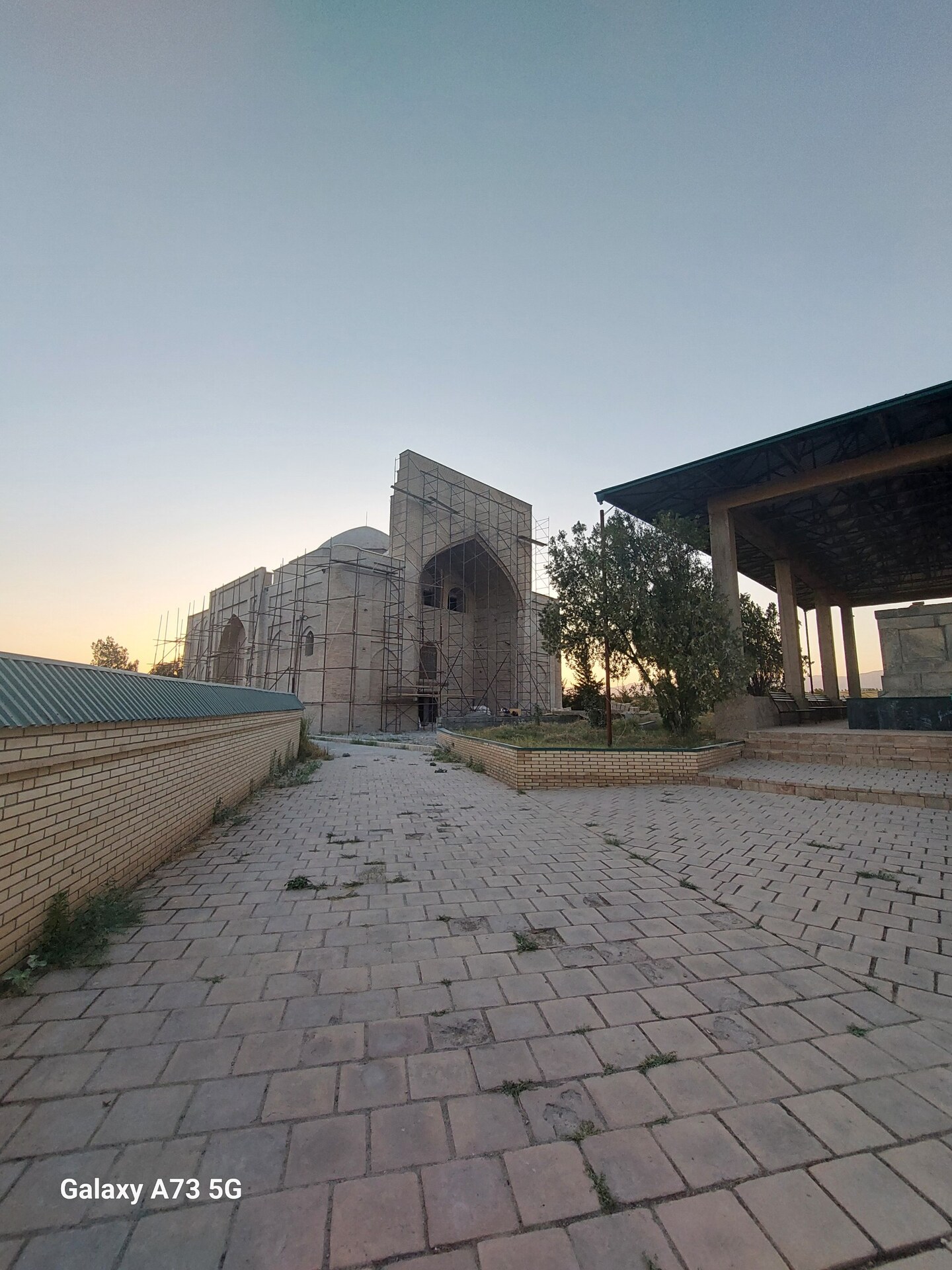
In the middle of the cemetery on the hill there was a khanaka, next to which there was a mosque, a madrasah and a caravanserai. He founded two kushsarai. A brick-lined staircase leading to the gorge, which crosses the dam, leads to the khanaka. The archaeological complex associated with the name Khojagi Emkanagiy (XVI century) was built in 1601-1602. 41 stairs lead to the mosque and madrasah from the house. There was an arch under a brick staircase between the mosque and the house [9:5-8]. Currently, the stairs and chillahons have been demolished.
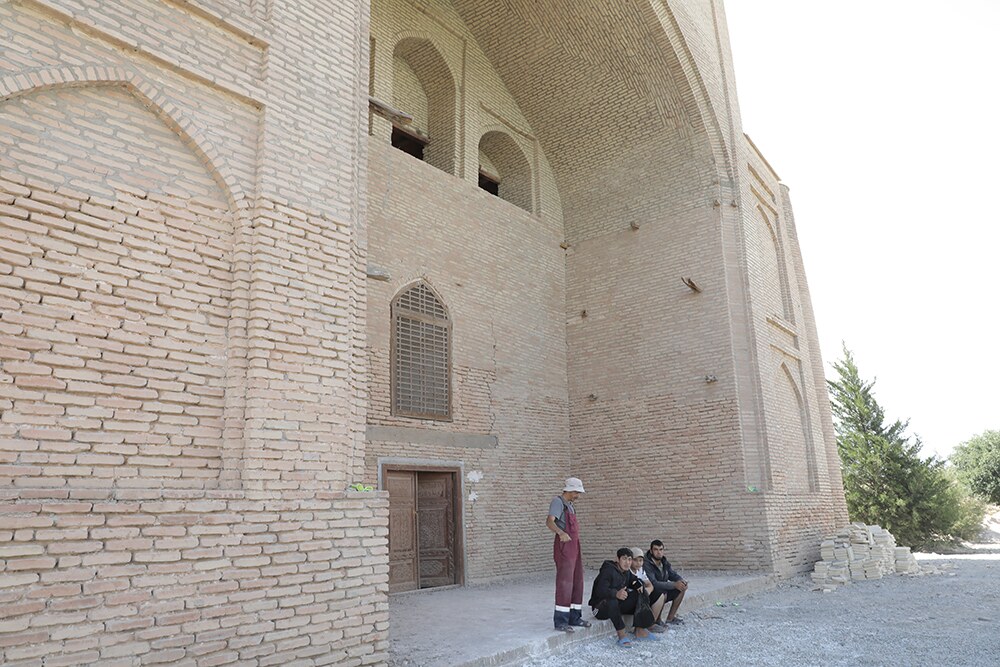
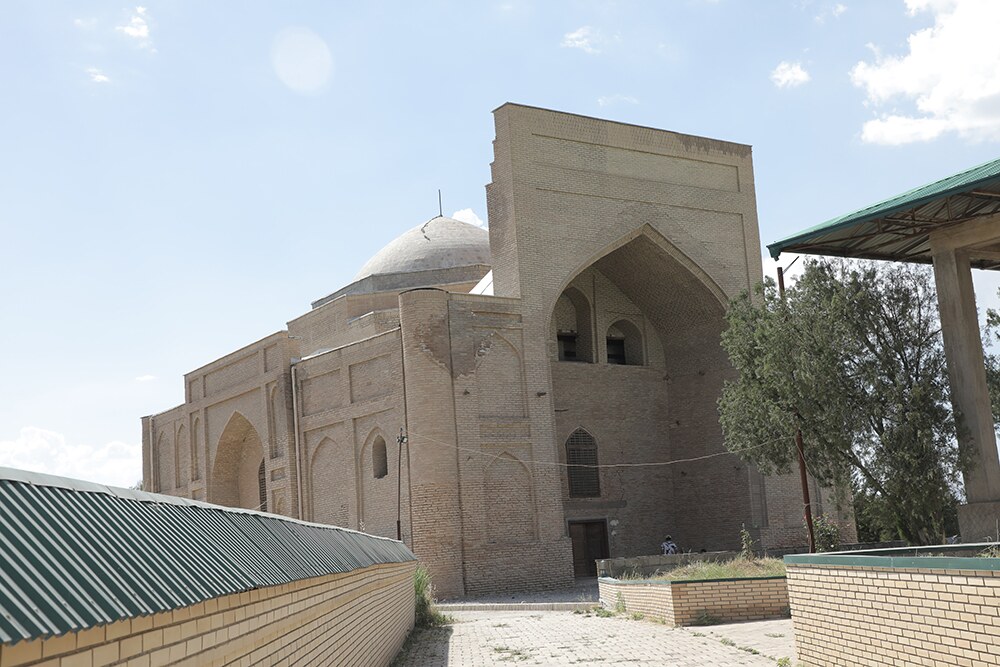
"The Khanaka is a rectangular (24×20.2 m) arched-domed building with small cylindrical towers-bouquets in the corners. On the front side there is a pointed pawn with a high dome. The interior of the building consists of a large room (11.8×11.8 m). The diameter of the dome above the room is two times smaller than on the sides of the room (6.4 m). In the four corners of the building there is a brick staircase leading to the roof." [10: 11-15]. The decoration of the building is simple, which indicates that the style of construction is characteristic of the Bukhara architectural school of the late 17th century.
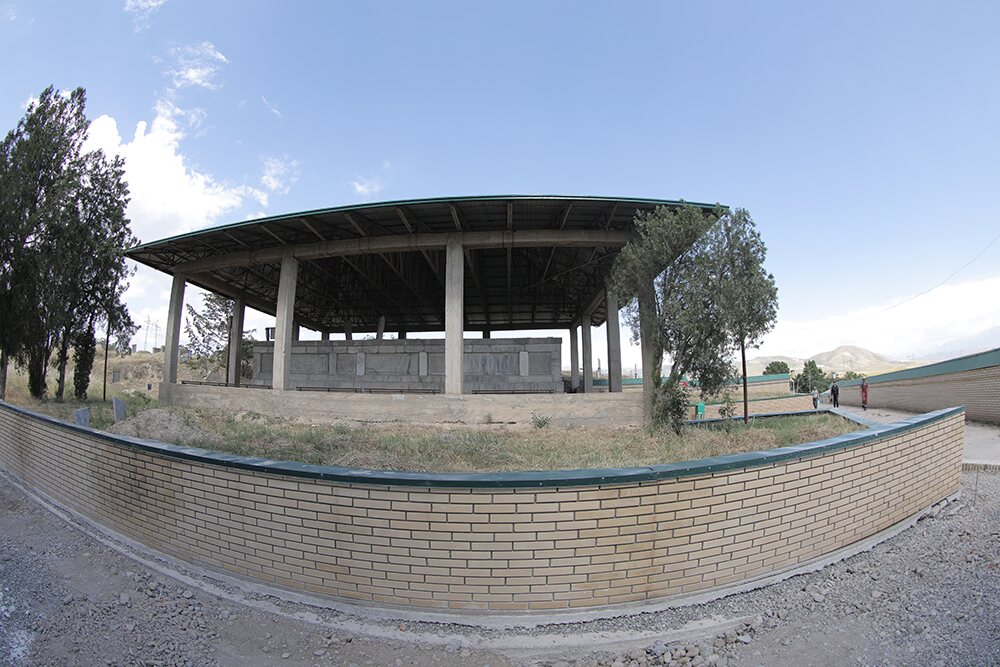
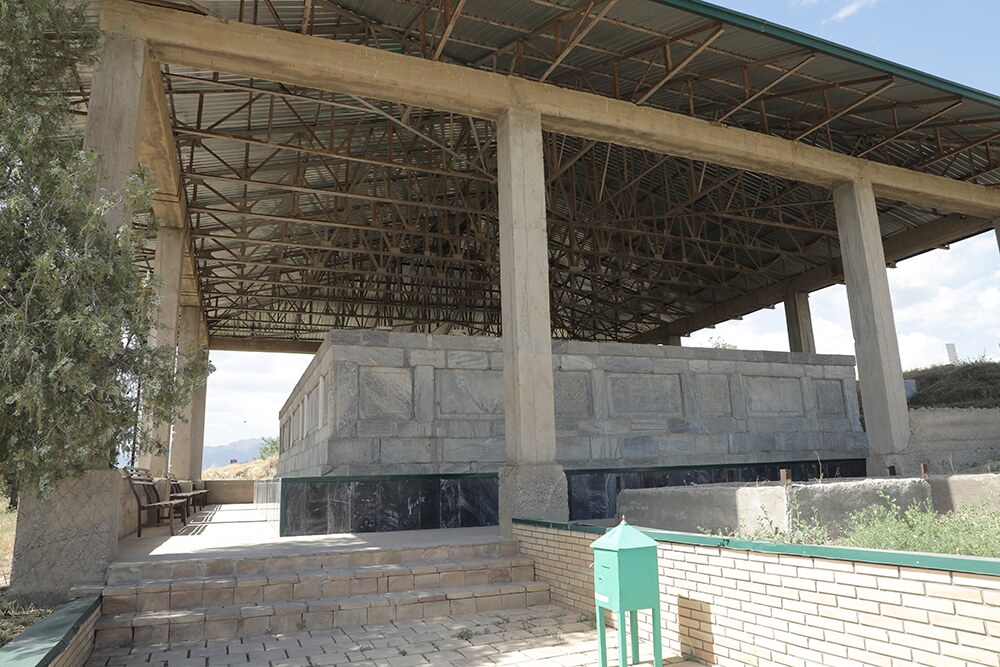
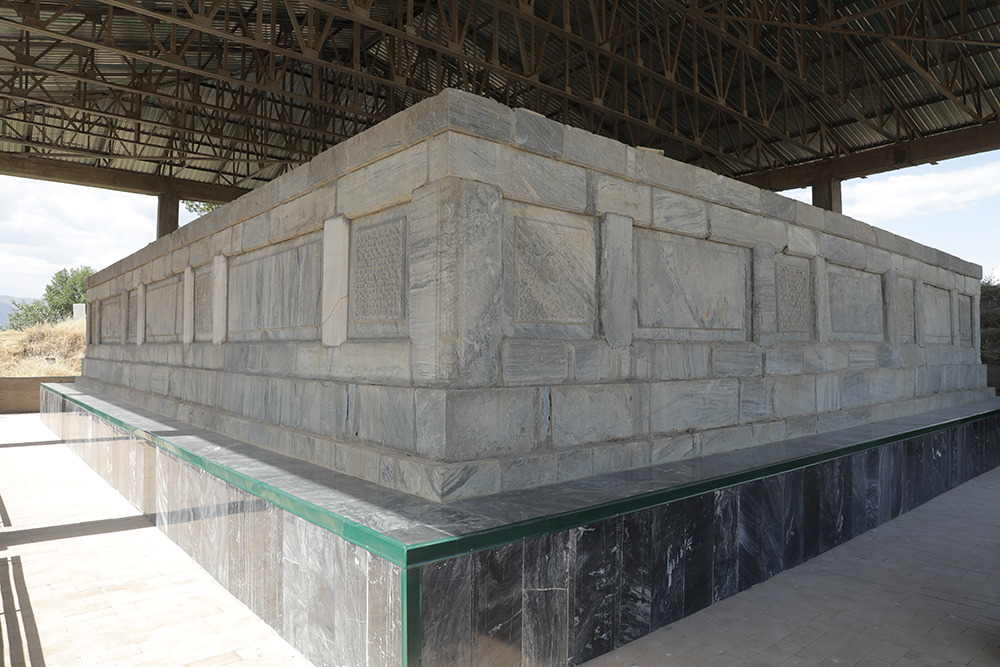
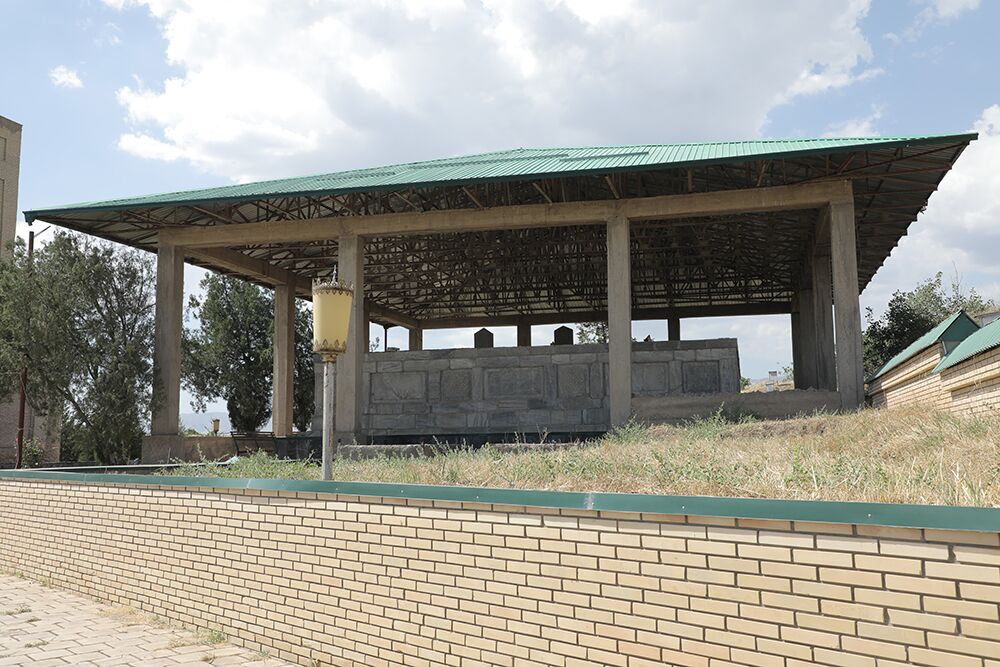
20 meters to the east of the Khanaka, on the land inherent in the XVI-XVII centuries, a structure was built, which is the dahma of Khoja Emkanagi and his son Abulkasim Khoja (d. 1621). Archaeologist L.Y. Mankovskaya interprets dahmas as two gray dahmas between the altar sagans (Sagana is a type of monument installed on a grave). Its large one (12×12 m) is located on the east side, 20 meters from the main facade of the room, and the smaller one is to the south of it. The dahmas are located on a quadrangular base and have a large prismatic shape. Both are covered with marble [8:14-16]. The architectural monument of Khoja Ilmkon was one of the largest monuments of Transoxiana in the XVI-XVII centuries. In 1965-1967, the lower part of the ensemble was reconstructed.
This shrine was renovated by the Khokimiyat in 2013. Currently, the shrine is visited by Muslim pilgrims from Turkey, Germany, America and other countries who believe in the "Khojagani" direction of the Naqshbandi Tariqa.
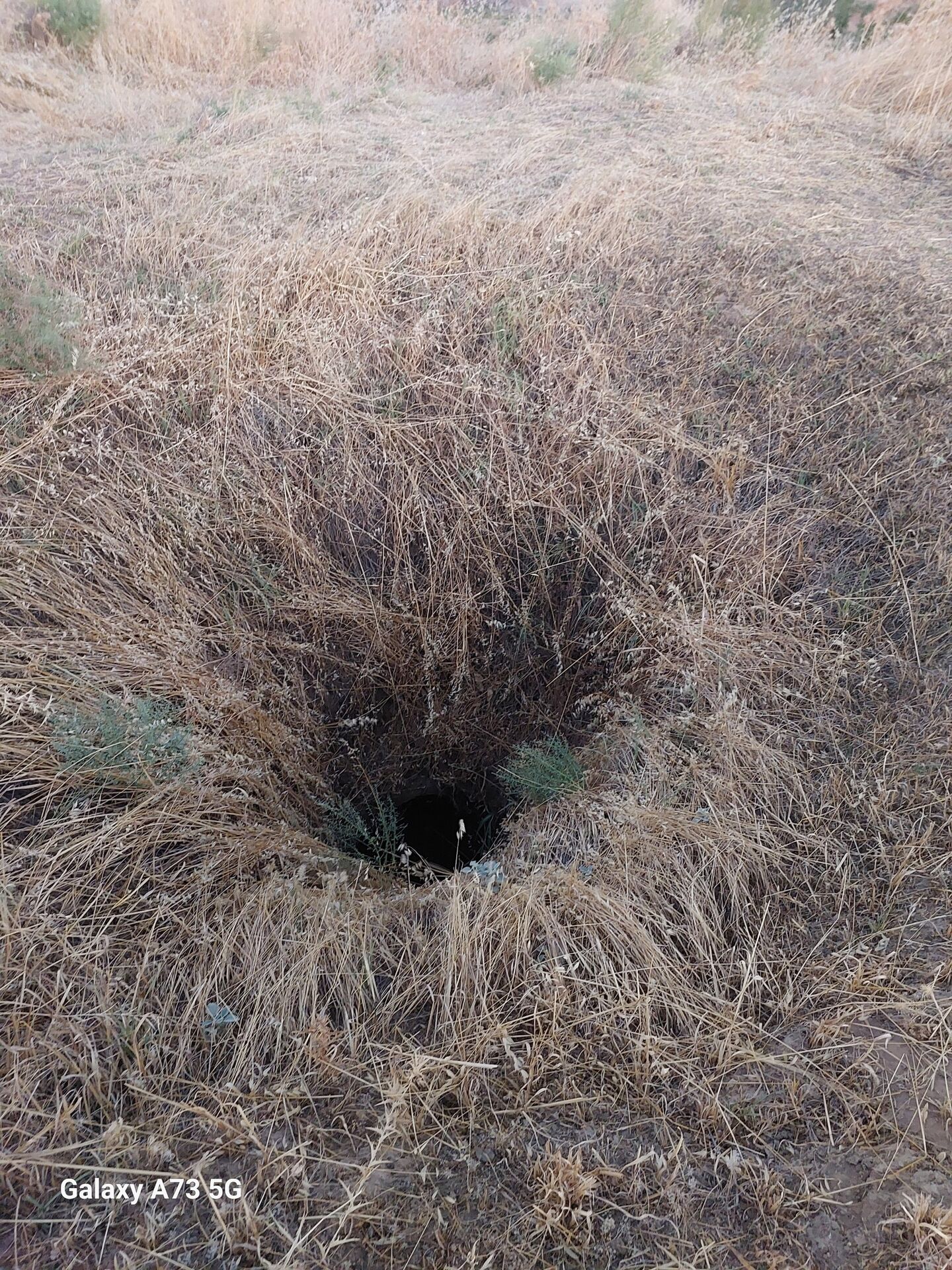
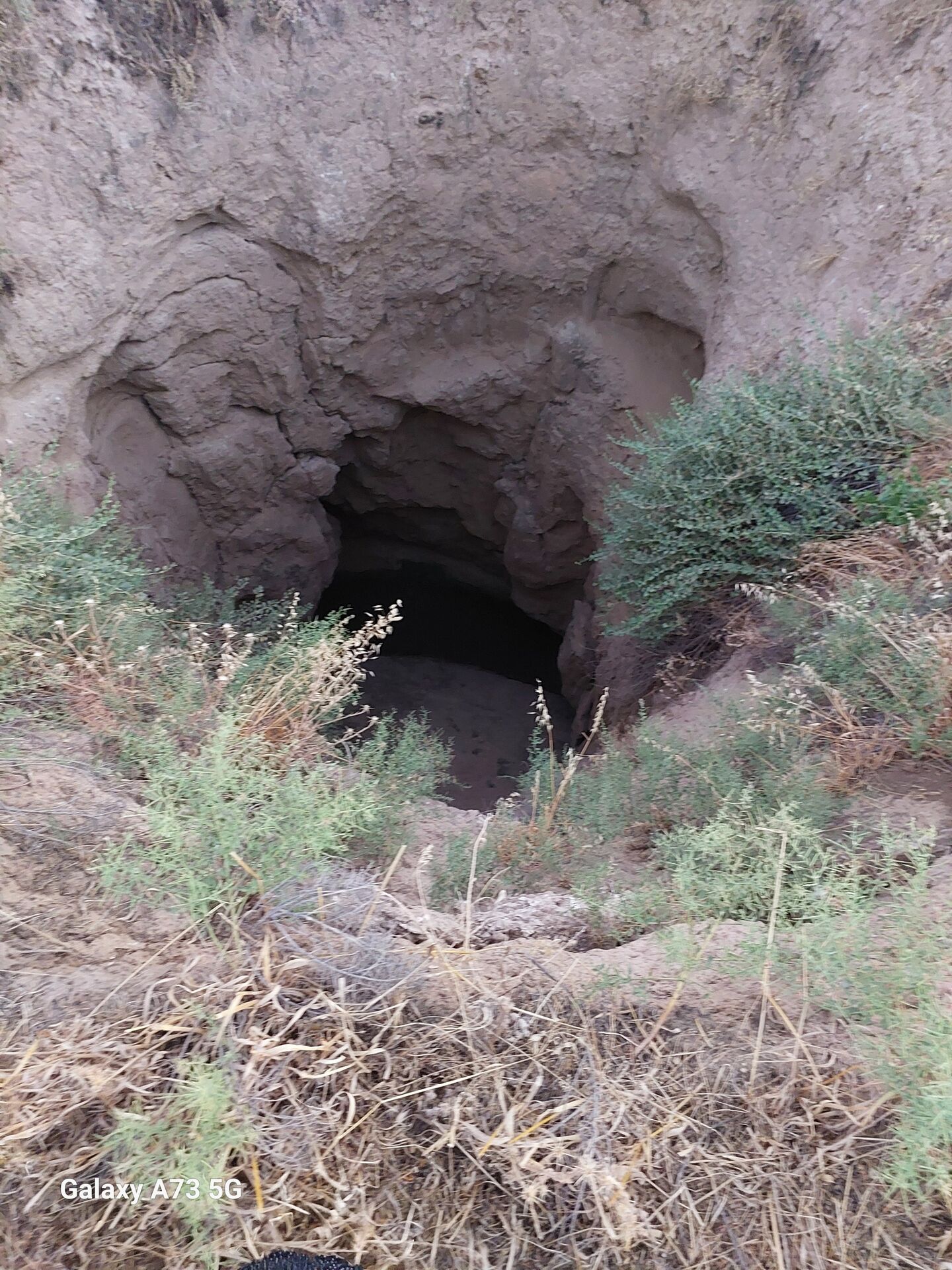
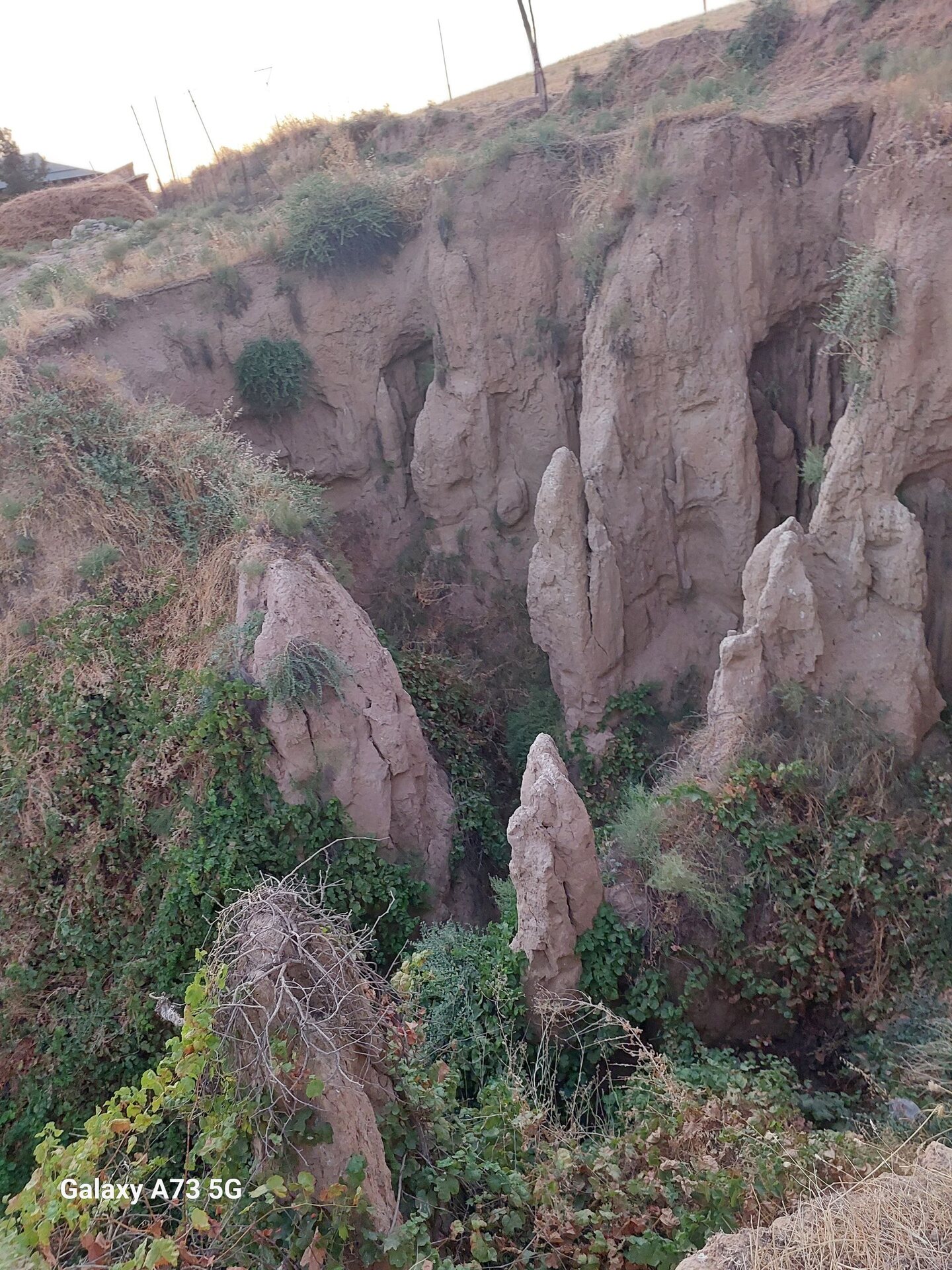
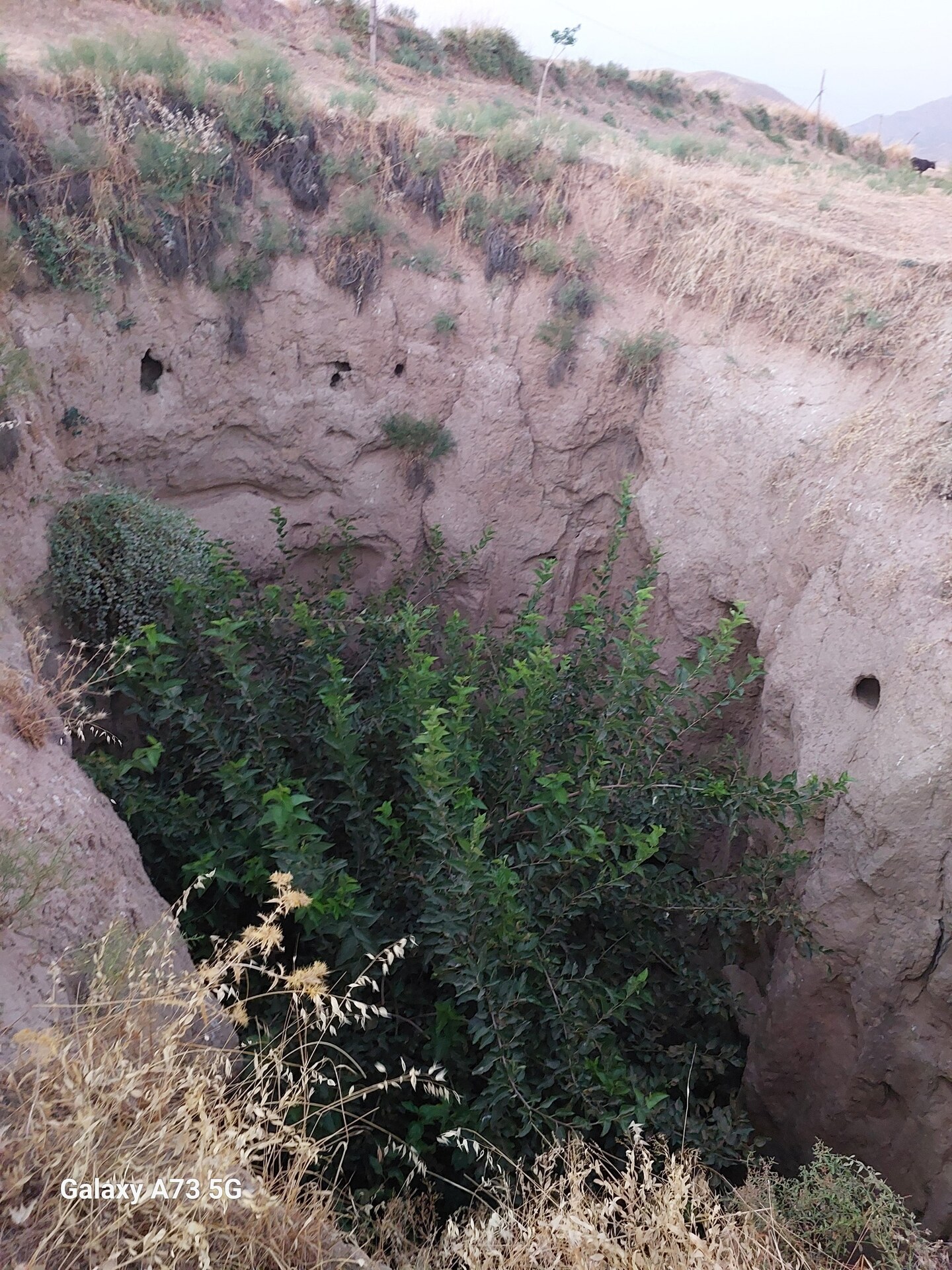
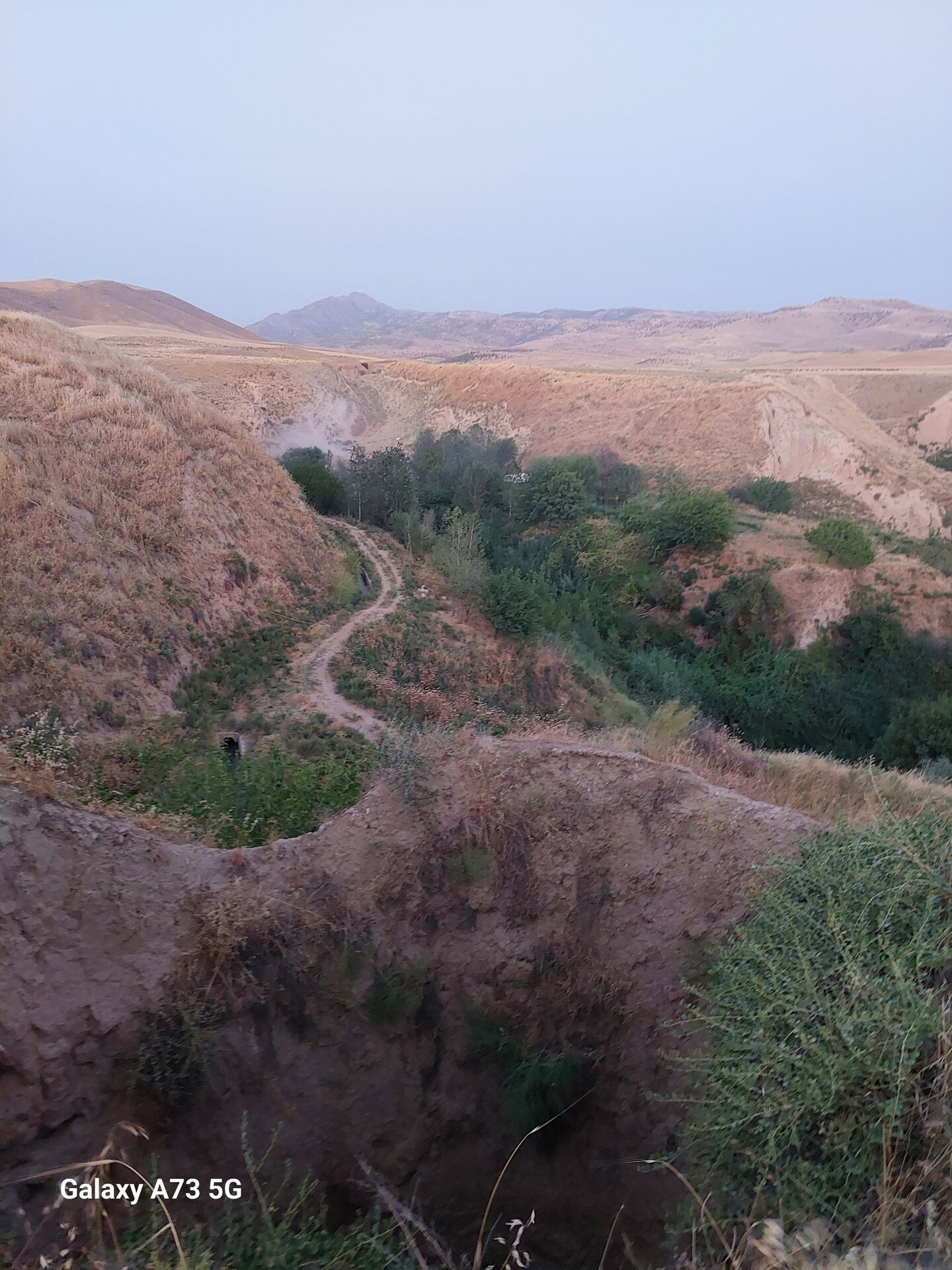
Abdulboki Khojagi Emkanagiy was also deeply knowledgeable about secular sciences. There was a chashma in the village of Khoja Ilmkan, from which Emkanagiy built 13 kariz, released water and established irrigation of high-altitude lands. The entire population of the village was provided with water. Even today, using the kariz method, rural residents use water [11].
The word “kariz”, derived from Persian, meant an ancient water structure built to collect surface waters and release them to the ground.
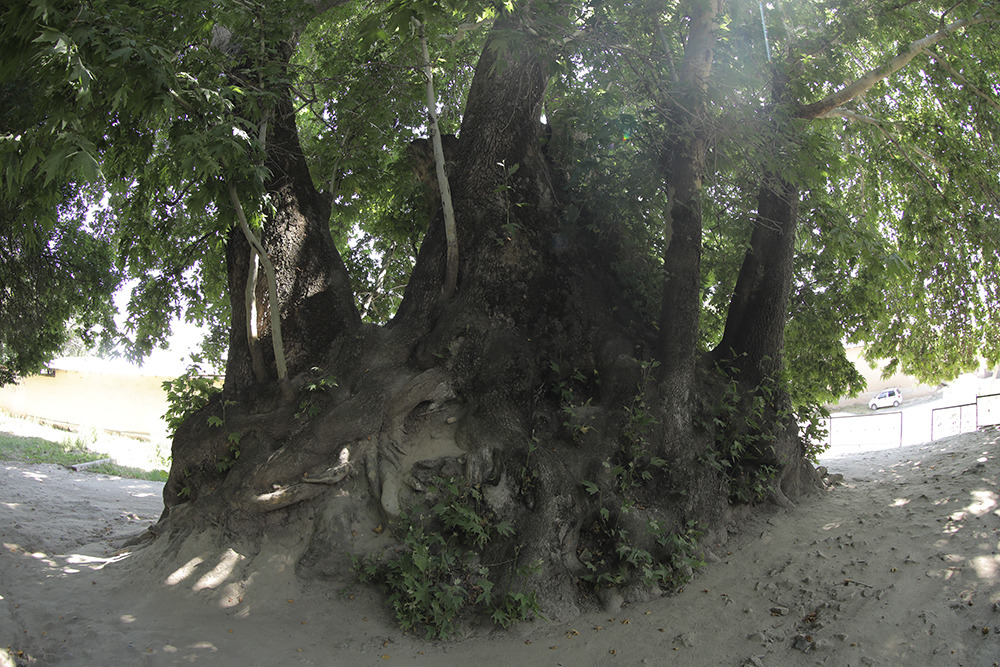
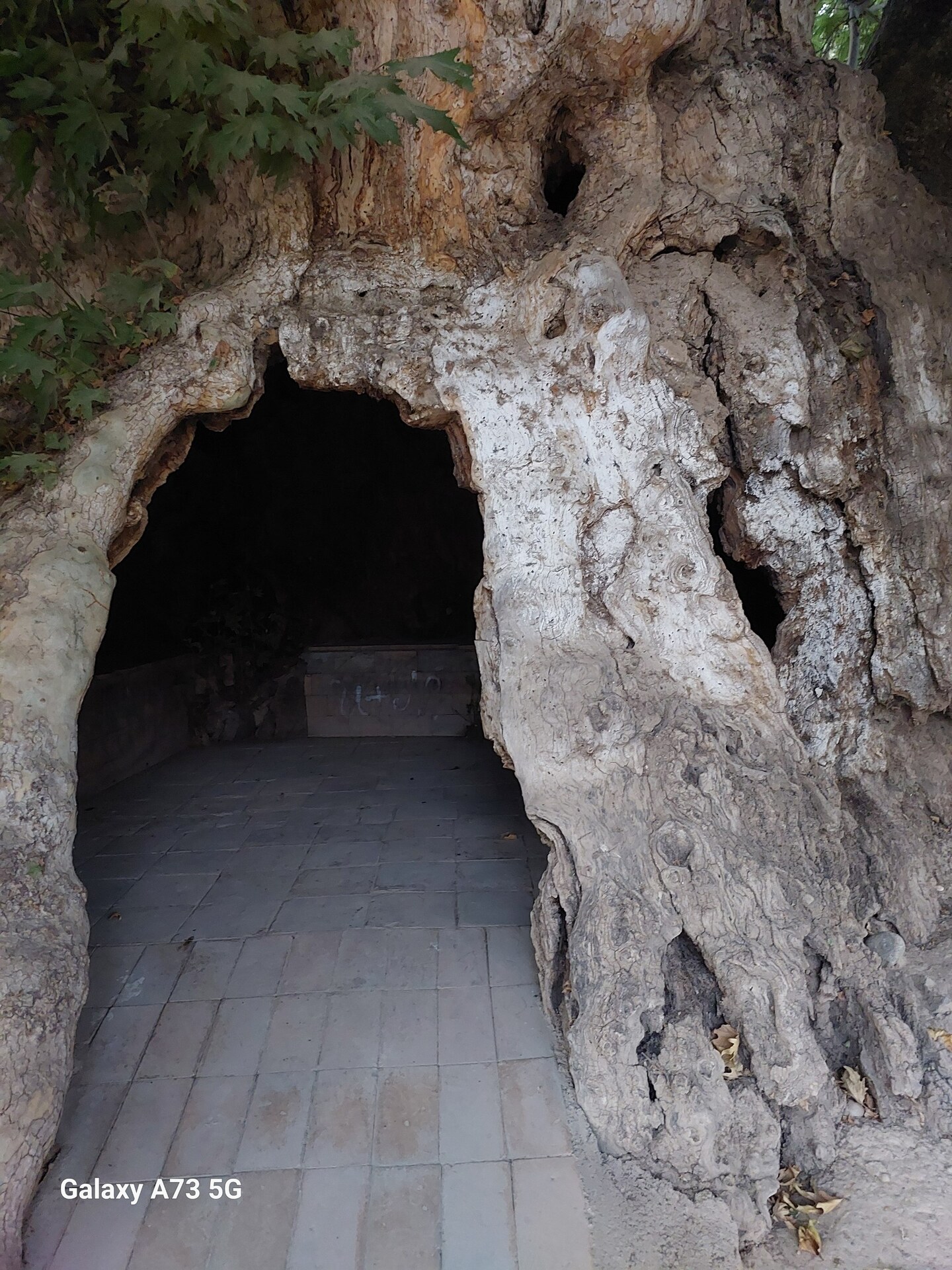
At the same time, not far from khanako, in the courtyard of the mosque, there was a very old plane tree, the circumference of which is 27 meters. The inner part of the plane tree is 5.8 m long and 4.2 m wide. It housed 25 children who could easily build a circle. Until the beginning of the last century, the Chinara bark was used as a school. According to local residents, there were 35 stork nests on the branches of the plane tree.
The village, named after Khoja Ilmkan, or Khojagi Emkanagiya, keeps a historical secret and attracts local and foreign tourists.
LIST OF USED LITERATURE
1. Увватов У. Мавлоно Абдулбоқи Хожаги Эмканагий ибн Мавлоно Дарвеш Муҳаммд Вахшуворий Ҳазратлари ҳақида // Илмий-амалий конференция материаллари тўплами. – Тошкент, 2013.
2. Азизов М., Мухторов Ф. Кешнинг машҳур сиймолари. – Тошкент: 2014.
3. Обидов А., Бобохонов Ж. Тариқат силсиласининг олтин занжири. – Тошкент: Navro‘z, 2018.
4. Шайх Муҳаммад Содиқ Муҳаммад Юсуф. Тасаввуф ҳақида тасаввур. – Тошкент: Hilol-nashr, 2016.
5. Хомидий Х. Тасаввуф алломалари. – Тошкент: Ўзбекистон, 2016.
6. Садриддин Салим Бухорий. Баҳоуддин Нақшбанд ёки етти пир. – Тошкент: Ёзувчи, 1993.
7. Жуманазар Абдусаттор. Вахшувор. – Тошкент: Академнашр, 2015.
8. Маньковская Л. Ю. Қашқадарё воҳасининг архитектура ёдгорликлари (Йўл кўрсаткич). – Тошкент: Ўзбекистон, 1979.
9. Архив агентства культурного наследия. Фонд КД-9686, опись-Z, дело -34, листы 5-8.
10. Архив агентства культурного наследия. Фонд КД-7086, опись-L, дело-11, листы 11-15.
11. Полевые исследования. Село Ходжа Имкана, Китабский район, Кашкадарьинская область. 6 августа 2024 года.