THE SHRINE OF HAZRATI BASHIR (Kitab district)

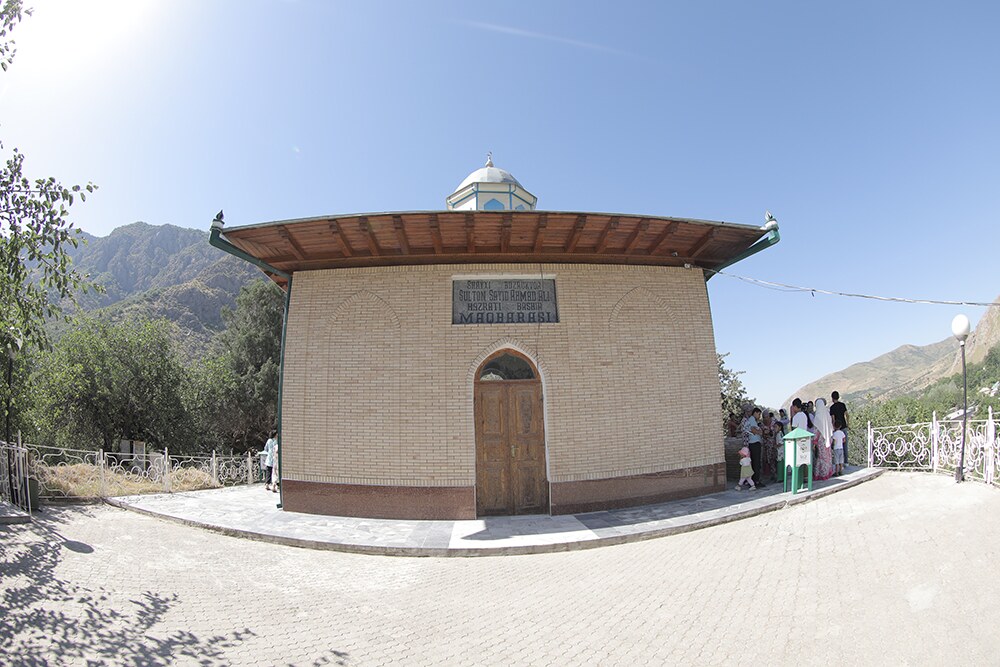
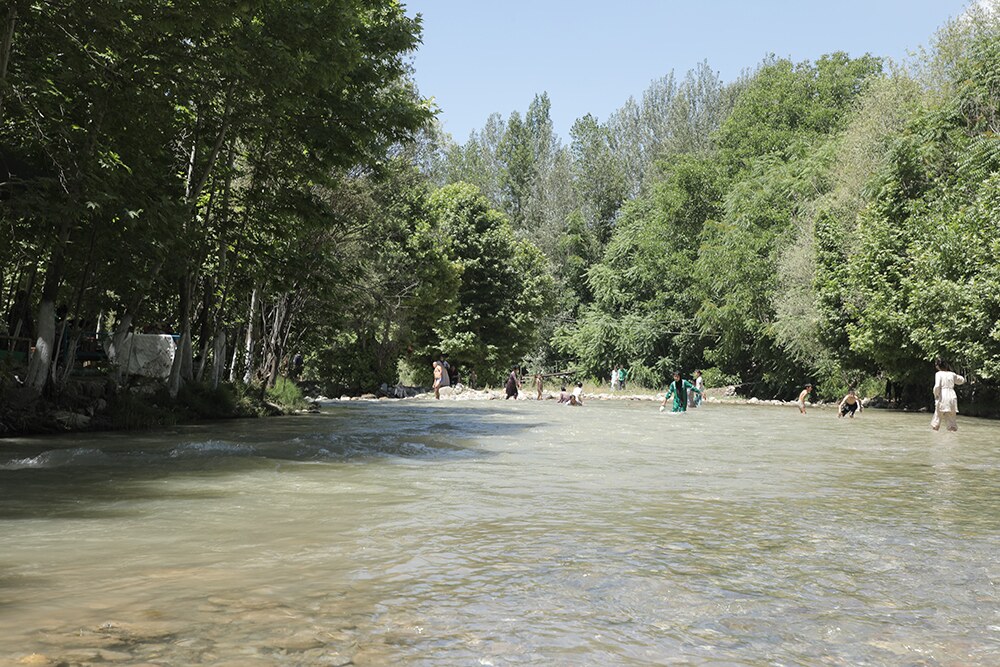
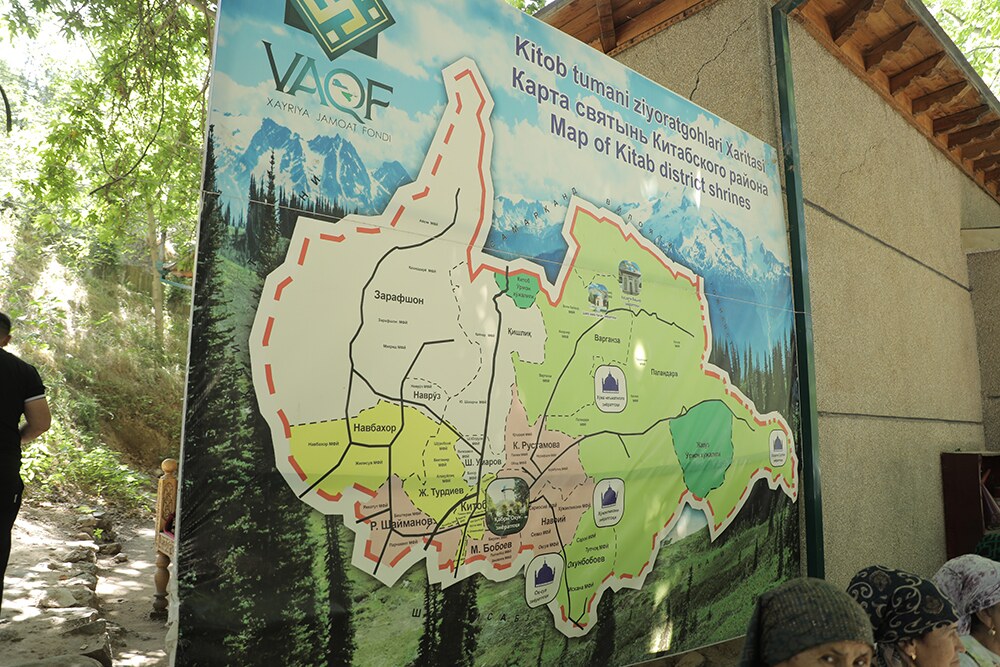
The shrine of Hazrat Bashir is situated in the village of Hazrat Bashir located on the Kashkadarya coast, flowing between the Khabash and Kol mountains, 30.5 km northeast of Kitab[1].
Hazrat Sultan Said Ahmad Bashir Hazrat Bahawuddin Baloghardan is one of the great saints who left a bright mark on the Naqshbandi teachings, having the status of Miri Haqiqat in the Islamic world. Hazrat Bashir (1368-1464) was born thanks to the blessing and prayers of Said Nematillo, the brother of Sayyid Baraka, pir Amir Temur Kuragoni. Hazrat Bashir's father Sheikh Khoja Hassan was born in 1278. They received basic education and the secrets of Sufi science from their father, Sheikh Hussein ibn Mansur Albayzovi, and became one of the founders of the Sufi order. He lived with Said Mir Baraka at the same time. Said Mir Nematullah and Amir Temur, who were the feasts of Amir Temur [2:12]. Despite the fact that their father Khoja Hassan was 90 years old and their mother Bibi Malokat was 80 years old, they had no children. When the child was born, he was named Saeed Ahmad. the young Said Ahmad had to grow up without milk, when their mother Bibi Malokat could not feed them with milk . That is why the nickname Bashir (Beshir – without milk) was added to their names. After Said Ahmad, his mother gave birth to two more children named Said Ali and Haja Ahmad [3:178-179].
Hazrat Bashir began reading the Holy Quran and other books from a young age (18 years old). In the tariqas of Hazrat Sheikh Buzrukvor, there was a method of dance and image that does not exist in Sufism. The dance image is found in Imami Shafi's madhhab. He could skillfully recite dhikr and dance [4:30].
Hazrat Bashir was the owner of potential, having heard his image, people from different parts of the Muslim world arrived as leaners. Among them are Osman Turkestani, Sheikh Shamsuddin Shahrisaba, Sheikh Poyanda, Said Ali, Darvesh Muhammad Kodubaz, Syed Muhammad Shahbazi Hakikat, Maulana Lutfullah, Maulana Ismail, Maulana Aminuddin, among women: Bibi Rabia, Bibi Sahiba, Bibi Fatima, Bibi Bakht, wives of Hazrat Buzruk Sultan, Bibi Dursultana, Bibi Turkona , Bibi The Khawandas were as intense as the sultans at the same time. Most of them were buried in the village of Hazrat Bashir. Hazrat Bashir, after Hazrat Bahowuddin Baloghardan, was one of the great saints who left a bright mark on the Naqshbandi teachings in the Islamic world, and had the status of "Miri Hakikat". Hazrat Bashir died in 1464. He was buried in Niyaztepe of Bashir village [4:31].
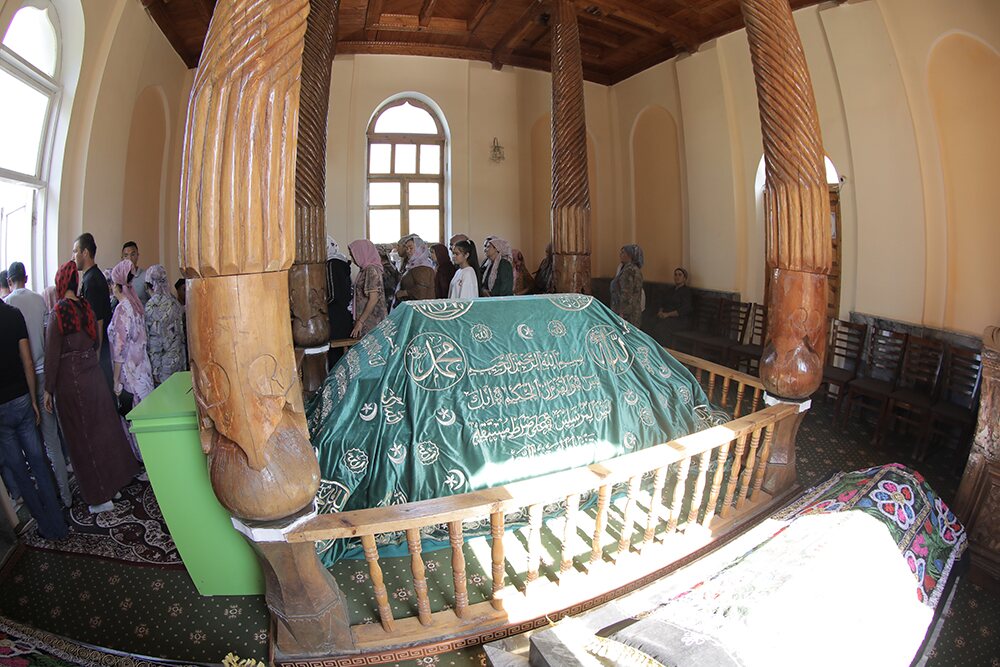
In the village of Hazrat Bashir there is a monument to Hazrat Bashir, which dates back to the XV century, consisting a huge mosque and a mausoleum. This sagana is considered a unique work of architecture and applied art of Uzbekistan, the mausoleum monument was built in the late XVI – early XVII centuries. This large combination (204x84 cm.) is mounted on a two-stage base, with a flat table top, luxurious and bright. A product in the form of three squares is placed on the long sides of the monument [5:6-9].
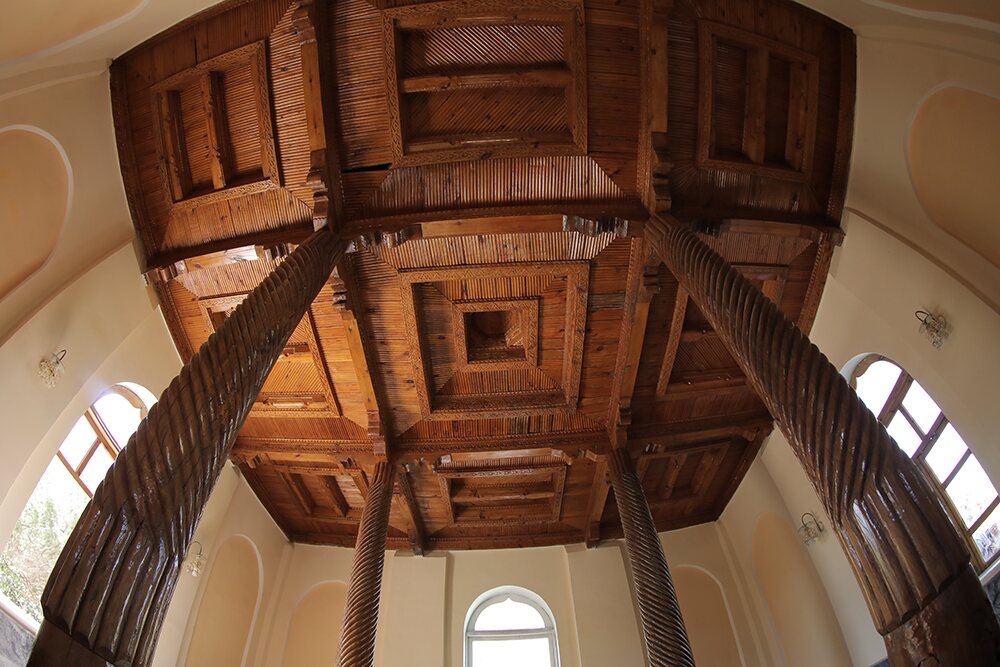
It is deeply carved on the sides and decorated with a variety of geometric patterns derived from very fine carved patterns, the elements of which are clearly interconnected and attached to the lower wooden board at the monument site. The groups are mainly made on a six-beam lattice base, which gives the decorative surface beauty. The sides of the upper and lower sides of the sagana are also decorated with ornaments. The six rows consist of wooden bowls of a certain shape, which are carved separately. Since the cups are arranged in layers, they protrude slightly forward. The last board is framed with thin chains [6:54]. The hall is a central four-sided platform with four columns, surrounded on three sides by an ivan. The 18th-century mosque is rectangular (9.78×977 m), narrow, with adobe walls. The flat roof of the room (8.2 m, square) is covered with a pickaxe on each side [7:92]. The extraordinary sophistication of the shape and the strong composition of the monument make a strong impression.
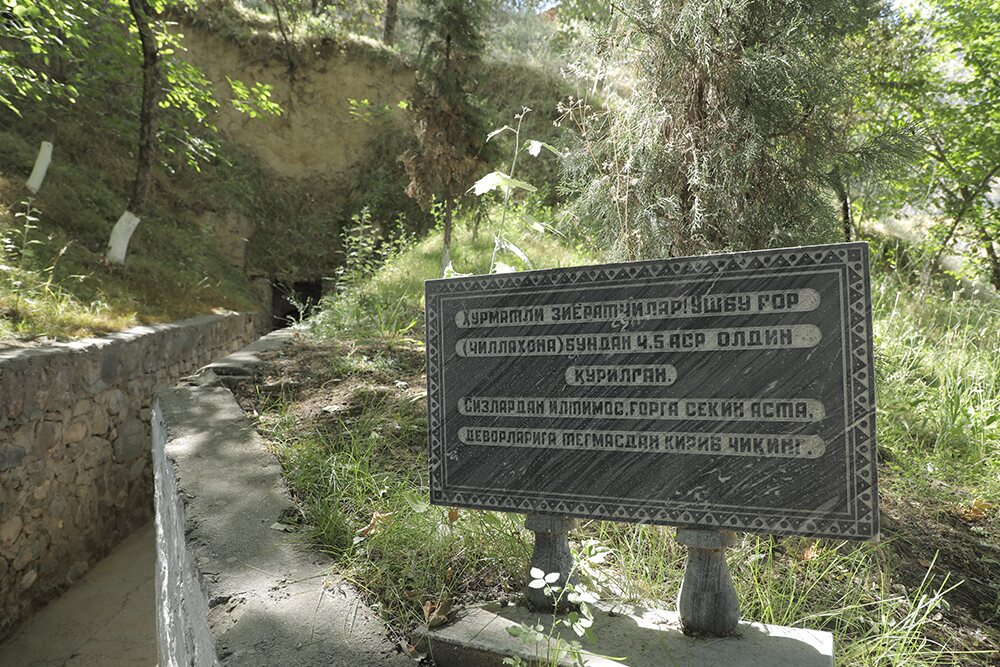
Due to the persecution of religion in Soviet times, the building was demolished in the 1940s. A new mosque was built at the spring at the foot of the hill, where the Bashir Ota cemetery is now located. There is also a chillahona (cave), built in 1842-1843 by the Hazik son of Islamsheikh [4:29]. Two children and a servant of Hazrat Bashir are buried next to him. In the field part of the grave, a tombstone of the Mongolian king Sayyid Jamaluddin, dated 1450, was found [8:81-92].
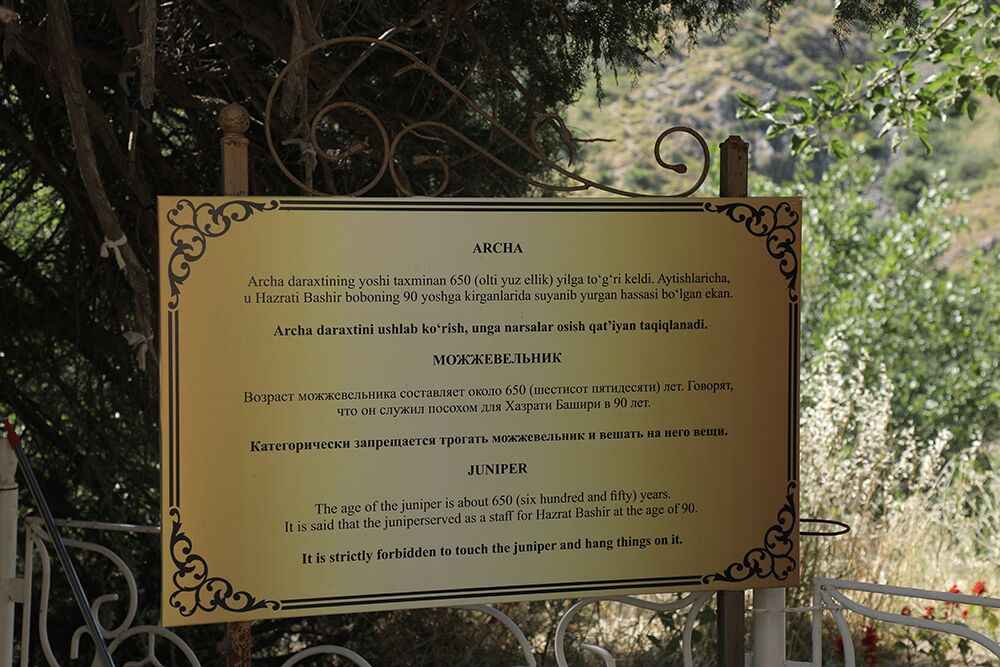
Another important aspect of this shrine is that Hazrat Bashir actually lived during the reign of Mirza Ulugbek. He built the lower part of the Poyi Rasad observatory and worked under the patronage of Sheikh Hazrat Sultan Said Ahmad for 7-8 years[4:28-29]. After Ulugbek's death, his student Ali Kushchi moved the observatory's books and sextant to Nieztepa in the village of Bashir. Even the locals claim that the chest in which these books were kept turned into stone on the mountain and its appearance was reflected in the mountain stone. Among the local residents of the oasis, juniper grows next to the mausoleum, allegedly blossomed after the blow of Hazrat Bashir's staff, and a pistachio tree planted by him [1].
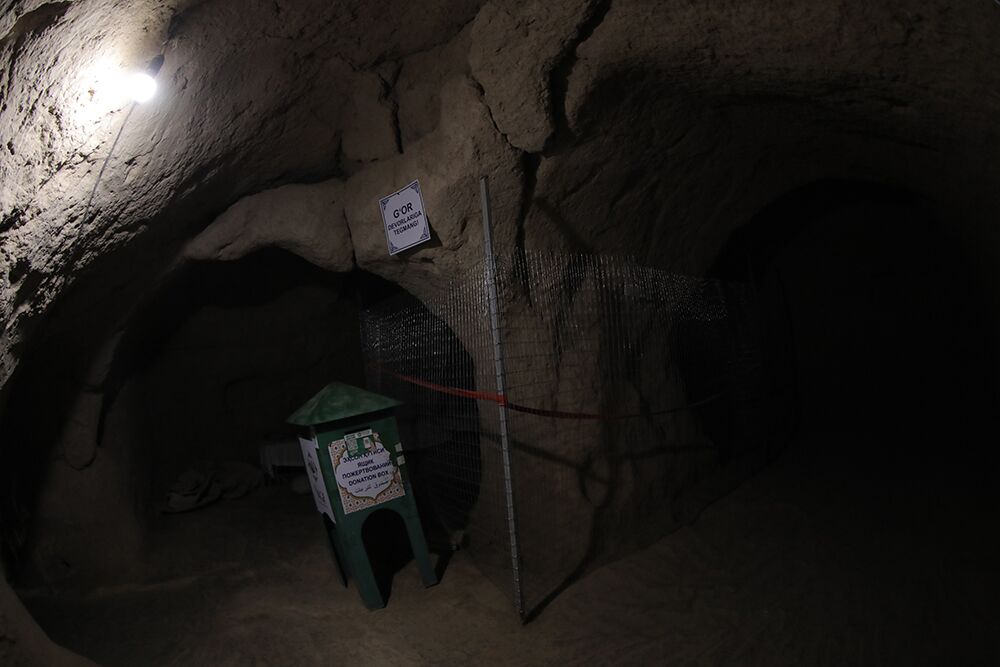
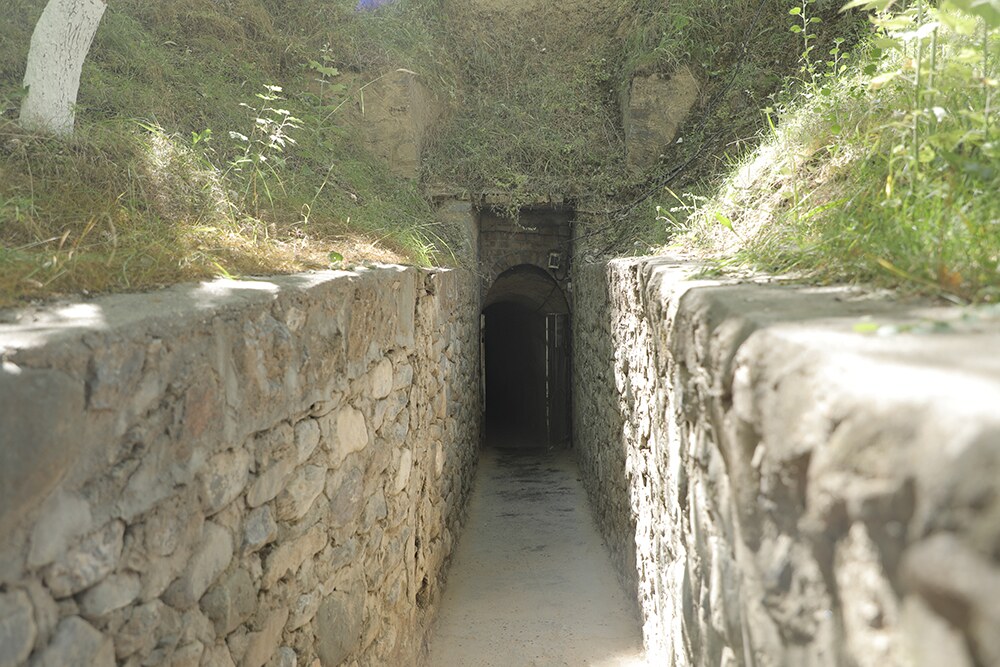
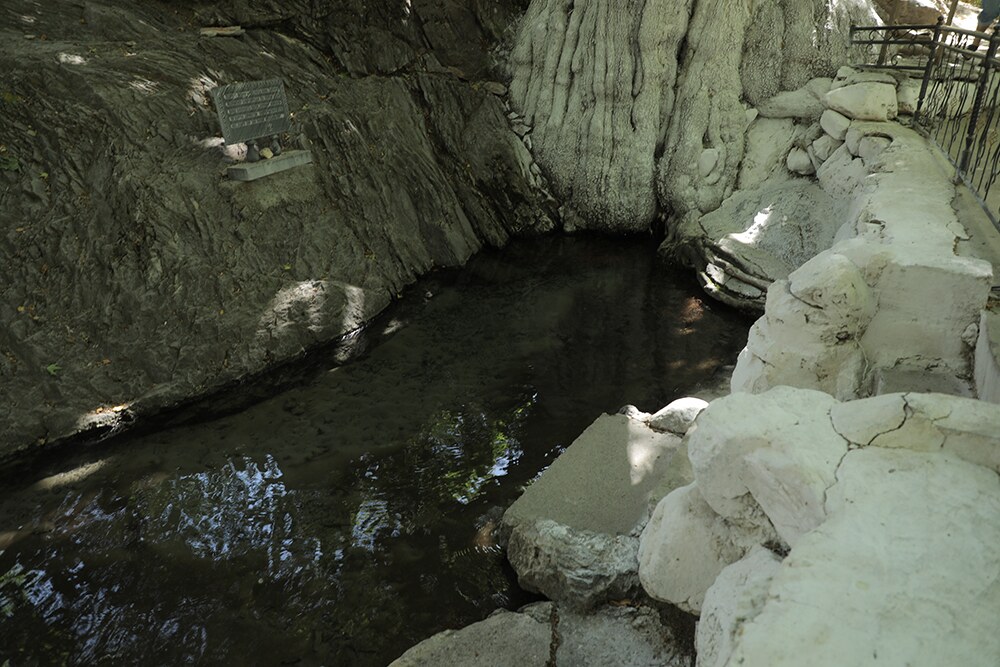
Pistachios planted by Hazrat Bashir are still yielding (very large trees). The number of pistachio trees is more than 200. Currently, healing water is flowing from under the hill where Hazrat Bashir's grave is located. A watermill (from under the rock) supplies water to the village of Hazrat Bashir. Pilgrims drink this water and take it home. At the foot of the hill, where the grave of Hazrat Bashir is located, there is a cave that can accommodate 30-40 people. This cave was dug in order to make it convenient and durable for people to stay there [2:25-26].
Sangi Cave is located about 800 meters above Hoki Cave. Hazrat Sultan Said Ahmed Bashir lived in both caves until he was 18-20 years old. There was a waterfall about 20 meters above the Sangi Cave, and water flowed from a spring. Wild juniper, maples, silvi, and irkak grow there. Previously, this water flowed from the height of "Nur Koch" into the pond and overflowed into the surrounding gardens. Locals call the bubbling and fast-flowing water from a height of 20 meters "Khoja nemati". One source of water originates from here, and the other from the shrine of Khoja Nematullah, about 4 km northeast of the village of Mughal. Locals say that this water flows out with the blessing of Khoja Nematullah.
Hoki Cave includes of three parts, the first part was washed away by rain and flooding, the second and third parts have been completely preserved. The mouth of the cave was small. The cave hall is 7 meters away. The hall is 6 meters in diameter, 2.2 meters high, and has a domed shape. There are special shelves on the cave wall to accommodate books, lamps and water bottles. A room was carved out for ablution and ablution [2:27-28].
Before the revolution, there was a village on the hillside where Hazrat Bashir's grave was, and local residents found a large stone, and it turned out that a road runs under it.
According to the Decree of the Cabinet of Ministers of the Republic of Uzbekistan dated March 8, 2019 No. 198 "On measures for the effective use of the tourist potential of Kashkadarya region", new tourist routes are being created in the villages of Varganza, Hazrati Bashir, Gilon, Suvtushar, Kitab latitudinal station, Siypantosh monument to transmit information about tourist places around it [9].
LIST OF USED LITERATURE
- 1. Field research. Kashkadarya region Kitob district.2024 was June 9th.
- Чориев А. Ҳазрати Башир тарихи. Тошкент: Янги аср авлоди, 2022.
- Чориев А. Ҳазрати Султон тарихи ва Ҳазрати Башир маноқиби. – Тошкент: Шарқ, 1996.
- Пармонов О., Бердиев А. Китоб тумани ҳақида лавҳалар. − Tошкент: Фан, 1996.
- Агенство культурного наследия . КД-7086 фонд, Л-опись, 11-дело, 6-9л.
- Маньковская Л. Ю. Қашқадарё воҳасининг архитектура ёдгорликлари (Йўл кўрсаткич). - Тошкент: Ўзбекистон, 1979.
- Назилов Д. А. Архитектура горных районов Узбекистана.-Ташкент: Фан, 1984.
- Маданий мерос агентлиги архиви. КД-9712 фонд, 3-рўйхат, 34-иш, 81-92 варақлар.
9. Information on the results achieved in the field of Tourism of the Kashkadarya region on the implementation of decisions and decrees approved by the president of the Republic of Uzbekistan and the Cabinet of Ministers // information of the Department of cultural heritage of the Kashkadarya region.- Karshi City, March 19, 2021.