THE SANCTUARY OF KHOJA NEMATULLAH WALI (Kitab district)

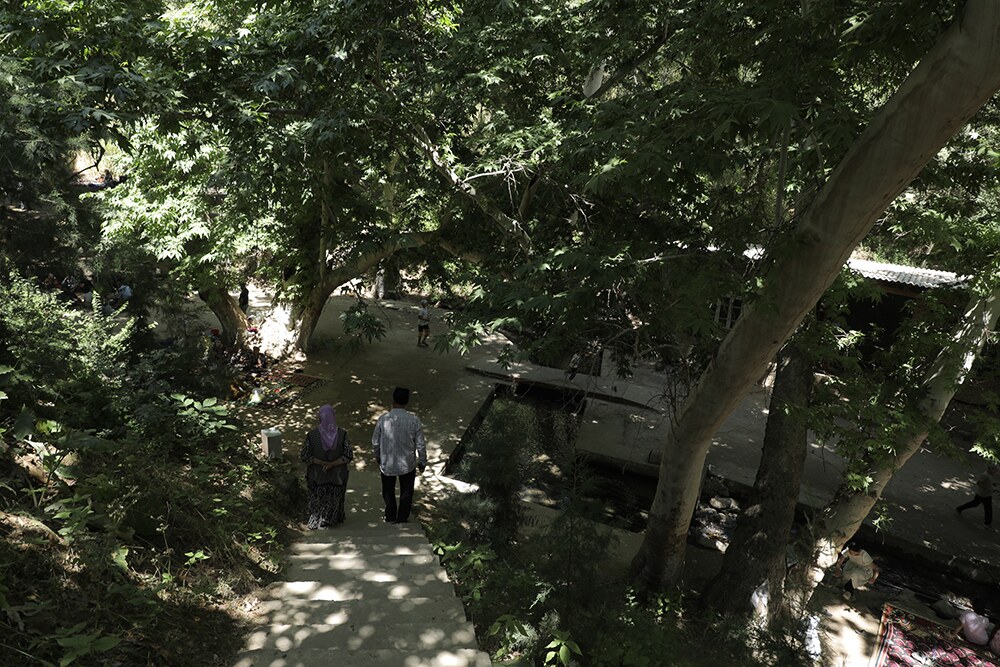
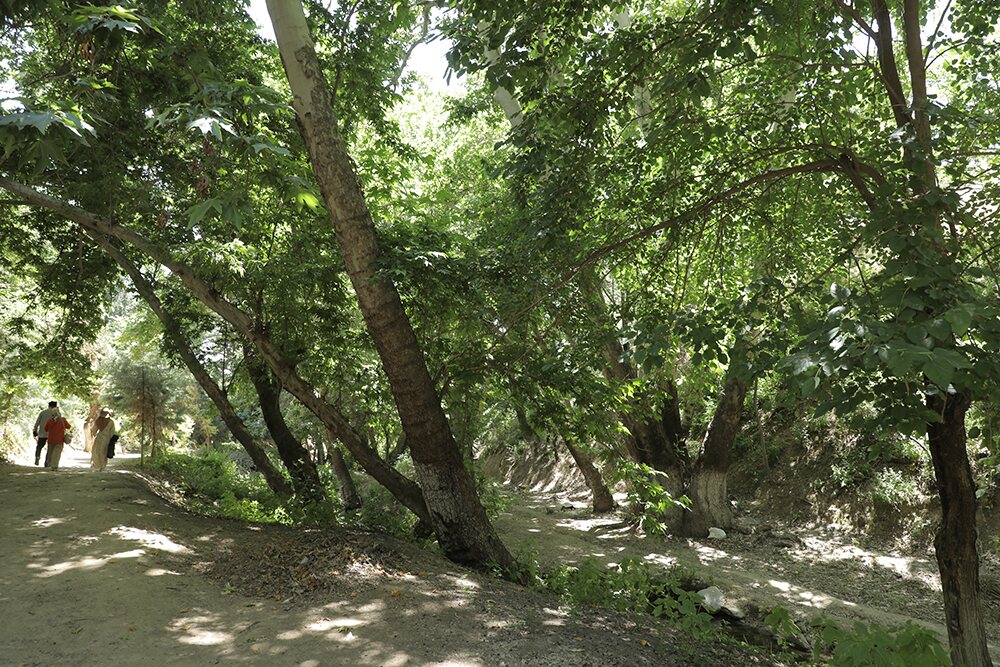
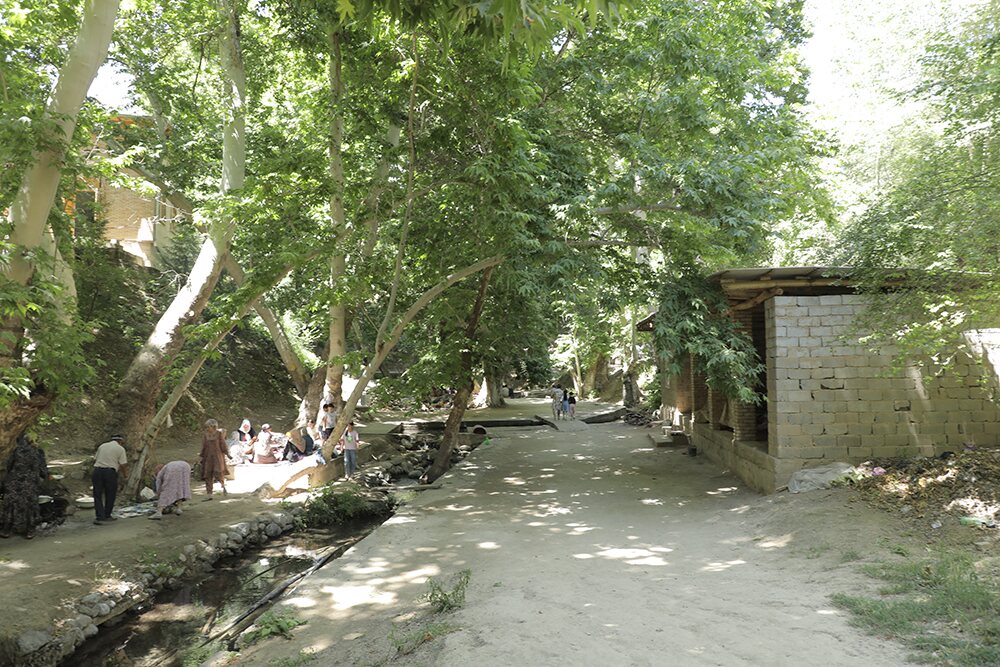
In Kashkadarya region, the sanctuary of Nematullah Vali is situated in the northern part of Mugul village, 23 kilometers from the center of Kitab district. He is also popularly called Khoja Nematullah (1330-1431) and is considered a Sufi, poet, founder of the Tariqa of Nematullah. Shah Said Nuriddin Nematilla ibn Mir Said Abdullo ibn Abdurakhman (1330-1431) was an astonishing scientist in the field of Islam [1:357].
Nematullah Wali was a Shafi'i Sunni who descended from the lineage of Muhammad Boqir, the 5th Imam of the Shiites (in 21 branches) to the Prophet Muhammad (S. A. V.). He studied in Iraq and then in Mecca with Sheikh Abdullah Yofei (1298-1367). Having visited Iraq, Egypt, Tabriz, Ardabil, and Transoxiana, he actively promoted and spread Islam among the Turkic tribes. He became well-known among the people for his ascetic lifestyle. He is also the founder of the “Nematullah” movement in Sufism. This trend became widespread in the Islamic world, as well as the Naqshbandi Tariqa, and was based on the teachings of feasts and Murshidism [2:251-266]. Now this doctrine is partially followed by the countries of Central Asia, India, and Pakistan.
Nematullah Wali was born in Aleppo, Shama region. He studied in Iraq, then at the age of 24 made the Hajj pilgrimage and became the murid of Sheikh Abdullah al-Iofiyah (1298-1362) in Mecca [3:178-179]. The brother of Pir Amir Temur Kuragani is Mir Said Baraki. Said Nematilla compiled 544 letters with various meanings in Arabic and Persian, of which 110 have come down to us. In addition, he compiled a large book “Devon”, which contained 1,541 gazelles. This scientific legacy was published 4 times in Iraq and Kerman (Iran) under the title “Amir Said Nuriddin Nematillo” [4:19]. In the teachings of Nematullah Wali, the views of Arab theology (Ahmad Shozili and Abu Madyan), Ibn Arabi's revelation about the doctrine of Wujud, the ideas of Najmiddin Kubra and the Tariqa of Khojagon were coordinated. In his Sufi experience, he followed the path of Junaid and Abu Yazid Bistomiya. He praised artisans and dehkans [1:358].
Sources say that Nematullah Wali studied science in Iraq, in Mecca. At the age of 35-45, having reached the level of Irshad, he comes to Samarkand. During this period, Amir Temur was on the throne of Samarkand. Amir Temur met with Nematullah Wali and paid him a large tribute [2:254-256]. As quoted in Zafarnoma, Amir Temur led an army against Amir Hussein and stopped near the city of Termez when Mir Said Baraka and his brother Said Nematilla handed him symbols of power: a drum and a banner. After that, he always accompanied Amir Temur and participated in all his affairs and meetings (mashwarats) [3:179]. After leaving Herat, he lived in Yazid, Shiraz, and then lived in the city of Kerman.
The Nematullahs are adherents of the Sufi Tariqa in Shiism. Shahrukh Mirzo (ruled in 1405-1447) sheltered the Nematullakhs and their peer Nematullah Vali in his shelter. He lived in Samarkand, Herat and Yazd, as well as in Kerman and built a khanaka and a mosque. After 25 years of managing the property, which Amir Temur handed over to his brothers, he stayed there forever. He died in 1431 in the village of Mohon Kerman, and was buried there [1:358]. Later, a majestic mausoleum will be built over the grave of the thinker, which is still considered a great shrine.
Since Shiism became the basic ideology in Iran in the XVI century, the Tariqa of non-Muslim muslims became widespread and attracted mainly the trade and craft circles of the city. The political activity of the Nematullakhs differed from other tariqas in its influence on the internal way of life of the state. Representatives of this trend also existed in India. In the middle of the nineteenth century, the Nematullakhs were divided into many groups. Currently, his maintainers are in Iran too.
Said Nematullah lived in the Kitab district, in the village of Mugul for 6 years. After that, Nematilla goes to the city of Kitab and marries the daughter of the city hakim Imamiddin Hamza al-Hussein al-Harwani. With the blessing of this man, Hazrat Sultan Sayyid Ahmad Bashir comes into the world [3:179].
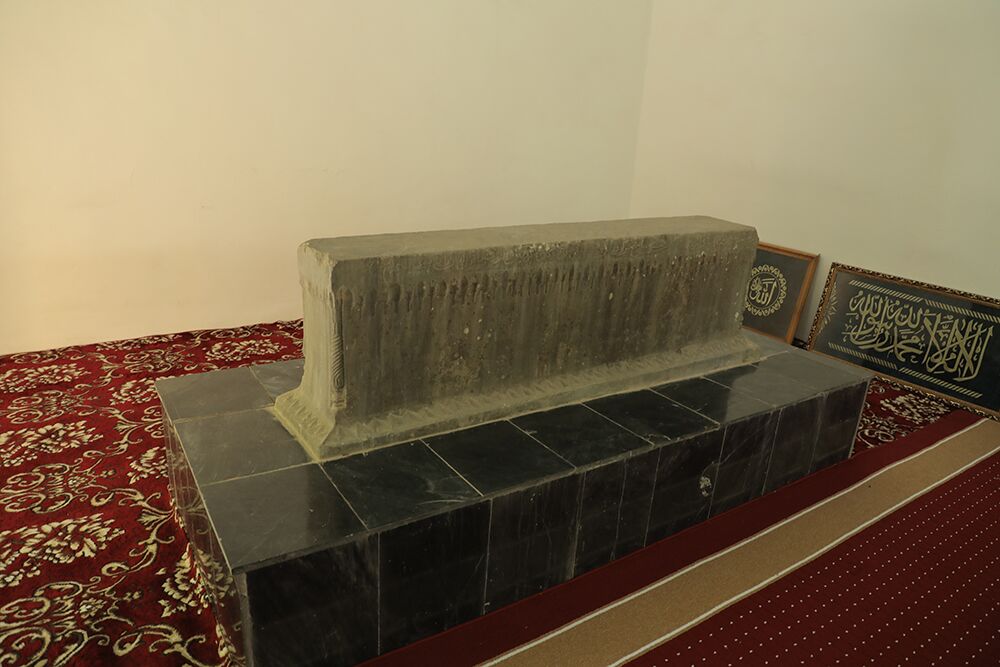
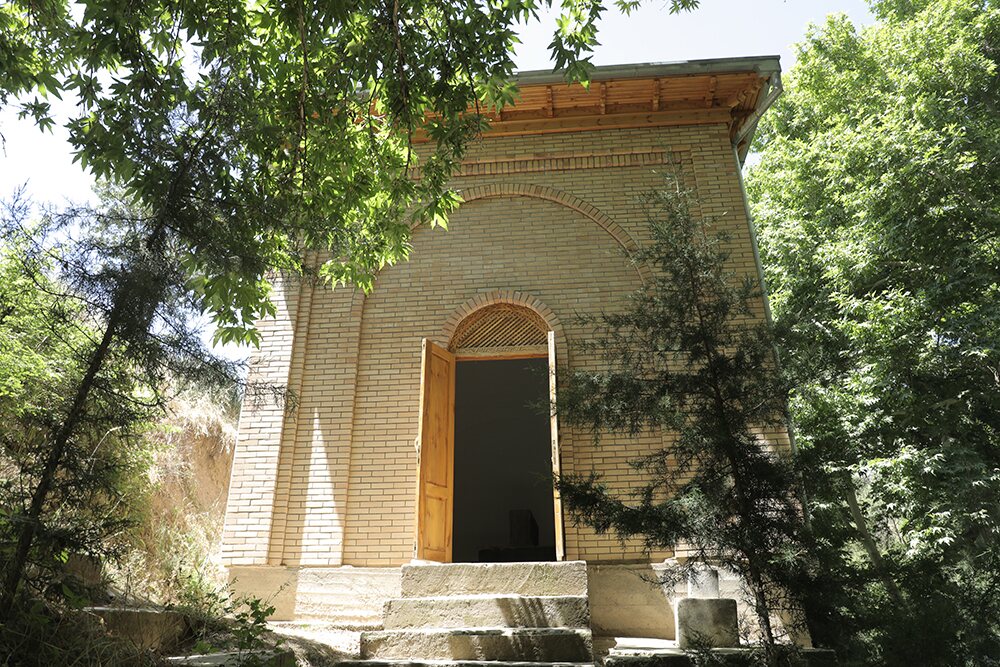
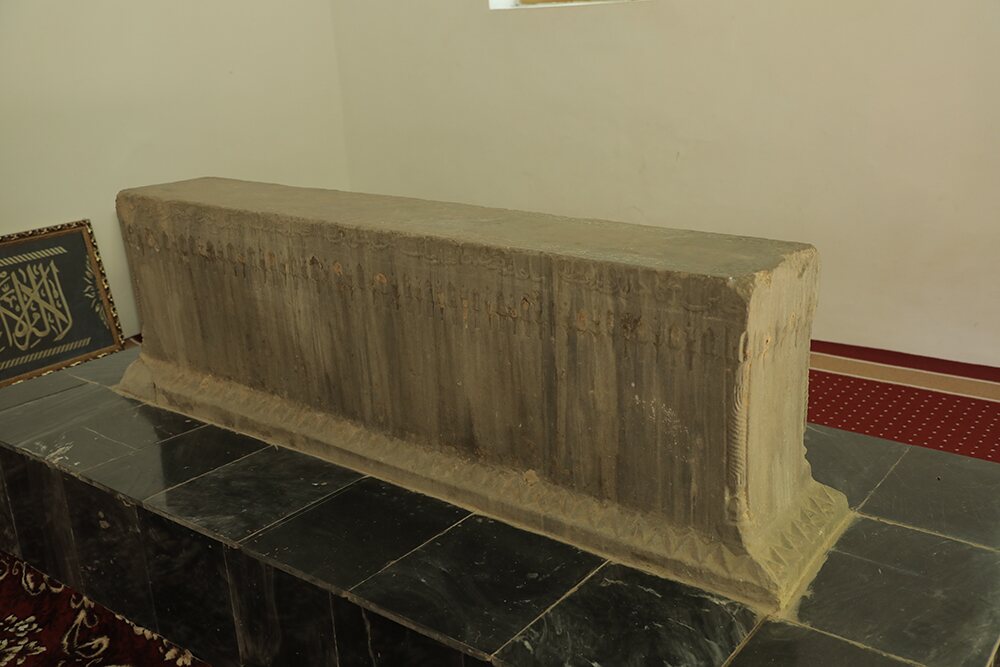
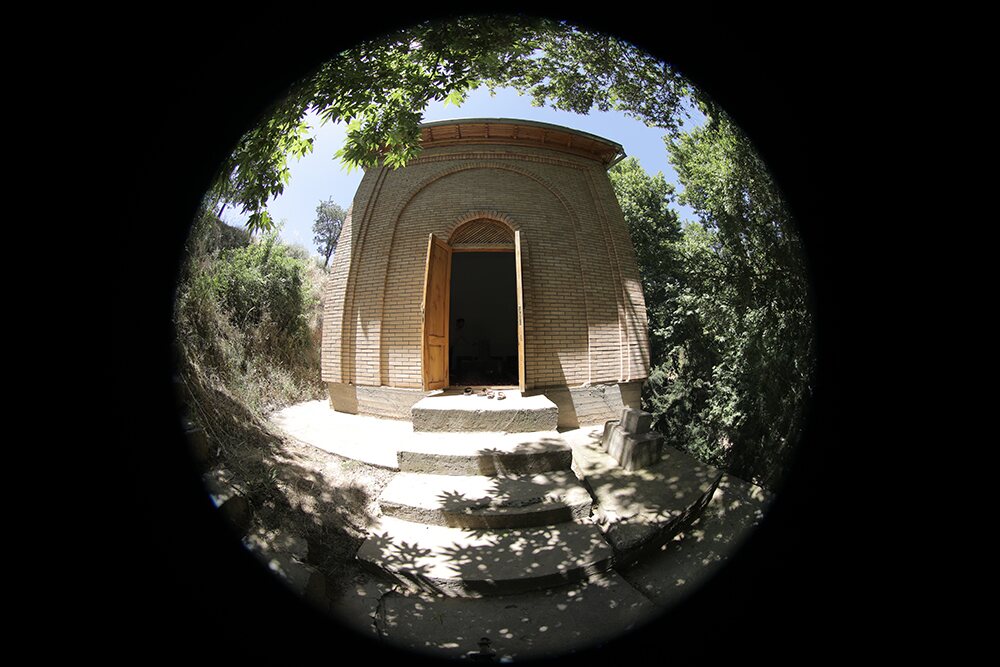
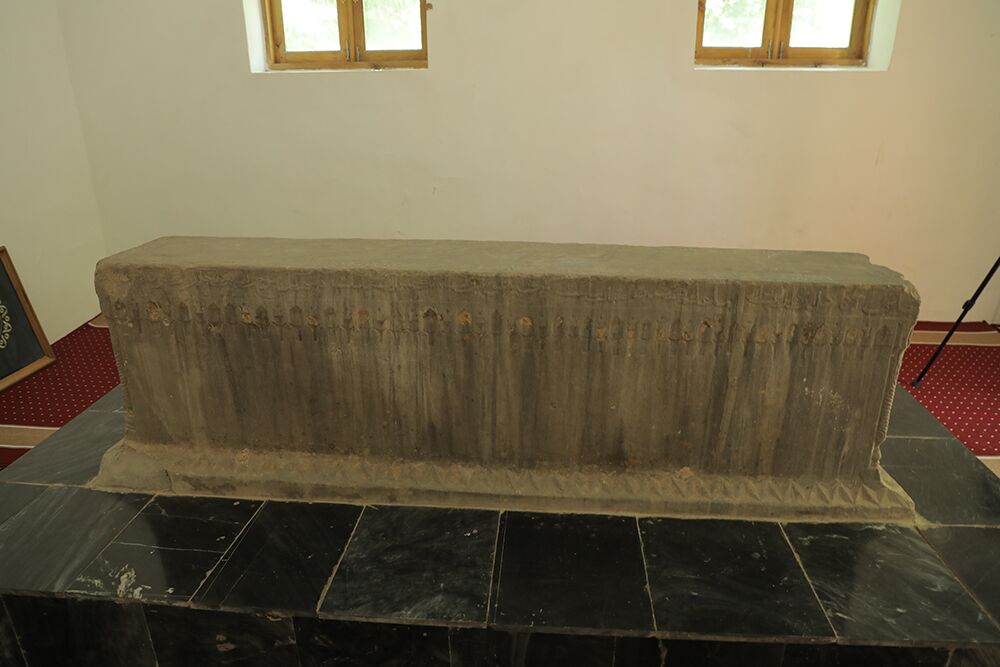
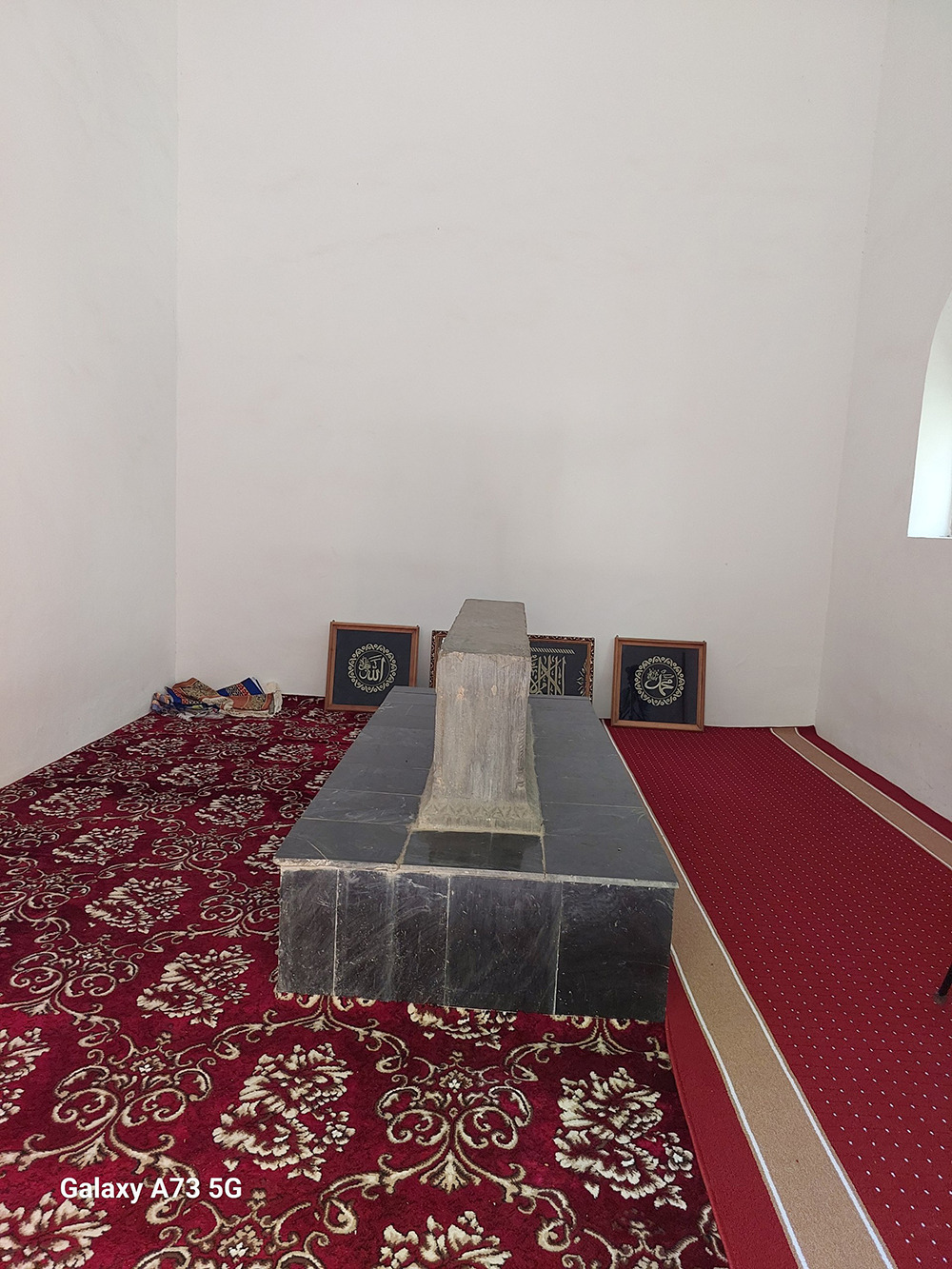
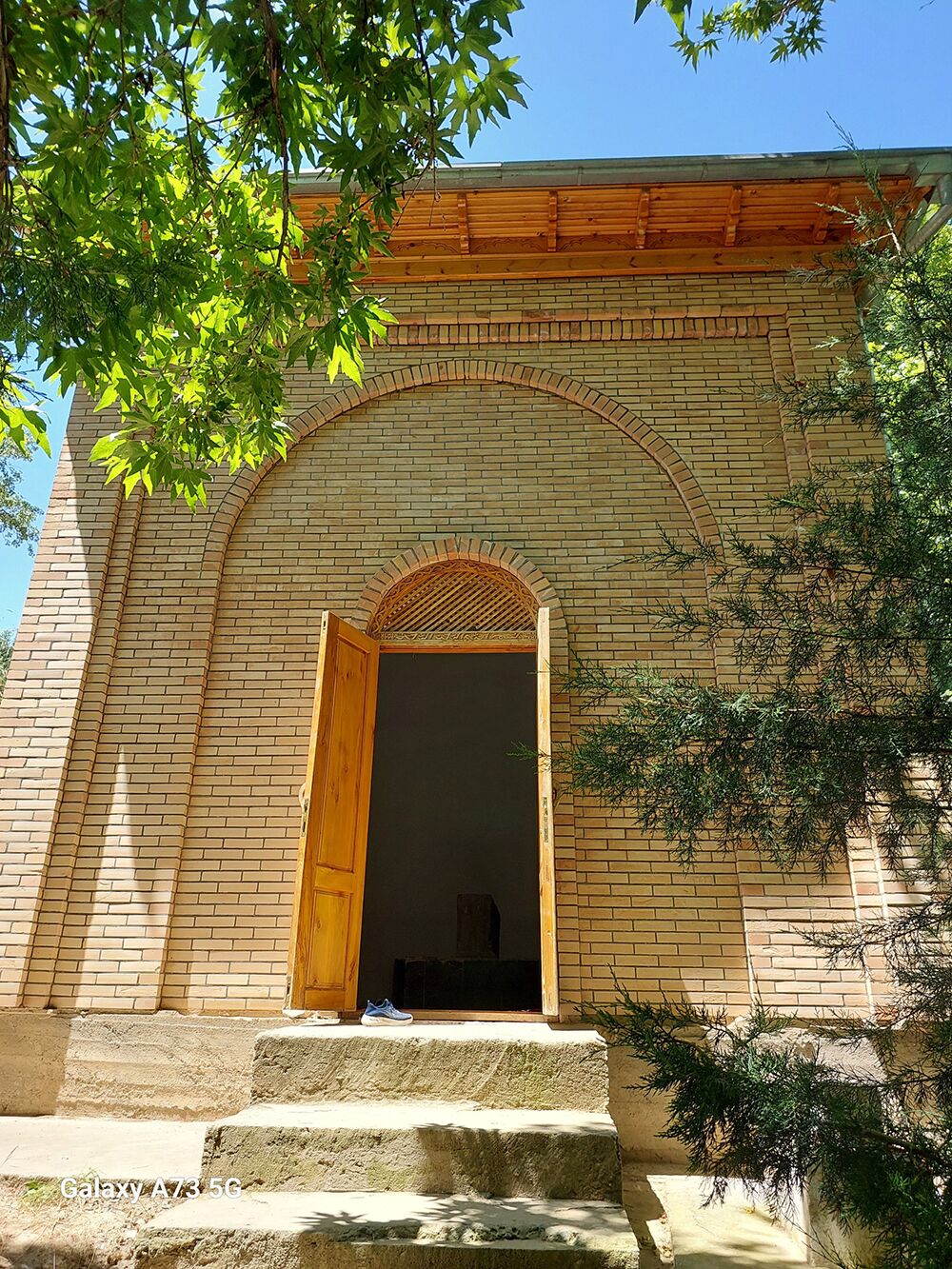
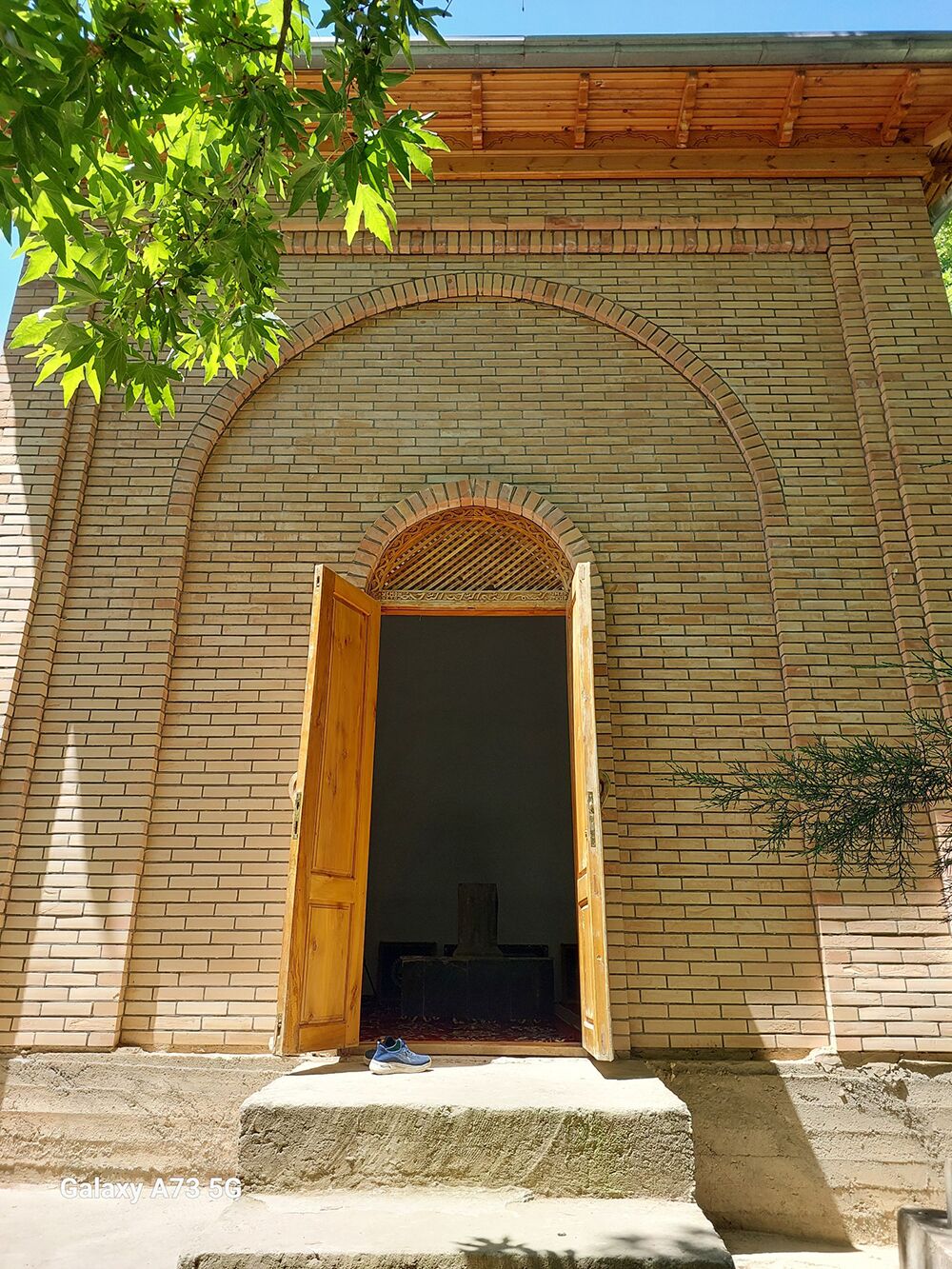
In tribute to the scientists, ulama, and saints who served on the path to Islam, representatives of the Timurid generation carried out construction work (sagan). Due to the fact that Nematullah Vali lived in the village of Mugul, his place in the tariqa and his special connection with the local population, a symbolic grave was built for him in this village. In particular, Shahrukh built a hexagonal mausoleum associated with the name of Nematullah Vali (1330-1431) in the village of Mugul in Kitab district [5].
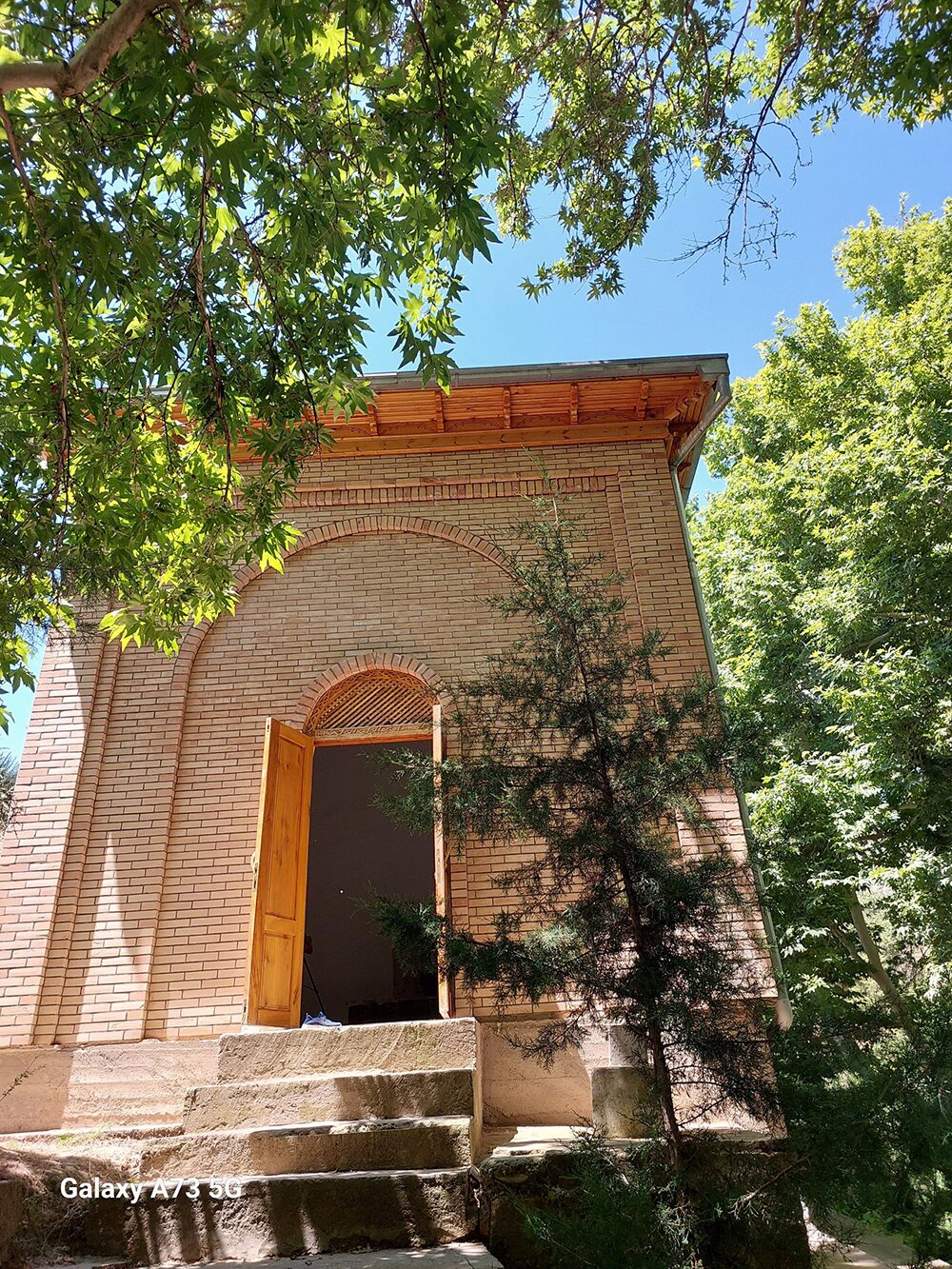
The tombstone has been kept nowadays. At the initiative of the local leadership, in 2013 the mausoleum was restored and all conditions were created for pilgrims to visit it.
LIST OF USED LITERATURE
1. Ислом энциклопедияси. – Тошкент: Ўзбекистон миллий энциклопедияси давлат илмий нашриёти, 2017.
2. Каттаев К. Тасаввуф алломалари. – Тошкент: Ғ. Ғулом нашриёт матбаа ижодий уйи., 2017.
3. Чориев А. Ҳазрати Султон тарихи ва Ҳазрати Башир моноқиби. – Тошкент: Шарқ, 1996.
4. Бердиев А. Китоб (Туристические достопримечательности Китаба) Кашкадарья. – Китоб, 2019.
5. Field research. The village of Mugur, Kitab district, Kashkadarya region. June 8, 2024.
v