OQ SUV SHRINE (Kitab district)

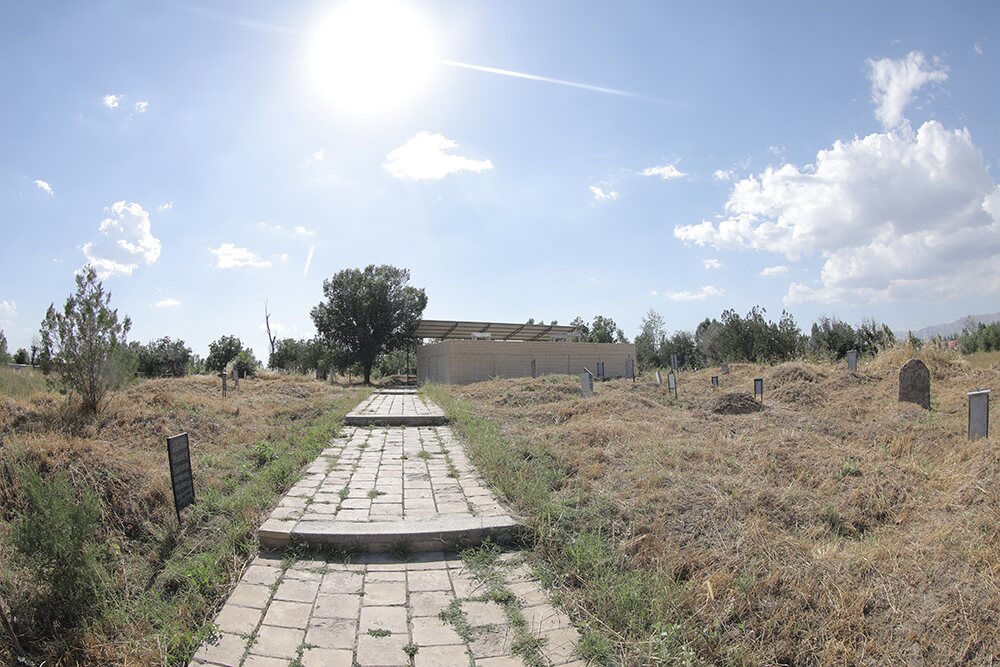
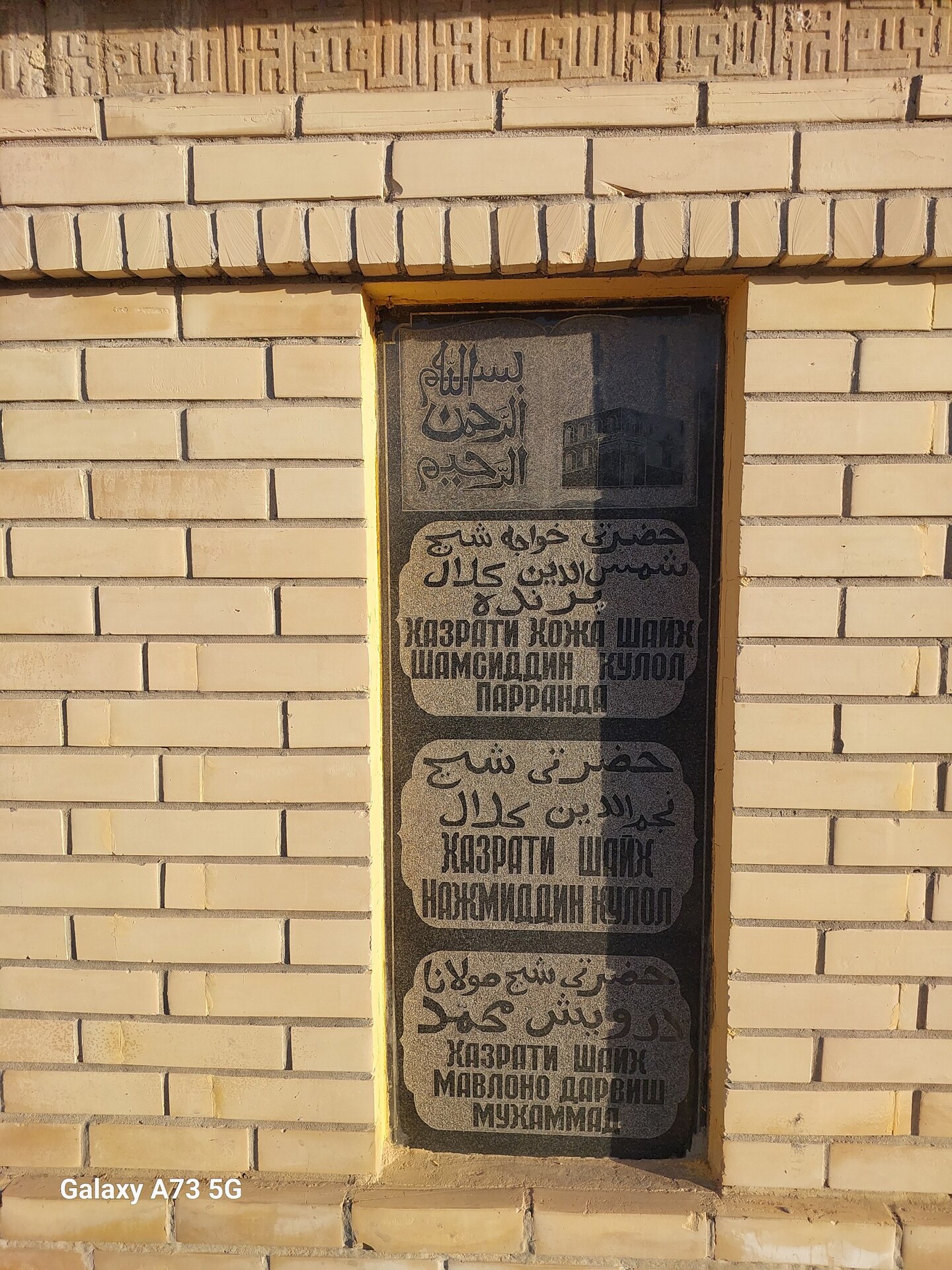
About 17 kilometers southeast of the city of Kitab, in the village of Khoja Isfaroz (Khoja az-faroz), there is a shrine "Oq-suv". The local people say that Sheikh Shamsuddin and his children Sheikh Najmuddin, and later the third pir Darvesh Muhammad were also buried here.
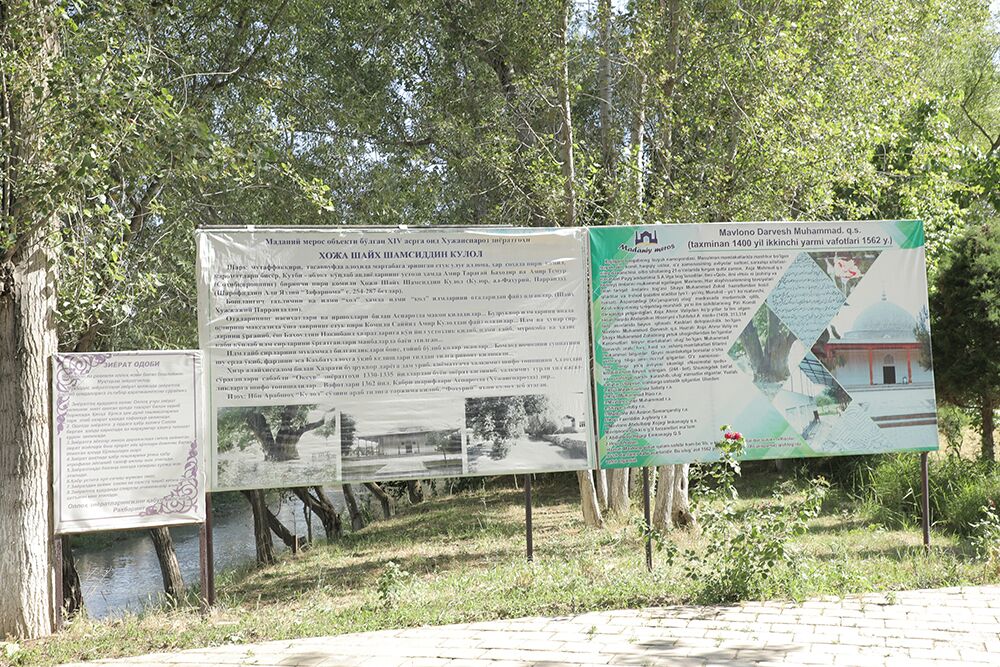
Hazrat Khoja Sheikh Shamsiddin (died May 1501) was born in the village of Hezzan (Tajikistan) near Farab. There is no information about the exact year of birth. It is clear that he is a descendant of the Sobiri Parranda and Shaykh Antour goes back to the family tree. In his youth, he learned from his father and engaged in farming [1:88]. Shaykh Shamsiddin had the knowledge of "Qol va hol" (external and inner knowledge in mystical interpretation). He was a disciple of Hazrat Sultan Said Ahmed Bashir (1368-1464) in Kesh. Sheikh Shamsiddin and his son Sheikh Najmuddin served in the mosque and madrasa built by Amir Temur on the left bank of Aq-su. Sheikh Najmuddin's children also achieved perfection like their father. After their death, the madrasa was managed by Darvesh Muhammad [1:88-89].
In A. Choriev's book, “they said that Hazrat Sheikh Buzrukvori Sheikh Shamsiddin is one of the most mature saints. I myself brought him up by raising him. I gave the reference letter myself ”. Shaykh Shamsiddin was a great scholar and possessor of merit [2:303]. Sheikh Shamsiddin died on May 20, 1501, and his grave is located in the village of Khoja Isfaroz [1:91].
Sheikh Muhammad Darvesh is mentioned as the twenty-first pir in the "Oltin silsila" of the Naqshbandi order. Darvesh Muhammad was of medium height, with a beautiful face, wheaten complexion, white beard, handsome and well-proportioned. He was a perfect successor in external and internal knowledge, and he had an exceptional skill in educating and guiding murids. He spoke in a simple language that everyone could understand, he treated everyone according to their level, he was skilled in identifying their qualities and developing their abilities, he was a great virtue in this regard [3:78].
His father, Khoja Ofoq Kalon, is one of the Sayyids of Termiz, and he is married to Yakub Charkhi's granddaughter. Darvesh Mohammad Vakhshuvari was born from this marriage. In addition to the chain of tariqat, his lineage also goes back to the house of Yakub Charkhi on his mother's side. Darvesh Muhammad lived mainly in the village of Vakhshuvor of Chaganiyan and Hisori Shodman. Vakhshuvari took that nickname from it.
He was one of the well-known khalifas of Mavlono Zahid (d. 936/1529). Although Muhammad Zahid Vakhshuvari raised many murids, only Darvesh Muhammad is known and famous among them. Shaykh was a person who combined external and internal knowledge. According to the owner of "Khazinatul Asfiya" from "Tazkiratul Asfis", Khoja Muhammad Darvesh practiced asceticism and riyazat 15 years before pledging allegiance [4-137a]. Muhammad Amin ibn Muhammad Azim Marginani Chimyani says that after the death of Khoja Muhammad Darvesh, he will sit in his place and teach hundreds of people the right path [5:137b].
Abdurahim Hisari writes that Darvesh Muhammad also received education from Khoja Ahrar Vali[6:30;7:347].
It is noted that Dervish Muhammad met with Kubraviya sheikh Kamaluddin Husayn Khorazmi (d. 1551) and had a conversation with Naqshbandiya sheikh Sheikh Amir Ali Azizon Hiravi (d. 1601-1602). There is a report that Darvesh Muhammad was deeply influenced by the Sufi-philosophical views of Muhyiddin ibn Arabi, the founder of the doctrine of "Vahdat al-Vujud", and as a result of this influence he wrote a treatise on this topic [3:78-79].
Darvesh Muhammad's son Abdulbaqi Khojagi Imkanagi was the chief teacher. In addition to him, Khoja Mirak Gumbaz Sabzi, Khoja Muhammad Reza, Mavlono Sher Muhammad, Sheikh Solati, Mir Ali Azizon Samarkandi and others guided him. After him, he appoints his son Khwaja Muhammad Imkanagi as caliph [3:79]. Muhammad Tahir Khorezmi said that Amir Ali Azizon Darvesh was not a disciple of Muhammad, but they were relatives. Both of them were descendants of Hazrat Umar r.a.[8:181a].
He lived in poverty and died in 970/1563, about 17 km from the city of Kitab. He will be buried in the village of Khoja Isfaroz located in the southeast [5:137b; 9:199a; 6:30].
Muhammad Tahir ibn Khorezmi wrote in “Hujjatus-Solihin” that he and the Judge Amon Termizi went to the village of Imkana in Shahrisabz to visit the grave of Darvesh Muhammad and was a guest at the house of Khoja Nizamiddin, who was a descendant of him [9:199a].
Nowadays, the local people say that Sheikh Shamsiddin, his son Sheikh Najmuddin, and later Darvesh Muhammad were buried here, on the banks of the Oqsuv river.
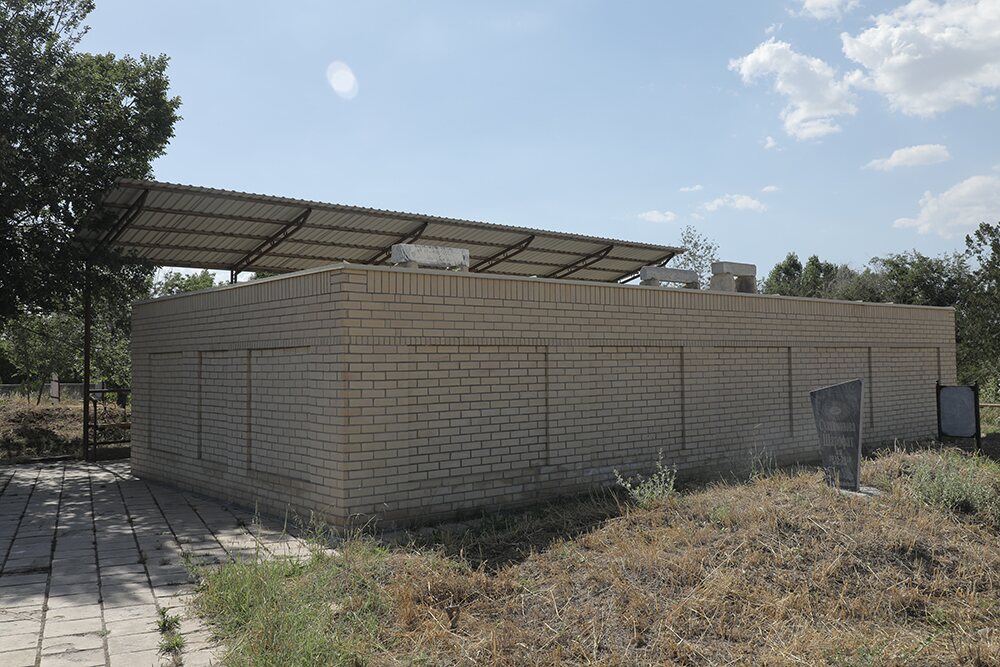
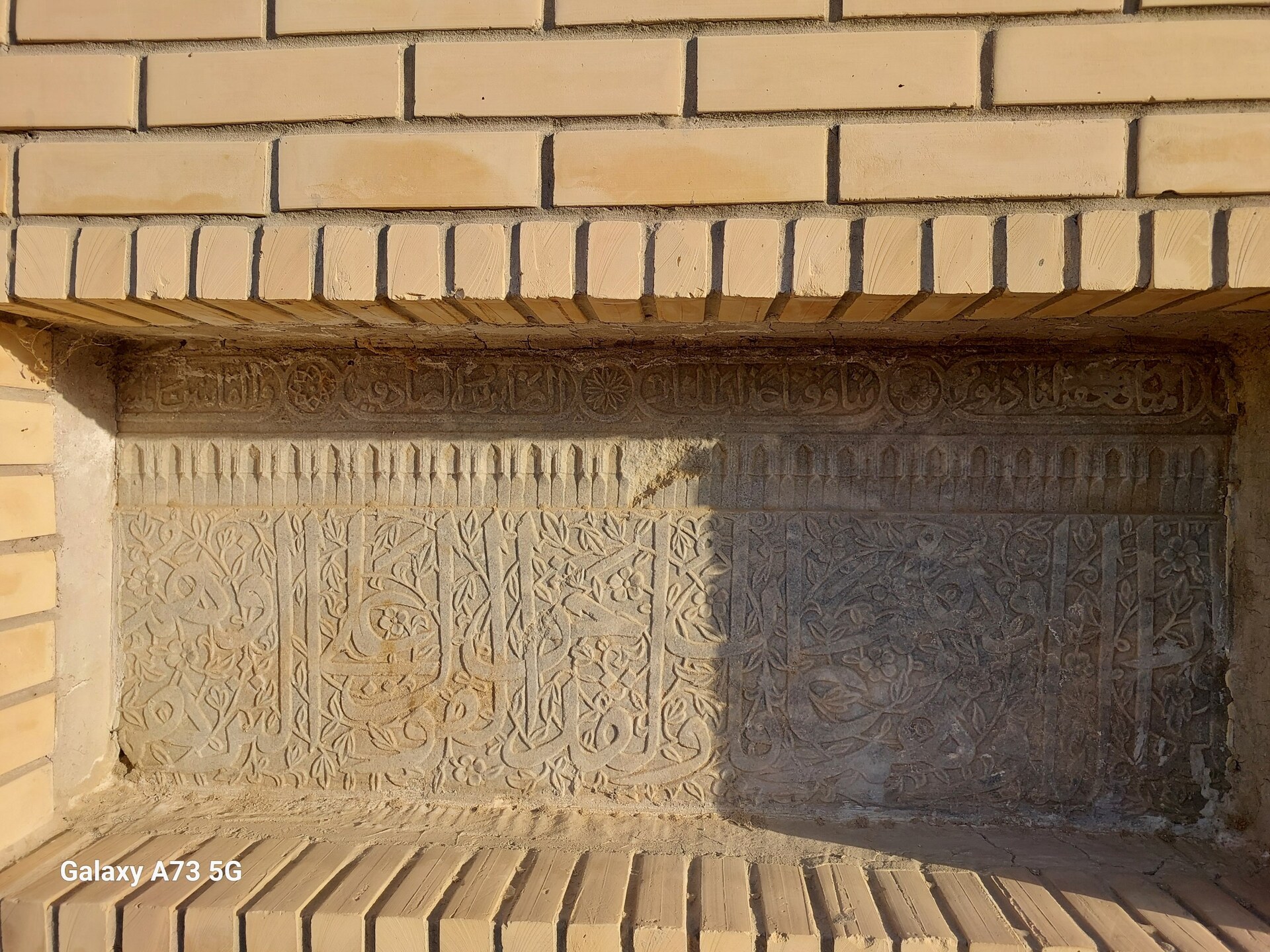
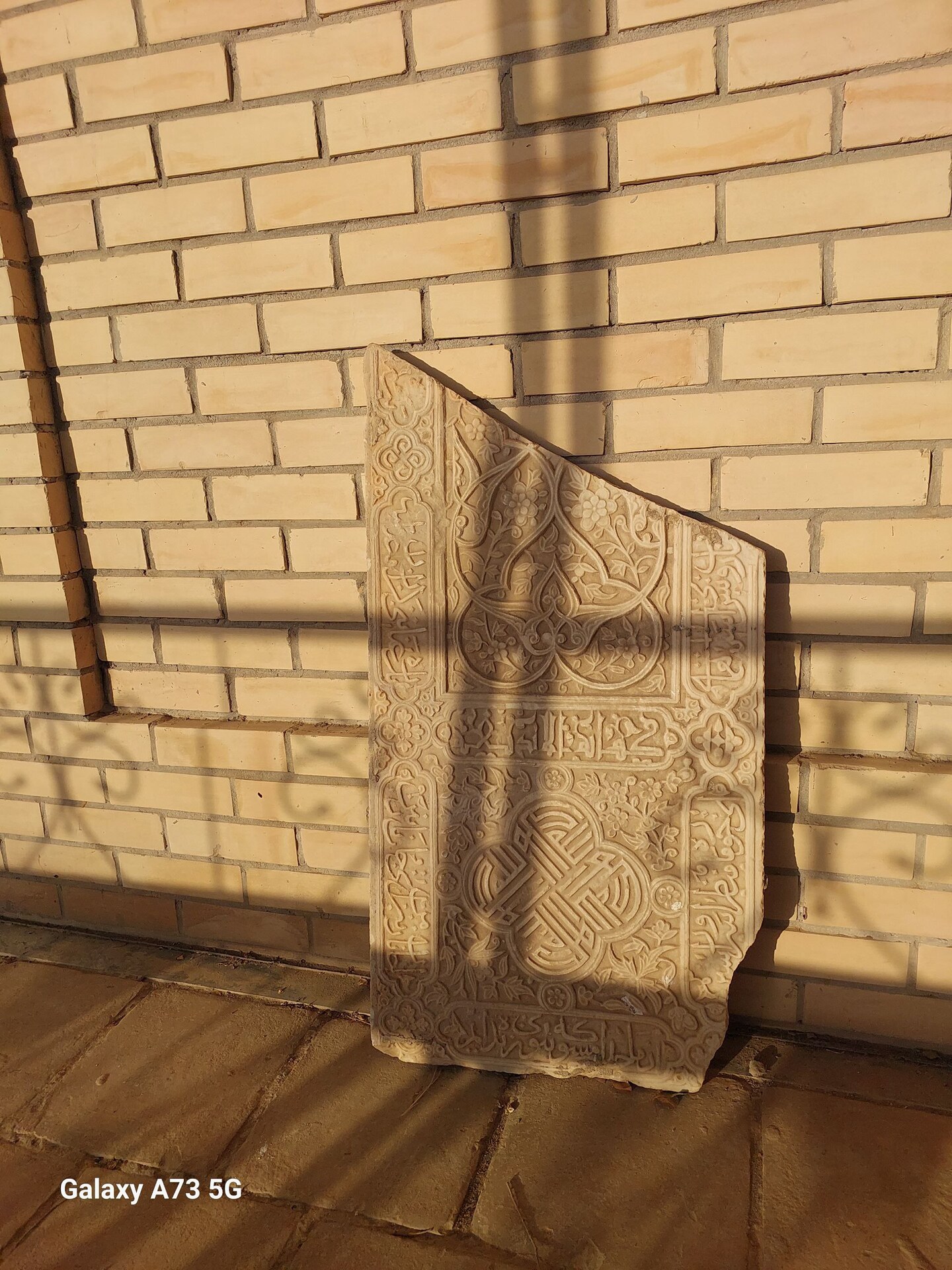
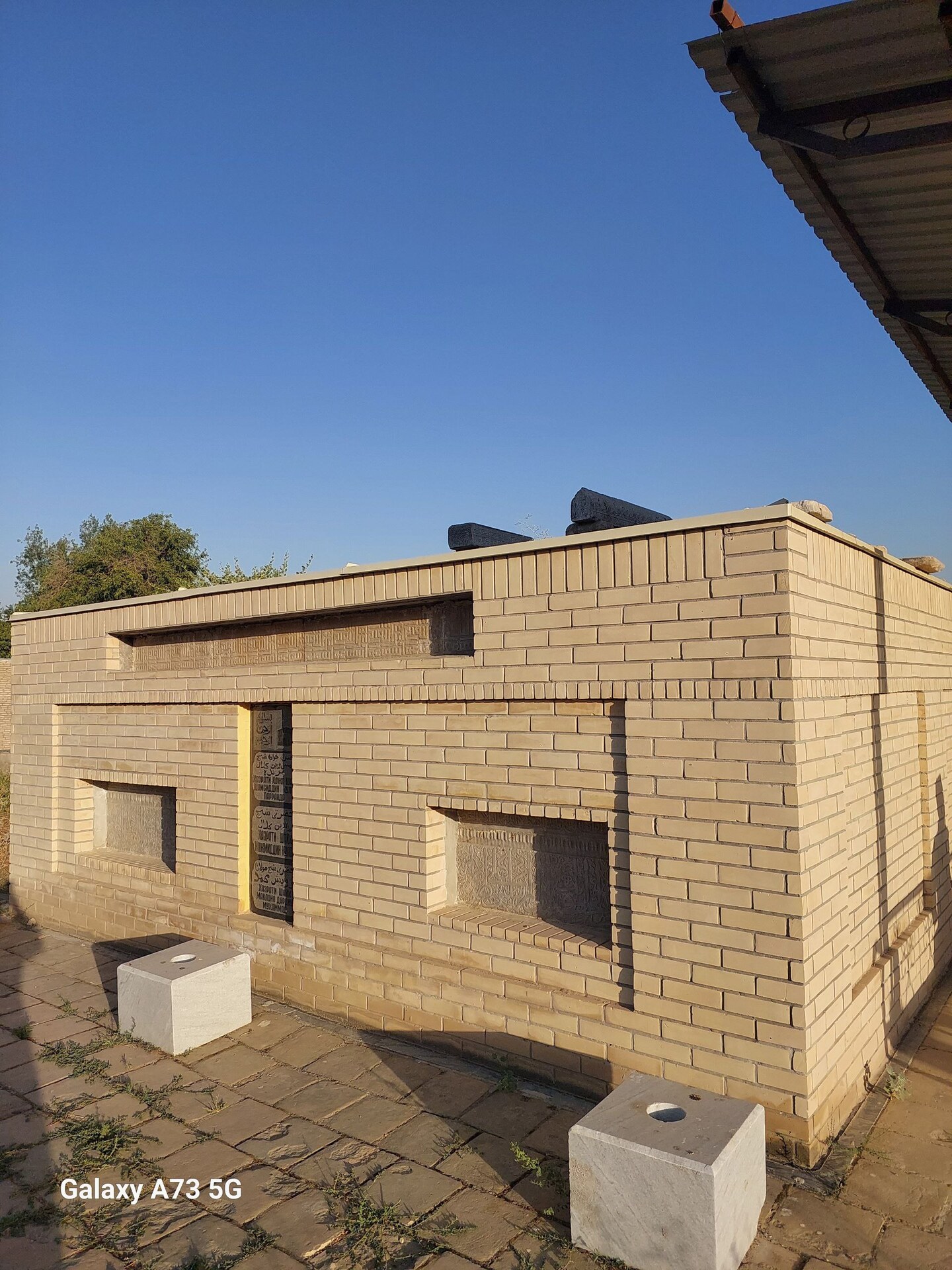
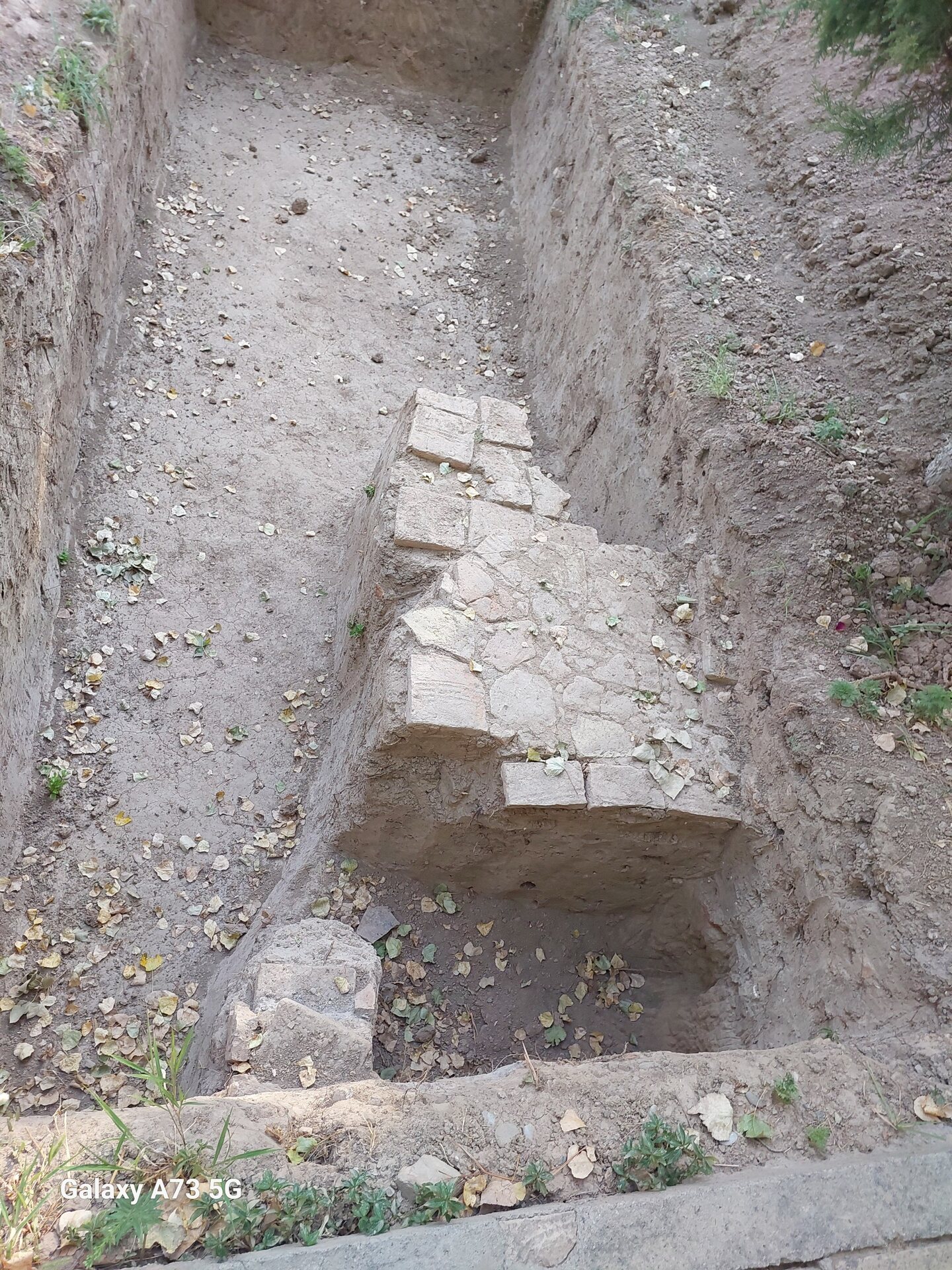
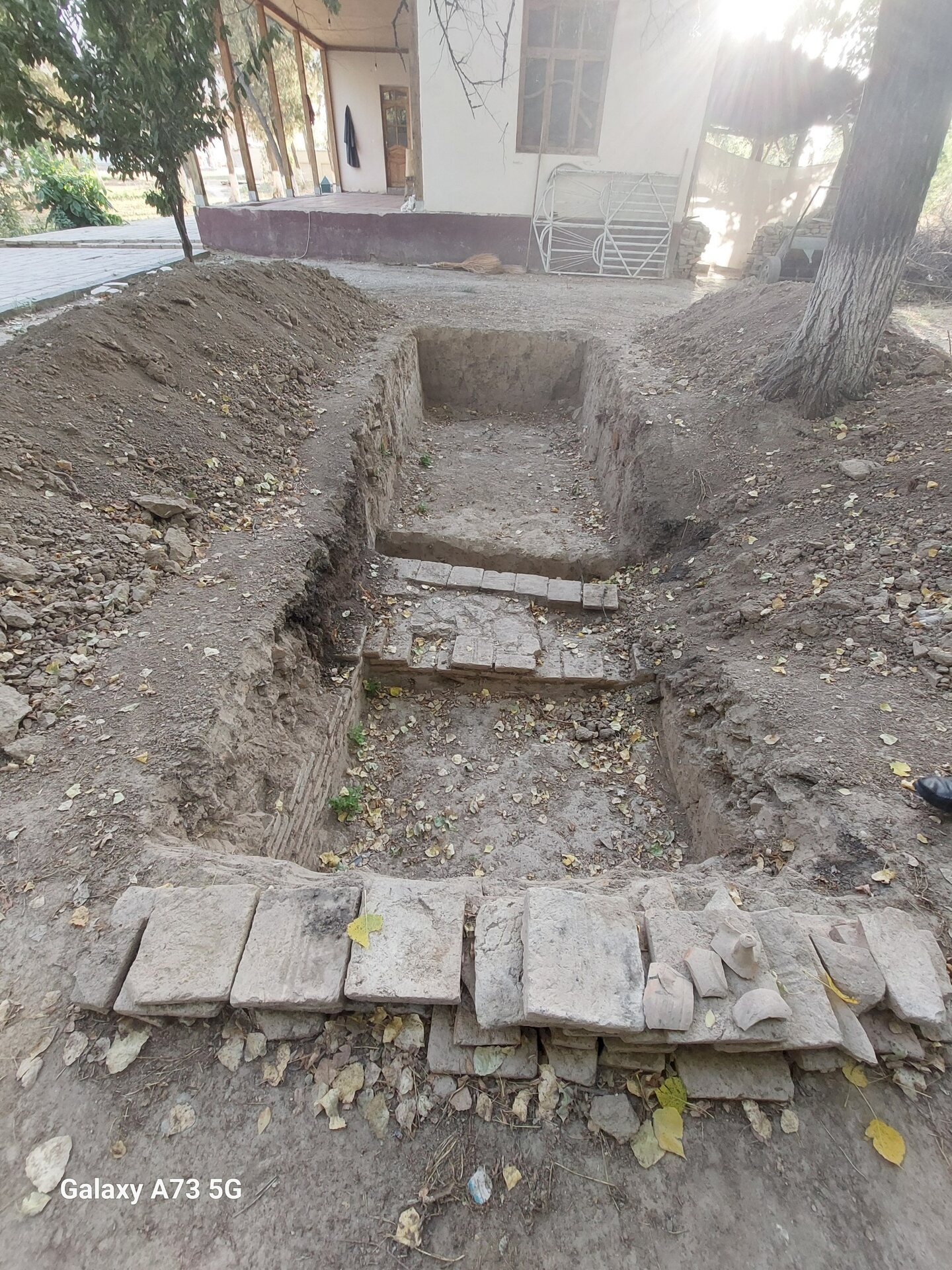
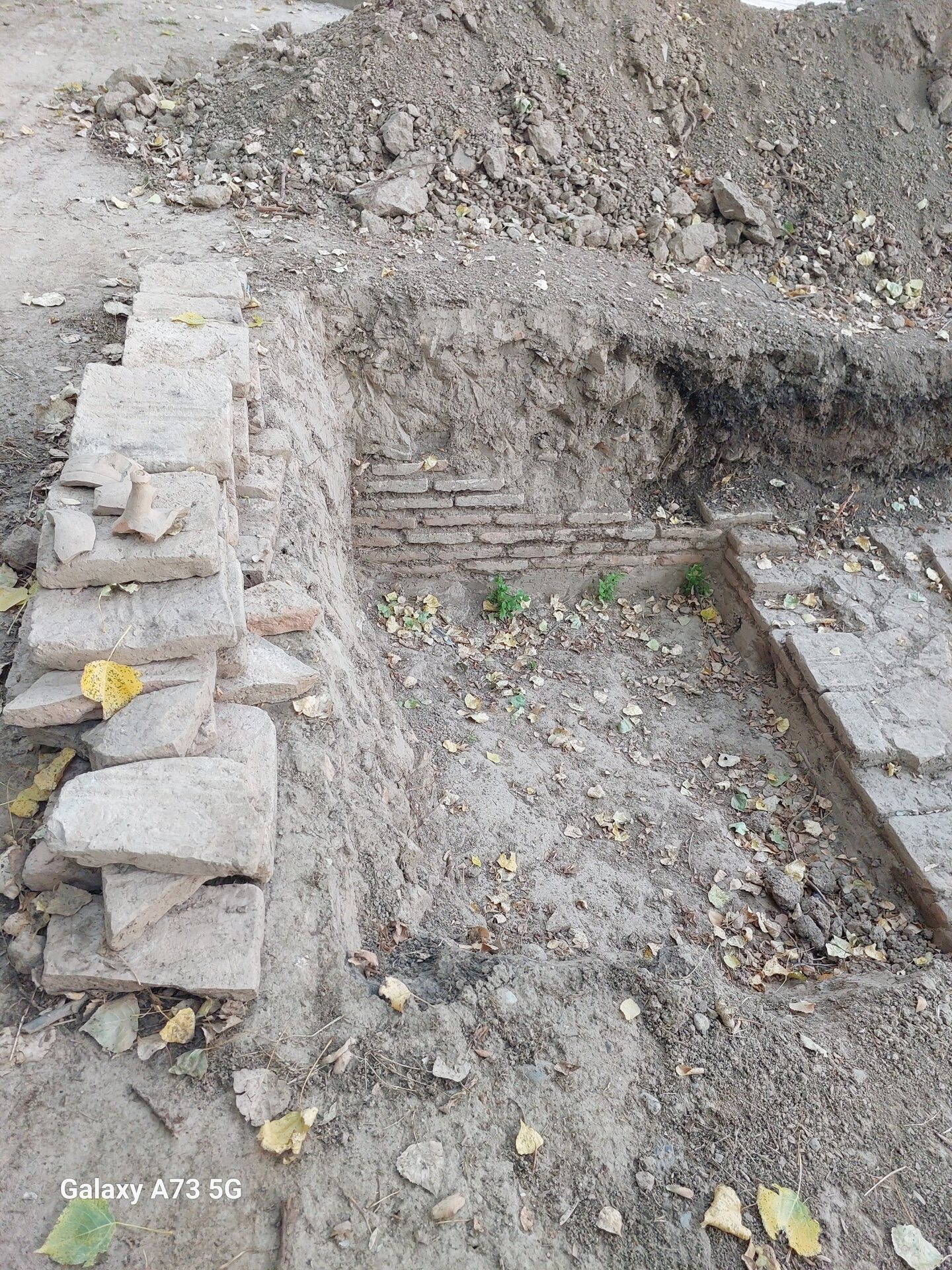
The graves of the sheikhs are placed on the ground in a structure in the form of a large square. The height of the common saghana is 4 m., the width is approx. 8 m., height is 12 m. The common saghana is covered with marble and treated with white and brown. The names of three sheikhs and their years of life are written next to Saghana. A wooden log is placed in front of Sagana. At this point, it should be noted that in 1961, under the pretext of archaeological research, the stone markers placed on the heads of the sheikhs were taken away[10].
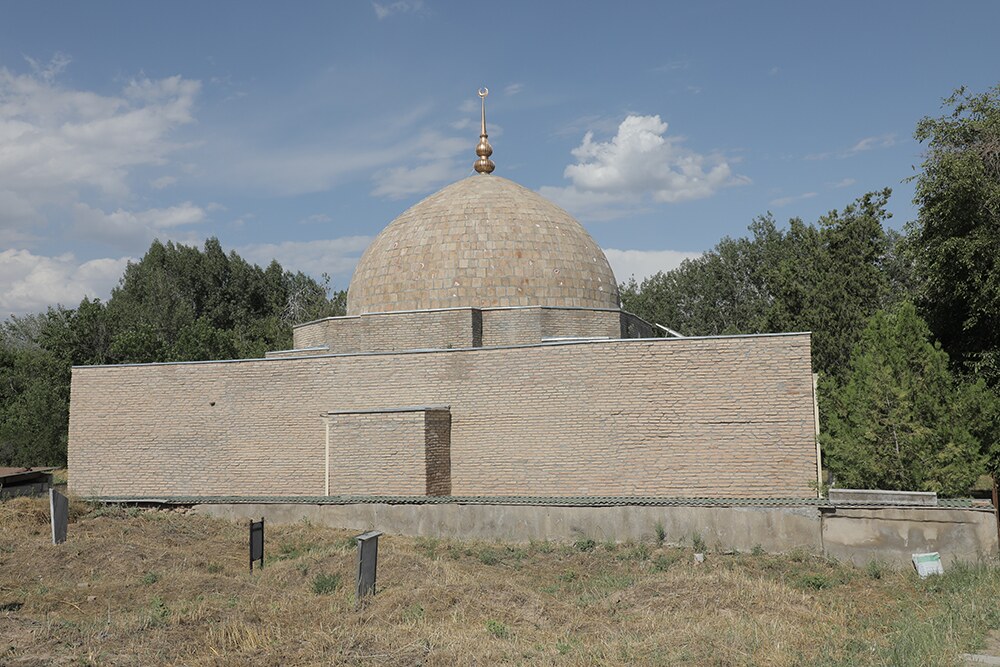
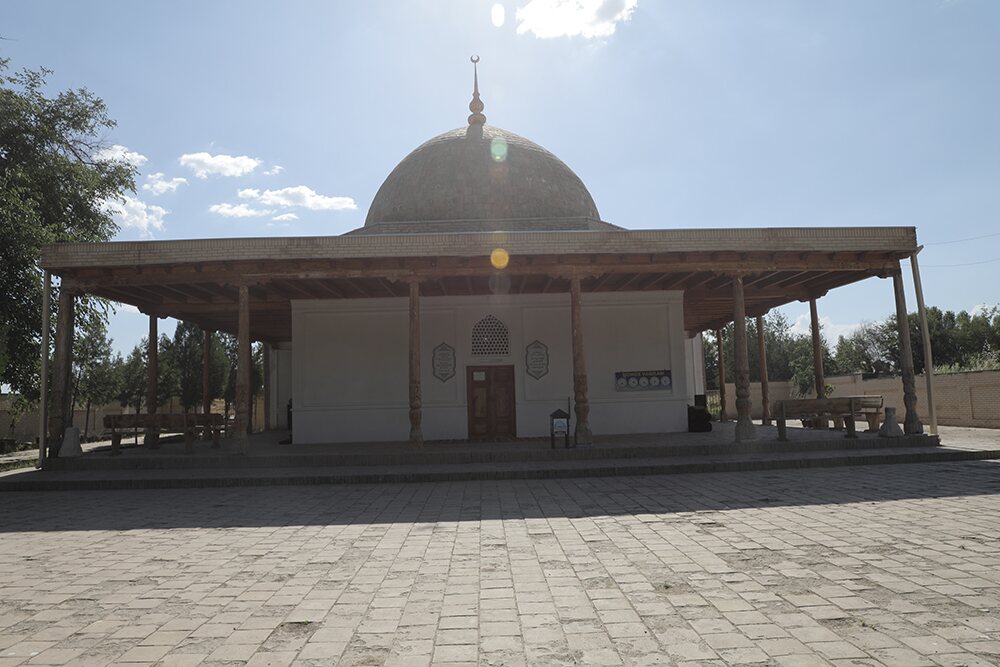
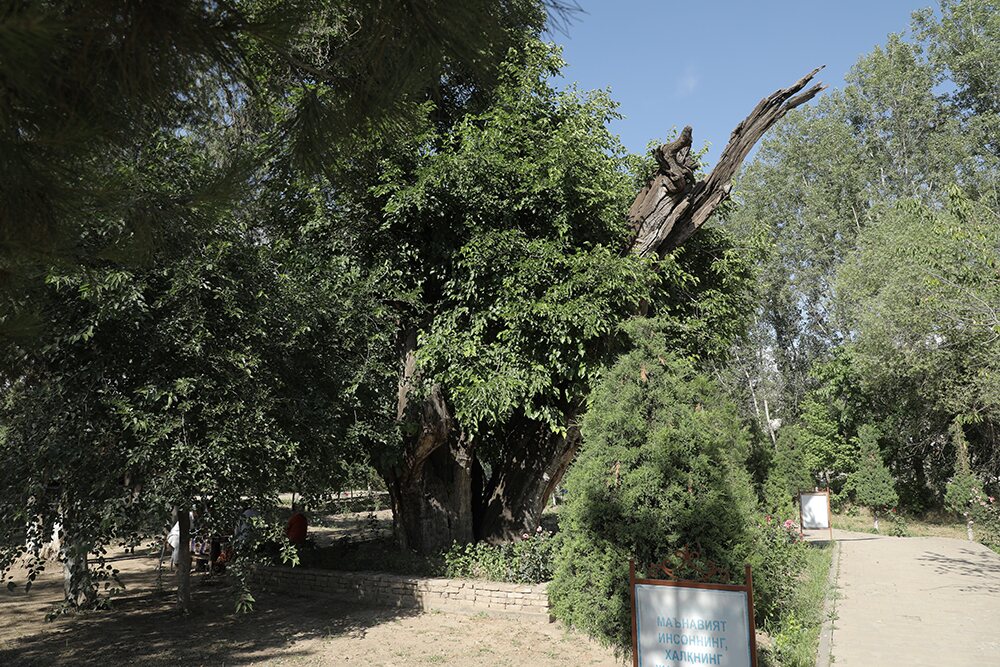
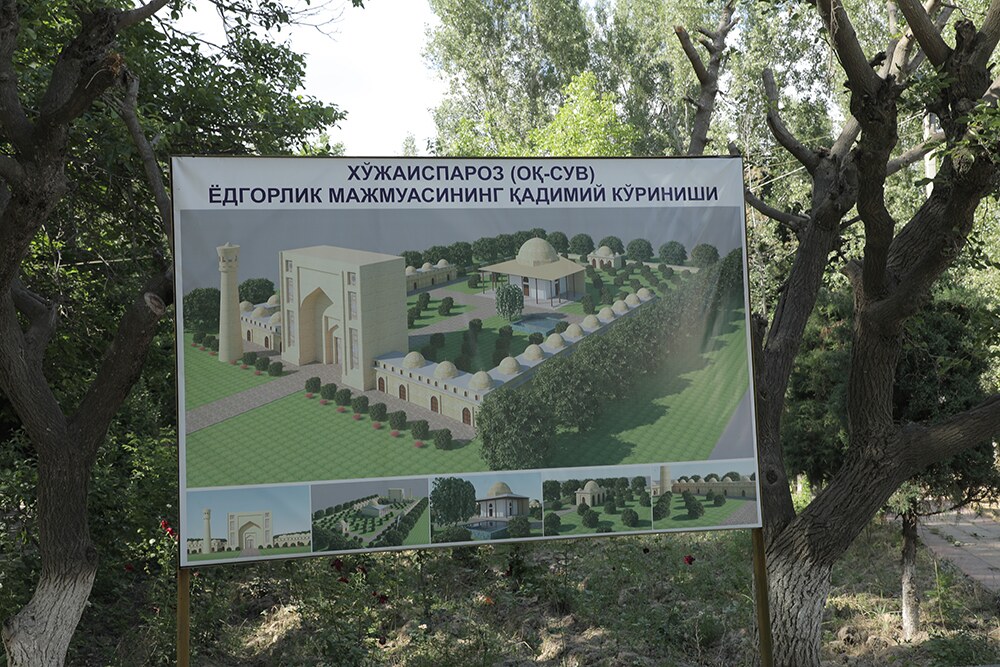
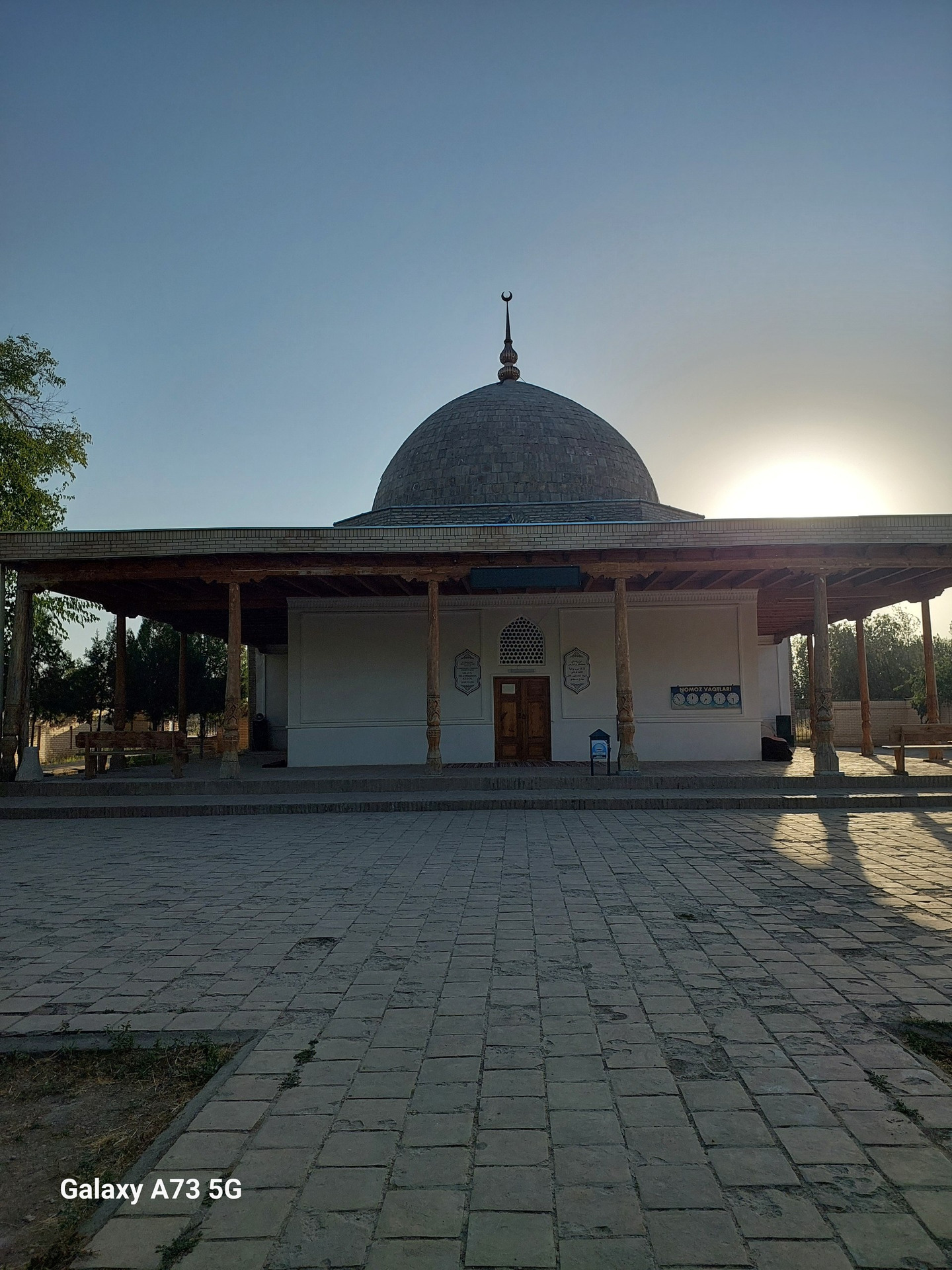
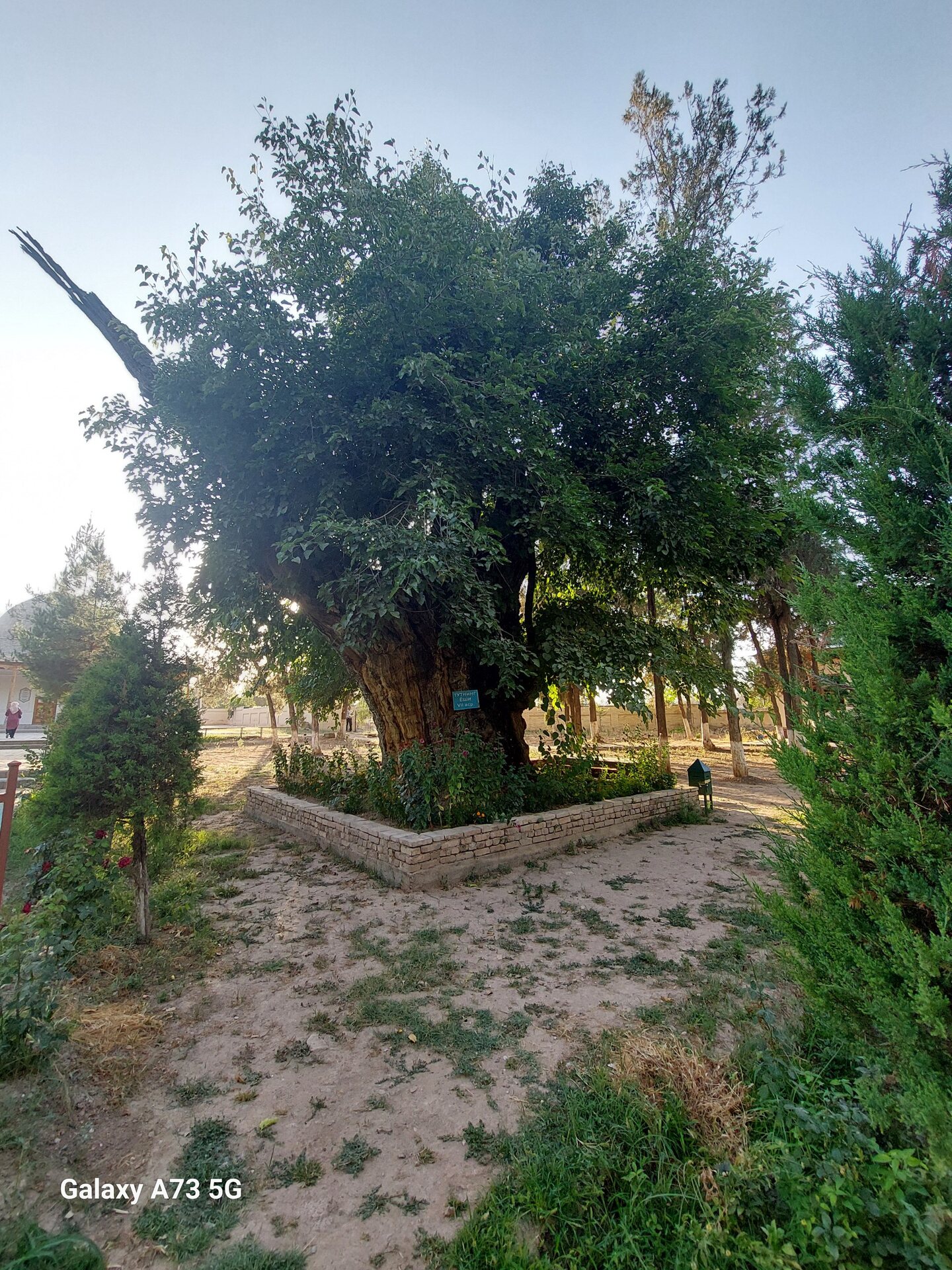
Today, only a mosque is located in the area of the shrine, which has a chillakhana inside, and it is well preserved. According to the construction method, the mosque is rectangular in shape, covered with a dome. The front of the mosque is covered with an open porch, and in its courtyard there is a 600-year-old popular tree called "planted by Amir Temur" in the vernacular.
REFERENCES:
1. Бердиев А. Оқ-сув зиёратгоҳи ҳақида // Мавлоно Абдулбоқи Хожаги Эмканагий. Илмий-амалий конференция материаллари тўплами. – Тошкент, 2013.
2. Чориев А. Ҳазрати Султон тарихи ва Ҳазрати Башир моноқиби. –Тошкент: Шарқ 1996.
3. Обидов А., Бобохонов Ж. Тариқат силсиласининг олтин занжири. – Тошкент: Наврўз, 2018.
4. Муҳаммад Амин ибн Муҳаммад Азим Марғиноний Чимёний.Тазкиратул-аткиё. ЎзР ФАШИ. Асосий. Қўлёзма. № 9037В. 137а.
5. Муҳаммад Амин ибн Муҳаммад Азим Марғиноний Чимёний.Тазкиратул-аткиё. ЎзР ФАШИ. Асосий. Қўлёзма. №9037. B.137б.
6. Абдисаттор Жуманазар. Ҳожагий Эмканагий устози ва таълим олган мактаб // Мавлоно Абдулбоқи Хожаги Эмканагий. Илмий-амалий конференция материаллари тўплами. – Тошкент, 2013.
7. Ҳамиджон Ҳомидий. Тасаввуф алломалари. – Тошкент: O’zbekiston, 2016. 6. 347.
8. Муҳаммад Тоҳир ибн Муҳаммад Тоййиб Хоразмий. Тазкираи Тоҳир Эшон. ЎзР ФАШИ. АСОСИЙ. Қўлёзма. №855. – В. 1806-181а.
9. Муҳаммад Тоҳир ибн Хоразмий. Ҳужжатус-соликин. ЎзР ФАШИ. АСОСИЙ. Қўлёзма. №856. – В. 199 а.
10. Дала тадқиқотлари. Қашқадарё вилояти Китоб тумани, 2024 йил 9 июнь.